
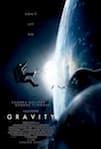
Gravity (2013)
Synopsis
Dr. Ryan Stone is a brilliant medical engineer on her first shuttle mission, with veteran astronaut Matt Kowalski in command. But on a seemingly routine mission, disaster strikes. The shuttle is destroyed, leaving Stone and Kowalski completely alone—tethered to nothing but each other and spiraling out into the blackness. The deafening silence tells them they have lost any link to Earth… and any chance for rescue. As fear turns to panic, every gulp of air eats away at what little oxygen is left. But the only way home may be to go further out into the terrifying expanse of space.
What is the budget of Gravity?
Gravity (2013) stands out as a remarkable achievement in modern cinema, captivating audiences with its stunning visuals and gripping narrative. Directed by Alfonso Cuarón, the film features stellar performances from Sandra Bullock and George Clooney. Released on October 4, 2013, Gravity not only pushed the boundaries of filmmaking but also raised questions about its financial implications, particularly its budget.
What was the production budget?
The production budget for Gravity was a staggering $110,000,000. This figure places it among the higher echelons of science fiction films, especially considering its unique premise and groundbreaking visual effects. When compared to similar films in the genre, Gravity's budget aligns with other high-profile projects, such as Interstellar and The Martian, which also invested heavily in special effects and star talent.
Key Budget Allocation Categories
While specific breakdowns of the budget are not publicly available, several key factors likely contributed to the overall costs:
- Visual Effects: A significant portion of the budget was allocated to the film's groundbreaking visual effects, which created the stunning depiction of space.
- Talent: The salaries of Sandra Bullock and George Clooney, both A-list actors, would have constituted a considerable expense.
- Production Design: Creating realistic space environments and the shuttle required extensive resources and expertise.
What were the major cost factors?
Several elements contributed to the production costs of Gravity:
- Special Effects: The film's innovative use of CGI and practical effects was a major expense, as it required cutting-edge technology and skilled professionals.
- Filming Locations: Although much of the film was shot on sound stages, the need for realistic settings added to the overall costs.
- Talent: The involvement of high-profile actors like Bullock and Clooney significantly impacted the budget.
Notable scenes, such as the destruction of the shuttle, demanded extensive resources and time, further complicating the budget. Initial estimates were likely exceeded due to the ambitious nature of the project.
How did Gravity perform at the box office?
Gravity achieved remarkable box office success, grossing $684,657,731 worldwide. The domestic earnings reached $274,092,705, showcasing its appeal both in the U.S. and internationally.
Break-even Point Analysis
To determine the break-even point, a film typically needs to earn about twice its production budget to cover marketing and distribution costs. For Gravity, this means it needed to gross approximately $220 million. With its total earnings, the film not only broke even but also generated substantial profit.
ROI Percentage
The return on investment (ROI) for Gravity can be calculated as follows:
- Total Earnings: $684,657,731
- Production Budget: $110,000,000
- Profit: $684,657,731 - $110,000,000 = $574,657,731
The ROI percentage is approximately 522%, indicating a highly successful financial outcome.
Was Gravity profitable?
Absolutely, Gravity proved to be a financial success. The film's earnings far exceeded its production costs, resulting in a significant profit for Warner Bros. and its production partners, Esperanto Filmoj and Heyday Films.
Impact on the Studio and Franchise
The success of Gravity had a ripple effect on the studio, reinforcing the viability of high-budget science fiction films. It set a precedent for future projects, encouraging studios to invest in ambitious storytelling and cutting-edge technology.
Influence on Future Movie Budgets
Gravity's financial success likely influenced the budgets of subsequent films in the genre, as studios recognized the potential for high returns on investment when combining star power with innovative filmmaking techniques.
Records Set
Gravity received critical acclaim and numerous awards, including seven Academy Awards, which further solidified its status as a landmark film in cinematic history.
Commonly Asked Questions
How much did Gravity (2013) cost to make?
Gravity had a production budget of $110,000,000.
Was Gravity (2013) profitable?
Yes, Gravity was highly profitable, grossing over $684 million worldwide.
What was the most expensive element of Gravity (2013)?
The most expensive element was likely the visual effects, which were crucial to the film's success.
How much did Gravity (2013) make at the box office?
Gravity earned approximately $684,657,731 globally.
Did Gravity (2013) go over budget?
While specific details on budget overruns are not available, the ambitious nature of the project suggests that initial estimates may have been exceeded.
In summary, Gravity not only captivated audiences with its thrilling narrative and stunning visuals but also achieved remarkable financial success, setting a new standard for future films in the science fiction genre.

































Budget Templates
Build your own production budget
Create professional budgets with AICP and feature film templates. Real-time collaboration, no spreadsheets.
Start Budgeting Free