
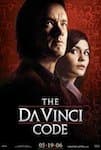
The Da Vinci Code (2006)
Synopsis
"The Da Vinci Code," released in 2006, is a gripping mystery thriller directed by Ron Howard, based on Dan Brown's best-selling novel. The story follows Harvard symbologist Robert Langdon, portrayed by Tom Hanks, who is summoned to the Louvre after the curator is found murdered. Alongside cryptologist Sophie Neveu, played by Audrey Tautou, Langdon uncovers a series of cryptic clues hidden in famous artworks and historical texts. Their quest leads them through a labyrinth of secrets that challenge the foundations of Christianity and reveal a conspiracy that has persisted for centuries. As they race against time to solve the mystery, they must evade a relentless assassin and confront powerful forces determined to keep the truth buried. The film weaves together themes of faith, history, and the quest for knowledge, making it a thought-provoking cinematic experience.
What is the budget of The Da Vinci Code?
The Da Vinci Code, released in 2006, captivated audiences with its intriguing blend of mystery and thriller elements. Directed by Ron Howard and featuring a stellar cast that includes Tom Hanks and Audrey Tautou, the film quickly became a cultural phenomenon. With a production budget of $125 million, the financial aspects of this cinematic venture are as compelling as its plot.
What was the production budget of The Da Vinci Code?
The production budget for The Da Vinci Code was a staggering $125,000,000. This figure places it among the higher echelons of film budgets, especially for adaptations of literary works. When compared to similar films in the mystery thriller genre, such as "Angels & Demons" (2009) and "National Treasure" (2004), The Da Vinci Code's budget stands out, reflecting the ambition behind its production.
Key Budget Allocation Categories
While specific breakdowns of budget allocation are not publicly detailed, major cost factors typically include:
- Talent: High-profile actors like Tom Hanks command significant salaries.
- Locations: Filming in iconic sites such as the Louvre adds to expenses.
- Special Effects: The film's intricate visuals and production design require substantial investment.
What were the major production costs?
Several elements contributed to the overall production costs of The Da Vinci Code. Notable expenses included:
- Location Filming: Shooting in historic and visually stunning locations, including Paris and London, increased logistical costs.
- Special Effects: The film's intricate visual storytelling necessitated advanced special effects, which can be costly.
- Talent Salaries: The star power of Tom Hanks and other cast members significantly impacted the budget.
Challenges during production, such as location permits and scheduling conflicts, may have led to budget overruns, although specific figures are not disclosed. The initial budget of $125 million remained consistent throughout production.
How did The Da Vinci Code perform at the box office?
The Da Vinci Code achieved remarkable box office success, grossing $767,820,459 worldwide. The domestic box office earnings reached $217,536,138, showcasing its broad appeal.
Break-even Point Analysis
To determine profitability, the break-even point is crucial. Typically, a film needs to earn approximately double its production budget to cover marketing and distribution costs. In this case, The Da Vinci Code surpassed this threshold, indicating a strong financial performance.
ROI Percentage
The return on investment (ROI) for The Da Vinci Code can be calculated as follows:
- Total Earnings: $767,820,459
- Production Budget: $125,000,000
- ROI: \[(Total Earnings - Production Budget) / Production Budget\] x 100 = \[(767,820,459 - 125,000,000) / 125,000,000\] x 100 ≈ 514.56%
This impressive ROI highlights the film's financial success.
Was The Da Vinci Code profitable?
Absolutely, The Da Vinci Code was profitable. With earnings significantly exceeding its production costs, the film not only recouped its budget but also generated substantial profits for the studios involved.
Impact on the Studio and Franchise
The financial success of The Da Vinci Code had a lasting impact on Columbia Pictures and its associated franchises. The film's performance likely influenced future budget allocations for similar projects, encouraging studios to invest in high-profile adaptations of popular novels.
Records Set
The Da Vinci Code set several records upon its release, including being one of the highest-grossing films of 2006. Its success paved the way for sequels and adaptations of other works by Dan Brown.
Commonly Asked Questions
How much did The Da Vinci Code (2006) cost to make?
The Da Vinci Code had a production budget of $125,000,000.
Was The Da Vinci Code (2006) profitable?
Yes, the film was highly profitable, grossing over $767 million worldwide.
What was the most expensive element of The Da Vinci Code (2006)?
While specific details are not disclosed, major costs likely stemmed from talent salaries and location filming.
How much did The Da Vinci Code (2006) make at the box office?
The film earned approximately $767,820,459 globally.
Did The Da Vinci Code (2006) go over budget?
The production budget remained at $125 million, with no public indication of overruns.
In summary, The Da Vinci Code stands as a significant financial success in the film industry, with its budget and box office performance reflecting the film's widespread appeal and cultural impact.






























Budget Templates
Build your own production budget
Create professional budgets with AICP and feature film templates. Real-time collaboration, no spreadsheets.
Start Budgeting Free