
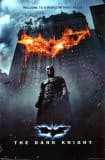
The Dark Knight (2008)
Synopsis
In "The Dark Knight," Gotham City is engulfed in chaos as the Joker, a psychopathic criminal mastermind, emerges to challenge Batman's quest for justice. With the help of Lieutenant Jim Gordon and District Attorney Harvey Dent, Batman strives to dismantle organized crime in the city. However, the Joker's unpredictable nature and his penchant for chaos push Batman to his limits, forcing him to confront moral dilemmas and the consequences of his vigilantism. As the Joker orchestrates a series of heinous crimes, he seeks to prove that anyone can be corrupted under the right circumstances. The film explores themes of heroism, sacrifice, and the fine line between good and evil, culminating in a gripping showdown that will forever alter the fate of Gotham and its heroes.
What is the budget of The Dark Knight?
The Dark Knight, released in 2008, is often hailed as one of the greatest superhero films of all time. Directed by Christopher Nolan, the film features a stellar cast, including Christian Bale as Batman, Heath Ledger as the Joker, and Aaron Eckhart as Harvey Dent. The movie not only captivated audiences with its gripping narrative but also made waves in the industry due to its impressive budget and box office performance.
The budget of The Dark Knight is significant, as it reflects the ambitious scope of the film and its production values. Understanding the financial aspects of this cinematic masterpiece provides insight into its success and impact on the superhero genre.
What was the production budget?
The production budget for The Dark Knight was a staggering $185,000,000. This figure places it among the higher echelons of film budgets, especially for its time. When compared to other superhero films released around the same period, such as Iron Man (2008) with a budget of $140 million, The Dark Knight's financial commitment underscores its ambition and scale.
Key Budget Allocation Categories
While specific breakdowns of budget allocation are not always publicly available, major cost factors typically include:
- Special Effects: The film features numerous high-quality visual effects that enhance the action sequences.
- Locations: Filming in various locations, including Chicago, added to the overall costs.
- Talent: The salaries of the star-studded cast and the experienced crew contributed significantly to the budget.
What were the major production costs?
Several elements contributed to the overall production costs of The Dark Knight. Notable expenses included:
- Special Effects and Stunts: The film is renowned for its thrilling action scenes, including the iconic truck flip and the dramatic chase sequences.
- Set Design and Locations: The use of real-world locations in Chicago added authenticity but also increased costs.
- Talent Salaries: With a cast of A-list actors, the salaries were a considerable part of the budget.
Despite the initial budget of $185 million, the film faced challenges that could have led to overruns, particularly due to the complexity of its action sequences and special effects.
How did The Dark Knight perform at the box office?
The Dark Knight achieved remarkable box office success, grossing over $1,007,695,772 worldwide. This figure includes a domestic box office earnings of $534,235,491.
Break-even Point Analysis
To determine the break-even point, one must consider the production budget and marketing costs. Typically, a film needs to earn about double its production budget to cover all expenses. In this case, The Dark Knight not only broke even but also generated a substantial profit.
ROI Percentage
The return on investment (ROI) for The Dark Knight can be calculated as follows:
- Total Earnings: $1,007,695,772
- Production Budget: $185,000,000
- Profit: $1,007,695,772 - $185,000,000 = $822,695,772
The ROI percentage is approximately 445%, showcasing the film's financial success.
Was The Dark Knight profitable?
Absolutely, The Dark Knight was highly profitable. The film's earnings far exceeded its production costs, making it one of the most successful films of its time. The financial success not only benefited Warner Bros. but also solidified the Batman franchise's place in cinematic history.
Impact on the Studio and Franchise
The success of The Dark Knight had a lasting impact on Warner Bros. and the superhero genre. It set a new standard for production budgets and box office expectations, influencing future films in the genre. The film's success also paved the way for sequels and spin-offs, further expanding the Batman universe.
Records Set
The Dark Knight broke several box office records upon its release, including the highest-grossing opening weekend for a film at that time. Its success demonstrated the potential for superhero films to achieve blockbuster status.
Commonly Asked Questions
How much did The Dark Knight (2008) cost to make?
The Dark Knight had a production budget of $185,000,000.
Was The Dark Knight (2008) profitable?
Yes, the film was highly profitable, grossing over $1 billion worldwide.
What was the most expensive element of The Dark Knight (2008)?
While specific figures are not disclosed, special effects and talent salaries were significant cost factors.
How much did The Dark Knight (2008) make at the box office?
The Dark Knight grossed approximately $1,007,695,772 worldwide.
Did The Dark Knight (2008) go over budget?
The film was produced within its budget of $185 million, despite facing challenges during production.
In summary, The Dark Knight stands as a monumental achievement in filmmaking, not only for its artistic merit but also for its financial success. The film's budget and box office performance illustrate the potential for superhero films to captivate audiences and generate significant profits.



























Budget Templates
Build your own production budget
Create professional budgets with AICP and feature film templates. Real-time collaboration, no spreadsheets.
Start Budgeting Free