
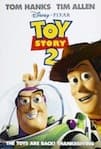
Toy Story 2
Synopsis
In "Toy Story 2," Woody, the beloved cowboy doll, faces an unexpected crisis when he is accidentally damaged during a play session with his owner, Andy. Fearing that he will be replaced, Woody is stolen by a toy collector named Al McWhiggin, who plans to sell him as part of a rare collection. Meanwhile, Buzz Lightyear and the rest of the toys embark on a daring rescue mission to save Woody. Along the way, Woody discovers his origins and meets other toys from his past, including Jessie, a spirited cowgirl, and Bullseye, a loyal horse. As Woody grapples with the choice between staying with his new friends or returning to Andy, the film explores themes of friendship, loyalty, and the bittersweet nature of growing up. Ultimately, Woody learns that being a toy means being there for the child who loves you, leading to a heartwarming conclusion that resonates with audiences of all ages.
What is the budget of Toy Story 2?
Toy Story 2, a beloved animated film, was released on November 24, 1999. Directed by John Lasseter, this sequel features the voices of Tom Hanks as Woody and Tim Allen as Buzz Lightyear. The film not only captivated audiences with its heartwarming story but also set a benchmark for animated features. The budget of Toy Story 2 plays a significant role in understanding its financial success and impact on the animation industry.
What was the production budget of Toy Story 2?
The production budget for Toy Story 2 was $90,000,000. This figure places it among the higher-budget animated films of its time, reflecting the increasing investment in quality animation and storytelling. When compared to other animated sequels, such as Shrek 2, which had a budget of $150 million, Toy Story 2's budget was substantial but not the highest in the genre.
Key Budget Allocation Categories
While specific breakdowns of budget allocation are not publicly detailed, major cost factors typically include:
- Animation and Special Effects: Advanced technology was utilized to create lifelike animations.
- Voice Talent: High-profile actors contributed to the film's appeal.
- Marketing: Significant funds were allocated to promote the film, ensuring a wide audience reach.
What were the major production costs?
Several factors contributed to the overall production costs of Toy Story 2. The film's animation required cutting-edge technology, which was a significant expense. Notable scenes, such as the thrilling rescue mission, involved intricate animation techniques that added to the budget.
Initially, the budget was projected to be lower, but as the production progressed, costs increased due to the ambitious scope of the project and the desire to maintain high-quality standards.
How did Toy Story 2 perform at the box office?
Toy Story 2 achieved remarkable box office success, grossing $511,358,276 worldwide. The domestic box office earnings reached $245,852,179, showcasing its popularity in the United States.
Break-even Point Analysis
To determine the break-even point, a film typically needs to earn about twice its production budget to cover marketing and distribution costs. For Toy Story 2, this means it needed to gross approximately $180 million. With its total earnings, the film not only broke even but also generated a significant profit.
ROI Percentage
The return on investment (ROI) for Toy Story 2 can be calculated as follows:
- Total Earnings: $511,358,276
- Production Budget: $90,000,000
ROI = [(Total Earnings - Production Budget) / Production Budget] x 100
ROI = [($511,358,276 - $90,000,000) / $90,000,000] x 100 ≈ 468.18%
This impressive ROI highlights the film's financial success.
Was Toy Story 2 profitable?
Absolutely, Toy Story 2 was highly profitable. The film not only recouped its production costs but also generated substantial earnings, solidifying its status as a financial success for Disney-Pixar.
Impact on the Studio and Franchise
The success of Toy Story 2 had a lasting impact on the studio and the franchise. It reinforced Disney-Pixar's reputation for producing high-quality animated films and set the stage for future projects. The film's success also influenced budget allocations for subsequent animated features, as studios recognized the potential for significant returns on investment.
Records Set
Toy Story 2 was notable for being the first animated sequel to be nominated for an Academy Award for Best Animated Feature, a category that was introduced in 2002. This recognition further established the film's legacy in the animation industry.
Commonly Asked Questions
How much did Toy Story 2 cost to make?
The production cost of Toy Story 2 was $90,000,000.
Was Toy Story 2 profitable?
Yes, Toy Story 2 was highly profitable, grossing over $511 million worldwide.
What was the most expensive element of Toy Story 2?
The most expensive elements included advanced animation technology and voice talent.
How much did Toy Story 2 make at the box office?
Toy Story 2 made $511,358,276 at the worldwide box office.
Did Toy Story 2 go over budget?
While the initial budget was lower, the final production cost reached $90 million, indicating some budget overruns.
In summary, Toy Story 2 stands as a testament to the financial viability of animated films. With a budget of $90 million and earnings exceeding $511 million, it not only achieved profitability but also set a precedent for future animated sequels. The film's success continues to resonate within the industry, influencing budgets and production strategies for years to come.































Budget Templates
Build your own production budget
Create professional budgets with AICP and feature film templates. Real-time collaboration, no spreadsheets.
Start Budgeting Free