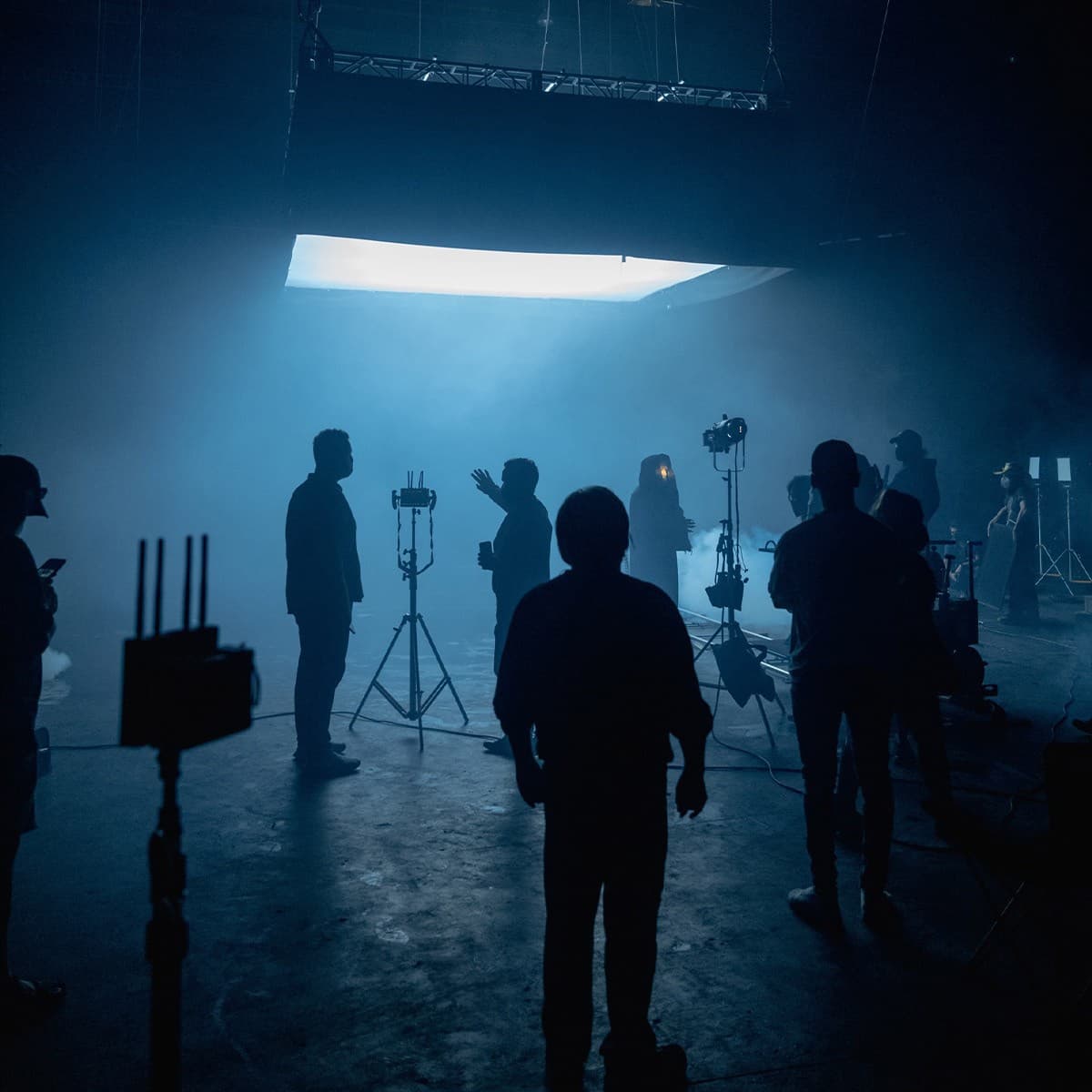
What is a 2nd Hair Assistant?
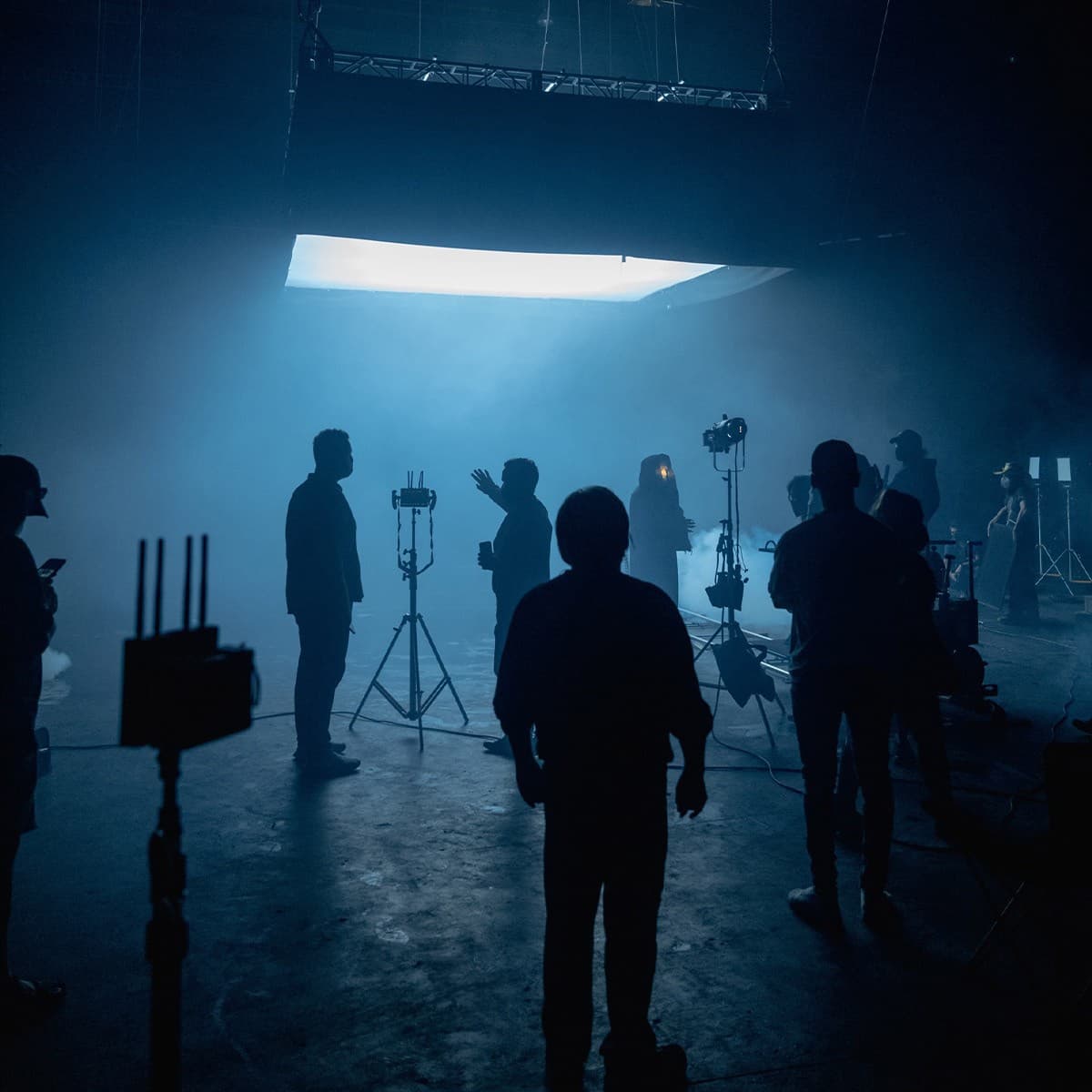
Overview
A 2nd hair assistant—also known as a hair trainee, second hair, or second chair—is the entry-level position in the hair department on a film or television set. Working under the direct supervision of the Key Hair Stylist and the 1st Hair Assistant, the 2nd hair assistant handles preparation, logistics, and background styling so that senior stylists can focus on principal cast.
On large studio productions you will rarely encounter a single hair stylist. Instead the hair department operates as a structured team with clear reporting lines. The 2nd hair assistant sits at the bottom of that chain, which is exactly where every successful department head once started. Many of today's Emmy-winning Key Hair Stylists spent years as a second before earning their first-chair credit.
Hair Department Hierarchy
Understanding the hierarchy is essential before you step onto your first set. The department is organized from top to bottom:
- Hair Department Head (Key Hair Stylist / Hair Designer) — responsible for the creative concept, principal cast styling, and all department decisions. Reports to the director and production designer.
- 1st Hair Assistant (First Chair / Additional Stylist) — handles secondary principals and day players, covers the Key when needed, and supervises the rest of the department.
- 2nd Hair Assistant (Second Hair / Hair Trainee) — entry-level. Handles background artists, prep work, cart organization, and all support tasks that keep the department running.
- Additional trainee / day-player stylists — on productions with very large background counts or period films requiring extensive wig work, additional trainees may be hired on an as-needed basis.
On smaller independent productions—short films, student films, low-budget features—the entire hierarchy may collapse into one or two people. A 2nd hair assistant on a micro-budget may effectively function as a 1st, styling minor speaking roles in addition to background. This flexibility is one of the reasons indie productions are excellent training grounds.
Large Productions vs. Small Productions
On a major studio feature or network television series, the 2nd hair assistant's world is clearly defined: background artists in the holding area, cart prep before call time, and touch-up duty between takes. On an independent film with a two-person hair team, the same person may be cutting hair in the trailer at 5 a.m. and holding a reflector on set at 7 a.m.
Either environment builds the skills that matter: speed, adaptability, continuity awareness, and the ability to take clear direction under pressure. Production teams—from department heads to production coordinators—rely on cloud-based production management tools like Saturation.io to keep budgets, schedules, and department communications organized so every crew member, including the 2nd hair assistant, knows exactly where to be and when.
Other Names for the Role
The title varies across regions and production types:
- Hair Trainee — common in the UK and Ireland (ScreenSkills/BECTU classification)
- Second Hair — informal on-set shorthand used across North America
- 2nd Hair Assistant — formal credit used in most North American union contracts
- Additional Stylist — sometimes used when the person is covering overflow principal work
- Background Stylist — occasionally used on productions where the role is background-only
Role & Responsibilities
The duties of a 2nd hair assistant fall into three main categories: preparation before the camera rolls, on-set support during the shoot day, and post-shoot cleanup and organization. On a typical production day, the 2nd arrives before the Key Hair Stylist and leaves after most of the department has wrapped.
Prep Room Setup
- Arrive early and open the trailer: The 2nd hair assistant is often the first person in the hair trailer. They unlock the space, ensure climate control is working, and verify that all equipment from the previous day is accounted for.
- Set up styling stations: Each stylist's station must be stocked and organized before the first talent arrives. This means mirrors, proper lighting, neck strips, clips, combs, brushes, heat tools, and the specific products the Key has designated for each principal character.
- Heat tools ready: Flat irons, curling irons, hot rollers, and blow dryers must be heated and tested before they are needed. A tool that takes time to warm up is a tool that slows down the morning rush.
- Product inventory check: The 2nd confirms that all products specified in the department's kit are present and in sufficient quantity. If anything is running low, they notify the Key or 1st immediately so a run can be made before it becomes a crisis.
- Continuity binders: Pull and review the continuity binder for the scenes shooting that day. Understand which characters appear and what their established hair looks like, including any changes written into the script.
Cart Management and Kit Organization
- Maintain the department cart: The cart that travels from the trailer to set must be packed efficiently and securely. This includes essential products, tools, combs, clips, bobby pins, hair elastics, and touch-up supplies.
- Track product placement: Know where everything is at all times. On a fast-paced set, the Key Hair Stylist will call for a specific product and expect it in their hand within seconds.
- End-of-day replenishment: After wrap, the 2nd inventories the cart and restocks whatever was depleted during the shoot day so tomorrow's setup is frictionless.
Tool Sanitization
- Clean all tools between uses: Professional hygiene standards require combs, brushes, clips, and any tool that touches skin or hair to be cleaned and sanitized between uses, especially when working with multiple background artists.
- Proper storage: Sanitized tools are stored in the designated clean zone. This separation between clean and used tools is non-negotiable on professional productions and reflects on the entire department's professionalism.
- Disposal of single-use items: Neck strips, bobby pins that have fallen on the floor, and other single-use items are properly disposed of, never returned to the clean supply.
Styling Background Artists
- Primary responsibility for extras: On most productions, styling background artists (extras) falls to the 2nd hair assistant. This can mean styling dozens of people in the holding area before a scene with a crowd, working quickly and consistently.
- Match the period or style: The Key Hair Stylist will have established the look for background that matches the world of the film. The 2nd must execute that look repeatedly and recognize when someone doesn't match.
- Check continuity on background: The same background artists may appear in multiple scenes. The 2nd hair assistant must verify that their hair matches what was established in earlier shooting days, consulting set photos when available.
On-Set Touch-Ups
- Stand by between takes: The 2nd hair assistant is often the person who steps in to fix stray hairs, apply dry shampoo, or re-set a style that shifted during a physically demanding take. Speed and invisibility are essential—step in, fix, step out before the next setup.
- Monitor continuity on camera playback: Checking the video village or a still from the previous take allows the 2nd to catch continuity breaks before the director calls cut and moves on.
- Work background on set: While the Key and 1st focus on principals, the 2nd circulates among background artists on set, making quick corrections and ensuring no one appears out of continuity when the camera is rolling.
Running Errands for the Department
- Supply runs: If a product runs out mid-shoot, the 2nd may be dispatched to a beauty supply store, drugstore, or ordered via a PA runner. They must communicate the exact product needed clearly and quickly.
- Coordinating with other departments: The hair department frequently interacts with makeup, wardrobe, and the AD department. The 2nd hair assistant often serves as the messenger and logistics coordinator for these inter-departmental communications when the Key is busy on set.
Wig Maintenance Support
- Lace front care: On productions using lace-front wigs, the 2nd hair assistant may be responsible for cleaning the lace adhesive off the wig cap at the end of each day, washing and conditioning the wig hair, and blocking it properly for storage.
- Wig dressing: Under the Key's direction, the 2nd may dress, pin, and style wigs in advance of shooting days. Period productions and character-heavy shoots often require extensive wig prep the day before.
- Storage and labeling: Wigs are labeled by character name and episode number, stored on proper wig heads, and logged in the department's continuity system.
End-of-Day Cleanup
- Strike the trailer: At the end of the shooting day, the 2nd helps break down the department's on-set presence, returning the cart to the trailer, securing all tools, and ensuring the space is clean and organized for the following day.
- Final product check: Log any items that need to be ordered and communicate this to the Key before leaving set so that supplies can arrive before the next shoot day.
- Secure continuity records: Polaroids, digital continuity photos, and the continuity binder are secured and stored before wrap so nothing is lost overnight.
Skills Required
Success as a 2nd hair assistant on a film set requires more than technical hairstyling ability. The on-set environment is demanding, fast-paced, and unforgiving of poor organization or slow execution. The skills below are the ones that department heads and 1st assistants look for when deciding whether to bring someone back on their next project.
Valid Cosmetology License
This is the baseline non-negotiable. Every state where you intend to work requires a current cosmetology license. Maintain your continuing education credits, renew on time, and always carry a copy of your license on set. Some productions will request a copy during the hiring process or on your first day.
Heat Tool Proficiency
Speed and control with heat tools are fundamental. On a busy shooting day, a 2nd hair assistant may use a curling iron, flat iron, diffuser, and hot roller set before 7 a.m. You must know:
- Correct temperature settings for different hair textures and conditions
- How to achieve a consistent curl or wave quickly and reproduce it across multiple background artists
- How to protect hair health while meeting styling requirements under time pressure
- How to identify and avoid heat damage, particularly on talent whose contracts include hair protection clauses
Wig Dressing Basics
Period productions, character-driven projects, and productions with talent whose natural hair does not match the character's established look all require wig work. A 2nd hair assistant should be comfortable with:
- Pinning and tucking natural hair under a wig cap
- Fitting and securing lace-front wigs with adhesive or tape
- Basic wig dressing—brushing, setting on a wig head, pinning to shape
- Cleaning adhesive residue from lace at end of day
- Recognizing when a wig needs re-construction or professional repair beyond the department's capacity
Continuity Awareness
Continuity is one of the most critical skills in any on-set craft department. Film is shot out of sequence—scenes from the beginning of the story may be shot weeks after scenes from the end. The 2nd hair assistant must understand:
- How to read a continuity binder and extract the relevant information for each shooting day
- How to take continuity photos (with a smartphone or dedicated camera) in good lighting that accurately represents the style's color and texture
- How to match a hairstyle from a Polaroid or digital reference taken weeks or months earlier
- When to flag a potential continuity issue to the Key before the director calls action
Product Knowledge
A film hair department uses a wider range of products than most salons. You should have working knowledge of:
- Styling and finishing products: pomades, waxes, hairsprays (both flexible and firm hold), serums, dry shampoo, texture sprays
- Color-adjacent products: root cover sprays, temporary color sprays, color depositing conditioners used to adjust or maintain character hair between episodes
- Specialty products: wig adhesives and solvents, hair thickeners for sparse areas, relaxers for texture management, extensions and their care requirements
- Camera-specific considerations: some products create unwanted shine or texture on camera (particularly high-definition cameras). Knowing which products to avoid or use sparingly is experience-based knowledge that takes time to accumulate.
Physical Stamina
A standard shooting day runs 12 to 14 hours. The 2nd hair assistant is typically one of the first on set and one of the last to leave. You will be on your feet for most of that time, often in cramped trailers, in outdoor locations in extreme weather, or under hot set lights. Physical fitness, comfortable footwear, and the ability to sustain focused performance across a long day are genuine professional requirements, not afterthoughts.
Teamwork and Following the Department Head's Direction
The Key Hair Stylist has the creative vision. The 2nd hair assistant's job is to execute that vision faithfully, not to improvise. This requires:
- Listening carefully to direction the first time without requiring repetition
- Asking clarifying questions before beginning a task, not during or after
- Flagging problems to the Key immediately rather than attempting independent fixes that may conflict with the established look
- Subordinating your personal stylistic preferences entirely to the character and story requirements established by the Key
Speed and Working Under Pressure
When the 1st AD announces that camera is ready, every department has minutes—sometimes seconds—to finish their work and clear the set. A 2nd hair assistant who works slowly under pressure will not be invited back. Develop a system: know where every tool and product is, understand what the next task will be before the current one is finished, and eliminate unnecessary steps from your workflow.
Script Reading and Scene Analysis
Understanding what is being filmed each day requires basic script literacy. The 2nd hair assistant should be able to read the day's sides (the condensed script pages for that shoot day) and extract:
- Which characters appear, including day players and background
- Whether any hair changes are written into the scene (a character cuts their hair, wears a hat, gets caught in rain)
- The time of day within the story—morning, evening, after a long day—which may affect how a character's hair should look
Professionalism and Set Etiquette
- Maintain confidentiality about productions, talent, and scripts
- Avoid using your phone on set during shooting
- Know when to speak and when to stay quiet—sets during takes are quiet environments
- Respect the camera and lighting departments' sightlines
- Always announce yourself when approaching talent, particularly when applying product or fixing hair from behind
Salary Guide
Compensation for a 2nd hair assistant in film and television varies significantly based on union status, production budget, geographic location, and the type of project. Here is a breakdown of what you can expect at the entry level of the hair department.
Non-Union Day Rates
For most people entering the industry, the first years of work are non-union. Non-union day rates for 2nd hair assistants in 2025-2026 are:
- Low-budget independent films and student films: $100-$175 per day. Some productions offer kit fees of $25-$50 per day in addition to the day rate to cover product and tool costs.
- Music videos and short-form content: $150-$250 per day. Commercial and music video rates are often higher than narrative film rates at the non-union level because the days are shorter and the budgets more concentrated.
- Mid-budget independent features: $200-$350 per day. As production budgets grow, day rates improve even before IATSE minimum scale applies.
- Non-union commercials: $300-$500 per day. Commercial work often pays better than film work at the non-union level and is an excellent way to build income while accumulating credits.
Note: Facebook film crew groups report that low-budget production day rates for hair assistant work can be as low as $125 per day with a kit fee, which remains common in certain markets.
IATSE Local 706 Minimum Rates
Once you are working on IATSE-covered productions, your compensation is governed by the Local 706 Basic Agreement with the Alliance of Motion Picture and Television Producers (AMPTP). Minimum rates under the 2023-2026 agreement include:
- Studio minimum (weekly guarantee): Approximately $2,800-$3,200 per week for a hair stylist entry classification, depending on production tier and the specific agreement (Basic Agreement vs. low-budget modifications).
- Hourly minimum: Approximately $38-$45 per hour depending on classification and agreement year, with overtime (time-and-a-half) after 8 hours and double-time after 12 hours on most agreements.
- Distant location premium: Productions shooting on location away from the studio zone pay additional housing and per diem allowances, typically $100-$200 per day on top of wages.
- Kit rental: Hair stylists typically negotiate a kit rental fee ($25-$75 per day) to compensate for the use of their personal tools and products. This is separate from wages.
Contact IATSE Local 706 directly for the most current rate scales, as they are updated annually.
Weekly Rates on Television
Television productions—particularly ongoing network and streaming series—typically hire hair department members on weekly deals rather than day-by-day. This provides significantly more income stability than day calls on feature films.
- Network television (IATSE covered): A 2nd hair assistant on a major network series in Los Angeles typically earns $2,500-$3,500 per week all-in, including any applicable overtime for long shoot days.
- Streaming platforms (Netflix, HBO, Amazon): These productions are often covered under the same IATSE agreements as studio features and network television. Rates are comparable to or above network minimums.
- Basic cable and non-network: Slightly lower rates, often $2,000-$2,800 per week at the entry classification.
- Non-union TV productions: Reality television and certain cable formats are sometimes produced non-union. Rates at the 2nd hair assistant level are $300-$500 per day or $1,200-$2,000 per week, depending on the format and network.
Annual Earnings Trajectory
Set work is rarely a 52-week-a-year occupation, particularly at the 2nd hair assistant level. Many working seconds piece together income from multiple sources: film, television, commercials, music videos, and personal clientele during hiatus.
- Entry (years 1-3, mostly non-union): $25,000-$45,000 per year, depending on market and hustle
- Established 2nd (years 3-6, mix of permit and union work): $45,000-$70,000 per year
- Senior 2nd / transitioning to 1st (years 6-10): $70,000-$100,000 per year
- Key Hair Stylist / Department Head: $90,000-$180,000+ per year on major productions, with additional income from prep days, kit rental, and travel
The Bureau of Labor Statistics classifies film hair stylists under Barbers, Hairdressers, Hairstylists, and Cosmetologists (SOC 39-5010). The BLS median annual wage for hairdressers and cosmetologists was $36,050 in May 2023, but this number reflects the entire industry including salon workers. Experienced union film stylists typically earn well above this figure.
Geographic Variation
- Los Angeles: Highest rates, IATSE Local 706 jurisdiction. Also highest cost of living.
- New York City: Strong market, IATSE Local 798 jurisdiction. Rates comparable to LA.
- Atlanta/Georgia: Growing film market with Georgia Entertainment Industry Investment Act incentives driving production volume. Right-to-work state, so some productions are non-union even with substantial budgets.
- New Mexico / Albuquerque: Active production market (Netflix has a studio presence). Mix of union and non-union work.
- New Orleans / Louisiana: Strong incentive program, active market. Mix of union and non-union depending on budget tier.
Kit Fees and Additional Income
In addition to your day or weekly rate, professional hair stylists at all levels negotiate kit fees. As a 2nd hair assistant, your kit is smaller than the Key's, but you are still expected to have:
- Basic heat tools (curling iron, flat iron, blow dryer)
- Professional combs, brushes, clips, and bobby pins
- A personal product kit (dry shampoo, hairspray, texture spray, gel)
- Sanitizing supplies
A reasonable kit fee for a 2nd hair assistant is $25-$50 per day. This is separate from the department's product budget, which the Key negotiates with production.
FAQ
What does a 2nd hair assistant do on a film set?
A 2nd hair assistant is the entry-level member of the hair department. Their primary responsibilities include styling background artists (extras), setting up the hair trailer before the morning rush, organizing and sanitizing tools, managing the department cart on set, and assisting the Key Hair Stylist and 1st Hair Assistant with touch-ups and wig maintenance throughout the shoot day.
What is the difference between a 1st and 2nd hair assistant?
The 1st hair assistant (or "first chair") reports directly to the Key Hair Stylist and handles secondary principals, day players, and overflow from the Key. The 1st also supervises the rest of the department. The 2nd hair assistant handles background artists, prep work, and all support tasks—they are junior to the 1st and typically have less on-screen responsibility for principal cast. As a 2nd builds experience and trust, they may be promoted to 1st on subsequent productions.
How much does a 2nd hair assistant make on a film set?
Non-union day rates range from $125 to $350 per day depending on the production budget and market. On IATSE-covered productions, the weekly minimum under the Local 706 agreement is approximately $2,800-$3,200 per week for entry-level classifications. Annual earnings for someone actively working as a 2nd hair assistant range from $25,000 (entry, mostly non-union) to $70,000+ once established with consistent union credits. Kit fees of $25-$50 per day are typically negotiated separately.
Do you need a cosmetology license to work as a 2nd hair assistant on film sets?
Yes. In the United States, a valid state cosmetology license is legally required to work professionally on actors' hair. This applies to union and most non-union productions. Requirements vary by state: California requires 1,600 hours of cosmetology education; New York requires 1,000 hours; Georgia and Texas each require 1,500 hours. Your license must be current and renewable to remain eligible for work.
How do I break into the hair department on film sets?
The standard path is: (1) Complete cosmetology school and pass your state board exam to get licensed. (2) Spend 1-3 years in a salon building technical speed. (3) Start offering your services on student films, short films, and music videos—often for free or very low pay—to build credits and learn the on-set environment. (4) Network with local ADs, producers, and other crew members who work with hair departments. (5) As your credits grow, you may be offered permit work on IATSE-covered productions, which leads over time to full union membership. Industry organizations like ScreenSkills, Women in Film, and IATSE's apprenticeship programs can also provide structured entry points.
Do you need to be in IATSE Local 706 to work as a 2nd hair assistant?
No—not initially. Most people begin working non-union on lower-budget productions and then accumulate enough credits and industry relationships to qualify for IATSE permit work. Over time, with sufficient days worked, you can apply for full Local 706 membership. Being in the union significantly increases your access to higher-paying productions and provides benefits including health insurance and pension contributions. However, non-union productions—particularly in markets like Atlanta, New Orleans, and Albuquerque—offer legitimate entry points even without union membership.
Who oversees the hair department for a film?
The Hair Department Head—also called the Key Hair Stylist or Hair Designer—oversees the entire hair department. They report to the director and production designer creatively, and to the line producer and UPM for budget and scheduling. The 1st Hair Assistant reports to the Key, and the 2nd Hair Assistant reports to the 1st. On large productions, this hierarchy can expand to include additional assistants and trainees.
Is the 2nd hair assistant the same as a hair trainee?
In practice, yes—the terms are often used interchangeably, though there are subtle distinctions by market. "Hair trainee" is the standard term used in the UK and Ireland (under ScreenSkills and BECTU classifications), while "2nd hair assistant" is more common in North America under IATSE agreements. "Second hair" or "second chair" are informal on-set nicknames for the same role. All refer to the entry-level position in the hair department below the 1st hair assistant.
Education
Breaking into the hair department on professional film and television productions requires a combination of formal education, practical licensure, and industry-specific experience. The path is different from becoming a salon hairstylist, though it usually starts in the same place: cosmetology school.
Cosmetology License: The Essential Foundation
In every U.S. state, working professionally on actors' hair requires a cosmetology license or, in some states, a standalone cosmetology specialist license covering hair. This is not optional—it is a legal requirement and a condition of employment on any union production and most non-union productions. Arriving on set without a valid license will result in dismissal.
State requirements vary significantly:
- California: 1,600 hours of cosmetology education + passing written and practical board exams (California Board of Barbering and Cosmetology)
- New York: 1,000 hours for cosmetology licensure (New York State Division of Licensing Services)
- Georgia: 1,500 hours (Georgia State Board of Cosmetology and Barbers)
- Texas: 1,500 hours (Texas Department of Licensing and Regulation)
- Louisiana: 1,500 hours — Louisiana has a significant and growing film industry (particularly around New Orleans), making licensure here especially relevant
The license must remain current. Set work often happens in bursts rather than continuously, and failing to renew on time can disqualify you from projects when work is available.
Cosmetology Programs and Hair Schools
No cosmetology school teaches film-specific techniques by default, but the foundational skills—cutting, coloring, chemical processes, and wig work—are what make a good on-set hair assistant. When choosing a school, look for programs that offer:
- Strong wig construction and dressing coursework
- Period styling technique (finger waves, pin curls, formal updos)
- Color theory and application — useful when matching period looks or adjusting between scenes
- Barbering techniques — many film productions need short hair cutting skills
Well-regarded programs for aspiring film hair stylists include:
- Vidal Sassoon Academy (Los Angeles, Santa Monica) — strong technical cutting foundation
- Toni & Guy Hairdressing Academy — multiple locations, strong cutting and coloring fundamentals
- Paul Mitchell Schools — nationwide, solid foundational training
- FIDM (Fashion Institute of Design & Merchandising) — offers courses that bridge fashion and entertainment styling
- Joe Blasco School of Professional Makeup — covers both hair and makeup, common in LA for film-track students
IATSE Local 706 — The Makeup Artists and Hair Stylists Guild
IATSE Local 706 is the union that represents hair stylists and makeup artists working on major film and television productions in Los Angeles (and through the International Alliance, across the U.S. under various contracts). Getting into Local 706 is the goal for anyone pursuing a long-term career as a professional film hair stylist.
The path to full membership typically involves:
- Non-union work first: Most people enter through non-union productions—short films, student films, music videos, independent features, commercials—where they accumulate hours and set credits.
- Permit work: IATSE allows non-members to work on union productions as "permit workers" when union members are not available for a specific call. Permit work gives you union wages and exposure without full membership costs.
- Reaching the required work hours: To apply for full membership, you typically need to demonstrate a minimum number of days worked in the industry (the exact threshold has changed over time—contact Local 706 directly for current requirements).
- Examination and sponsorship: Some locals require an examination of technical skills or sponsorship by a current member. Local 706 periodically opens applications when the roster has space.
Outside of Los Angeles, IATSE locals covering hair stylists include:
- IATSE Local 798 — New York City (makeup artists and hair stylists)
- NABET-CWA Local 31 — covers some non-IATSE productions in New York
- Various regional locals in Georgia, New Mexico, Louisiana, and British Columbia for productions shooting away from the major union markets
Career Path: Trainee to Key Hair Stylist
The hair department career ladder is predictable but requires patience and intentionality:
- Cosmetology school: 1,000-1,600 hours depending on state. Get your license.
- Salon work (1-3 years): Real-world experience cutting, coloring, and styling different hair types builds technical speed and problem-solving skills that will transfer directly to set.
- Non-union productions as 2nd hair assistant / trainee: Student films, short films, music videos, low-budget independent features. This is where you build your first credits and references.
- Permit work on union productions: Once you have enough credits and know people in the industry, you may be called for permit work on IATSE-covered productions.
- IATSE Local 706 membership: Full membership unlocks work on major studio films and network/streaming television series.
- 1st Hair Assistant: After enough time working as a 2nd, you will be offered opportunities to 1st for department heads who trust your work.
- Key Hair Stylist / Department Head: The final step, reached through consistent quality work, a strong network, and the confidence of producers, directors, and UPMs who have worked with you.
The timeline from cosmetology graduation to Key Hair Stylist credit on a studio production is typically 8 to 15 years, depending on your market, networking ability, and the productions available in your region.




























Budget Templates
Budget crew costs with confidence
Use Saturation to build budgets with accurate crew rates, fringes, and union scales.
Try Free Budget Tool