What is a 2nd Unit Art Director?
Overview
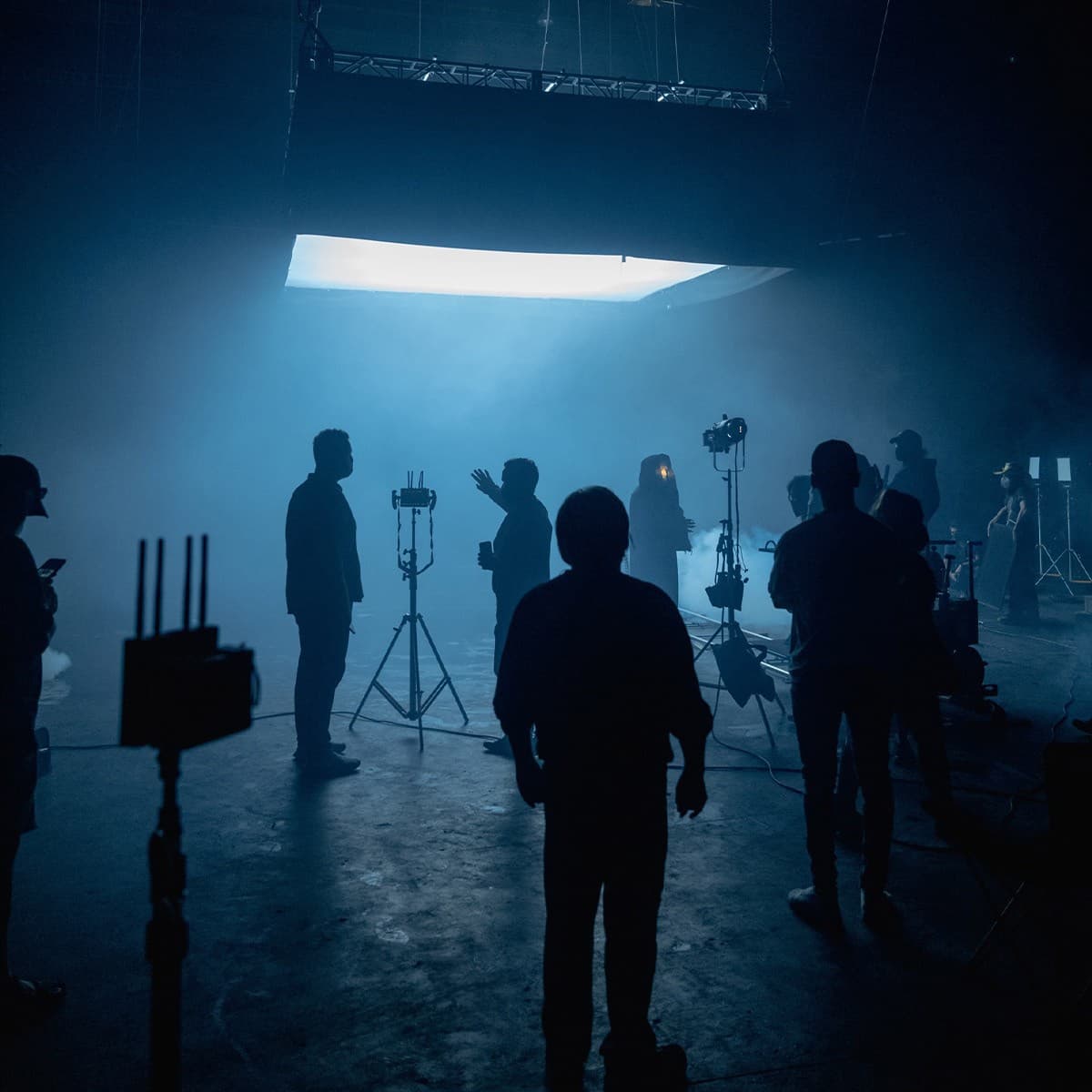
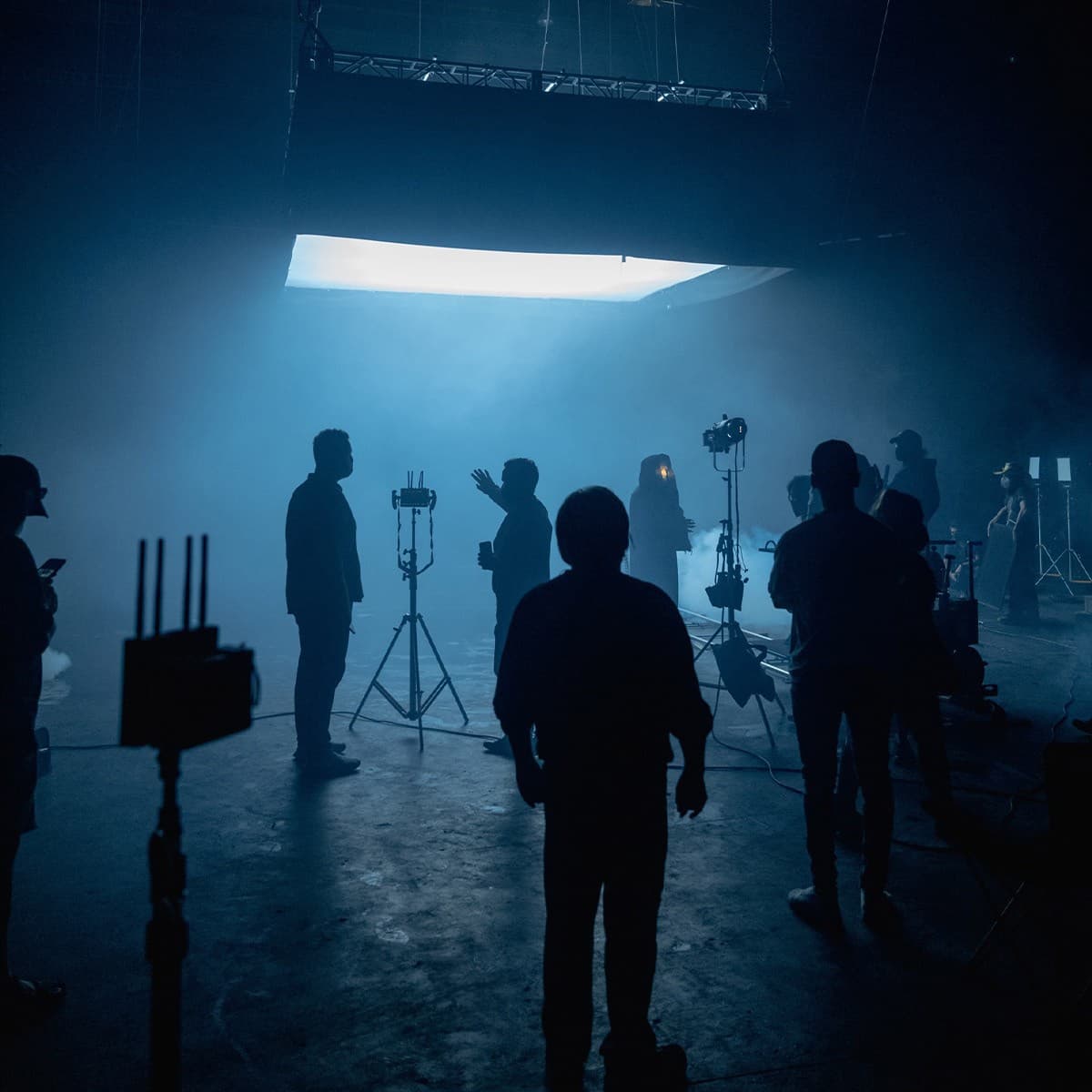
A 2nd Unit Art Director is a specialized role within the film industry, working closely with the production design department. This position is unique as it specifically pertains to the second unit of a film production, which typically handles supplementary footage such as stunts, location shots, and action sequences that do not involve the main actors. The 2nd Unit Art Director ensures the visual continuity and aesthetic of these additional scenes align with the overall look and vision established by the main unit’s production design.
Role & Responsibilities
The core responsibilities of a 2nd Unit Art Director include interpreting the production designer's vision for the second unit shoots, managing art department staff, coordinating with the director and director of photography of the second unit, and overseeing the selection and modification of locations and sets. They must also ensure that props, set dressings, and any graphics or visual elements are consistent with those used in the main unit. Additionally, they often work under tight schedules and varying locations, necessitating a high level of adaptability and problem-solving skills.
Skills Required
The role of a 2nd Unit Art Director demands a broad set of skills. Creative vision and a keen eye for detail are crucial in maintaining the visual integrity of a film. Strong leadership and communication skills are essential for coordinating with different departments and managing art department personnel. Additionally, project management, budgeting, and scheduling skills are necessary to ensure that the art direction contributes effectively to the second unit's workflow. Finally, technical skills such as proficiency in design software and understanding of film production technology can be extremely beneficial.
Education
While a college degree is not always mandatory for the position of a 2nd Unit Art Director, it is not uncommon for individuals to have a degree in a related field such as Fine Arts, Film Studies, or Production Design. What is often more important is a comprehensive understanding of art direction, which can also be gained through hands-on experience in the art department and a proven track record of success in similar roles. A combination of education and practical experience is typically preferred.
























Budget Templates
Budget crew costs with confidence
Use Saturation to build budgets with accurate crew rates, fringes, and union scales.
Try Free Budget Tool