What is a Art Department Foreman?
Overview
What Is an Art Department Foreman?
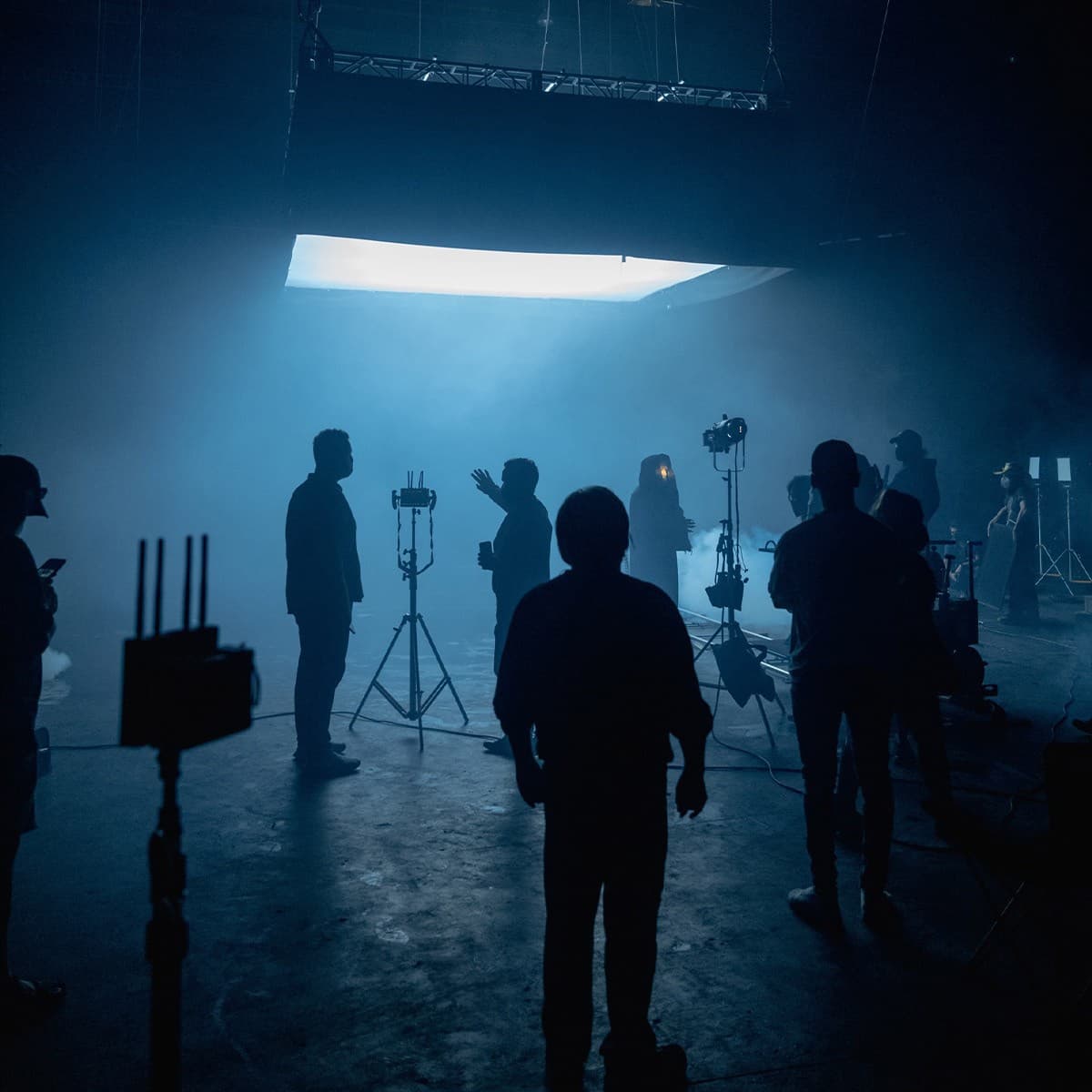
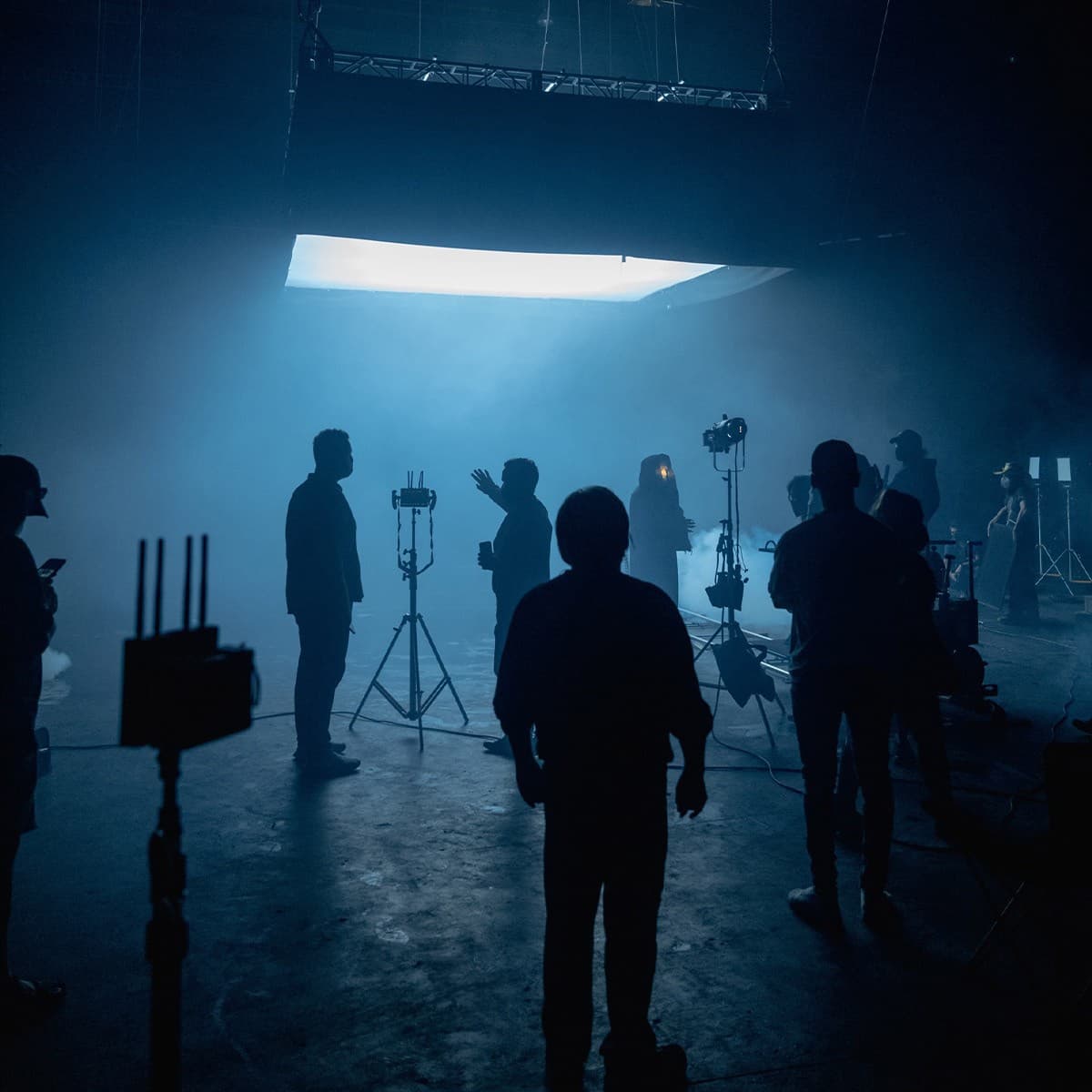
The art department foreman—also called the set construction foreman, head carpenter, or lead carpenter—is the on-the-floor supervisor of the construction crew building sets for film and television productions. Where the construction coordinator manages the big picture (budgets, scheduling, vendor relationships), the art department foreman is the hands-on leader who makes it happen in the shop or on stage every day.
In practice, the art department foreman walks the floor with carpenters, laborers, painters, and scenic artists—directing the work, troubleshooting build problems, and making sure the construction coordinator's plan becomes physical reality on schedule and on budget. It is a leadership role built on deep craft knowledge: you cannot effectively direct carpenters if you do not understand carpentry at a journeyman level yourself.
Where the Art Department Foreman Fits
The film art department is a large, interdisciplinary team that turns a production designer's vision into tangible environments. The construction sub-department sits at the center of that process. The reporting chain looks like this:
- Production Designer — creative lead, establishes the visual language of the film
- Art Director — executes the production designer's drawings into buildable plans
- Construction Coordinator — manages the construction department: budget, labor, materials, schedule
- Art Department Foreman — supervises the daily work of carpenters, painters, and laborers on stage and on location
- Journeyman Carpenters, Laborers, Painters — skilled tradespeople building the sets
The foreman is the connective tissue between the coordinator upstairs and the crew on the floor. Production cannot build sets efficiently without a foreman who communicates clearly in both directions.
Art Foreman vs. Leadperson
These two titles are sometimes confused. The leadperson (or lead person) is the foreman of the set dressing crew—they report to the set decorator and supervise the swing gang that dresses and strikes sets with furniture, props, and decorative elements. The art department foreman (head carpenter) supervises the construction crew that actually builds the set structures. Both are foreman-level roles but they cover entirely different skill sets and union jurisdictions.
Why This Role Matters for Productions
Film and television production timelines are brutal. A feature might have dozens of sets that need to be built simultaneously across multiple stages, and mistakes cost real money. An experienced art department foreman keeps quality high, safety compliance on track, and the build schedule moving. For production managers tracking every dollar, having a strong foreman is one of the highest-leverage hires in the art department budget. Tools like Saturation.io help production accountants and coordinators track these labor costs in real time, giving the whole team visibility into construction spend as it happens.
Role & Responsibilities
Core Responsibilities of an Art Department Foreman
The art department foreman wears multiple hats every day on a production. The role blends hands-on craft supervision with project management, crew leadership, and safety enforcement. Here is a detailed breakdown of what the job actually involves.
Daily Crew Supervision on Stage and Location
The most visible part of the job is floor supervision. The foreman arrives before the crew, reviews the day's build plan, and assigns specific tasks to individual carpenters, laborers, and painters. On a large production, this might mean coordinating 20 to 40 union tradespeople working on multiple sets simultaneously across a studio lot. The foreman walks constantly—checking quality, solving problems, and keeping the crew on pace with the schedule.
When shooting moves to a location (a practical building, an exterior site, or a distant stage), the foreman travels with the construction crew to manage the build and strike on location. This often involves additional logistics: coordinating with local IATSE chapters, managing travel, and adapting builds to the constraints of a real environment rather than a controlled soundstage.
Blueprint Reading and Construction Direction
Art directors and set designers produce detailed technical drawings—floor plans, elevations, sections, and detail drawings—that translate the production designer's concepts into buildable structures. The art department foreman must read and interpret these drawings accurately, translate them into specific work assignments, and identify any constructability issues before they become expensive problems on the floor.
When the drawings contain ambiguities or errors (which happens regularly on fast-moving productions), the foreman is the first line of communication back to the art director. A foreman who can read drawings quickly and communicate intelligently with the art department saves significant time and money.
Quality Control and Safety Compliance
Sets must be structurally sound, properly finished, and safe for actors, camera crews, and other production personnel to work on. The foreman is responsible for enforcing construction quality standards and ensuring that completed work matches the design intent. This includes:
- Inspecting joinery, framing, and structural connections before sets are painted and dressed
- Ensuring OSHA regulations are followed for elevated work platforms, power tools, and material handling
- Coordinating safety walkthrough of completed sets with the construction coordinator before the shooting crew arrives
- Managing proper storage and use of flammable materials (paints, solvents, adhesives)
- Enforcing PPE requirements (eye protection, hard hats in appropriate areas, hearing protection during loud operations)
Schedule Coordination with the Construction Coordinator
The construction coordinator sets the master schedule for the entire construction department. The art department foreman executes that schedule at the crew level. In daily practice, this means:
- Attending morning coordination meetings with the construction coordinator and art director
- Reporting crew progress at the end of each day
- Flagging schedule risks early when a set is running behind
- Adjusting crew assignments to pull resources toward critical-path sets
- Communicating overtime or additional labor needs to the coordinator before they become emergencies
Crew Timesheet Management
On most union productions, the art department foreman is responsible for collecting and approving crew timecards each day. This includes verifying hours worked, meal penalty calculations, overtime triggers, and kit rental allowances. Accurate timecard management is critical: errors create labor disputes, cost overruns, and accounting problems that ripple through the production budget.
Many productions now use digital timecard and expense platforms to streamline this process. The foreman needs to be comfortable with these systems and understand the basic union contract rules governing how hours are tracked and paid.
Materials and Equipment Coordination
Sets require enormous quantities of lumber, steel, hardware, foam, fabric, paint, and specialty materials. The foreman works with the construction coordinator and buyers to time material deliveries so the crew always has what they need without the stage becoming dangerously cluttered. When deliveries arrive, the foreman oversees receiving, inspects materials for quality and correct specification, and organizes storage for efficient workflow.
Equipment management is equally important. The foreman tracks the condition of power tools, lifts, compressors, and specialty equipment, ensures preventive maintenance is performed, and reports any equipment failures immediately to avoid crew downtime.
Problem-Solving Under Pressure
Film production is inherently unpredictable. Scripts change, sets get redesigned mid-build, schedules compress, and materials arrive late or wrong. The art department foreman is the person on the floor who must solve these problems in real time—improvising solutions, redeploying crew, and communicating changes to the coordinator—without stopping production momentum. This capacity for calm, practical problem-solving under pressure is what separates excellent foremen from adequate ones.
Strike and Wrap
When a set is no longer needed, the foreman supervises its safe demolition and the proper disposal or recycling of materials. Strike efficiency matters because soundstage rental is expensive and the next set often needs to go up immediately. A well-organized foreman ensures strikes happen quickly and safely, with salvageable materials sorted for reuse and hazardous materials properly disposed of.
Skills Required
Skills Required to Work as an Art Department Foreman
Art department foremen sit at the intersection of skilled trades, project management, and crew leadership. The job demands competency across a broad range of both technical and interpersonal skills. Here is what production coordinators and construction coordinators look for when filling this role.
Carpentry Expertise at Journeyman Level
This is the non-negotiable foundation. Foremen must understand carpentry deeply enough to evaluate work quality, identify construction defects, read technical drawings, and give accurate direction to their crew. Key technical knowledge includes:
- Structural framing — platform construction, stud wall framing, header and beam sizing, load path principles
- Finish carpentry — millwork, trim, paneling, countertops, and decorative elements that will be scrutinized on camera
- Scenic construction techniques — flats, soft-covered walls, breakaways, forced perspective builds, wild walls, and other film-specific construction methods not typically used in commercial construction
- Material knowledge — lumber species and grading, sheet goods (plywood, MDF, Lauan), foam, steel, and the properties of specialty materials used in set construction
- Fastening systems — nails, screws, bolts, adhesives, pneumatic fasteners, and when each is appropriate for structural vs. finish applications
Blueprint and Technical Drawing Interpretation
Art directors produce detailed construction drawings that the foreman must translate into work assignments. This requires:
- Reading architectural floor plans, elevations, sections, and detail drawings
- Understanding scale and how to apply dimensions from drawings to physical construction
- Identifying and flagging conflicts or ambiguities in drawings before they cause expensive problems on the floor
- Communicating with art directors and set designers about constructability issues in professional, technical terms
Crew Leadership and Management
Leading a construction crew of 10 to 40 experienced tradespeople requires a distinct set of interpersonal skills:
- Clear task assignment — breaking a day's work plan into specific, achievable assignments for individual crew members
- Performance feedback — addressing quality issues or unsafe practices directly, professionally, and without creating unnecessary conflict
- Conflict resolution — managing crew disputes that arise from personality clashes, workload disagreements, or union jurisdiction questions
- Motivation — keeping crew energy and quality high through the long hours and production pressure that characterize film work
- Union relations — understanding union contract rules well enough to avoid inadvertently violating them, and handling grievances appropriately when they arise
Scheduling and Workflow Management
The foreman executes the construction coordinator's master schedule at the crew level. This requires:
- Understanding which sets are on the critical path and prioritizing crew accordingly
- Recognizing when a build is falling behind and communicating this proactively rather than discovering it too late to recover
- Adjusting daily crew assignments fluidly as priorities shift with script changes or shoot schedule modifications
- Managing multi-stage concurrent builds where different sets are in different phases simultaneously
OSHA Safety Compliance
Film sets are active construction environments with real hazard risks. The art department foreman is responsible for safety on the construction floor. Essential safety knowledge includes:
- OSHA 10 or OSHA 30 certification (commonly required on studio productions)
- Fall protection requirements for elevated platforms and lifts
- Proper use of aerial work platforms (scissor lifts, boom lifts) — many productions require specific certifications
- Hazard communication (HazCom/GHS) requirements for chemical products used in scenic work
- Tool safety standards for power saws, nail guns, routers, and other high-risk tools
- Emergency procedures and first aid response on a production set
Communication Between Departments
The art department foreman translates information between two worlds: the artistic language of the production design team and the practical language of the construction crew. This communication skill is critical. A foreman who can speak clearly with art directors about design intent and then turn around and give specific, actionable direction to carpenters is worth far more to a production than someone who only understands one side of that conversation.
Communication also extends horizontally to other departments: coordinating with the prop master about items that are built vs. found, with the set decorator about when sets will be ready for dressing, with the transportation department about equipment moves, and with the location manager about construction permits and site restoration requirements.
Problem-Solving and Adaptability
Production conditions change constantly. The ability to improvise practical solutions—whether it is redesigning a structural element that is not working, sourcing a replacement material at short notice, or restructuring the day's work plan when a key crew member calls in sick—is one of the most valuable traits a foreman can have. Productions value foremen who bring solutions, not just problems, to the coordinator's attention.
Financial Awareness and Timecard Accuracy
Foremen are responsible for crew timecards, which means they must understand the union contract rules governing overtime, meal penalties, turnaround violations, and kit rentals. An accurate timecard reduces payroll disputes and keeps the construction budget on track. Some foremen work closely with the production accountant on labor cost tracking; familiarity with production budgeting software or digital timecard systems is an increasingly useful skill in modern productions.
Salary Guide
Art Department Foreman Salary Guide
Art department foreman compensation in film and television is primarily governed by union contracts (IATSE) in major markets, with significant variation based on market, production type, and budget level. Here is a comprehensive breakdown of what foremen earn and what drives the variation.
IATSE Local 44 — Theatrical Feature Film Rates (Los Angeles)
In Los Angeles, art department construction work falls under the jurisdiction of IATSE Local 44 (Affiliated Property Craftspersons). The 2024–2027 Basic Agreement sets minimum rates for covered positions. For the Construction, Paint and Scenic category:
- Construction Foreman (Foreperson) — Aug 4, 2024 to Aug 2, 2025: approximately $50.68/hour under the IATSE Area Standards Agreement
- Construction Foreman (Foreperson) — Aug 3, 2025 to Aug 1, 2026: approximately $52.71/hour (approximately 4% annual increase per the 2024–2027 IATSE Basic Agreement MOA)
- Weekly equivalent (5-day, 8-hour schedule): approximately $2,027–$2,108/week at the minimum rate before overtime
These are minimums. Experienced foremen on major studio productions regularly negotiate above-scale rates. On large-budget features, foreman rates of $55–$70/hour and above are common, reflecting the production's need for experienced leadership.
Key additional pay elements under union contracts:
- Overtime: Time-and-a-half after 8 hours in a day; double-time after 12 hours (varies by local and production type)
- Meal penalties: Triggered when the production fails to provide a meal break within the contractually specified window
- Kit rental: Some foremen carry specialty tools and receive a weekly kit rental allowance negotiated individually
- Health and pension contributions: IATSE-covered productions make contributions to the IATSE National Benefit Funds on behalf of covered crew — one of the most significant benefits of union membership
IATSE Area Standards Agreement (Non-LA Markets)
Productions shooting outside Los Angeles in markets covered by the IATSE Area Standards Agreement (ASA) use a separate wage schedule. For Construction, Paint and Scenic Foreman positions under the ASA:
- Aug 4, 2024 – Aug 2, 2025: $50.68/hour for pilots, long-form productions, and first-year episodic series
- Aug 3, 2025 – Aug 1, 2026: $52.71/hour
The ASA applies in many secondary markets. Local union chapters in New York (Local 52), Chicago, Atlanta, and other major production markets may have different rates under their own agreements.
Annual Income Estimates by Production Type
Annual income for art department foremen varies significantly based on how consistently they work and what type of productions they are on:
- Studio Feature Film (Steady work): $90,000–$140,000/year. Long features with heavy set builds keep foremen employed for 6–12 months on a single production.
- Network/Streaming Television (Episodic): $85,000–$130,000/year. Episodic series provide the most consistent employment — a foreman on a multi-season show can work 10–11 months annually.
- Commercial Production: $75,000–$110,000/year. Commercials typically have shorter builds but can have multiple productions per year. Day rates on commercials are often higher per day but work is less continuous.
- Independent and Low-Budget Feature: $50,000–$80,000/year (often non-union, lower day rates). Entry-level foremen often start on low-budget work to build the experience needed to enter the union and work on larger productions.
Geographic Pay Variation
Market location significantly affects total compensation:
- Los Angeles: Highest baseline rates due to Local 44 scale; concentrated production volume provides more consistent work
- New York: Comparable rates under Local 52; strong commercial and television market
- Atlanta: Growing market due to Georgia tax incentives; competitive rates but historically below LA/NY scales
- New Mexico, New Orleans, Vancouver (US productions): Active production markets with competitive union rates; some non-union work at lower rates
- Non-major markets: Lower day rates, less consistent work, often non-union
Comparison to Related Positions
To put foreman pay in context relative to adjacent art department roles:
- Journeyman Carpenter: $38–$48/hour (union minimum) — the foreman premium reflects leadership responsibilities
- Construction Coordinator: $6,000–$10,000+/week on major studio productions (weekly scale, not hourly) — the coordinator earns significantly more and carries broader production responsibility
- Production Designer: Negotiated deal, often $5,000–$15,000+/week on studio features — a creative head-of-department role with a completely different compensation model
BLS Context: Construction Foreman and Related Occupations
The U.S. Bureau of Labor Statistics does not separately track "film art department foreman" as an occupation, but related BLS data provides useful context. According to BLS Occupational Employment Statistics, the median annual wage for First-Line Supervisors of Construction Trades Workers (SOC 47-1011) was approximately $77,000 nationally as of the most recent survey. Film and television construction foremen in major markets typically earn at or above this figure due to union contracts and the premium placed on experienced production crew.
How to Increase Your Earning Potential as a Foreman
- Get union: IATSE scale rates are meaningfully higher than typical non-union day rates, and the benefit fund contributions (health, pension) add substantial value beyond the hourly rate
- Build relationships with coordinators on large-budget productions: A steady relationship with a coordinator who works consistently on studio features is worth more than any other career variable
- Develop specialty skills: Foremen who understand steel fabrication, rigging, or specialty materials (forced perspective, forced-scale builds) can command premium rates for productions that need those capabilities
- Consider the construction coordinator track: The logical advancement from foreman is construction coordinator — a role that significantly increases both earning potential and production responsibility
FAQ
Frequently Asked Questions About Art Department Foreman
What does an art department foreman do on a film set?
An art department foreman (also called head carpenter or set construction foreman) supervises the construction crew that builds sets for a film or television production. On a day-to-day basis, this means directing carpenters, laborers, and painters on the construction floor, reading and interpreting technical drawings from the art director, enforcing quality standards and safety compliance, managing crew timecards, and coordinating material deliveries. The foreman is the link between the construction coordinator (who manages the overall construction department) and the crew doing the physical work.
What is the difference between an art department foreman and a construction coordinator?
The construction coordinator manages the entire construction department at the production level: budgets, scheduling, vendor relationships, hiring, and communication with the production designer and art director. The art department foreman (head carpenter) is the floor supervisor who executes the coordinator's plan with the actual crew. Think of the coordinator as the project manager and the foreman as the site supervisor. On larger productions, both roles are essential. On very small productions, the coordinator may also serve as the working foreman.
How much does a film art department foreman make?
In Los Angeles under IATSE Local 44's 2024–2027 agreement, construction foremen earn approximately $50.68–$52.71/hour at minimum scale. In practice, experienced foremen on studio features often negotiate above-scale rates of $55–$70/hour. Annual income varies widely based on how consistently a foreman works and what productions they are on: foremen with steady studio work typically earn $90,000–$140,000/year. The role also includes IATSE health and pension benefits, which add significant value beyond the hourly rate.
How do I become an art department foreman in film?
The standard path: start as a journeyman carpenter (either through an IATSE apprenticeship or by working non-union on lower-budget productions first), build deep craft skills and a strong reputation over several years, develop relationships with construction coordinators, and advance to foreman responsibilities when a coordinator offers you that role. There is no single degree that leads to this job—it is a craft-and-experience path. IATSE union membership through Local 44 (Los Angeles), Local 52 (New York), or your regional local is effectively required for work on major studio productions.
Is an art department foreman a union position?
On major studio feature films and television productions, yes—art department foreman is a union position covered by IATSE. In Los Angeles, Local 44 (Affiliated Property Craftspersons) represents this role. In New York, Local 52 is the relevant union. On lower-budget, independent, and non-union productions, foremen may work as non-union crew, typically at lower rates and without the health and pension benefits that IATSE contracts provide. Most experienced foremen strongly prefer union work for both compensation and benefits reasons.
What is the difference between an art foreman and a leadperson?
These are distinct roles. The leadperson (or lead person) is the foreman of the set dressing crew—they report to the set decorator and supervise the swing gang that installs furniture, props, and decorative elements onto completed sets. The art department foreman (head carpenter) supervises the construction crew that builds the actual set structures. Both are department-level supervisory roles, but they cover completely different work: construction (building) vs. dressing (decorating).
What skills do I need to work as an art department foreman?
Core skills include: journeyman-level carpentry expertise, blueprint and technical drawing reading, crew leadership and management, OSHA safety compliance knowledge, scheduling and workflow management, clear communication between the art department and construction crew, and accurate timecard management. Strong problem-solving ability is essential—production schedules are demanding and challenges arise daily. IATSE union membership is required for major productions in most US markets.
What career path comes after art department foreman?
The most natural advancement from art department foreman is construction coordinator, which carries significantly higher compensation and broader department-level responsibility. From construction coordinator, some professionals move toward production design, which requires developing design skills alongside construction expertise. Others build careers as freelance foremen on high-budget productions, developing enough coordinator relationships to work consistently without changing titles. The foreman role itself can be a long-term career position—experienced foremen with strong reputations are in consistent demand on major productions.
Education
How to Become an Art Department Foreman in Film
There is no single degree program that trains art department foremen—this role is reached through years of hands-on craft experience, progressive union membership, and demonstrated leadership ability on productions. Here is the typical path.
Foundational Trade Skills: Carpentry and Construction
The overwhelming majority of art department foremen began as carpenters—either through a traditional construction apprenticeship, a theatrical carpentry program, or direct entry into production work as a laborer who learned on the job. The craft knowledge required is real and deep:
- Framing and structural carpentry (platform construction, wall framing, column and header systems)
- Finish carpentry and millwork (moldings, paneling, decorative elements that camera will see closely)
- Metal fabrication basics (welding, tube steel, rebar—increasingly common on large productions)
- Scenic painting fundamentals (you do not need to be a painter, but you must understand what painters need from the structures you build)
- Rigging and hardware (how sets are supported, braced, and flown on stage)
Formal Education Options
While not required, formal education can accelerate the path to a foreman position by building technical drawing skills and broadening craft knowledge:
- Community college construction management programs — provide blueprint reading, project scheduling, and basic structural principles. Programs at institutions like Santa Monica College or Los Angeles Valley College are common entry points for aspiring LA-area film crew.
- Theater design and technology programs — universities and conservatories with strong technical theater programs (Yale School of Drama, Carnegie Mellon, CalArts, NYU Tisch) train scenic construction professionals who frequently transition to film production.
- Union apprenticeship programs — IATSE locals in major markets operate formal apprenticeship programs that combine on-the-job training with classroom instruction. These are highly competitive but provide the most direct path to union journeyman status.
- Vocational carpentry programs — trade schools offering carpentry certifications build the foundational hand-tool and power-tool skills that every film carpenter needs.
IATSE Local 44: The Union Path
In Los Angeles, art department construction work—including foreman positions—is represented by IATSE Local 44 (Affiliated Property Craftspersons). Local 44 covers a wide range of art department positions including construction coordinators, property masters, set decorators, and their respective crews. Becoming a Local 44 member is the standard path to steady, well-compensated work on major film and television productions in the LA market.
The typical membership path:
- Work non-union on lower-budget productions, student films, or commercial productions to build experience and connections
- Accumulate qualifying industry hours — IATSE locals have specific experience requirements for membership eligibility
- Apply for union membership with proof of qualifying hours and recommendations from existing members
- Work as a journeyman and build your reputation on productions until you are offered foreman responsibilities
- Advance to foreman — typically based on demonstrated leadership ability, craft expertise, and coordinator relationships
In New York, similar construction work is covered by IATSE Local 52. Other major markets have their own locals with comparable structures. Working in multiple markets requires understanding the jurisdiction rules of each local.
Building Relationships That Lead to Foreman Positions
In the film industry, who you know matters as much as what you know. Construction coordinators hire foremen they trust—people they have worked with before who they know can manage a crew. The practical path to a first foreman job almost always runs through an existing relationship with a coordinator who gives you an opportunity when they need to fill that role. This means:
- Being reliable, skilled, and easy to work with as a journeyman carpenter builds the reputation that leads to offers
- Volunteering for additional responsibilities (timecards, materials receiving, crew scheduling) signals that you want to move up
- Treating every production as a networking opportunity—the coordinator you impress on a small commercial may need a foreman on their next studio feature
Leadership Development
Technical skill is necessary but not sufficient for a foreman role. You also need to develop genuine leadership capabilities: the ability to give clear direction to experienced tradespeople, manage interpersonal conflict, communicate professionally with the art department hierarchy, and stay calm under production pressure. Many aspiring foremen supplement their craft experience with management books, leadership courses, or mentorship from experienced foremen who are willing to share how they approach crew management.
































Budget Templates
Budget crew costs with confidence
Use Saturation to build budgets with accurate crew rates, fringes, and union scales.
Try Free Budget Tool