What is a Assistant Lighting Technician?
Overview
What Is an Assistant Lighting Technician?
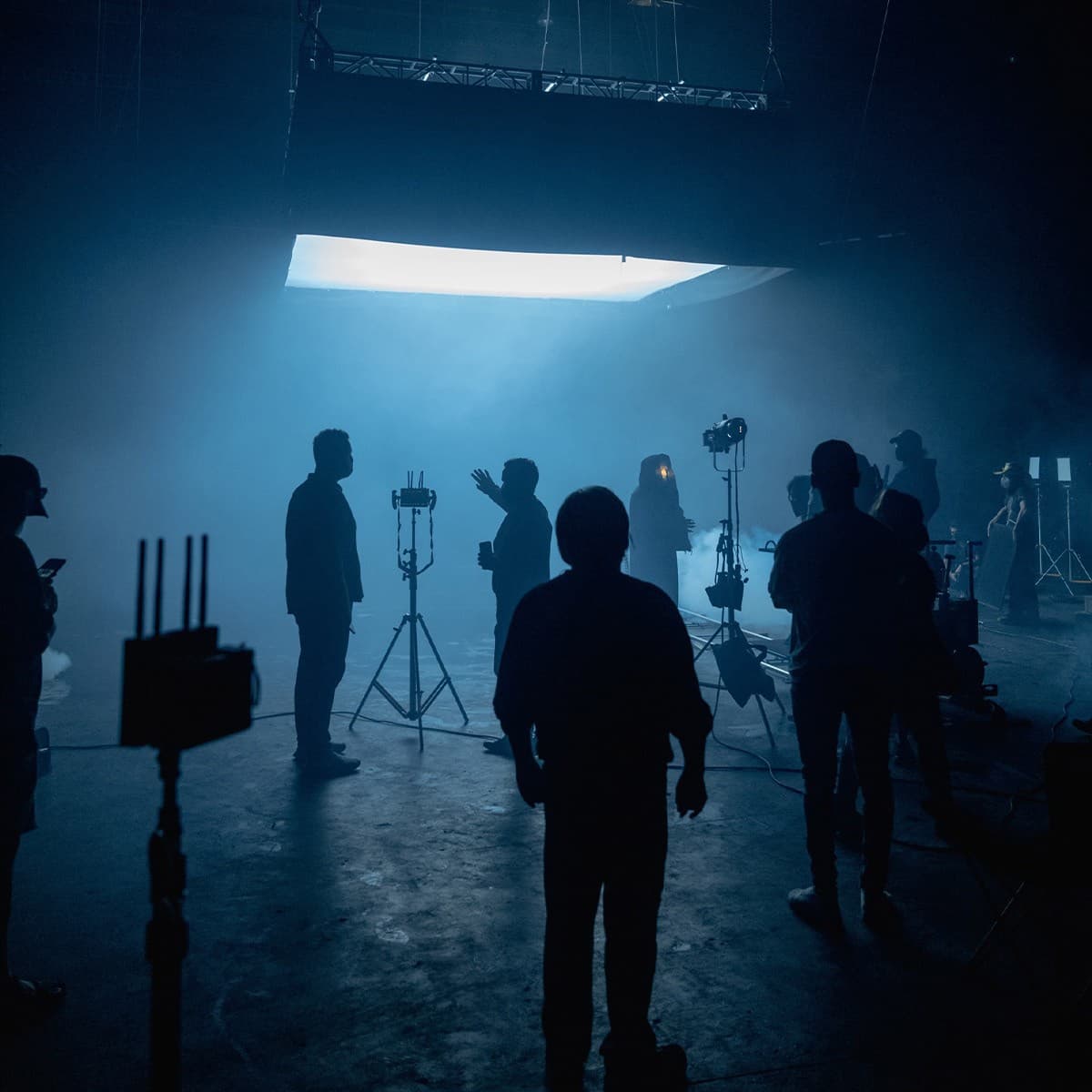
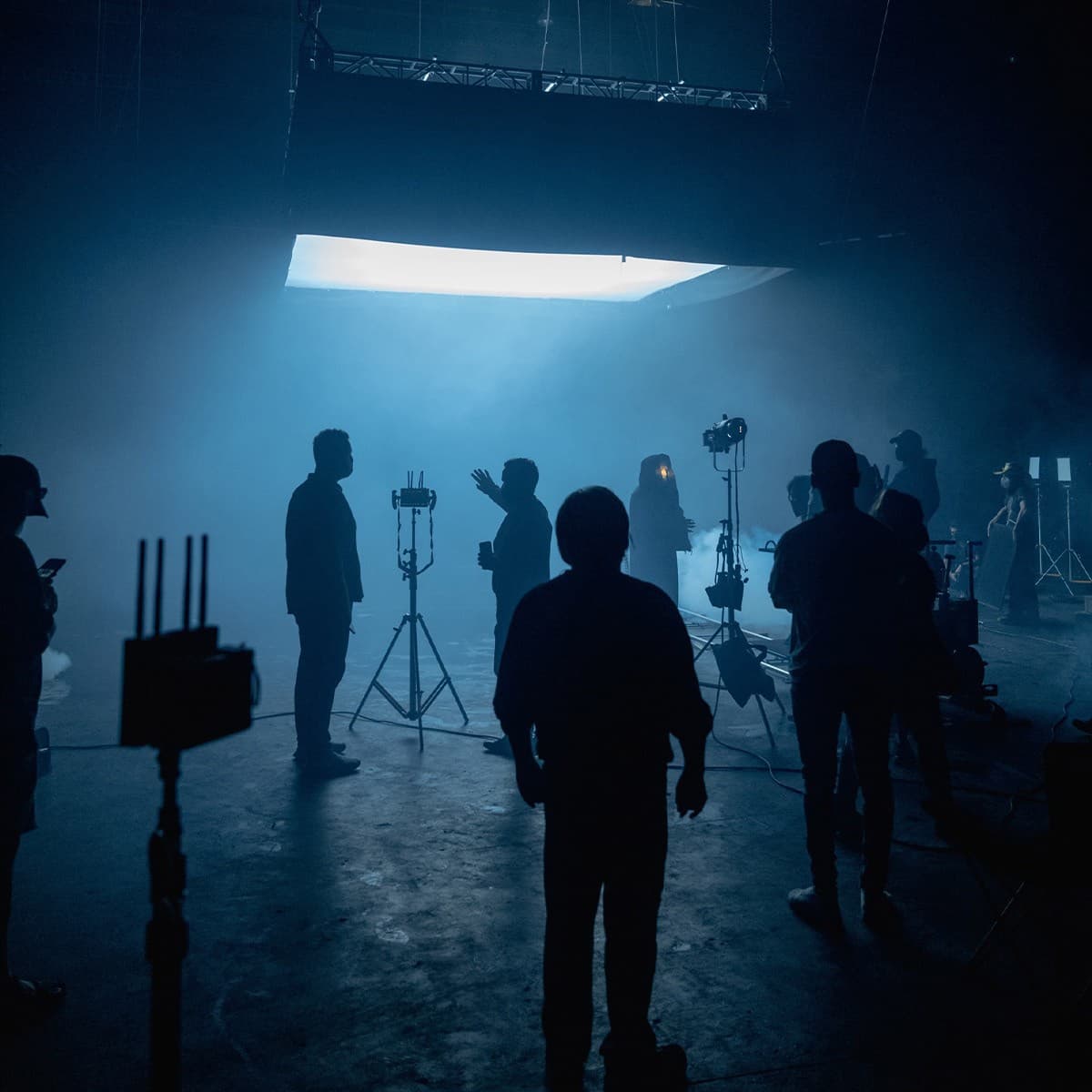
An assistant lighting technician — also called a lamp operator, set lighting technician, or juicer — is an entry-to-mid-level crew member in the electric department on film, television, and commercial productions. Working directly under the best boy electric and gaffer, assistant lighting technicians are the hands-on workers who physically place, rig, power, and strike every light that appears on a film set.
The electric department is responsible for all things powered on set: from the biggest 18K HMI parked outside a window to the smallest practical lamp wired inside a prop refrigerator. Assistant lighting technicians are the crew members who execute those plans. Without them, no light reaches the camera — and the camera cannot roll.
Alternative Titles: Lamp Operator, Juicer, Set Lighting Tech
The film industry uses several terms interchangeably for this role:
- Lamp Operator (Lamp Op): The most common union classification under IATSE Local 728 in Los Angeles. Used in studio and episodic television contracts.
- Set Lighting Technician: Broader term used in below-the-line crew lists and production call sheets, common in features and independent productions.
- Juicer: Long-standing industry slang derived from the role's work with electrical current ("juice"). Heard most often on set and among crew, rarely on official paperwork.
- Spark: Common in the UK film industry and on international co-productions. Used the same way "juicer" is used in North America.
- Best Boy Electric: One level up from assistant lighting technician. The best boy is the department's logistics manager, so this title is distinct — but many assistant lighting technicians aspire to it.
Where the Role Sits in the Electric Department Hierarchy
The lighting and electric department has a clear chain of command:
- Director of Photography (DP/Cinematographer): Defines the visual language and lighting concept.
- Gaffer (Chief Lighting Technician): Translates the DP's vision into a practical lighting plan and leads the department.
- Best Boy Electric (Assistant Chief Lighting Technician): Manages crew scheduling, truck inventory, equipment orders, and logistics for the gaffer.
- Assistant Lighting Technician / Lamp Operator: Physically executes the lighting plan — placing, rigging, operating, and striking fixtures.
- Lighting Trainee / Electric PA: Entry-level support, learning on the job under the lamp operators.
The assistant lighting technician is where most electric department careers begin. It is the role that teaches the craft of set lighting through direct, daily experience.
Why Production Management Matters for Electric Departments
Managing a complex shoot with multiple lamp operators, rental equipment, and daily lighting plans requires tight coordination. Production teams using Saturation.io can track electric department expenses, equipment rentals, and crew costs in real time — keeping the production budget accurate from prep through wrap.
Role & Responsibilities
Core Duties on a Film Set
The assistant lighting technician's day begins before camera and ends after the last light is struck and loaded onto the truck. On a feature or episodic television production, a typical lamp operator's responsibilities include:
Pre-Shoot Prep and Load-In
- Unloading and organizing the electric department truck under the best boy's direction
- Running distribution cable (socapex, banded cable, stingers) from the generator or building tie-in to the set
- Positioning stands, frames, and lighting fixtures per the gaffer's pre-light plan
- Assembling and installing condors, scissor lifts, and high rigging hardware for elevated fixtures
- Flagging, diffusing, and gelling lights with CTO, CTB, ND, silk, and muslin as directed
On-Set Operations
- Operating lights during camera rehearsals and takes — adjusting beam angles, barn doors, flags, and dimmers on cue
- Responding to immediate direction from the gaffer or best boy to modify lighting setups between shots
- Moving and repositioning entire lighting rigs as the camera moves through the set
- Operating condors and boom lifts to access high rigging positions (requires boom lift certification)
- Powering equipment up and down safely — proper sequencing to avoid damaging HMI ballasts or dimming hardware
- Troubleshooting basic electrical faults: blown fuses, tripped breakers, faulty connectors, intermittent practicals
- Managing noise discipline — silencing ballasts, fans, and generators when sound is rolling
Lighting Rigging and Special Setups
- Rigging lights overhead using speed rail, pipe clamps, C-47s, junior pins, and speed rings
- Setting up soft boxes, China balls, and practical lamp builds for interior scenes
- Building and wiring custom practical lighting effects in collaboration with the gaffer
- Rigging exterior setups: mounting lights to condors, cranes, or building facades for day-exterior and night-exterior shoots
- Coiling and managing cable on set to keep walkways clear and safe for cast and crew
Wrap and Load-Out
- Striking all lighting equipment safely at the end of each shooting day
- Pulling cable back from the set, coiling properly (over-under method), and returning to the truck
- Inventorying equipment against the rental manifest with the best boy electric
- Noting any damaged or missing equipment on rental return sheets
- Securing the truck for overnight storage
Collaboration With Other Departments
Assistant lighting technicians regularly coordinate with:
- Grip Department: Grips set the flags, frames, and c-stands that shape and control the light that lamp operators place. Close collaboration is essential for efficient setups.
- Art Department: Practical lamps built into sets are often wired and controlled by the electric department — lamp operators work with set dressers to make practicals camera-ready.
- Camera Department: Understanding where the camera is positioned and moving helps lamp operators keep their rigs out of frame and adjust quickly as shots change.
- Special Effects: Certain lighting effects (flame bars, explosions, flicker rigs) require coordination between SFX and the electric department for safety.
Day-to-Day Reality
The job is physically demanding. Lamp operators spend long days on their feet — often 12 to 14 hours — carrying heavy cable drums, climbing ladders, operating aerial lifts, and moving equipment in tight spaces. Early call times (before sunrise for day exterior shoots) and late wraps are the norm. It is one of the most physically active roles on a film crew, and also one of the most technically rich entry points into the industry.
Skills Required
Technical Skills Every Assistant Lighting Technician Needs
The electric department is one of the most technically demanding departments on a film set. A working lamp operator must be competent in electrical fundamentals, lighting equipment, rigging, and safety — all while working quickly under production pressure. Here is a breakdown of the essential skills:
Electrical Knowledge
- AC electrical fundamentals: Understanding voltage, current, resistance (Ohm's Law), and power (watts/amps) is non-negotiable. Lamp operators must calculate safe loads before plugging into any circuit — overloading a circuit is a serious safety hazard.
- Power distribution: Reading and working with distribution panels, dimmer racks, company switches (tie-ins), and portable power distribution units (PDUs). Understanding single-phase vs three-phase power and how to balance loads across legs.
- Cable and connector types: Proficiency with all standard production cable types — socapex (soca), banded 4/0 cable, stingers (household extension cords), Edison (NEMA 5-15), stage pin, Cee Form, Camlock, and Bates connectors.
- Generator operation basics: Understanding how to safely connect to a generator and distribute power, and knowing the limits of common production generators (typically 100A, 200A, or 400A three-phase units).
Lighting Equipment Proficiency
A competent lamp operator knows how to set up, operate, and troubleshoot all major fixture types:
- HMI (Hydrargyrum Medium-Arc Iodide) fixtures: The workhorse of exterior and large-interior setups. Common units include the 1.2K, 2.5K, 4K, 6K, and 18K Fresnel HMI. Lamp operators must understand ballast operation, flicker-free frequency settings, and safe lamp handling.
- LED fixtures: Increasingly dominant on modern productions. Common units include ARRI SkyPanel, Litepanels Gemini, Astera tubes, and Quasar Science fixtures. Understanding DMX control, CCT adjustment, and color rendering (CRI/TLCI) is increasingly required.
- Tungsten fixtures: Fresnels (1K, 2K, 5K, 10K), open-face units (Redhead, blonde), and PARs. Tungsten is less common on new productions but still seen on period pieces, practical builds, and low-budget shoots. Requires understanding of dimmer compatibility.
- Fluorescent and legacy fixtures: Kino Flos, LiteGear LiteRibbon, and older magazine-style fluorescent units still appear on sets. Understanding lamp type, ballast frequency, and color temperature consistency is important.
- Practical lights: Wiring and rigging practicals built into set dressing — table lamps, overhead practicals, neon signs, and custom builds. Requires understanding of lamp types (incandescent, LED, fluorescent) and safe wiring methods.
Lighting Modifiers and Control
- Grip and lighting accessories: Flags (single, double, black net), silks, muslin, show cards, bounce boards, and foam core. While grips set most of these, lamp operators must know how to call for and use modifiers on lighting fixtures.
- Gels and diffusion: Rosco and LEE gel systems — color correction (CTO, CTB, plus and minus green), diffusion (1/4, 1/2, full white diffusion, soft frost, grid cloth), and ND gels. Reading and cutting gels to size is a daily task.
- DMX control basics: Understanding DMX addressing, universe structure, and using basic DMX control boards or tablets (ETC Eos, MA Lighting, or simpler DMX apps) to control dimmable LED fixtures on set.
Rigging Skills
- Speed rail and pipe rigging: Building overhead rigs using speed rail, pipe clamps, baby plate clamps, and junior receiver mounts. Understanding load capacity and safe rigging practices for suspended fixtures.
- Knots and lashing: Bowline, clove hitch, and round turn with two half hitches for securing lights, cable, and rigging components safely.
- Condor and scissor lift operation: Safely operating boom lifts (condors) and scissor lifts to reach high rigging positions. Most productions require formal aerial work platform certification (ANSI/IPAF).
- Stand and hardware operation: Competent use of all lighting stand types — C-stands, baby stands, junior stands, pipe stands, offset arms, and extension arms. Proper sandbagging technique to prevent tip-overs is a safety fundamental.
Safety Knowledge
- OSHA electrical safety: Understanding OSHA 1910 (General Industry) and 1926 (Construction) electrical standards, lockout/tagout procedures, and personal protective equipment (PPE) requirements for electrical work.
- Ladder safety: OSHA ladder safety standards, proper setup, three-point contact, and maximum load ratings. Extension ladders and A-frame ladders are used daily.
- Ground fault protection: Use of GFCIs (Ground Fault Circuit Interrupters) on location when working with water, outdoors, or in areas without ground fault protection built into the building's electrical system.
- Heat management: Tungsten and HMI fixtures produce intense heat. Safe minimum distances, proper ventilation, and handling of hot fixtures (using gloves, waiting for cool-down) are essential.
Soft Skills and Physical Requirements
- Physical stamina for 12-14 hour days involving heavy lifting (cable drums weigh 50-100+ lbs), climbing, and constant movement
- Ability to work quickly and quietly on set during takes
- Strong communication skills — receiving clear direction from the best boy and gaffer and relaying information to other lamp operators
- Problem-solving under pressure: when a light fails or a circuit trips mid-setup, lamp operators troubleshoot and fix it fast
- Attention to detail: a misplaced flag or improperly secured sandbag can ruin a shot or cause an accident
Salary Guide
Assistant Lighting Technician Salary Overview
Earnings for assistant lighting technicians vary significantly based on union status, production type, market, and experience level. The range spans from $200/day on a student film to over $500/day on a major studio production — and higher still on union commercials.
Non-Union Day Rates
On independent films, music videos, and non-union commercial productions, assistant lighting technician rates are typically negotiated directly:
- Entry-level / student films: $100-$175/day (often deferred or unpaid on micro-budget productions)
- Low-budget independent: $200-$275/day
- Mid-budget independent / non-union commercial: $275-$375/day
- Higher-budget non-union or "modified" union: $375-$450/day
Non-union rates are not standardized and are always negotiated before the shoot. More experienced lamp operators with strong referrals from gaffers consistently command the higher end of these ranges.
IATSE Local 728 Union Rates (Los Angeles Studio Productions)
IATSE Local 728 sets minimum wage scales for lighting technicians working on studio-signatory productions in the Los Angeles area. The most current publicly available base rates for Lamp Operators are approximately:
- Studio Lamp Operator (CLT — Contract Lighting Technician): $55-$60/hour base rate
- Weekly rate (40-hour guarantee): Approximately $2,200-$2,400/week minimum before overtime
- Daily rate (on daily-hire contracts): Approximately $500-$550/day (8-hour guarantee)
Overtime on union productions is calculated at 1.5x after 8 hours and 2x after 12 hours. On a typical 12-hour union day, total daily earnings including overtime often reach $700-$900 or higher. Union contracts also include pension and health contributions paid by the production company on top of wages.
For the most current IATSE Local 728 rate sheets, visit the Bureau of Labor Statistics Lighting Technicians wage data and contact Local 728 directly for current contract minimums.
IATSE Local 52 Rates (New York)
New York productions fall under IATSE Local 52, which represents motion picture set crafts. Lamp operator rates in New York are comparable to Los Angeles rates for studio-signatory productions and slightly higher for some commercial contracts due to New York's higher cost of living and strong commercial market.
Market Comparison: LA, New York, Atlanta
Market
Union Local
Non-Union Range
Union Base Rate
Los Angeles
IATSE 728
$200-$450/day
$55-$60/hr
New York
IATSE 52
$225-$475/day
$55-$65/hr
Atlanta
IATSE 479
$175-$375/day
$45-$55/hr
Other markets
Local varies
$150-$350/day
$40-$55/hr
Annual Income Estimates
Film and television crew work is typically freelance and project-based, so annual income depends heavily on how consistently a lamp operator books work:
- Entry-level (50-100 days/year): $15,000-$35,000/year
- Mid-level non-union (100-150 days/year): $35,000-$65,000/year
- Experienced non-union (150-200 days/year): $55,000-$90,000/year
- Union lamp operator (full schedule, studio): $90,000-$140,000+/year including overtime and benefits
According to the Bureau of Labor Statistics, the median annual wage for lighting technicians across all industries (film, TV, theatre, live events) was approximately $51,000 in the most recent national survey, with the top 10% earning over $100,000.
Career Progression and Earning Growth
The career ladder in the electric department leads to significantly higher earnings:
- Lamp Operator / Assistant Lighting Tech: $30,000-$140,000/year depending on market and union status
- Best Boy Electric: $65,000-$175,000/year (union studio: $70-$80/hr+)
- Gaffer: $100,000-$300,000+/year depending on project budget and market
Most experienced lamp operators who actively build gaffer relationships and accumulate set experience reach best boy level within 5-8 years of consistent work.
FAQ
Frequently Asked Questions: Assistant Lighting Technician
What does an assistant lighting technician do on a film set?
An assistant lighting technician (also called a lamp operator or juicer) physically sets up, operates, and strikes all the lighting equipment on a film set. They work under the gaffer and best boy electric, placing and rigging lights per the gaffer's plan, running cable, diffusing and gelling fixtures, operating aerial lifts for high rigging, and pulling cable and loading equipment onto the truck at wrap. They are the crew members who make the gaffer's lighting vision a physical reality on set.
What is the difference between a lamp operator, a juicer, and an assistant lighting technician?
These three titles refer to the same job. "Lamp operator" is the official IATSE Local 728 classification for the role in the Los Angeles union system. "Juicer" is decades-old industry slang derived from working with electrical "juice" — current. "Assistant lighting technician" or "set lighting technician" is the general industry description used on call sheets and crew lists across all markets and budgets. In the UK, the equivalent is often called a "spark."
How is an assistant lighting technician different from a gaffer or best boy electric?
The gaffer is the department head — they design the lighting plan in collaboration with the Director of Photography and manage the entire electric department. The best boy electric is the gaffer's second-in-command and handles logistics: crew scheduling, equipment orders, truck management, and paperwork. The assistant lighting technician (lamp operator) is a working crew member who physically sets up and operates the equipment. They receive direction from both the gaffer and best boy, but focus on execution rather than design or management.
How much does an assistant lighting technician earn?
Non-union assistant lighting technicians typically earn $200-$450/day depending on production budget and market. Union lamp operators under IATSE Local 728 in Los Angeles earn approximately $55-$60/hour base rate, with a typical union shooting day (12 hours including overtime) generating $700-$900 or more in total earnings. Annual income ranges from $30,000/year for a lamp op just starting out to over $140,000/year for a consistently working union lamp operator on studio productions.
Do I need to join a union to work as an assistant lighting technician?
No. Many lamp operators work non-union throughout their careers on independent films, music videos, commercials, and branded content. However, joining an IATSE local (Local 728 in LA, Local 52 in New York, Local 479 in Atlanta, and others elsewhere) provides access to higher-paying studio productions, health and pension benefits, and structured wage protections. Union membership typically requires a track record of non-union production experience and a sponsorship or application process through the local union.
What equipment does an assistant lighting technician need to know?
A working lamp operator should be proficient with HMI fixtures (1.2K through 18K), LED panels (ARRI SkyPanel, Litepanels, Astera tubes), tungsten Fresnels and open-face units, power distribution systems (dimmer racks, PDUs, company switches), all standard cable and connector types (socapex, 4/0, stingers, Camlock, stage pin), and lighting modifiers (gels, diffusion, flags, silks). Boom lift certification is commonly required for positions involving high rigging.
How do I get my first job as an assistant lighting technician in film?
Most lamp operators start by working electric PA on student films and low-budget productions to build credits and relationships. From there, the path typically runs through electric PA work on indie productions → lamp operator on non-union projects → union apprenticeship or Taft-Hartley admission → union lamp operator. Key networking targets are gaffers and best boys in your local market — they hire lamp operators almost exclusively through personal referrals. Rental house experience at a lighting company like Cinelease or ARRI Rental is also a strong entry point.
Is being an assistant lighting technician physically demanding?
Yes. It is one of the most physically demanding roles on a film crew. Lamp operators regularly lift heavy cable drums (50-100+ lbs), climb ladders, operate aerial lifts, work in cramped or outdoor locations, and spend 12-14 hours on their feet. Early call times, late wraps, and consecutive shooting days are normal. Physical fitness, endurance, and the ability to work safely at heights are practical requirements of the job.
Education
Do You Need a Degree to Become an Assistant Lighting Technician?
No formal degree is required to work as an assistant lighting technician in film. The electric department is a craft trade: practical skill, on-set experience, and union membership matter far more than academic credentials. That said, formal training programs, apprenticeships, and community college courses can accelerate entry into the field significantly.
The Most Common Entry Path
Most working lamp operators reached the role through one of these routes:
- Student films and short films: The fastest way to gain hands-on experience. University film programs, local filmmaking communities, and platforms like ProductionHUB and Staff Me Up list unpaid and low-paid electric PA positions constantly. Working student and micro-budget shoots builds the technical vocabulary and muscle memory that union sets require.
- Electric Production Assistant: Entry-level paid work on professional sets. Electric PAs support the lamp operators and best boy with logistics, cable runs, and equipment movement. Many sets hire non-union electric PAs even when the department head is IATSE.
- Lighting rental house work: Working as a technician or prep tech at a lighting rental facility (like Keslow Camera, Cinelease, or Arri Rental) provides deep equipment knowledge — understanding every fixture, cable, and power distribution unit before you see them on set.
- Theatre and live event lighting: Stage lighting experience translates directly to film. Many working lamp operators came up through theatre, concerts, or corporate AV, then transitioned to film sets.
IATSE Local 728 Apprenticeship Program
In Los Angeles, the International Alliance of Theatrical Stage Employees (IATSE) Local 728 represents studio lighting technicians working on major studio productions. The Local 728 apprenticeship is the formal pathway into union lamp operator work on studio features and episodic television:
- Applicants must demonstrate prior industry experience (typically 30+ days on union productions as a non-union worker or in a related trade)
- The program runs approximately 2-3 years, combining on-the-job training with classroom instruction in electrical safety, rigging, and equipment operation
- Upon completion, graduates become "journeyman" lamp operators eligible for full union contract work at studio rates
- Los Angeles union members may also be covered by IATSE Local 80 (grip/electric crossover on some productions) depending on the project's contract
Other IATSE locals cover lighting technicians in New York (Local 52), Atlanta (Local 479), Chicago (Local 476), and other production markets. Each local has its own membership requirements, but the pathway is similar: demonstrate experience, apply, and work through the apprenticeship.
Relevant Formal Training Programs
While not required, the following programs prepare aspiring lamp operators with practical technical skills:
- Community College Film Production Programs: Schools like Los Angeles City College (LACC), Santa Monica College, and City College of San Francisco offer film production certificates covering lighting fundamentals, electrical safety, and equipment operation. These programs typically run 1-2 years and cost a fraction of a four-year degree.
- IATSE Training Trust Fund: IATSE's educational arm offers workshops, safety courses, and technical training programs available to both members and non-members at low or no cost. Topics include electrical safety, rigging certification, and equipment-specific training.
- Below-the-Line Film Schools: Programs like NYFA (New York Film Academy), Vancouver Film School, and Full Sail University include production crew training tracks that cover electric department basics in practical, set-simulation environments.
- Boom Lift and Aerial Work Platform Certification: OSHA-compliant certification for operating condors, scissor lifts, and boom lifts is often required for lamp operators on larger productions. The Occupational Safety and Health Administration (OSHA) and equipment manufacturers like JLG and Genie offer certification courses, typically taking one day to complete.
Getting Your First Electric Department Credit
Breaking in requires persistence and networking:
- Post on local filmmaker Facebook groups, Subreddits (r/Filmmakers, r/cinematography), and Discord servers offering to work electric on short films
- Attend industry events: IATSE local union halls, American Society of Cinematographers (ASC) events, local film commission networking events
- Contact local lighting rental houses directly — many have referral networks for crew looking for day-player work
- Build relationships with gaffers and best boys working in your market — these two roles hire their lamp operators by personal referral far more often than through job boards
- Keep a tight, updated resume listing every production, the gaffer or best boy you worked under, and the specific equipment you operated

























Budget Templates
Budget crew costs with confidence
Use Saturation to build budgets with accurate crew rates, fringes, and union scales.
Try Free Budget Tool