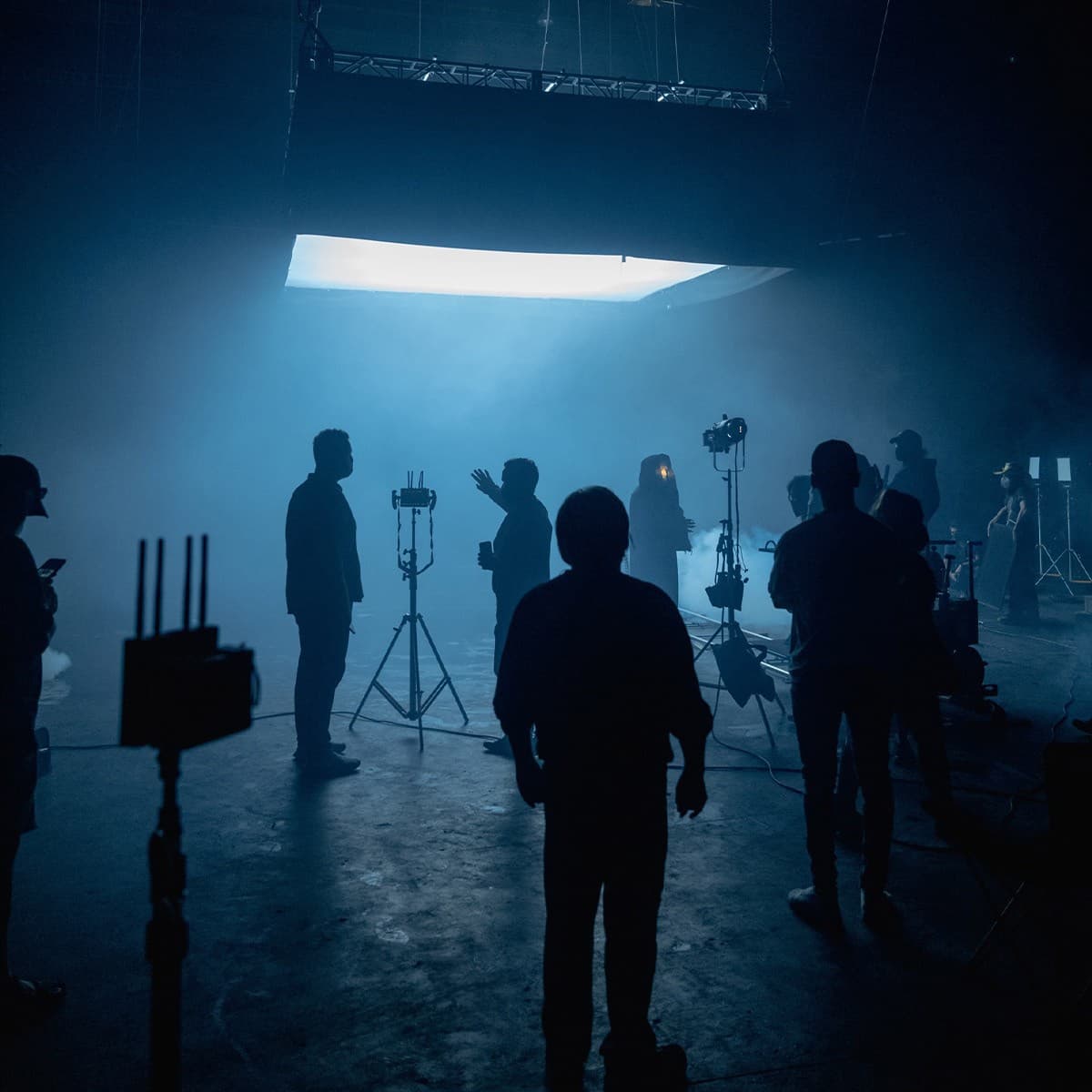
What is a Assistant Stunt Coordinator?
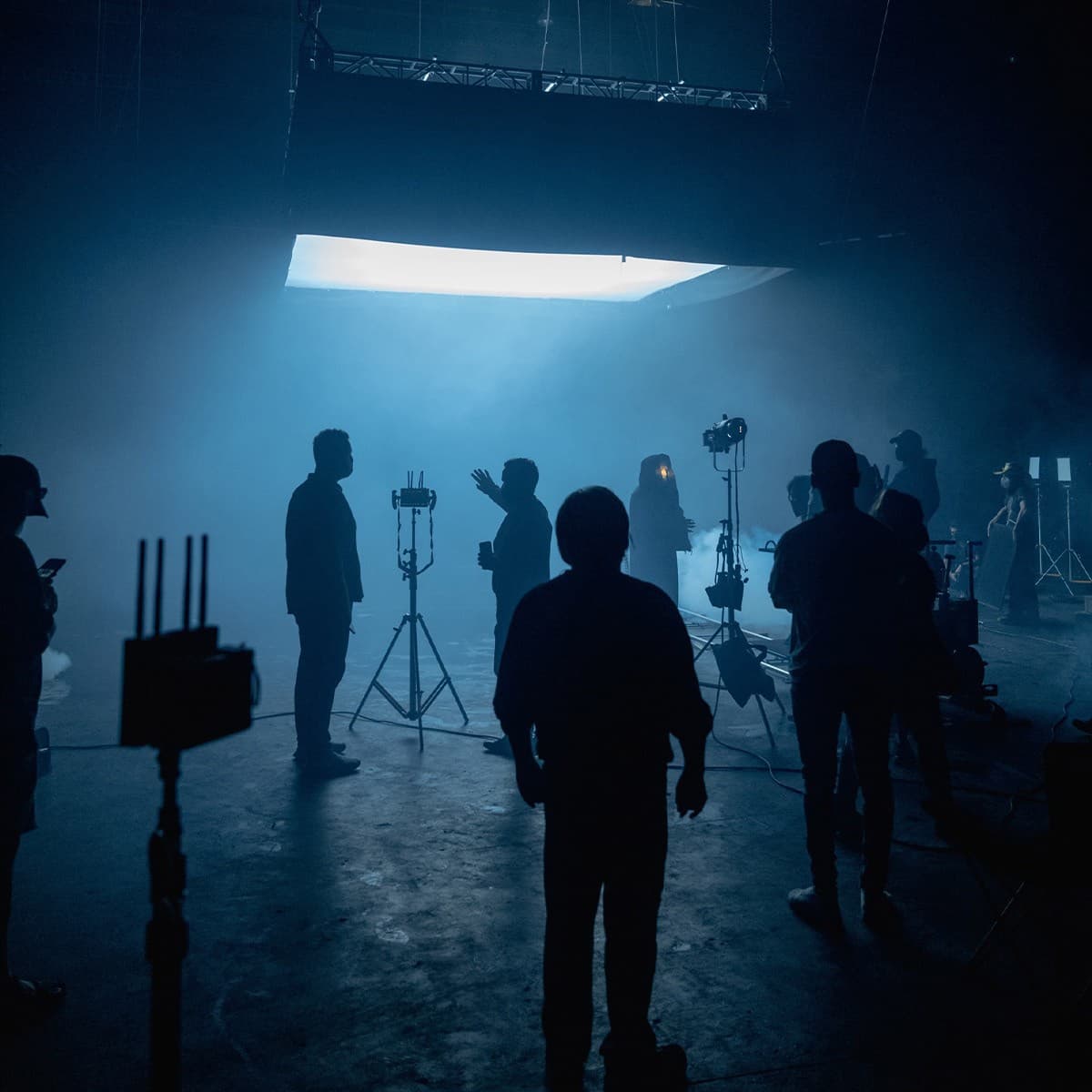
Overview
What Is an Assistant Stunt Coordinator?
The assistant stunt coordinator is the second-in-command of the stunt department on a film or television production. Working directly beneath the stunt coordinator, this professional bridges the gap between high-level stunt design and the on-the-ground execution that keeps cast and crew safe during physically demanding action sequences.
Unlike a pure administrative role, the assistant stunt coordinator is an active stunt performer who regularly doubles principal actors and performs their own stunt work on set. The position demands equal parts physical ability, logistical management, and interpersonal communication — making it one of the most demanding and rewarding roles in the industry.
Where the Role Fits in the Stunt Department Hierarchy
The stunt department operates within a clear chain of command:
- Stunt Coordinator — leads the department, liaises with the director, and takes final responsibility for all stunt design and safety
- Assistant Stunt Coordinator — directly supports the coordinator, manages stunt performers on set, and often performs as a stunt double
- Stunt Performers — execute individual gags, including high falls, fights, vehicle work, fire, and wire sequences
- Stunt Doubles — stand in specifically for named cast members during dangerous sequences
The assistant stunt coordinator occupies a critical leadership position that makes full-scale action productions possible. On smaller productions, the coordinator and assistant may be the same person. On large studio films, the assistant stunt coordinator may oversee dozens of stunt performers simultaneously across multiple second-unit shooting days.
The Role Across Production Phases
The assistant stunt coordinator is involved at every stage of production. During pre-production, they help break down the script for action sequences, assist in hiring stunt performers, and participate in location scouts to identify safety considerations. During principal photography, they manage daily stunt operations, brief performers, coordinate with the assistant director, and often perform stunts themselves. In post-production, they may be consulted on visual effects requirements for action sequences or called back to set for pickup shots.
Production Management and the Stunt Budget
Every stunt has a cost — performer fees, rigging, specialty vehicles, safety equipment, and extra shooting time all add up quickly. Assistant stunt coordinators play a direct role in helping the stunt coordinator manage the department's budget and schedule. Accurate production planning at this level requires tracking stunt performer days, equipment rentals, and safety officer coverage.
Saturation.io's cloud-based production budgeting platform helps stunt departments track expenses in real time, giving coordinators and assistant coordinators full visibility into exactly where their budget stands — accessible from any device, anywhere on location. Learn how Saturation.io supports film production departments.
Key Distinctions from the Stunt Coordinator Role
While the stunt coordinator holds ultimate creative and safety authority over the department, the assistant stunt coordinator focuses on operational execution. The coordinator designs the stunt and approves the approach; the assistant ensures that approach is rehearsed correctly, the equipment is rigged properly, and the performers are prepared. On set, the assistant stunt coordinator is often closer to the action — literally — while the coordinator watches from a wider vantage point alongside the director.
Role & Responsibilities
Core Responsibilities of an Assistant Stunt Coordinator
The assistant stunt coordinator role encompasses a wide range of duties that span the full arc of production. The exact scope varies by production size, but these core responsibilities appear consistently across union and non-union projects.
Assisting in Stunt Sequence Planning
Before a single camera rolls, the assistant stunt coordinator works alongside the stunt coordinator to plan every action sequence in the script. This planning process includes:
- Breaking down the script page by page to identify all stunt requirements — fights, falls, vehicle gags, fire work, wire sequences, and any practical effects requiring performer involvement
- Attending technical scouts with the director, director of photography, and first assistant director to evaluate locations for safety, camera angle opportunities, and rigging feasibility
- Contributing to stunt budgets and scheduling estimates, helping the coordinator provide accurate cost projections to the line producer
- Coordinating with the art department, special effects team, and VFX supervisor when stunts involve practical effects or planned compositing
- Assisting in the selection and casting of stunt performers with the specific skills required for each gag
Training Principal Actors
One of the most visible responsibilities of the assistant stunt coordinator is working directly with principal cast members. Actors who perform portions of their own action sequences require specialized training tailored to the specific demands of each scene. The assistant stunt coordinator:
- Designs and leads actor training programs covering fight choreography, wire harness familiarization, vehicle handling basics, and stunt double coordination
- Assesses actor capability honestly and advises the director on what the performer can safely accomplish versus what requires a stunt double
- Runs rehearsals that allow actors to feel confident without exposing them to undue risk before cameras roll
- Ensures all actor-performed action is reviewed by the stunt coordinator before being approved for filming
Managing Stunt Performers on Set
During principal photography, the assistant stunt coordinator functions as the operational manager of the stunt crew. This includes:
- Conducting daily safety briefings with all stunt performers before any action is attempted
- Overseeing the proper installation and inspection of safety rigging, crash mats, wire rigs, and protective equipment
- Confirming performer readiness — physically, mentally, and from an equipment standpoint — before any take
- Liaising with the first assistant director to integrate stunt sequences into the shooting schedule and flag any safety concerns that require additional time or setup
- Communicating with the camera department to ensure coverage plans don't require performers to take unnecessary risks for a shot
- Monitoring set conditions including weather, surface conditions, lighting, and any environmental hazards that might affect stunt safety
Stunt Doubling Principal Actors
In addition to their managerial duties, many assistant stunt coordinators serve as stunt doubles for named cast members. This dual function requires maintaining physical similarity to the actor being doubled — including body type, hair color, and movement style — while also managing the operational responsibilities of the assistant coordinator role. When performing as a double, the assistant stunt coordinator:
- Wears the actor's costume and replicates their physicality for continuity
- Executes high-risk action that the actor cannot safely perform, including high falls, fight sequences at full force, fire work, or vehicle gags at speed
- Works closely with the camera department and director to ensure the double's performance is visually convincing
- Coordinates with makeup and hair to minimize visible differences between performer and double in post-production
Rigging Safety Equipment
The assistant stunt coordinator plays an active role in verifying that all safety equipment is installed and inspected correctly. This includes wire rigs for high work, crash pads and air bags for falls, fire protective gel and flame-retardant garments for burn gags, and vehicle safety equipment for driving sequences. The assistant often works alongside the stunt rigger — a specialized role focused exclusively on equipment installation — to ensure every rig meets safety standards before performers use them.
Completing Paperwork and Safety Documentation
The stunt department generates significant paperwork on union productions. The assistant stunt coordinator frequently takes responsibility for ensuring this documentation is completed accurately and on time. Key documents include:
- Stunt safety reports — required by SAG-AFTRA on union productions, documenting each stunt, the performers involved, safety measures taken, and any incidents
- Performer deal memos — recording agreed rates, adjustment bumps for specific gags, and contract terms for each stunt performer
- Equipment inspection logs — documenting that rigging and safety gear has been inspected and certified before use
- Stunt schedules — coordinating with the AD department to plan shooting days that include stunt sequences and identifying prep time requirements
Coordinating with Adjacent Departments
Stunts do not happen in isolation. The assistant stunt coordinator serves as the stunt department's primary liaison to several other departments, including:
- Special Effects (SFX) — pyrotechnics, explosions, and mechanical effects often accompany stunt sequences and require close coordination to keep performers safe
- Visual Effects (VFX) — wire removal, background replacement, and CG enhancements to practical stunt work require performer markers, tracking dots, and pre-planned coverage
- Camera — action coverage requires close collaboration to achieve dynamic shots without compromising performer safety
- Wardrobe — stunt doubles require duplicate costumes, and certain garments must be modified to accommodate harnesses or protective padding underneath
- Medical / Safety Officer — a licensed set medic or safety officer must be present during all significant stunt work, and the assistant coordinator ensures this coverage is in place
Second Unit Stunt Work
On large productions, action sequences are frequently handed off to a second unit directed by a second unit director. The assistant stunt coordinator often takes primary operational responsibility for second unit stunt work while the stunt coordinator remains with the main unit. This includes directing stunt performers, collaborating with the second unit DP on camera coverage, and ensuring the second unit's action sequences match the look and continuity established by the main unit.
Skills Required
Essential Skills for an Assistant Stunt Coordinator
The assistant stunt coordinator must combine elite physical ability with the organizational and interpersonal skills of a department manager. The following skill areas define the most effective professionals in this role.
Multi-Discipline Stunt Performance Capability
The most successful assistant stunt coordinators bring broad physical versatility to their work. While many performers specialize in one or two disciplines early in their careers, coordinators are expected to have working knowledge of a wide range of stunt types:
- Fighting and fight choreography — the ability to design, teach, and execute choreographed fights across multiple styles (boxing, MMA, weapons-based) is among the most in-demand stunt skills
- High falls and controlled falling — safely executing falls from significant heights onto purpose-built landing surfaces requires years of progressive training
- Wire work and harness operations — flying rigs, wire-assisted falls, and suspension rigs require both performer comfort and an understanding of rigging systems
- Precision and stunt driving — car chases, vehicle hits, and precision driving sequences require specialized licensure and experience with purpose-built or modified vehicles
- Fire stunts — full burns and partial burns require fire-protective gel, specialized protective garments, and close coordination with fire safety officers
- Water work — comfort with underwater filming, pool sequences, and open-water stunts expands the range of productions an assistant coordinator can support
Risk Assessment and Safety Management
The most critical non-physical skill an assistant stunt coordinator must possess is the ability to accurately assess risk and make clear-eyed decisions under pressure. This includes:
- Evaluating a planned stunt sequence for realistic danger potential — not just the designed scenario, but foreseeable failure modes and contingencies
- Identifying when safety conditions on set have degraded — surface conditions, fatigue, equipment wear, time pressure — and advocating for pauses or adjustments without hesitation
- Conducting formal pre-stunt safety briefings that cover all participants, not just the principal performer
- Documenting all safety decisions and near-misses accurately to support continuous improvement and provide protection in the event of an injury claim
- Understanding OSHA general industry safety requirements and how they apply to stunt performance environments
Actor Training and Coaching
Working with principal cast members requires a specific skill set distinct from working with trained stunt performers. The assistant stunt coordinator must be able to:
- Quickly assess an actor's physical ability, coordination, and comfort level with physical demands
- Design progressive training programs that build actor confidence and capability safely — without overexposing them to risk before they are ready
- Communicate clearly and non-technically with actors who have no stunt training background, making complex physical choreography feel approachable and manageable
- Earn the trust of performers who are understandably concerned about physical sequences — creating a safe psychological environment is as important as creating a safe physical one
- Know when to recommend that a stunt double take over, and communicate that recommendation diplomatically to both the actor and the director
On-Set Adaptability
Production is unpredictable. The assistant stunt coordinator must be ready to adapt planned sequences in real time when circumstances change. This means:
- Redesigning stunt sequences on the fly when location conditions, lighting, or scheduling constraints change the original plan
- Finding alternative approaches when planned equipment is unavailable or fails inspection
- Adjusting performer assignments when a booked stunt performer is unable to work due to injury, weather, or scheduling issues
- Communicating changes clearly and quickly to all affected departments — particularly camera, AD, and special effects — to maintain shooting momentum
Communication and Department Liaison
The assistant stunt coordinator operates at the intersection of the stunt department and nearly every other crew department. Effective communication skills are non-negotiable:
- Written communication — clear safety reports, performer memos, and stunt schedule documents are essential to union compliance and professional operation
- Verbal communication — clear safety briefings, director consultations, and inter-departmental coordination all require the ability to communicate precisely under time pressure
- Assertiveness without aggression — the assistant stunt coordinator must be willing to push back on unsafe directives from producers, directors, or ADs while maintaining productive working relationships
- Listening — understanding what the director is trying to achieve visually, what the camera department needs technically, and what the AD needs logistically requires active listening, not just instruction-following
Physical Fitness and Injury Prevention
Maintaining peak physical fitness is not optional for an assistant stunt coordinator — it is a job requirement. Professionals in this role invest significantly in:
- Strength and conditioning training to support the physical demands of stunt performance across a full production schedule
- Flexibility and mobility work to reduce injury risk during high-impact sequences
- Active injury management — knowing when to perform through minor discomfort versus when an injury requires rest, and communicating honestly about physical limitations
- Recovery practices between heavy stunt days, particularly on productions with extended action sequences shot across multiple weeks
Knowledge of Stunt Contracts and Union Terms
On union productions, the assistant stunt coordinator must have a working understanding of SAG-AFTRA contract terms that govern stunt performer employment. This includes adjustment rates for specific gag types, daily and weekly minimums, turnaround requirements, and the documentation required for stunt safety reports. This knowledge enables the assistant coordinator to protect performer rights, support accurate deal memo preparation, and avoid costly contractual errors.
Salary Guide
Assistant Stunt Coordinator Salary Guide (2025–2026)
Compensation for assistant stunt coordinators varies significantly based on union status, production type, budget level, stunt complexity, and geographic market. Unlike many above-the-line roles, stunt compensation is structured around both base rates and performance adjustment bumps that reflect the specific danger involved in each gag performed.
SAG-AFTRA Minimum Rates: Stunt Performers (2025)
Under the SAG-AFTRA Theatrical and Television Agreement, which governs the majority of major studio and streaming productions in the United States, the following minimum rates apply as of July 1, 2025:
- Daily Stunt Performer rate: $810 per day
- Weekly Stunt Performer rate: $3,020 per week
- Daily Stunt Coordinator rate (below Flat Deal minimum): $1,246 per day
- Weekly Stunt Coordinator rate (below Flat Deal minimum): $4,646 per week
Assistant stunt coordinators who are performing in a dual capacity — both coordinating and performing stunts — typically negotiate rates above the stunt performer minimum and may receive coordinator-level compensation depending on their responsibilities on the specific production. These are minimum rates; experienced professionals regularly negotiate above them.
Stunt Adjustment Bumps
One of the defining features of stunt performer compensation is the adjustment bump — additional pay beyond the base daily or weekly rate to reflect the specific danger level of a gag performed. Adjustment rates under SAG-AFTRA are negotiated on a per-gag basis and can significantly increase total compensation for a single shooting day:
- High falls — falls from significant height onto crash pads or air bags typically earn adjustment rates ranging from a fraction of the daily minimum to several multiples of it, depending on height and complexity
- Car hits — being struck by a moving vehicle earns adjustment compensation reflecting the inherent danger of the sequence
- Fire work — full-burn and partial-burn gags command premium adjustment rates due to the specialized preparation and genuine risk involved
- Wire work — complex wire rigs, particularly those involving height, earn adjustment bumps above base rates
- Underwater work — aquatic stunts involving specialized breathing equipment or extended time underwater earn additional compensation
On a single shooting day involving multiple gags, a stunt performer may earn base rate plus several adjustment payments, making effective daily compensation significantly higher than the posted minimum rate.
Salary Ranges by Production Type
The type of production has a major impact on stunt department compensation:
- Major studio theatrical films — stunt departments on major studio features typically operate well above SAG-AFTRA minimums. Experienced assistant stunt coordinators may earn $2,000–$5,000+ per day depending on the scope of the action sequences and the length of their engagement. On action-heavy projects — superhero films, franchise action, period war films — compensation can be substantially higher.
- Network and premium cable television — episodic television provides steadier employment, often on a weekly deal basis. An experienced assistant stunt coordinator working on a major action-heavy drama series might earn $5,000–$10,000+ per week all-in depending on their negotiated deal and adjustment bumps.
- Streaming productions — rates on major streaming platforms are generally comparable to high-budget network television, with the largest budget productions approaching studio-level compensation.
- Low-budget and independent productions — on productions with budgets below $2 million, SAG-AFTRA low-budget agreements apply lower minimum rates. Non-union independent productions may offer day rates well below the SAG-AFTRA minimums, though union rules restrict members from working on non-covered productions.
- Commercial productions — advertising and brand content often provides well-paying short-duration work for stunt performers and assistant coordinators. Day rates for commercial stunt work can range from $1,500 to $3,500+ depending on the advertiser, the complexity of the action, and the performer's track record.
Annual Earnings and Career Trajectory
Stunt industry careers are project-based, making annual income highly variable. According to the U.S. Bureau of Labor Statistics, the median annual wage for actors (a category that encompasses performers including stunt performers) was approximately $45,000–$65,000 for those who work consistently, though top earners in action-heavy markets such as Los Angeles and Atlanta can earn well above six figures annually. View current BLS wage data at bls.gov/oes/current/oes_nat.htm.
For assistant stunt coordinators who have established themselves in the top tier of the industry:
- Entry-level assistant coordinators (primarily still performing, beginning coordination responsibilities): $50,000–$80,000 annually depending on booking frequency
- Mid-level assistant coordinators (regularly booked on union television and film): $80,000–$150,000 annually
- Senior assistant coordinators (action-heavy studio films, franchise work, high-budget streaming): $150,000–$300,000+ annually
The most experienced stunt coordinators on the highest-budget studio productions can earn flat deal rates of $500,000 to $1,000,000+ for a single feature film engagement, though this represents the top tier of an extremely competitive field.
Factors That Affect Compensation
Several factors influence where an individual assistant stunt coordinator's compensation falls within these ranges:
- Physical skills portfolio — performers with rare skills (e.g., professional driving + fight choreography + wire work proficiency) command higher rates
- Physical resemblance to in-demand actors — performers who closely match the physicality of frequently cast actors benefit from consistent double work bookings
- Geographic market — Los Angeles, Atlanta, New York, and Vancouver are the primary markets for high-budget union production; relocating to these markets significantly increases booking opportunities
- Track record and reputation — the stunt industry runs heavily on relationships and word-of-mouth referrals from coordinators who trust your work
- Union membership and eligibility — SAG-AFTRA membership is essential for access to major studio and network productions
Stunt Department Budget Considerations for Production
For producers and production accountants, stunt department costs include performer fees, adjustment bumps, equipment rentals, safety officer coverage, additional shooting days for stunt sequences, and contingency reserves for unexpected sequence redesigns. Tracking these costs accurately throughout production is essential to protecting the budget. Saturation.io's production budgeting tools give production departments a clear, real-time view of stunt department expenditures across the full production schedule.
FAQ
Frequently Asked Questions: Assistant Stunt Coordinator
What does an assistant stunt coordinator do?
An assistant stunt coordinator serves as the second-in-command of the stunt department on a film or television production. They work directly under the stunt coordinator to plan and execute stunt sequences, manage stunt performers on set, train principal actors for action scenes, oversee safety rigging and equipment inspection, and often perform stunts themselves as a stunt double for principal cast members. On large productions, the assistant stunt coordinator may take primary responsibility for second unit stunt work while the stunt coordinator remains with the main unit.
How do you become an assistant stunt coordinator?
The path to assistant stunt coordinator begins with establishing a career as a working stunt performer across multiple physical disciplines — typically including fighting, high falls, wire work, or precision driving. Most assistant coordinators have 150 to 350+ days of stunt performance experience before taking on formal coordination responsibilities. Building a strong network with working stunt coordinators is essential, as most opportunities come through direct professional relationships. For union productions, SAG-AFTRA membership is required, and 500 verified eligible work days establishes the baseline for stunt coordinator eligibility under the union's guidelines.
How much does an assistant stunt coordinator make?
Compensation varies significantly by production type and experience level. Under SAG-AFTRA's 2025 Theatrical Agreement, the minimum stunt performer daily rate is $810 and the stunt coordinator daily rate is $1,246. In practice, experienced assistant coordinators on major studio features and high-budget streaming productions can earn $2,000–$5,000+ per day, with additional adjustment bumps for specific gags. Annual earnings for mid-career assistant coordinators working consistently typically range from $80,000 to $150,000; top-tier professionals on action-heavy studio productions can earn $150,000 to $300,000+ annually.
What is the difference between an assistant stunt coordinator and a stunt performer?
A stunt performer executes specific physical gags on set — fights, falls, vehicle work, fire sequences — and focuses on performance execution. An assistant stunt coordinator does all of this while also taking on leadership and management responsibilities: planning sequences, training actors, briefing performers, overseeing safety rigging, coordinating with other departments, and completing required union paperwork. The assistant coordinator role is a leadership position within the stunt department; stunt performer is a performance role.
Do you need to join SAG-AFTRA to work as an assistant stunt coordinator?
For major studio films and network television productions in the United States, SAG-AFTRA membership is effectively required. The union covers most significant productions and establishes the minimum rates, working conditions, and safety standards that govern stunt performer employment. SAG-AFTRA's guidelines specify that 500 verified eligible work days establish the benchmark for stunt coordinator eligibility. Non-union independent productions may hire non-union stunt performers and coordinators, but union members are restricted from performing stunt work on non-covered productions.
How dangerous is stunt work?
Stunt work carries inherent risk that cannot be fully eliminated, but professional stunt departments invest heavily in minimizing that risk through rigorous planning, specialized equipment, progressive rehearsal, and on-set safety protocols. SAG-AFTRA requires licensed safety officers on set during stunt work and mandates detailed stunt safety reports documenting each sequence. The most dangerous gags — fire work, high falls, vehicle sequences at speed — involve the most intensive preparation. Serious injuries and fatalities do occur, which is why the stunt department's safety culture, led by the coordinator and assistant coordinator, is treated as the highest priority throughout production.
What physical skills are most important for an assistant stunt coordinator?
Fight choreography and martial arts proficiency is among the most in-demand skill sets, as fighting sequences appear across virtually every genre. Beyond fighting, high-fall capability, wire work proficiency, and precision driving significantly expand career opportunities. Coordinators with multiple rare disciplines — such as professional-grade driving combined with extensive fight choreography experience — are among the most sought-after in the industry. Broad physical versatility matters more at the coordinator level than specialization in a single gag type.
Education
How to Become an Assistant Stunt Coordinator
There is no formal academic degree that leads directly to the assistant stunt coordinator role. The path to this position is built on years of hands-on stunt performance experience, disciplined physical training across multiple disciplines, and a track record of safe, professional work on set. Aspiring assistant stunt coordinators must treat their career as a long-term investment requiring patience, persistence, and constant skill development.
Building a Foundation: Physical Discipline Training
The stunt profession demands exceptional physical capability across a broad range of disciplines. Aspiring stunt performers — the first step on the path to any coordinator role — typically develop expertise in several of the following areas:
- Martial arts — training in disciplines such as boxing, Muay Thai, Brazilian Jiu-Jitsu, wrestling, or traditional martial arts provides the foundation for choreographed fight sequences. A minimum of two to five years of consistent training is typically expected before attempting to break into the industry as a fight stunt performer.
- Gymnastics and acrobatics — tumbling, trampoline, parkour, and aerial acrobatics are highly valued and open doors to wire work and high-fall opportunities
- High fall training — learning to execute controlled falls from height onto crash pads, air bags, and ratchet rigs requires specialized instruction from experienced stunt performers
- Precision driving — high-speed driving, reverse 180s, J-turns, vehicle jumps, and other specialized vehicle maneuvers are required for driving gags
- Equestrian skills — horseback riding, including falls and riding at speed, remains relevant for period productions and Western-genre projects
- Swimming and underwater work — swimming ability and comfort with underwater filming equipment is valuable for aquatic sequences
- Rock climbing and rappelling — used for vertical work and location shoots involving difficult terrain
- Fire work — full-burn and partial-burn stunt work requires specialized training and is typically not undertaken without mentorship from experienced fire stunt performers
Breaking into the Industry as a Stunt Performer
The path to the assistant stunt coordinator role begins with establishing a career as a working stunt performer. Building this career involves:
- Building a showreel — a professionally produced video reel demonstrating your abilities across multiple stunt disciplines is essential for getting noticed by working coordinators
- Networking on set — most stunt work is secured through personal relationships with working stunt coordinators and performers. Set etiquette, professionalism, and reliability matter enormously in this industry
- Working low-budget and student projects — early in a career, gaining credits and on-set experience often means accepting lower-budget work while building a track record
- Assisting experienced coordinators — learning by working closely with established stunt coordinators is the primary apprenticeship path in the stunt industry
SAG-AFTRA Membership and the 500-Day Requirement
For stunt performers working on SAG-AFTRA union productions in the United States, union membership is a prerequisite for meaningful career advancement. The SAG-AFTRA stunt coordinator eligibility process establishes a clear benchmark:
- 500 eligible work days — once a stunt performer or coordinator has completed 500 verified eligible work days, SAG-AFTRA considers this the minimum general standard to present oneself as a stunt coordinator
- Eligible days must be verified by the SAG-AFTRA Stunt and Safety Department
- The 500-day requirement applies to both performers moving into the coordinator role and existing coordinators seeking to demonstrate their eligibility
- Days must be earned on SAG-AFTRA covered productions and must involve stunt performance or coordination work
The assistant stunt coordinator role represents a natural career waypoint for performers approaching this 500-day milestone, allowing them to develop coordination skills while continuing to perform. Many assistant coordinators have 150 to 350+ days of stunt performance experience before stepping into the assistant coordinator function formally.
Formal Training Programs and Stunt Schools
While no academic credential is required, several formal training programs provide structured environments for aspiring stunt performers to develop multiple disciplines simultaneously:
- Dedicated stunt schools — programs like those offered by the United Stuntmen's Association (USA) provide foundational training in multiple disciplines alongside industry mentorship
- Martial arts academies — long-term training at a reputable academy in one or more fighting disciplines remains one of the most valuable investments for an aspiring stunt performer
- Gymnastics and acrobatics programs — youth gymnastics programs, adult recreational programs, or competitive gymnastics tracks all provide the foundational body awareness essential to stunt work
- Driving schools — professional-grade precision driving instruction is available through licensed facilities and is often required before attempting vehicle stunt work
- On-set mentorship — working directly under established coordinators remains the most effective learning environment in the stunt industry, and assistant coordinator roles are frequently earned through this informal apprenticeship path
Building Coordination Skills
Transitioning from performer to assistant coordinator requires developing a different skill set beyond physical ability. Aspiring assistant coordinators typically build these capabilities by:
- Volunteering to assist with stunt scheduling and performer coordination on productions where they are already working as performers
- Learning basic rigging inspection and safety check procedures from experienced riggers and coordinators
- Developing an understanding of SAG-AFTRA contract terms, adjustment rates, and performer documentation requirements
- Studying fight choreography, stunt sequencing, and shot design by observing experienced coordinators at work
- Taking on increased responsibility progressively — coordinating small-scale sequences independently before moving to larger, more complex action































Budget Templates
Budget crew costs with confidence
Use Saturation to build budgets with accurate crew rates, fringes, and union scales.
Try Free Budget Tool