What is a Balloon Technician?
Overview
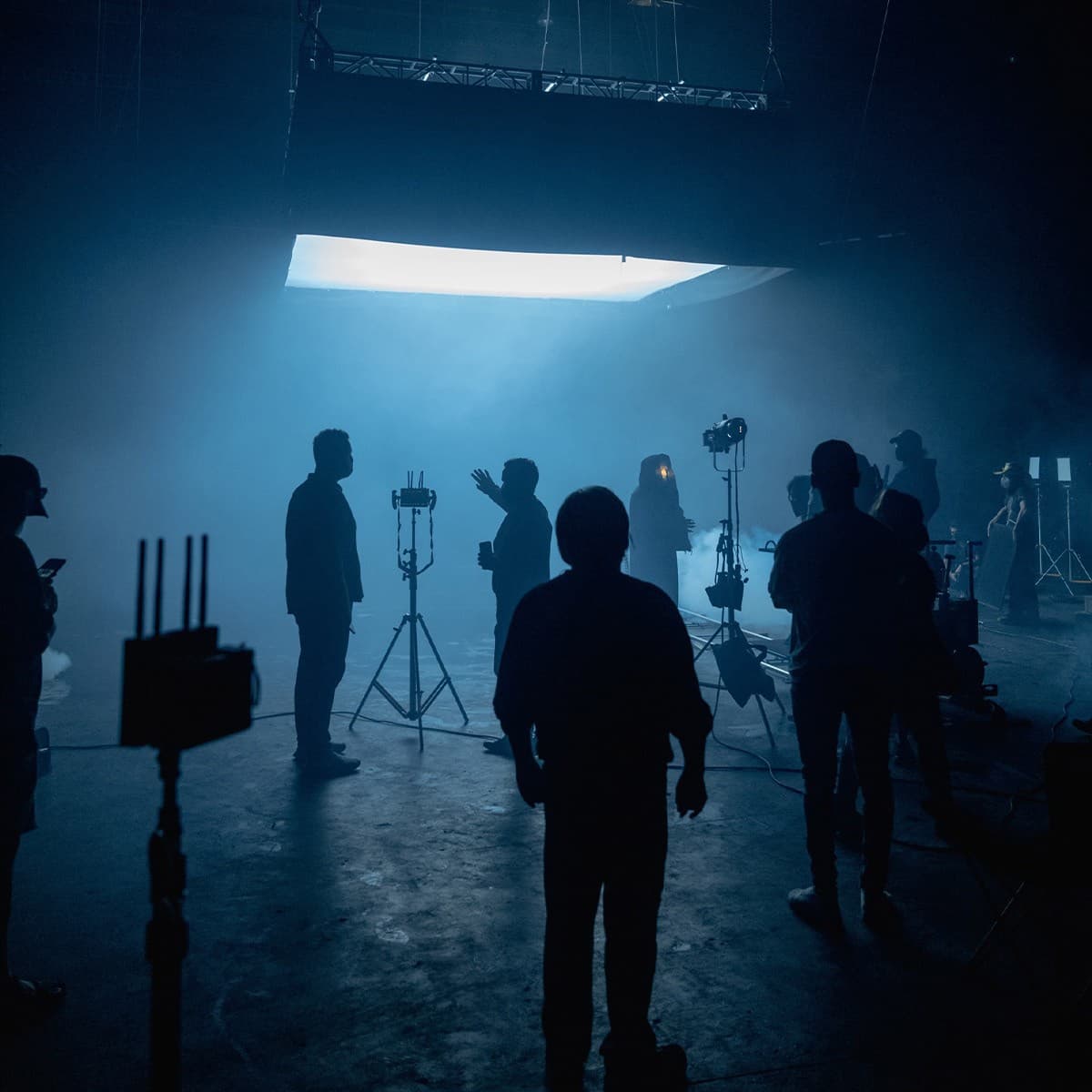
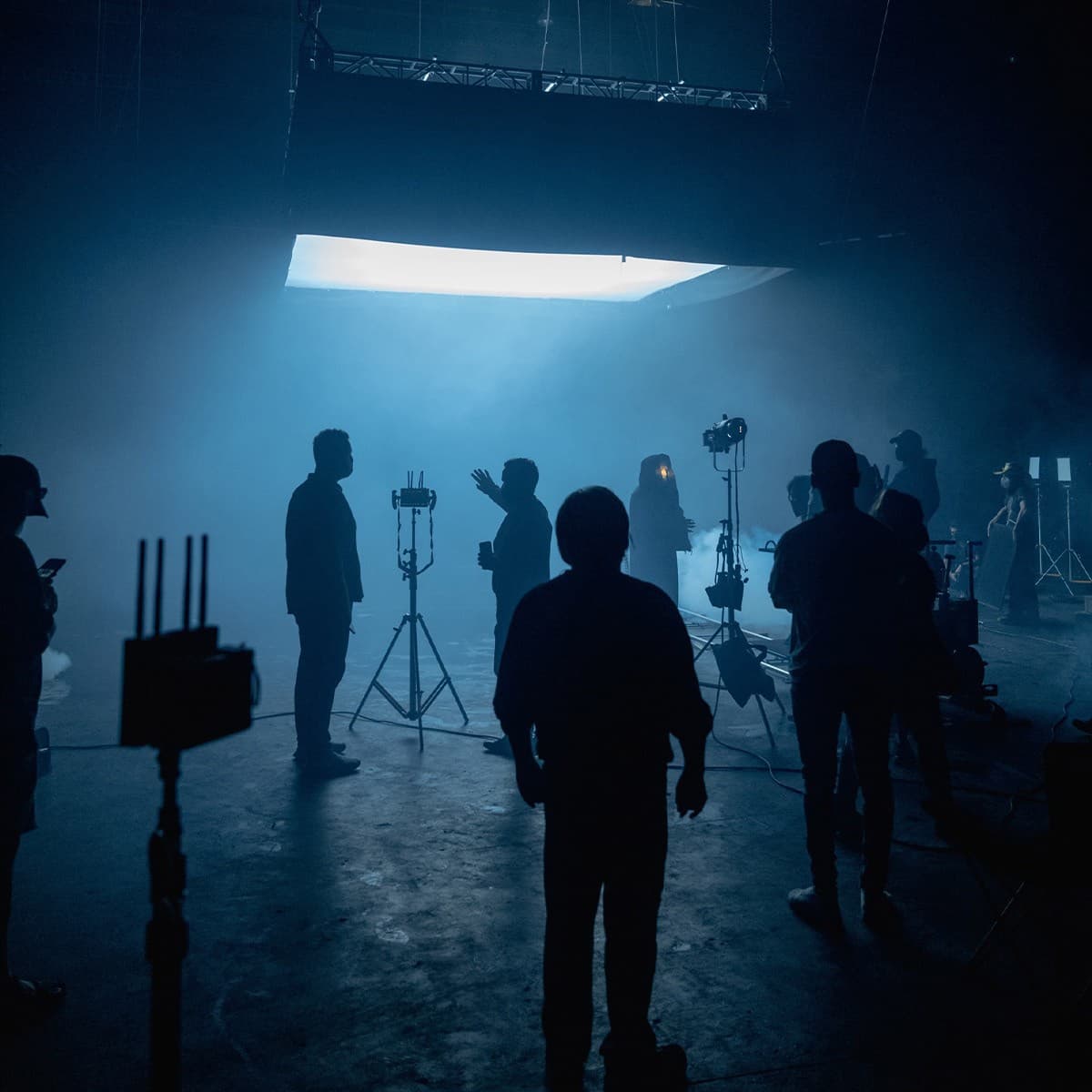
A Balloon Technician is a specialized role within the Electrical Department on a film set, responsible for operating large helium or air-filled lighting balloons. These balloons are used to create soft, diffused light that can simulate various lighting conditions, from daylight to moonlight. Balloon Technicians ensure that these essential lighting tools are properly set up, maintained, operated, and safely secured, playing a crucial role in achieving the desired atmospheric effects for film productions.
Role & Responsibilities
The role of a Balloon Technician encompasses a range of duties that are critical to film lighting. They are tasked with inflating the balloon with the appropriate mixture of gases, rigging the balloon in the required position, adjusting the intensity and color temperature of the light, as well as troubleshooting any issues that may arise during the shoot. Additionally, they work closely with the Director of Photography and Gaffers to create the right ambiance for each scene and must be prepared to make quick adjustments in response to the changing demands of the production environment.
Skills Required
A proficient Balloon Technician must possess a diverse set of skills to excel in their position. Technical aptitude with lighting equipment and electrical systems is a must, as is a solid grasp of safety protocols to prevent accidents on set. They should also have strong communication skills to collaborate effectively with other crew members. Attention to detail, the ability to work under pressure, and adaptability to various filming locations and conditions are also crucial. Moreover, physical stamina and the ability to perform tasks that may require lifting, climbing, and manual dexterity are necessary to manage the large and unwieldy lighting balloons.
Education
Becoming a Balloon Technician does not necessarily require a college degree, but a background in electrical work, lighting, or a related technical field can be highly beneficial. Many technicians gain their skills through hands-on experience, apprenticeships, or specialized training programs that focus on film lighting and set safety. A good understanding of electrical systems, practical problem-solving abilities, and familiarity with the specific equipment used in the film industry are often considered more important than formal education.
































Budget Templates
Budget crew costs with confidence
Use Saturation to build budgets with accurate crew rates, fringes, and union scales.
Try Free Budget Tool