What is a Best Boy Electric?
Overview
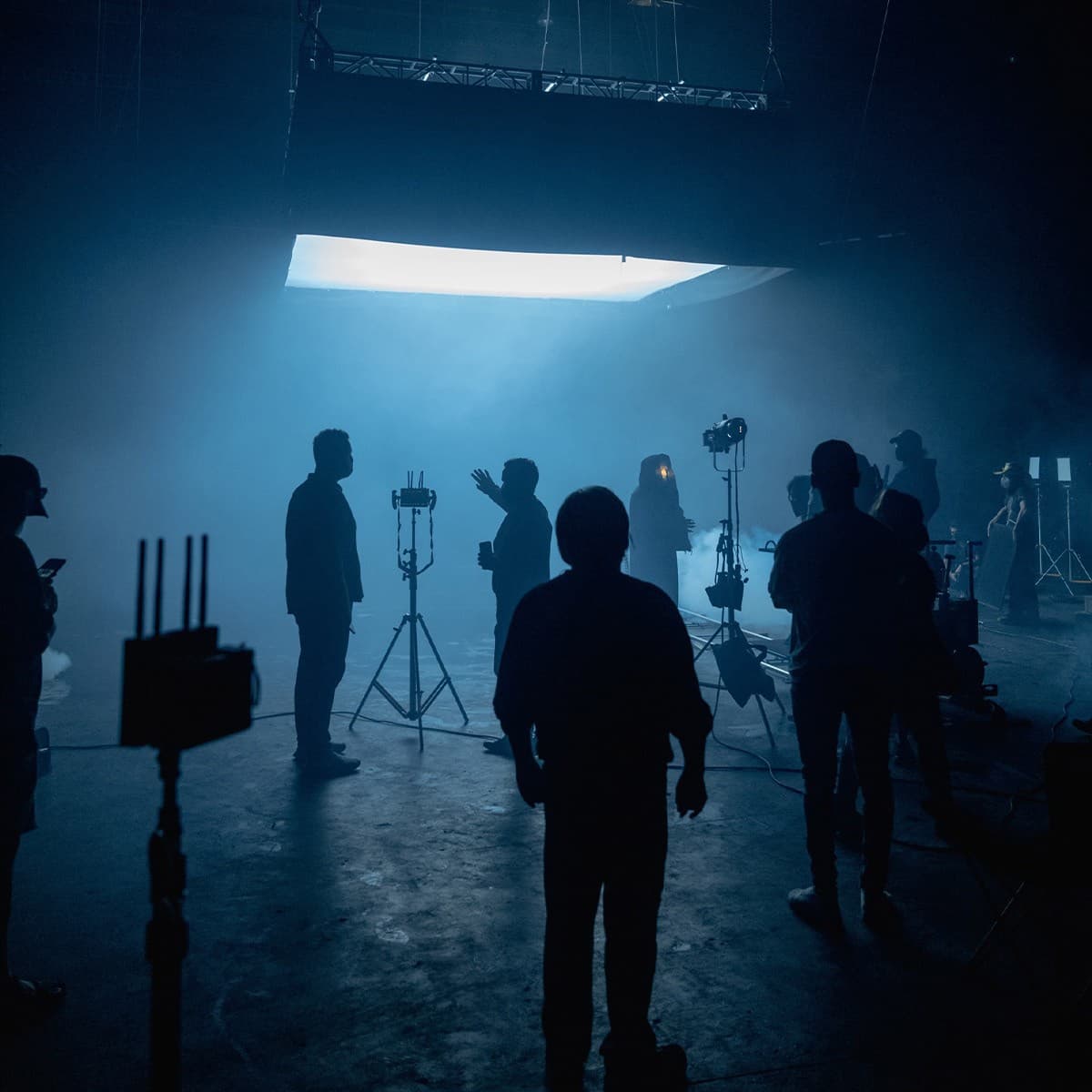
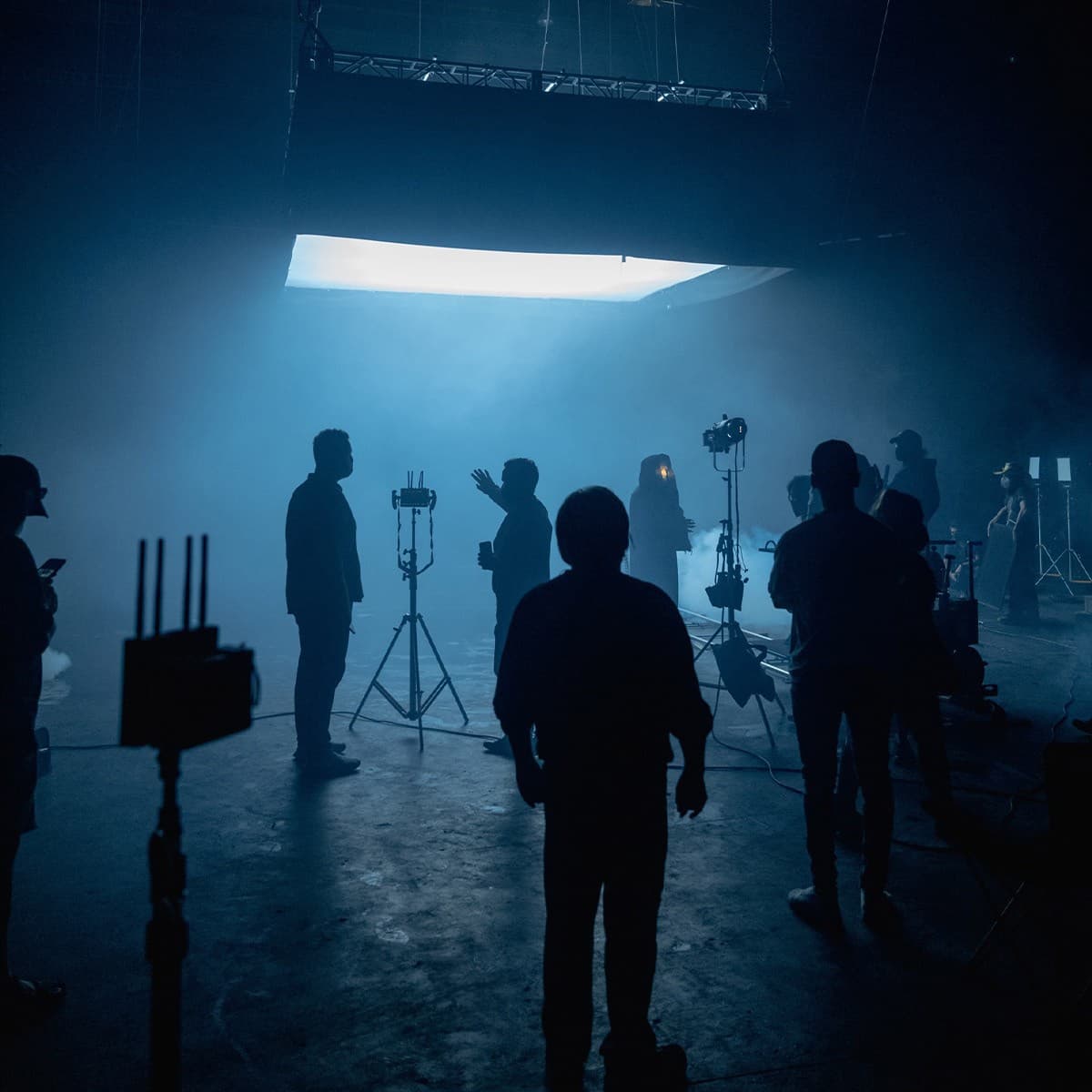
The best boy electric is the second-in-command of the electrical department on a film or television production. They work directly under the gaffer -- the department head also known as the chief lighting technician -- and are responsible for running the day-to-day operations that keep the electric crew functioning efficiently on and off set.
The formal credit for this position is assistant chief lighting technician (ACLT), the term used in union contracts and pay stubs. On call sheets and in conversation, the role is universally known as best boy electric. The title applies to any gender; it is a job classification, not a descriptor.
While the gaffer focuses on the creative side -- designing the lighting plan with the director of photography and executing it on set -- the best boy electric handles everything that keeps the department operational. That means crew scheduling, equipment logistics, timecards, rental orders, and communication with the production office. On large productions, the best boy electric may manage a crew of ten or more electricians without touching a single light fixture themselves.
The origin of the term "best boy" traces back to the early days of Hollywood studio production. When department heads needed extra workers, they would ask to borrow the other department head's best worker -- their best boy. The term stuck and eventually became the official title for the first assistant in both the electrical and grip departments.
Productions that run tight budgets benefit enormously from clear communication between the best boy electric and the production office. Saturation's film budgeting platform gives department heads and production accountants a shared view of the electric department's budget, making it easier to track equipment rentals, overtime costs, and crew payouts in one place.
Role & Responsibilities
The best boy electric's responsibilities divide between pre-production logistics, on-set supervision, and post-shoot wrap operations. The gaffer relies on the best boy to manage every administrative and logistical element so they can focus on lighting execution.
Crew Scheduling and Hiring
The best boy electric is the department's de facto human resources manager. They maintain a roster of qualified set lighting technicians and lamp operators, call crew to fill daily positions based on the production schedule, and negotiate day rates with non-union crew on lower-budget productions. When a production ramps up for a complex shooting day or needs additional hands for a pre-rigging day, the best boy electric makes those calls. On IATSE productions, they work within union contract requirements for turnaround times, meal penalties, and guaranteed minimums.
Equipment Orders and Returns
Every light fixture, cable run, dimmer, ballast, and distribution box used on a production passes through the best boy electric's oversight. Working from the gaffer's equipment package, they contact lighting rental houses to pull gear, verify it against the pull list before it leaves the facility, supervise the load-in at the production truck, and track the inventory throughout the shoot. At wrap, they oversee the count-out and return to ensure nothing is missing and no damage claims are disputed without documentation.
Generator Operation and Power Management
On location productions without access to a practical power source, a generator truck provides the set's electricity. The best boy electric often coordinates with the generator operator (genny op) to ensure adequate power is available for the lighting package and that the genny is positioned and cabled correctly. On smaller productions, the best boy electric may operate the generator directly. They monitor power draw throughout the day and alert the gaffer if a planned lighting setup risks overloading the available capacity.
Pre-Rigging and Company Moves
Pre-rigging is the process of installing lighting infrastructure at an upcoming location before the main unit arrives. The best boy electric typically leads or supervises the pre-rigging crew, working from the gaffer's lighting plan to hang fixtures, run cable, and position equipment in advance. This work happens in parallel with the main unit shooting elsewhere, which means the best boy must coordinate timing carefully with the production coordinator and the gaffer to ensure the rig is complete before the crew arrives.
Timecards and Production Paperwork
At the end of each shooting day, the best boy electric collects timecards from the electric crew, verifies hours against the call sheet, and submits them to the production office. They also track meal penalties, overtime thresholds, and any contractual bumps triggered during the day. Accurate timecard submission is essential for payroll processing and for maintaining the production's budget against the electric department's cost report.
On-Set Electric Supervision
During shooting, the best boy electric supervises the set lighting technicians who carry out the gaffer's lighting instructions. They assign specific crew members to specific fixtures, ensure cables are safely routed and taped down, coordinate with the grip department on C-stand and flag placements, and troubleshoot any equipment malfunctions. The gaffer communicates the lighting design; the best boy electric makes sure the crew executes it correctly and safely.
Communication with the Production Office
The best boy electric is the primary point of contact between the electric department and the production office. They submit equipment rental invoices, flag budget overages, coordinate access requirements for locations, and communicate any departmental needs that require production approval. On large productions, this communication happens daily and directly affects the cost report that the production accountant maintains throughout the shoot.
Skills Required
The best boy electric position requires a blend of technical electrical knowledge, logistics management, leadership, and communication. The gaffer relies on their best boy to keep the department running without constant oversight, which demands a high level of self-direction and problem-solving capability.
Electrical Safety and Code Knowledge
Working safely around high-voltage power systems is the non-negotiable foundation of the role. The best boy electric must understand electrical load calculations, proper grounding procedures, cable management for safely run power on set, and the conditions that create shock or fire risk. On location shoots, this includes evaluating building power panels, coordinating with local utilities, and ensuring that practical connections to house power are made within code. Any lapse in electrical safety on a film set can injure crew members or damage expensive equipment. The best boy electric's technical competence in this area directly affects the safety of everyone in the department.
Lighting Equipment Knowledge
A best boy electric is expected to know the full inventory of the electric department by name, specification, and application. This includes the range of tungsten fixtures (Fresnels, open-face units, cyc lights), HMI sources (Arrimax, M90, Joker), LED panels and tube systems (Skypanel, ARRI, Quasar Science), and practicals. They must understand the power draw of each fixture, the appropriate ballast or driver, and the color temperature output. Equipment troubleshooting -- identifying a failing ballast, a blown lamp, or a lens flare problem -- falls within the best boy's daily scope on a busy set.
Crew Management and Scheduling
The best boy electric is a manager. On a large production, they may be responsible for scheduling eight to fifteen electricians across a multi-week shoot, adjusting daily crew calls based on the production schedule, and ensuring that the right people are in the right place on the right day. This requires the ability to track multiple moving variables, maintain professional relationships with a broad crew roster, and make quick decisions when circumstances change. Crew management is a skill that develops over years of working in the department and observing how experienced best boys handle their teams.
Equipment Logistics and Inventory Management
The best boy electric's role is as much logistics as it is electrical. They manage the equipment pull from the rental house, verify inventory against the pull list, track gear through the production, and supervise the return at wrap. Missing or damaged equipment translates directly into unexpected costs. A best boy who manages inventory carefully and maintains documentation protects the production from unjustified rental damage claims and keeps the electric department's cost report clean.
Generator Operation
Location productions frequently run on generator power, and the best boy electric is responsible for the generator being properly connected and safely positioned. They must understand generator sizing (measured in kilowatts), cabling from the genny to the distribution boxes, and proper grounding for location power. On productions without a dedicated generator operator, the best boy electric may operate the genny directly. An undersized or improperly grounded generator is a safety hazard and a production disruption.
Communication and Interpersonal Skills
The best boy electric is the electric department's primary communicator with the rest of the production. They relay the gaffer's equipment needs to the production office, negotiate with rental houses, coordinate timing with the key grip and other departments, and manage the daily expectations of the electric crew. The ability to communicate clearly under pressure -- and without creating conflict -- is as important as any technical skill. A best boy who antagonizes the production coordinator, misses a call to the rental house, or fails to communicate an equipment shortage to the gaffer can derail a shooting day.
Attention to Detail and Record-Keeping
Timecards, call times, equipment lists, rental invoices, and overtime calculations all require precise record-keeping. Errors in timecard submission lead to payroll disputes. An incorrect pull list results in missing equipment on a shooting day. Overlooked rental returns create damage claims. The best boy electric who keeps meticulous records earns trust from gaffers, production accountants, and production coordinators alike, which translates into more consistent work and better referrals over time.
Salary Guide
Best boy electric compensation varies by union status, market, production budget, and the volume of work a crew member can secure in a given year. The position pays more than a set lighting technician but less than the gaffer, reflecting its role in the department hierarchy.
Annual Earnings Overview
A best boy electric working consistently in the United States can expect annual earnings between $60,000 and $120,000. The lower end of that range reflects part-time work or work concentrated on non-union and low-budget productions in secondary markets. The upper end reflects a full schedule of union work on studio features or network television in Los Angeles or New York.
Film and television production work is project-based and rarely provides 52 weeks of continuous employment. Most best boys electric balance multiple productions per year, varying in length from a few days (commercials, music videos) to several months (feature films, episodic series). Annual income is therefore less predictable than salaried employment, and experienced best boys typically maintain relationships with multiple gaffers to ensure consistent bookings.
IATSE Local 728 Union Rates (2025-2026)
Studio productions in Los Angeles are governed by IATSE Local 728, the Studio Electrical Lighting Technicians union. The 2025-2026 minimum rates for theatrical feature film productions under the Hollywood Basic Agreement are:
- Assistant Chief Lighting Technician (Best Boy Electric): $57.20/hour | approximately $3,432/week based on 60-hour week
- Chief Lighting Technician (Gaffer): $63.01/hour | $3,793.59/week minimum
- Set Lighting Technician: $44.97/hour base rate (2025-2026)
These are contractual minimums. Best boys electric with established reputations on large-budget productions frequently negotiate above-scale rates. The weekly rate assumes an eight-hour daily guarantee with overtime at time-and-a-half after eight hours and double time after twelve hours. On long shooting days -- which are common on studio productions -- actual weekly earnings can significantly exceed the base minimum.
By Production Type
- Studio features and major streaming ($50M+): Best boys electric on these productions typically earn $90,000 to $150,000 or more for the duration of the shoot, factoring in overtime, distant location pay, and box rentals.
- Mid-budget features and streaming ($5M-$50M): $70,000 to $100,000 annually for a best boy working consistently in this tier. IATSE Low Budget Agreement rates apply to productions under $13.5M.
- Network and cable television episodic: $65,000 to $95,000 annually. Episodic work offers the most consistent scheduling of any production type, with seasons running 16 to 26 weeks, but day rates are typically lower than features.
- Commercial production (non-union): Day rates of $600 to $950 per day are common for experienced best boys on commercial shoots. Commercial work tends to pay higher day rates than features but provides fewer guaranteed shooting days.
- Music video and short-form content: $350 to $600 per day. Budgets are smaller and days are often longer, making the effective hourly rate lower than other production types.
- Independent and low-budget (non-union): $300 to $500 per day. No overtime protections apply on non-union productions, and the day can extend well beyond twelve hours on tight budgets.
Geographic Market Differences
Los Angeles is the highest-paying market for best boys electric, driven by the concentration of studio and streaming production and the union minimums set by IATSE Local 728. New York is comparable, particularly for high-budget features, episodic dramas, and commercial work. Secondary production markets -- including Atlanta, Albuquerque, Chicago, New Orleans, and Vancouver -- have grown substantially due to state and provincial tax incentive programs. Best boys electric working in these markets find a healthy volume of work, though day rates may run 10 to 20 percent below Los Angeles minimums on comparable productions.
Additional Compensation Components
Base rates are only part of a best boy electric's total compensation on union productions. Additional income components include:
- Overtime: Productions routinely run ten to fourteen hours. Each hour over eight adds time-and-a-half; hours over twelve add double time. On a twelve-hour shooting day, effective daily earnings can be 40 to 60 percent above the eight-hour base.
- Box rental (kit fee): Best boys electric who own personal tools -- multimeters, tape, specialized adapters, safety gear -- typically negotiate a kit fee of $50 to $150 per day in addition to their labor rate.
- Distant location per diem: Productions shooting outside the studio zone pay daily per diem for meals and incidentals, typically $75 to $175 per day, in addition to hotel accommodations.
- Travel days: IATSE contracts require pay for travel days to and from distant locations, often at a partial day rate.
- Health and pension contributions: IATSE Local 728 contract productions make employer contributions to the IATSE Motion Picture Industry Pension and Health Plan on behalf of union members. This benefit adds meaningful value beyond the hourly rate and is not available on non-union productions.
Entry-Level Earnings and Career Progression
New lamp operators and electric PAs entering the department typically earn $25 to $35 per hour on non-union productions, or minimum scale wages on IATSE low-budget productions. Set lighting technicians in the mid-career range earn $35 to $45 per hour. The jump to best boy electric represents both an increase in hourly rate and, more importantly, a significant increase in the volume and consistency of bookings that follow from the title. Gaffers hire their best boy first, and a best boy with a strong reputation books consistently even during slow production periods.
FAQ
What does a best boy electric do on a film set?
The best boy electric is the second-in-command of the electrical department. Their primary responsibilities are crew scheduling and management, equipment ordering and inventory, timecard collection and submission, generator coordination, and communication between the electric department and the production office. On set, they supervise the lamp operators and set lighting technicians who carry out the gaffer's lighting plan. Off set, they handle the logistical and administrative work that keeps the department operational day to day.
What is the difference between a best boy electric and a gaffer?
The gaffer is the department head. They design the lighting plan in collaboration with the director of photography and are responsible for the creative and technical execution of every lighting setup on set. The best boy electric is the gaffer's first assistant. They manage the operational side of the department: scheduling crew, ordering equipment, tracking inventory, submitting timecards, and handling the paperwork that keeps the production office informed. The gaffer focuses on what the lighting looks like. The best boy electric focuses on what it takes to make that happen.
Why is it called "best boy"?
The term dates to early Hollywood production. Department heads who needed extra hands on short notice would ask to borrow another department's most capable worker -- their best worker, or best boy. Over time, the term became the formal title for the first assistant in both the electrical department (best boy electric) and the grip department (best boy grip). It is a job classification, not a gender designation; the title applies to anyone in the role regardless of gender.
How much does a best boy electric make?
Annual earnings for a working best boy electric typically range from $60,000 to $120,000 depending on market, production type, and union status. Under the IATSE Local 728 Hollywood Basic Agreement for 2025-2026, the minimum rate for an assistant chief lighting technician is $57.20 per hour. On a standard twelve-hour shooting day with overtime, a union best boy on a studio production can earn $600 to $900 or more per day. Non-union day rates for experienced best boys on commercial productions typically range from $600 to $950 per day.
How do you become a best boy electric?
The path to best boy electric runs through the electrical department hierarchy. Most best boys start as lamp operators or electric production assistants, spend several years as set lighting technicians developing technical and leadership skills, and then step into the best boy role when a gaffer they have worked with consistently offers them the position. On union productions, membership in IATSE Local 728 (Los Angeles) or the applicable local in other markets is required. The timeline from entry-level to best boy varies, but a realistic estimate for someone working consistently is six to twelve years in active production markets.
What is IATSE Local 728?
IATSE Local 728 is the Studio Electrical Lighting Technicians union in Los Angeles. It represents gaffers, best boys electric, set lighting technicians, lamp operators, and rigging lighting technicians working on signatory studio and streaming productions in the Los Angeles area. Local 728 sets minimum wages through negotiated rate cards, administers health and pension contributions through the IATSE Motion Picture Industry Pension and Health Plan, and provides members with a referral network for finding work on union productions.
Is best boy electric a union job?
On studio features, major streaming productions, and network television shot in Los Angeles, yes. IATSE Local 728 jurisdiction covers these productions, and best boys electric must be union members to work them. Non-union productions -- including many independent films, commercials, music videos, and productions shot in right-to-work states -- hire best boys on a non-union basis without IATSE rate requirements. Many best boys electric work non-union productions early in their careers to build experience and their crew roster, then transition to union work once they qualify for membership.
What is the difference between best boy electric and best boy grip?
The distinction follows department lines. The best boy electric works in the electrical department under the gaffer, managing the lighting and power equipment. The best boy grip works in the grip department under the key grip, managing the camera support, rigging, and light-shaping equipment that runs without electricity (flags, C-stands, dollies, cranes). Both roles serve as the department's second-in-command and handle similar administrative and crew management functions, but their equipment domains and the department heads they report to are completely separate.
Education
There is no degree required to become a best boy electric. The position is earned entirely through on-set experience, a progressively built reputation, and -- on union productions -- membership in the relevant IATSE local. That said, several structured pathways can accelerate the timeline for those starting from scratch.
Starting as a Lamp Operator or Electric PA
Most best boys electric begin their careers as lamp operators or electrical department production assistants. At this stage, the work is largely physical: carrying cable, placing fixtures, striking equipment between set-ups, and absorbing as much as possible about how a professional electric department functions. Learning the names, specifications, and applications of the most common lighting fixtures -- tungsten Fresnel lenses, HMI units, LED panels, Kinoflo fluorescents -- is the foundation everything else is built on. This entry-level period typically lasts two to four years on active productions before a lamp operator is ready to move up.
Set Lighting Technician
After establishing a track record as a reliable lamp operator, the next step is set lighting technician (SLT). At this level, crew members are expected to operate without direct supervision on standard lighting tasks, troubleshoot equipment failures, and assist the gaffer with more complex setups. Set lighting technicians typically have working knowledge of electrical safety, basic power distribution, and the full range of the department's equipment inventory. Many SLTs also develop specialties in rigging, generator operation, or specific fixture types that make them more valuable to gaffers looking to fill their crew.
IATSE Local 728 and Union Membership
Studio and network productions in Los Angeles are covered by IATSE Local 728, the Studio Electrical Lighting Technicians union. Membership in Local 728 is required to work on signatory productions in the Los Angeles studio market. The path to membership typically involves working on non-union or low-budget union productions (under IATSE's low-budget agreements) until a crew member has accumulated enough qualifying hours and receives a voucher or referral from an existing member. Once in the union, members gain access to the full scale of studio productions, standardized minimum wages, and health and pension benefits.
In New York, the equivalent union is IATSE Local 52 for studio productions. Independent lighting technicians in New York may also be covered by IBEW locals depending on the type of production. Crew members targeting the New York market should research Local 52 membership requirements as they progress through their careers.
Apprenticeship and Electrician Training
Some best boys electric have backgrounds in licensed electrical work before entering the film industry. IBEW apprenticeship programs provide formal training in electrical theory, code compliance, and practical wiring skills that transfer directly to film production work. A licensed journeyman electrician entering the industry brings technical knowledge that many on-set electricians lack, particularly around power distribution math, panel load calculations, and safety protocols. This background can accelerate advancement, especially on large productions with complex power requirements.
Film School as a Pathway
Film programs at universities and trade schools provide hands-on experience operating lighting equipment and working on student productions. While no employer requires a film degree for electric department work, the access to equipment and the experience of working on structured productions can give new entrants a head start on building their on-set vocabulary and practical skills. Programs at institutions like AFI, NYFA, Chapman, and Emerson put students on active sets where they can make early contacts in the lighting community.
Moving from Best Boy to Gaffer
The best boy electric position is the final step before becoming a gaffer. Most gaffers spend between three and eight years as a best boy before making the transition. The move typically happens when a gaffer or DP they have worked with consistently recommends them for their first gaffer credit on a smaller production. From that first credit, the process of building a reputation as a gaffer begins again -- just at a higher level.
































Budget Templates
Budget crew costs with confidence
Use Saturation to build budgets with accurate crew rates, fringes, and union scales.
Try Free Budget Tool