What is a Best Girl?
Overview
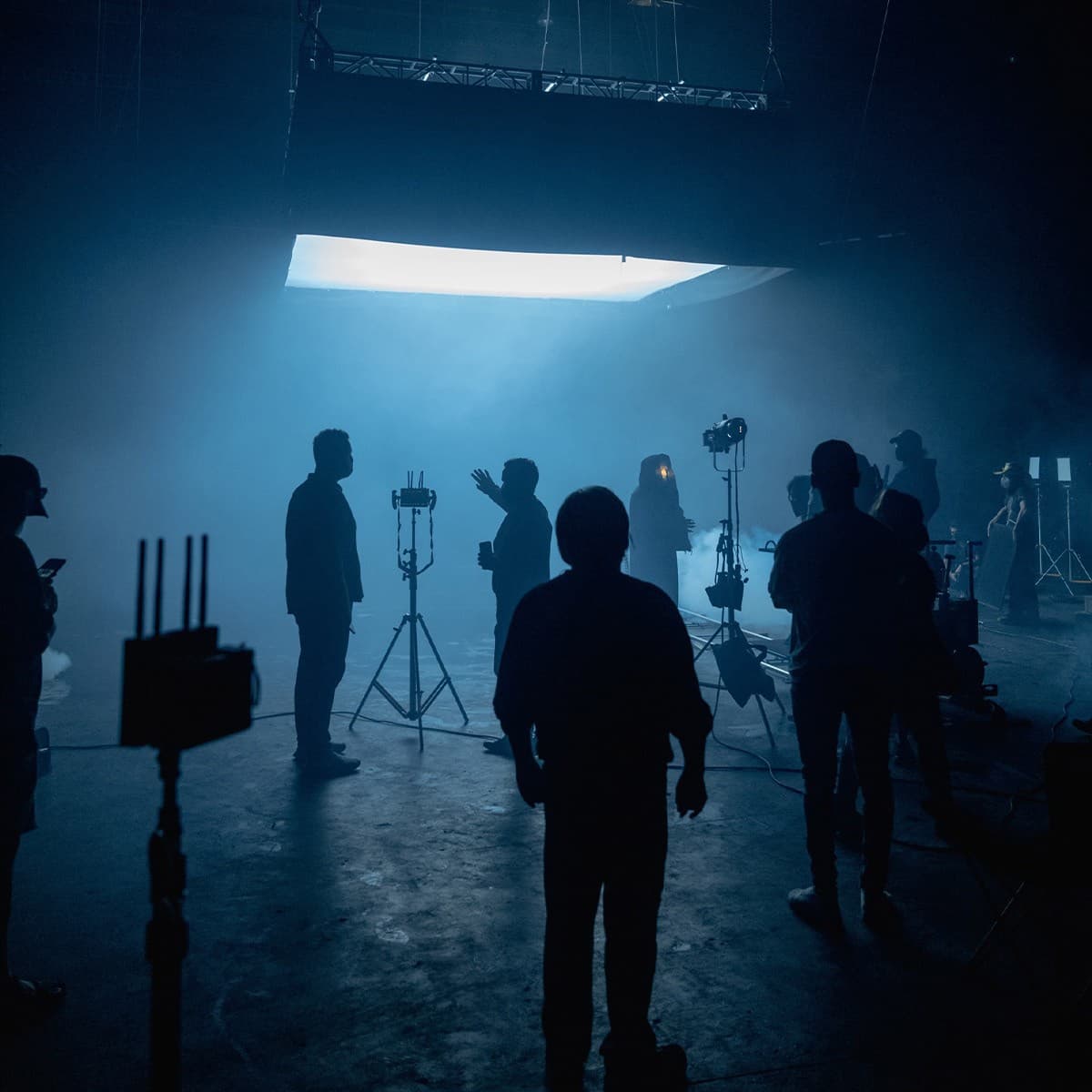
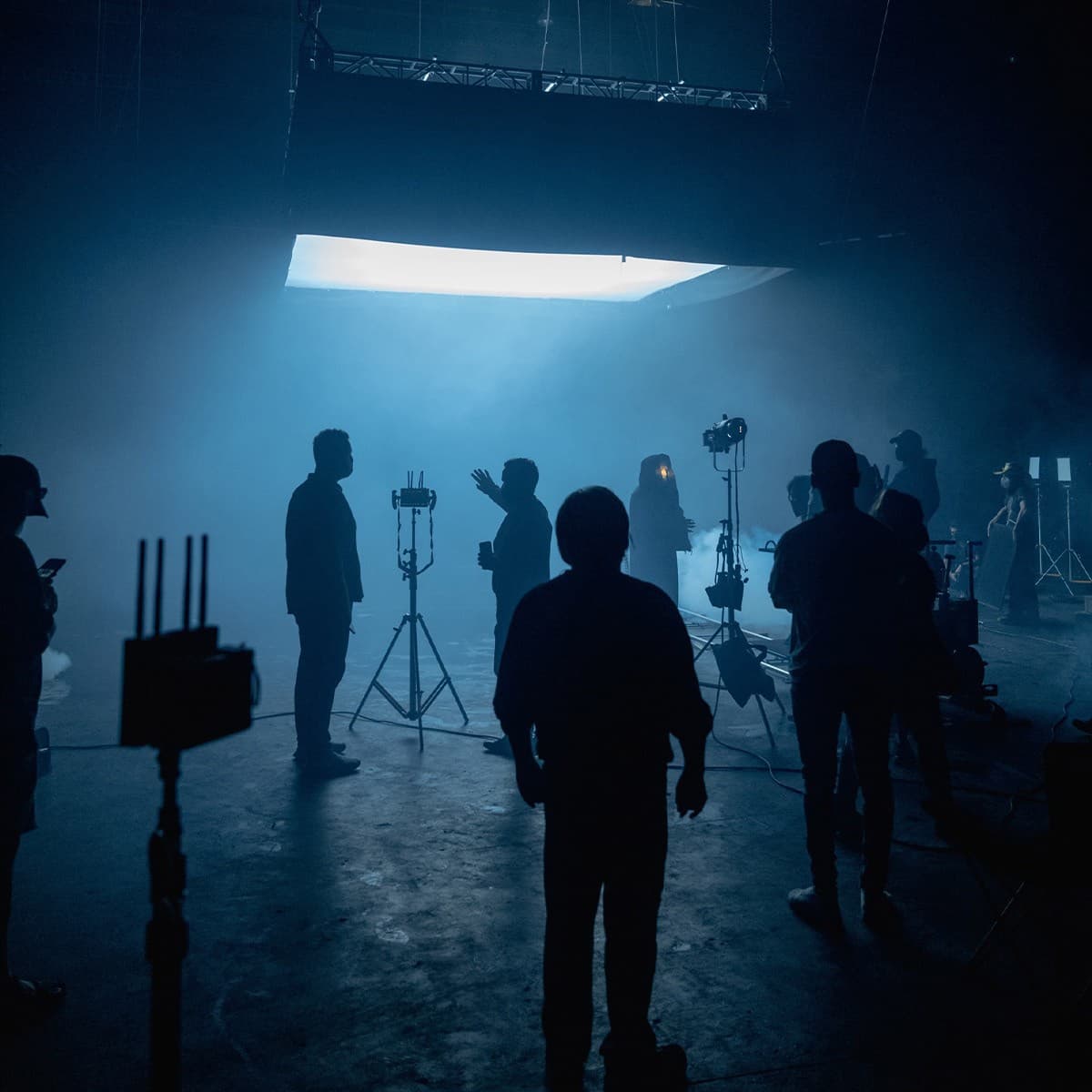
The term best girl is an informal but widely used designation for a female crew member filling the role traditionally called best boy electric or best boy grip on a film or television production. In the lighting and electric department, the official union title is Assistant Chief Lighting Technician (ACLT). In the grip department, the equivalent is 2nd Company Grip. The function is identical regardless of the term used: to serve as the principal assistant to the department head — the gaffer in electric, or the key grip in the grip department — managing crew scheduling, equipment inventory, expendables, and set operations.
Although "best girl" is informal and rarely appears on a call sheet or contract, it has been in common use on sets for decades as an affectionate and pragmatic alternative to "best boy" when the person holding the role is a woman. Progressive productions and union contracts increasingly favor the gender-neutral designations ACLT (electric) and 2nd Company Grip, and some productions use Best Person as an umbrella term.
On professional productions — features, television series, and high-budget commercials — the best girl / ACLT is a IATSE Local 728 position (for the electric department) or an IATSE Local 80 position (for the grip department). Both locals operate under collective bargaining agreements that set minimum wages, overtime rules, meal penalties, and turnaround requirements.
Cloud-based production management tools like Saturation.io are increasingly used by best persons and gaffers to track department labor costs, equipment rentals, and expendables against the production budget in real time — replacing the paper-and-spreadsheet workflows that once consumed hours of every production week.
Etymology: Why "Best Boy"?
The origin of "best boy" in film production is not precisely documented, but several credible theories circulate within the industry. The most widely accepted explanation holds that the gaffer would request their most capable or "best" assistant — their best helper — and the shorthand "best boy" stuck. Another theory traces the term to the days of traveling theatrical companies, where the foreman's top apprentice was referred to as the "best boy." Neither origin is confirmed by a single authoritative source, which makes the term's etymology one of the more colorful mysteries of below-the-line craft vernacular.
Whatever its origin, the title carried a gender default that reflected the historical male dominance of the electrical trades and the film industry's below-the-line workforce. As women entered the field in growing numbers from the 1970s onward, crew members began using "best girl" on set. Today, IATSE contracts and many studio productions use the official title ACLT to eliminate the gender assumption entirely while honoring the historical title in informal speech.
The Electric Department Hierarchy
Understanding where the best girl / ACLT fits requires a clear picture of the electric department structure on a mid-to-large production:
- Director of Photography (DP) — determines the visual look, lighting intent, and camera strategy
- Gaffer (Chief Lighting Technician) — executes the DP's lighting vision, leads the electric department
- Best Girl / Best Boy / ACLT (Assistant Chief Lighting Technician) — manages the crew, equipment, and logistics of the electric department
- Set Lighting Technicians (SLTs / Electrics) — physically rig, set, and adjust lights under the ACLT's direction
- 3rd Electric / Generator Operator / Rigging Gaffer — specialized roles on larger productions
Best Girl Electric vs. Best Girl Grip: Two Different Departments
The term "best girl" applies in both the electric department and the grip department. The two are separate and serve different functions. The best girl electric (ACLT) manages the lighting equipment and crew for the gaffer. The best girl grip (2nd Company Grip) manages the grip equipment — dollies, cranes, c-stands, flags, and rigging — for the key grip. A common misconception is that grip and electric are the same department. They share the set but have distinct equipment, union locals, and workflows. The best girl in each department is the department head's right hand, but in entirely different domains.
Role & Responsibilities
The best girl electric (ACLT) carries the same full responsibility set as any best boy electric. The role is operational in nature: while the gaffer is working with the DP on lighting decisions, the best girl is managing every logistical element that makes those decisions possible.
Crew Scheduling and Timecards
The ACLT is the department's crew manager. This means building the daily crew call for the electric department — deciding which SLTs are needed on which days based on the shooting schedule and the complexity of the lighting setup planned by the gaffer. On union productions, the ACLT also collects and verifies timecards for the entire electric crew at the end of each day or week. Timecard errors on a union shoot result in penalties, so accuracy is non-negotiable. The ACLT must know the collective bargaining agreement — turnaround minimums, meal penalty triggers, sixth-day and seventh-day premium rules — well enough to prevent violations before they occur.
Equipment Inventory and Truck Management
The electric department operates off one or more lighting trucks, which are essentially rolling warehouses of fixtures, cable, dimmers, and power distribution hardware. The ACLT is responsible for maintaining an accurate inventory of everything on those trucks. Before production begins, the ACLT (often working with the gaffer) develops the equipment package: choosing which lighting fixtures, cable runs, power distribution panels, and specialty items will be rented for the show. During production, the ACLT tracks what is on the truck, what is out on set, what is at a staging area, and what needs to be returned to the rental house at the end of the rental period. Unreturned or damaged equipment comes out of the production budget.
Expendables Ordering
Expendables are the consumable supplies of the electric department: gel filters, diffusion materials, stingers (extension cables), gaffer tape, tie line, clothespins, black wrap, ground fault interrupters, and hundreds of other items used daily on set. The ACLT maintains a running inventory of expendables and places orders — typically from a production-approved vendor — when stock runs low. On a busy shoot, expendables can represent a meaningful line item in the lighting budget, and the ACLT is the gatekeeper for that spend. Over-ordering wastes budget; under-ordering stops the set.
Electrical Safety Compliance
The ACLT shares responsibility with the gaffer for electrical safety on set. This includes confirming that cable runs are rated for the load they carry, that distribution equipment is properly configured, that generators are safely positioned and grounded, and that the crew is following OSHA and production-specific safety protocols. On union shows, the IATSE and producing studios have detailed safety guidelines that the ACLT is expected to know and enforce. Electrical accidents on film sets are rare but catastrophic when they occur — the ACLT's role in preventing them is significant.
Supporting the Gaffer on Set
While the gaffer works directly with the DP on lighting decisions, the best girl is often managing the crew executing those decisions. When the gaffer calls for a specific fixture at a specific intensity, the ACLT ensures the right SLT gets the right equipment to the right location in the right amount of time. On large sets with complex lighting setups, coordinating the movement of a dozen or more electricians and hundreds of meters of cable while the AD is pushing to keep the shooting day on schedule is the core challenge of the ACLT role.
Rigging and Pre-Lighting
On productions with a rigging gaffer and rigging electric crew, the ACLT may coordinate between the shooting crew and the rigging crew to ensure pre-lit sets are ready when principal photography arrives. On smaller productions without a dedicated rigging crew, the ACLT may take a more hands-on role in pre-lighting, doing the work themselves rather than supervising it.
Communication with Production
The ACLT communicates upward to the gaffer and laterally with other department heads and the production coordinator. Equipment requests, labor overages, safety concerns, and schedule conflicts all flow through the ACLT to the appropriate contact. On larger productions, the ACLT may also interface directly with the production accountant regarding equipment rental invoices and expendable receipts. Keeping clean paper — receipts organized, purchase orders matched to invoices — is part of the job that many best boys and best girls underestimate until they have experienced the reconciliation process at wrap.
Skills Required
The best girl electric (ACLT) needs a layered skill set that combines technical electrical knowledge, operational management, and interpersonal crew leadership. Below is a breakdown of the core competencies required to perform the role at a professional level.
Electrical and Lighting Knowledge
The ACLT must have a working knowledge of the electrical equipment used on a professional film set. This includes a broad range of lighting fixtures — tungsten fresnels, HMI (hydrargyrum medium-arc iodide) fixtures, LED panels, practical lights, and specialty units — as well as the power distribution equipment that feeds them: distribution boxes, dimmer boards, generator connections, and cable configurations. The best girl does not need to be the most creative lighting mind in the room; that is the gaffer's domain. But she needs to know what every fixture does, how much power it draws, what it weighs, and how it is safely rigged.
Crew Management and Scheduling
Managing a crew of six to twenty or more set lighting technicians requires real organizational discipline. The ACLT builds the department schedule, communicates call times, and coordinates with the 1st AD's office on any schedule changes that affect crew size or timing. When a company moves locations mid-day, the ACLT coordinates which crew members go ahead to the next location, which remain to wrap the current set, and who is on standby. On union shows, these decisions carry financial consequences — travel time, meal penalties, turnaround minimums — so the ACLT must make them quickly and correctly.
Inventory Tracking and Logistics
Equipment inventory management is a daily task. The ACLT tracks every fixture, cable, dimmer, power distribution unit, and specialty item on the electric truck. Production equipment represents significant rental value — a fully outfitted lighting truck for a mid-budget feature can represent $20,000 or more per week in rental cost. The ACLT is responsible for ensuring that equipment is not lost, damaged without documentation, or returned late. Many ACLTs use inventory apps or shared spreadsheets to maintain a running tally; productions that invest in integrated production management software make this significantly easier.
Communication and Interpersonal Skills
The ACLT operates at the intersection of the gaffer (who answers to the DP), the electric crew (who answer to the ACLT), and the production office (which manages the overall schedule and budget). This requires clear, calm, and efficient communication under pressure. On a busy shooting day, the ACLT may receive simultaneous requests from the gaffer, a SLT on another set, the AD, and the production coordinator. Triaging those inputs and responding to the right one first is a skill built over years of set experience.
OSHA Safety Compliance and Electrical Safety
Safety knowledge is mandatory, not optional. The ACLT must be familiar with OSHA electrical safety standards, film industry-specific safety bulletins (published by the Industry-Wide Labor-Management Safety Committee), and the specific safety requirements of each production. Practical knowledge includes: proper cable management to prevent trip hazards, correct use of ground fault circuit interrupters (GFCIs), safe generator operation and grounding, identifying and managing overloaded circuits, and understanding safe working distances for high-voltage equipment. On IATSE productions, failure to meet safety standards can result in work stoppages and personal liability.
Budgeting and Expendables Management
The ACLT manages the department's day-to-day spend on expendables and minor equipment rentals. This requires enough budget literacy to know when the department is running ahead of or behind plan. On productions using integrated software, the ACLT or gaffer may have direct visibility into the equipment and labor budget in real time. Understanding how purchase orders work, how to route receipts to accounting, and how to flag overages before they become problems is part of the operational management function of the role.
Physical Fitness and Stamina
The electric department is physically demanding work. Film production days regularly run twelve hours or longer, and the electric crew may be lifting, carrying, and rigging heavy equipment for much of that time. The ACLT is not always lifting equipment — that is the SLTs' primary job — but the role requires the physical stamina to be alert and effective across long shooting days, often for weeks or months at a time.
Problem Solving Under Pressure
Film sets are dynamic environments where plans change faster than equipment can be moved. The ACLT needs to be a quick, calm problem solver. When a planned lighting setup turns out to be impractical at the actual location, the ACLT has to help the gaffer figure out the alternative — fast — while simultaneously keeping the crew moving and communicating the change to the rest of the department. Good ACLTs are known for making problems disappear before the director or DP is even aware there was one.
Salary Guide
Compensation for a best girl electric (ACLT) depends on union status, production budget, market geography, and the individual's negotiating position based on their track record and the strength of their working relationships with gaffers. The following ranges are based on IATSE collective bargaining agreement rates for 2025-2026 and industry-reported non-union benchmarks.
IATSE Local 728 — ACLT Union Rates (2025-2026)
IATSE Local 728 sets the minimum rates for best boy electric (ACLT) positions on union studio productions in Los Angeles. Under the 2024-2027 Basic Agreement, the established rates for the ACLT classification are:
- Hourly rate: $57.20 per hour
- Weekly guarantee: $3,428.81 per week (10-hour guarantee)
- Daily minimum: 8-hour call with 10-hour rest turnaround (studio); 9-hour rest (distant locations)
These are minimum rates. Experienced ACLTs working regularly with high-demand gaffers on major studio productions often negotiate above scale. Pension and health contributions — paid by the production company, not the crew member — add a further $10.60 to $15.52 per hour depending on production budget tier, representing a meaningful component of total compensation beyond the wage line.
ACLT vs. Gaffer: Rate Comparison
For context, the gaffer (Chief Lighting Technician) rate under the same IATSE Local 728 2025-2026 agreement is approximately $63.01 per hour, or $3,793.59 per week. The ACLT earns approximately $5.81 less per hour than the gaffer at minimum scale — a gap that reflects the difference in creative responsibility and department leadership between the two roles.
Annual Income Ranges
Annual income for an ACLT varies significantly based on how many weeks of work the individual secures in a given year. The project-based nature of film and television production means that income is never perfectly predictable.
- Union ACLT (fully employed, IATSE): $80,000 – $130,000+ per year
- Non-union ACLT (US markets): $50,000 – $80,000 per year
- Entry-level / transitioning SLTs moving toward ACLT: $40,000 – $65,000 per year
A union ACLT working 40+ weeks per year on studio productions — achievable for crew members well established in a market like Los Angeles, New York, or Atlanta — can earn $120,000 or more annually when overtime, sixth-day premiums, and residual bump-ups are factored in.
Market-by-Market Variation
Geography shapes earning potential significantly in the electric department.
- Los Angeles: The largest union market. IATSE Local 728 jurisdiction. Studio productions pay at or above scale. Competition for placement on top shows is high, but volume of work is also highest.
- New York City: IATSE Local 52 jurisdiction. Similarly strong union rates. Commercial production volume in NYC means many ACLTs rotate between commercial and narrative work.
- Atlanta / Georgia: The fastest-growing US production market. Georgia's 30% transferable tax credit has made it a major hub for studio features and streaming series. IATSE presence has grown significantly. Pay rates have risen but are generally below LA and NY scale.
- Other US Markets: Chicago, New Orleans, Albuquerque, and Vancouver (Canadian market) offer meaningful production volume. Non-union rates dominate smaller markets.
Non-Union and Low-Budget Productions
On non-union productions — independent features, low-budget web series, music videos, and smaller commercials — the ACLT equivalent may earn a day rate ranging from $350 to $650 depending on the budget and the individual's negotiating position. Music video ACLTs typically earn at the lower end; commercial ACLTs at the higher end. These day rates do not include benefits, pension contributions, or overtime protection.
How to Increase Earnings as a Best Girl / ACLT
- Build a strong gaffer network: ACLTs are almost always hired by the gaffer, not by the production directly. Working consistently with in-demand gaffers is the most reliable path to consistent high-budget work.
- Pursue union membership: IATSE membership provides access to minimum rate protections, health insurance, and pension contributions that non-union work does not offer.
- Develop specialized skills: LEDs, large-scale dimmer systems, location power logistics, and international production experience all command premium rates.
- Negotiate above scale: Minimums are floors, not ceilings. An ACLT with a track record of successful shows and a relationship with sought-after gaffers has genuine negotiating leverage.
For external wage benchmarks across camera and lighting occupations, the Bureau of Labor Statistics Occupational Employment and Wage Statistics provides publicly available salary data, though film-specific IATSE rates typically exceed BLS medians for experienced union crew members.
FAQ
What is a best girl in film production?
A best girl is an informal term for a female crew member serving in the role of best boy electric (officially: Assistant Chief Lighting Technician, or ACLT) or best boy grip (2nd Company Grip). The job is identical to the best boy role — managing crew, equipment, and logistics for the gaffer (electric) or key grip (grip department). The term "best girl" has been used on sets for decades as a natural adaptation of "best boy" when the person in the role is a woman. Official union titles use ACLT or 2nd Company Grip to avoid the gender-specific language.
Is "best girl" the same as "best boy"?
Yes — functionally identical. The job description, union classification, wage rate, and on-set responsibilities are the same. The difference is purely informal and social: "best girl" is a common on-set alternative when the crew member in the ACLT or 2nd Company Grip role identifies as female. Many productions and contracts now use "best person" or the official ACLT designation to be fully gender-neutral.
What does ACLT stand for in film?
ACLT stands for Assistant Chief Lighting Technician. It is the official IATSE Local 728 contract title for the best boy electric position on a union production. The gaffer holds the title of Chief Lighting Technician (CLT). The ACLT is the gaffer's direct assistant and department manager. This terminology appeared specifically to replace gendered titles like "best boy" and "best girl" with a profession-neutral description of the actual function.
What is the salary of a best girl / ACLT?
Under the 2025-2026 IATSE Local 728 agreement, the minimum rate for an ACLT (best boy electric / best girl electric) is $57.20 per hour, or approximately $3,428.81 per week. Annual income for a union ACLT working consistently in the Los Angeles market ranges from $80,000 to $130,000+, depending on weeks worked and overtime. Non-union ACLTs typically earn $50,000 to $80,000 annually, with day rates ranging from $350 to $650 depending on the production type.
How do you become a best girl in the electric department?
There is no shortcut: the path to best girl / ACLT runs through years of experience as a set lighting technician. The typical progression is entry-level production assistant or lamp operator to set lighting technician to ACLT. IATSE Local 728 membership is required for union productions in Los Angeles. The most important factor is building a relationship with working gaffers, who are almost always the ones who hire their ACLT directly rather than going through production. Join a union, work consistently, be reliable, and eventually a gaffer you have worked with will offer you the best boy seat.
Do you need a degree to become a best girl on a film set?
No degree is required. The electric department is a craft path, not an academic one. Practical knowledge of lighting equipment, electrical safety, and crew management — built on set, not in a classroom — is what matters. Some crew members attend film school or vocational electrical training programs to accelerate their early learning, but neither is required. IATSE Local 728 runs its own ACLT Seminar for members preparing to take on the best boy role.
What is the difference between the best girl electric and the best girl grip?
They are in separate departments with separate functions. The best girl electric (ACLT) works in the lighting/electric department under the gaffer, managing lighting fixtures, cable, power distribution, and the SLT crew. The best girl grip (2nd Company Grip) works in the grip department under the key grip, managing dolly systems, cranes, c-stands, flags, rigging, and the grip crew. Electric falls under IATSE Local 728; grip falls under IATSE Local 80 in Los Angeles.
Is "best person" replacing "best boy" and "best girl"?
"Best person" has gained traction on progressive productions as a gender-neutral alternative that preserves the colloquial "best" title while dropping the gendered suffix. It is not a formal IATSE contract title — ACLT and 2nd Company Grip remain the official designations. In practice, you will still hear "best boy," "best girl," and "best person" used on set depending on the crew's culture and the individual's preference. The important trend is that official title language is moving toward craft-based, gender-neutral designations across the industry.
Education
No college degree is required to become a best girl electric on a professional film or television production. The path into the role is almost entirely built through hands-on experience, union membership, and professional relationships. That said, formal training programs can accelerate entry into the field, particularly for people without existing industry connections.
No Degree Required — But Training Matters
The below-the-line crafts, including the electric department, are historically trade paths rather than academic paths. Gaffers and ACLTs working on studio productions typically entered the field by starting at the bottom — as a production assistant in the electric department or as a day-playing set lighting technician — and worked their way up over years of consistent employment. What matters on a film set is competence, reliability, and crew reputation, not a diploma.
Film School and Vocational Programs
Film schools and vocational programs can be useful entry points, particularly for learning the vocabulary and workflow of the electric department before arriving on a professional set. Schools like the American Film Institute (AFI), New York Film Academy, Full Sail University, and Chapman University all have programs that include production crew training. However, film school does not grant IATSE membership, and it does not substitute for working up through the ranks. Many working ACLTs have no formal film training whatsoever.
Vocational programs in electrical work — licensed electrician training, for example — are valuable for the technical underpinning of the job. Understanding three-phase power, load calculation, electrical codes, and distribution equipment makes a set lighting technician more effective and safer on set, and is a genuine differentiator when competing for better jobs. IATSE Local 728 runs its own training programs for members, including an ACLT Seminar that specifically trains members for the best boy role.
IATSE Local 728 — The Electric Department Union
IATSE Local 728 is the union for set lighting technicians, best boys electric, gaffers, and rigging crews working in Los Angeles on studio features, television series, and high-budget productions. Joining Local 728 is the key credential for working on union productions in the LA market. Membership in IATSE Local 728 typically requires:
- Accumulating a set number of hours working on non-union or qualifying low-budget productions
- Being vouched for or sponsored by existing union members
- Demonstrating competency in the craft
- Paying initiation fees and ongoing dues
In other markets, the relevant IATSE local will vary. IATSE Local 52 covers New York; other cities have their own locals. In markets without a strong union presence — much of the Southeast, for example — many productions operate under non-union agreements or lower-budget union contracts.
IATSE Local 80 — The Grip Department Union
For the best girl grip path (2nd Company Grip), the relevant union is IATSE Local 80, which covers grip crews in Los Angeles. The career path mirrors the electric department: start as a grip or swing, build hours, get to know department heads, and work up to key grip or best boy grip over time.
Career Progression in the Electric Department
The typical progression from entry to ACLT in the electric department looks like this:
- Production Assistant (Electric) — entry-level support, often non-union, assisting SLTs and fetching supplies
- Lamp Operator / 3rd Electric — operating and moving lighting equipment under SLT supervision
- Set Lighting Technician (SLT) — full crew member, rigging and operating lighting fixtures on set
- Best Boy Electric / Best Girl / ACLT — department manager, crew and equipment lead
- Gaffer (Chief Lighting Technician) — department head, creative and technical lead for lighting
The jump from SLT to ACLT is not just a skills leap; it is a shift from doing the work to managing the people doing the work. Many excellent SLTs are not suited for or interested in the ACLT role. Those who are make the transition when a gaffer they have worked with trusts them enough to put them in the chair.
Gender Diversity in Below-the-Line Crafts
Women have historically been underrepresented in the electric and grip departments, which are physically demanding, largely trade-trained, and built on informal hiring networks. IATSE and a number of industry organizations — including Women in Film and the Illuminatrix collective — have worked to increase the visibility and hiring of women in below-the-line craft roles. The term "best girl" carries its own symbolism in this context: it acknowledges that women are doing this work and have been doing it, often without the vocabulary to describe their contributions in the language of the call sheet.
Productions that use the "best person" or "ACLT" terminology signal an intentional step toward inclusive craft vocabulary, though the culture of each department and each production varies enormously. The craft skills required are the same for any person in the role.






























Budget Templates
Budget crew costs with confidence
Use Saturation to build budgets with accurate crew rates, fringes, and union scales.
Try Free Budget Tool