What is a BTS Director of Photography?
Overview
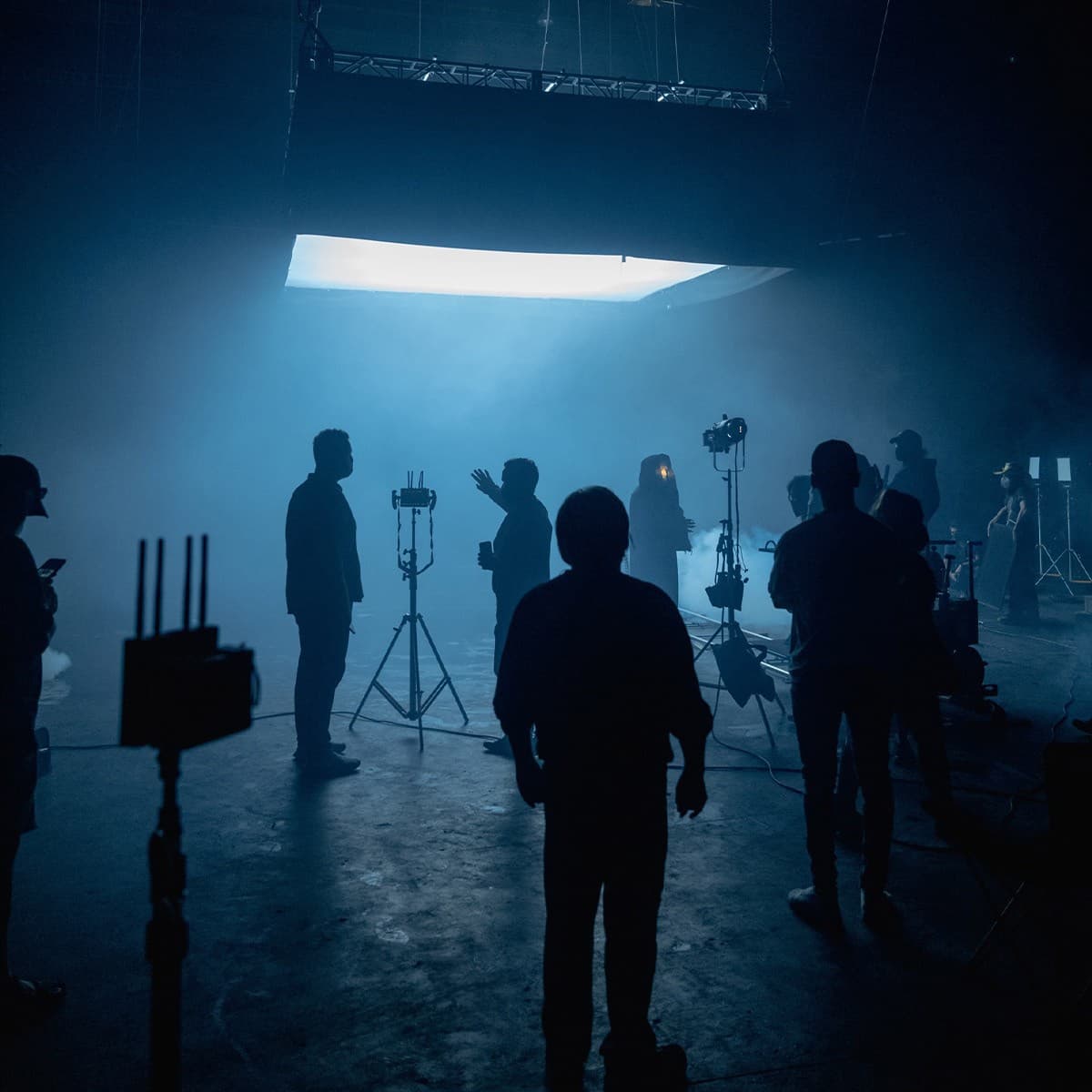
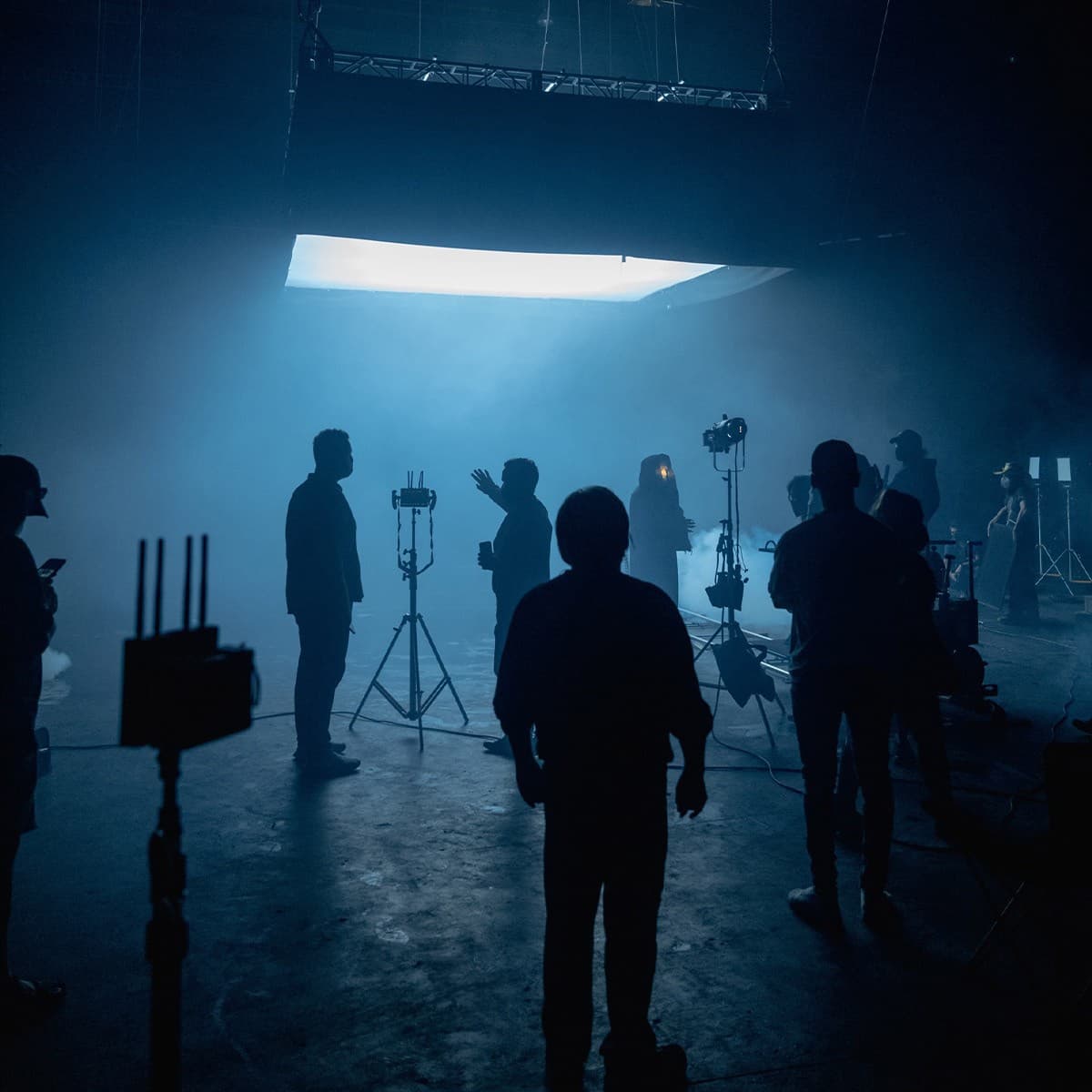
A BTS Director of Photography, also known as a Behind-the-Scenes Director of Photography, is a specialized role in film and video production focused on capturing the creative and technical process that occurs off camera during the making of a film, television show, or commercial. This individual is responsible for documenting the production environment, taking candid shots and footage of the crew, cast, and set, which are often used for marketing, educational purposes, and providing audiences with a glimpse into the production's journey.
Role & Responsibilities
The primary role of a BTS Director of Photography is to visually narrate the story of the film's creation. This involves working closely with the main production team to ensure that their work is unobtrusive and does not interfere with the actual filming process. They must be adept at capturing the essence of the project, including the ambiance on set, cast and crew interactions, and the intricate details of the filmmaking craft. Additionally, they may also be responsible for creating supplemental content such as cast interviews, featurettes, and other promotional material that requires a keen eye for storytelling through visual media.
Skills Required
A skilled BTS Director of Photography must possess a unique blend of creative and technical abilities. Strong photographic and videographic skills are essential, as is proficiency with various camera equipment, lighting techniques, and post-production software. They should also exhibit excellent interpersonal skills to interact effectively with the film crew and talent. A keen sense of discretion and the ability to capture candid moments without disrupting the workflow are imperative. Additionally, time management, adaptability, and a good understanding of the filmmaking process are necessary to thrive in this dynamic role.
Education
While a college degree is not a strict requirement for becoming a BTS Director of Photography, having a background in film studies, photography, or a related field can be immensely beneficial. Many professionals in this position hold a bachelor's or associate's degree in these areas, which provides a strong foundation in visual storytelling, technical camera operation, and an understanding of the filmmaking process. Nevertheless, hands-on experience, a robust portfolio, and a network of industry contacts are often just as crucial for securing a job in this field.

































Budget Templates
Budget crew costs with confidence
Use Saturation to build budgets with accurate crew rates, fringes, and union scales.
Try Free Budget Tool