What is a C Camera Operator?
Overview
What Is a C Camera Operator?
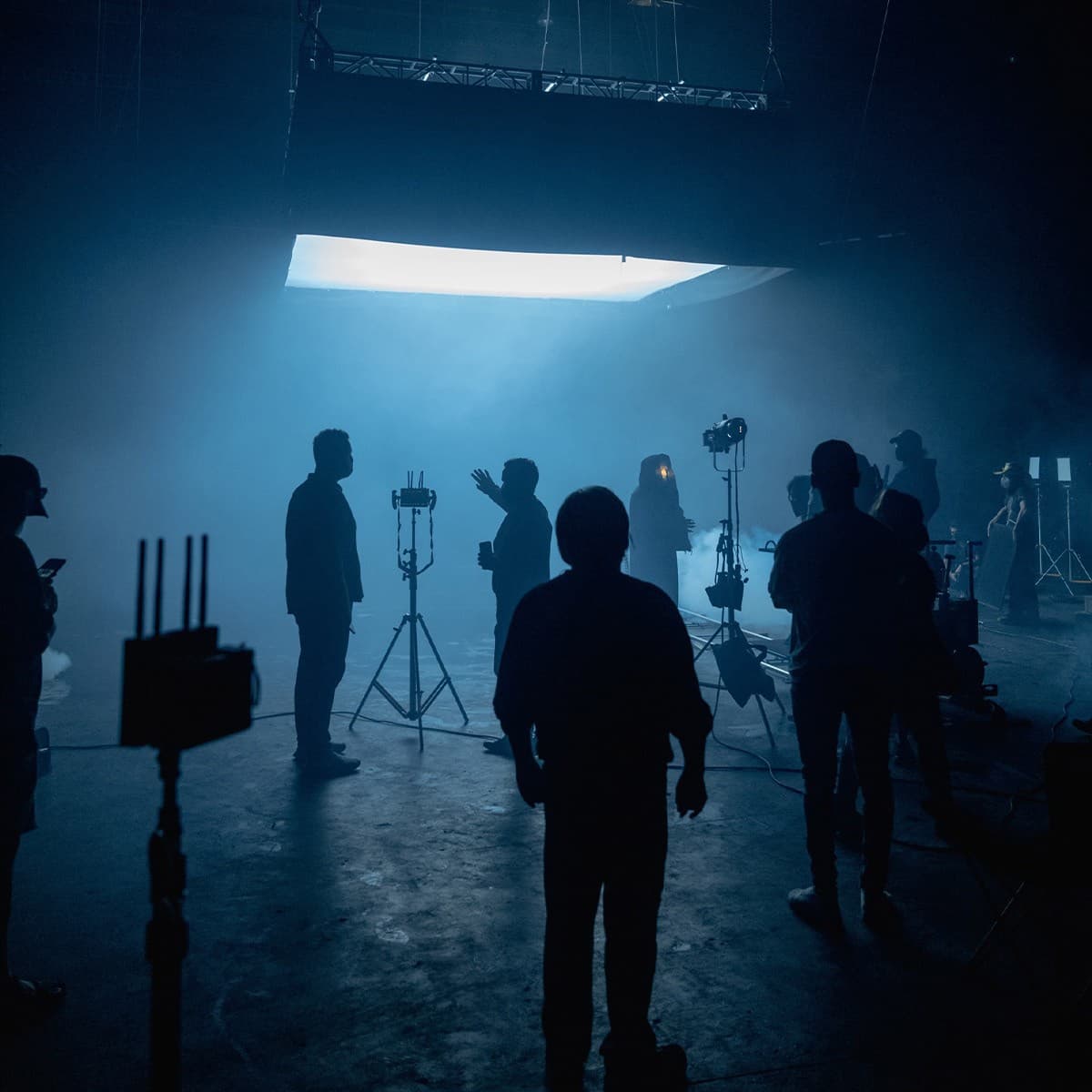
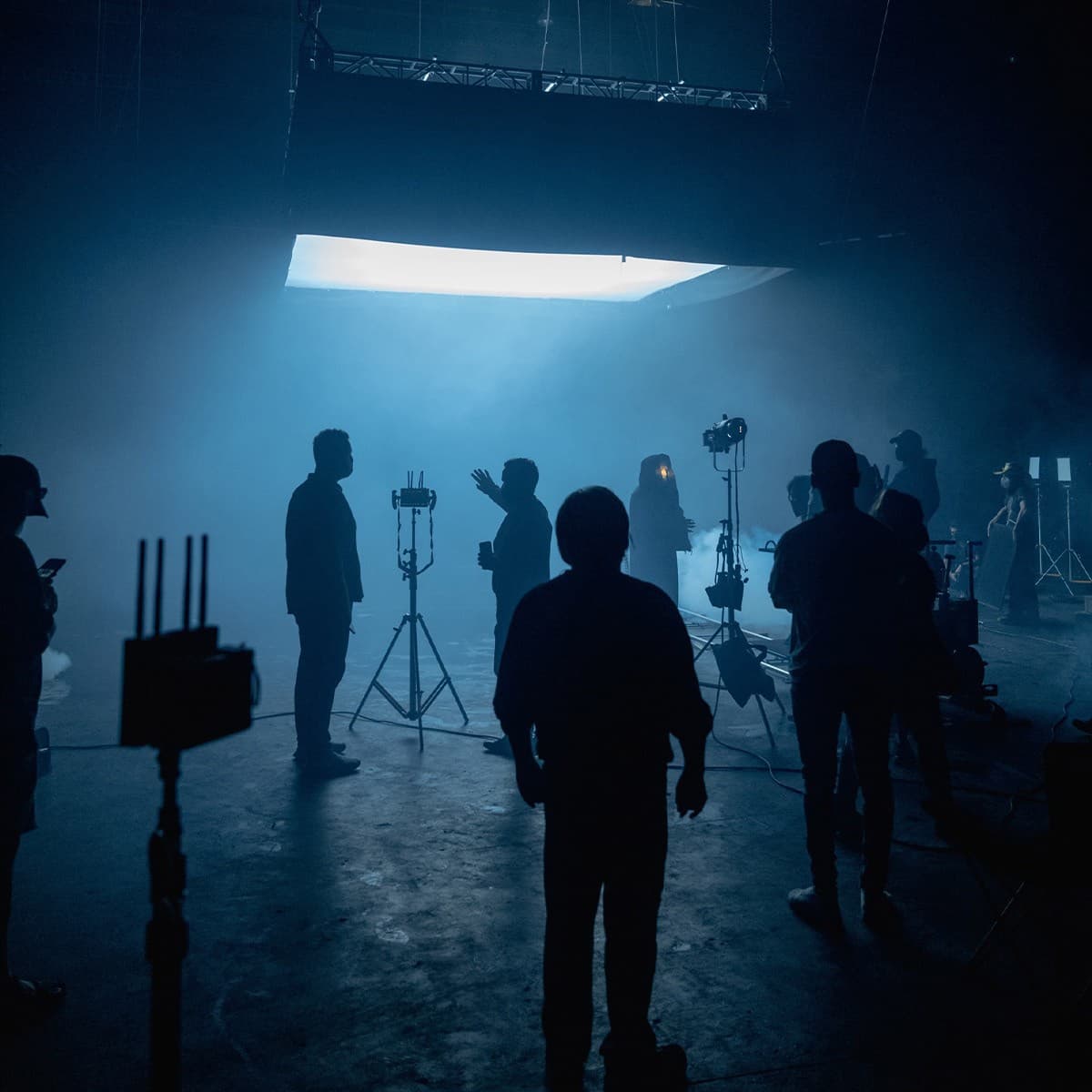
A C camera operator is the crew member responsible for operating the third camera—designated C cam—on multi-camera film and television productions. While the A camera operator works closest to the director of photography (DP) and handles primary coverage, and the B camera operator provides complementary angles and close-ups, the C cam fills the gaps: reaction shots, safety wides, stunt or action coverage, insert shots, and any additional angle the DP needs to guarantee a complete editorial cut without requesting another take.
In the hierarchy of the camera department, the C cam operator holds the same union standing as A and B cam operators—all are members of the International Cinematographers Guild, IATSE Local 600—but the C cam role demands a particular combination of versatility, restraint, and situational awareness that sets it apart. You must know exactly what A and B cameras are framing at all times to avoid crossing into their shots, and you must be ready to pick up any rig or movement system the DP assigns: handheld, Steadicam, dolly, jib, remote head, gimbal, or crash cam.
The Multi-Camera System: A, B, and C Cams
Modern narrative and episodic television productions routinely shoot with two to four cameras rolling simultaneously. The logic is efficiency: by capturing multiple angles in a single take, productions reduce the number of setups required each day, keep costly talent on their feet for fewer hours, and give editors more coverage to work with in the cut.
Each camera in the package has a defined role negotiated between the DP, director, and operators in the pre-shoot meeting:
A camera is the primary camera. It shoots the DP's hero angle—often the master or the protagonist's close-up—and is typically operated by the most senior operator, sometimes the DP themselves.
B camera provides the complementary angle, usually a tighter cut-in, an over-the-shoulder, or the reverse of the A-cam setup. B cam operators are expected to work in close creative communication with A cam and the DP.
C camera is the flexible unit. The C cam may shoot the wide safety shot that gives the editor a bailout option, capture reactions from supporting cast while A and B lock on the leads, roll as the stunt or action camera in physically risky situations where the primary cameras cannot go, or handle insert work—extreme close-ups of hands, props, screens, or any detail the main cameras were too wide to capture.
On large-scale productions—streaming dramas, network episodics, premium cable shows—a D camera (and sometimes a fourth or fifth unit) may also be deployed, pushing C cam to an even more specialized function within the multi-camera grid.
C Camera Operator vs. A and B Camera Operators
The distinctions between A, B, and C operators are partly organizational and partly cultural. A cam operators tend to carry the most operator-specific creative input; their framing choices directly influence the edit. B cam operators must mirror A cam's visual language while adding something the A cam cannot provide. C cam operators are often valued most for their physical versatility and their ability to work in constrained spaces, move fast between setups, and avoid disrupting the primary cameras' sight lines.
Day rate differentials between A, B, and C operators are small on union shoots—all three are covered under the same IATSE Local 600 scale—but on non-union productions the C cam operator may earn a slightly lower rate reflecting their junior position in the camera hierarchy.
IATSE Local 600 and the Camera Department
All camera operators on union productions in the United States—regardless of letter designation—are represented by the International Cinematographers Guild, IATSE Local 600. Membership requires demonstrating sufficient days of qualifying camera department work and paying initiation fees. Local 600 covers DPs, camera operators (A, B, and C), 1st ACs (focus pullers), 2nd ACs (clapper/loaders), digital imaging technicians (DITs), and camera production assistants (PAs).
Working under a Local 600 contract entitles the C cam operator to negotiated minimum daily rates, overtime protections, pension contributions, and health benefits—a significant financial advantage over non-union work on lower-budget productions.
The C Cam Operator's Relationship to the DP and A Cam
The C cam operator receives their assignment from the DP—either directly or through the A cam operator—during the blocking rehearsal before each setup. The DP specifies the lens range, the coverage objective (reaction, wide, insert, stunt), and any movement required. The C cam operator then positions independently, checking framing against the A and B cameras to ensure none of the three cameras are in each other's shots.
During a take the C cam operator communicates silently with the others—through eye contact, hand signals, or the production's radio channel—to coordinate movement and avoid crossing the line or entering the primary camera's field of view. After the take the C cam operator reports the take to the script supervisor and confirms coverage to the DP before the company moves on.
Productions using cloud-based production management software like Saturation.io increasingly track camera department scheduling, equipment costs, and day-out-of-days data in real time, which can affect how many camera units a production can afford to carry simultaneously and for how many shooting days.
Role & Responsibilities
Day-to-Day Duties of a C Camera Operator
The C camera operator's responsibilities span every phase of the shooting day, from camera prep and blocking rehearsals through shooting and wrap. Understanding the full scope of those duties is essential for anyone targeting this position.
Pre-Production and Camera Prep
Before principal photography begins, the C cam operator participates in camera prep at the rental house alongside the A and B cam operators and their respective 1st ACs. During prep the team tests the camera body and lens package assigned to C cam, including focus marks, lens breathing characteristics, and any idiosyncrasies of the specific body that will affect the 1st AC's pulling. They configure the camera for the DP's preferred color science, frame rate, and sensor mode, and check all movement systems—handheld shoulder mount, Steadicam vest and arm, gimbal system, remote head pan-tilt unit—for mechanical integrity and balance.
Communication protocols are established with the A and B operators: what signals they will use to indicate they are rolling or have cut, and how C cam will call out if it has a shot problem during a take.
Blocking Rehearsals and Shot Assignment
At the start of each new setup, the director runs a blocking rehearsal with the actors and department heads. During this rehearsal the DP choreographs all three cameras simultaneously. The C cam operator's job is to observe the action and identify where C cam can add coverage value without compromising A or B cam. Experienced C cam operators often read the scene and volunteer a reaction angle or a safety wide that the DP had not yet designated.
The operator must also identify physical constraints—walls too narrow for a dolly, talent blocking a C cam sight line, a window that will blow exposure if C cam pans into it—and confirm with the 1st AC the focus distance and depth of field for the assigned lens so that focus marks can be pulled accurately.
Executing the Assigned Shot During Takes
During a take the C cam operator is fully responsible for the image coming out of C cam. They execute the assigned shot per the DP's direction—whether a static wide, a reactive pan to follow supporting cast, a handheld push-in on a prop, or a fluid move on a gimbal or dolly.
Visual consistency is critical. If A cam is shooting at T2.8 with a warm color temperature and a 180-degree shutter, C cam must match those parameters exactly so the editor can cut between cameras without a visual mismatch. Equally important is spatial awareness: moving into the A cam frame is a serious error that can cost the production a take and generate friction on set.
When actors improvise or blocking shifts from rehearsal, the C cam operator must adjust coverage instantly using their own editorial judgment, then report any shot problems—a shadow, a microphone dipping into frame, a continuity issue—clearly and quickly before the production moves on.
Stunt and Action Coverage
One of the most distinctive functions of the C cam on action and genre productions is stunt coverage. When a stunt is performed—a fight, a fall, a vehicle chase, a practical explosion—C cam is frequently assigned to the physically riskiest positions: a crash camera mounted low and close to the action, a remote head on a vehicle or wire rig, or a small-bodied camera tucked into a space too confined for the main camera package.
Because stunt coverage is often unrepeatable—especially with practical pyrotechnics or wire gags—the C cam operator must be technically precise and unflappable under pressure. Coordination with the stunt coordinator and 1st AD is essential before any stunt setup begins.
Insert and Detail Shots
Insert shots are close-up images of specific objects or actions that cannot be covered adequately by the main cameras: a character's hands dialing a phone, a document being signed, a screen displaying critical story information, a weapon being loaded. The C cam operator frequently handles these pickups during the main photography day or in a dedicated insert unit. Insert work requires patience, fine lens control, and close collaboration with the props department and script supervisor to ensure continuity matches the rest of the scene.
Movement Between Setups
On busy episodic schedules—where a crew might complete twelve to fifteen setups in a twelve-hour day—the C cam operator must strike, move, and rebuild their camera package quickly. This includes efficiently wrapping the current rig, transitioning to the next movement system (pulling off a dolly to go handheld for an intimate dialogue scene), coordinating with the 2nd AC on lens changes, and arriving at the new setup already briefed on the assigned angle.
Communication and Crew Coordination
The C cam operator works in constant communication with the DP (receiving angle assignments and technical parameters), the A and B cam operators (coordinating framing and sight lines), the 1st AC (providing focus distances and move cues), the 2nd AC (confirming camera ID, roll numbers, and slate information), the script supervisor (reporting coverage and flagging issues), and the stunt coordinator and 1st AD (receiving safety briefings before action sequences).
Skills Required
Essential Skills for a C Camera Operator
C camera operators are evaluated on a dense combination of technical mastery, physical performance, and interpersonal skills. The role demands more than the ability to point a camera—it requires operating fluency across multiple systems, spatial intelligence on a crowded set, and the composure to perform in high-pressure situations with expensive talent waiting on your frame.
Multi-Camera Spatial Awareness
The defining skill that separates an effective C cam operator from merely a competent one is the ability to track the framing and movement of two other cameras simultaneously while operating their own. This means understanding the field of view of A and B cam at any given moment based on lens, distance, and angle; anticipating movements the other operators might make so that C cam's position does not block a primary angle mid-take; and reading the choreography of a scene quickly enough during blocking to identify a position that adds coverage value without crossing the line or entering the other cameras' frames.
This situational awareness is built through years of camera department experience, particularly time spent as a 1st AC watching operators work and learning to read the geometry of a multi-camera setup.
Camera Operation Across All Movement Systems
A versatile C cam operator must be fluent on every major camera movement platform:
Handheld: The most physically demanding form of camera operation. Effective handheld work requires controlled breathing, a stable shoulder mount, and the ability to maintain smooth movement despite the natural instability of the human body. For reaction coverage and intimate scenes, handheld is frequently the C cam's default configuration.
Steadicam: A motorized stabilization system that allows the operator to move fluidly through space. Operating Steadicam requires a separate skill set and significant practice; operators who are also certified Steadicam operators add significant value to any multi-camera package.
Dolly: A wheeled camera platform ridden by the operator and pushed by a dolly grip. Dolly operating requires coordination with the grip, precise timing of movement against the actor's performance, and the ability to maintain a fluid frame through curves and elevation changes.
Remote heads and gimbal systems: When C cam is placed in a position the operator cannot physically occupy—mounted on a vehicle, inside a confined prop, on a cable cam above a set—the operator controls framing via a remote head or gimbal using a joystick and monitor. This requires learning the feel of electronic pan-tilt controls and understanding system lag.
Jib and crane arms: C cam may be placed on a jib arm for elevated angles, requiring the operator to frame using a monitor mounted near the base of the jib while a technician manages the arm movement.
Shot Consistency Across Multiple Cameras
Editors can only cut between A, B, and C camera angles if those angles are visually consistent in exposure, color, depth of field, and framing logic. The C cam operator must read and match the exposure set by the DP for A camera, maintain consistent lens choices relative to the established shooting style, and frame reactions and cutaways in a way that is editorially coherent—maintaining the correct screen direction for each character relative to the master setup and the other cameras.
Lens Knowledge and Optics
C cam operators must understand the creative and technical implications of different lens choices: the difference between spherical and anamorphic lenses and how each affects bokeh and depth of field; how focal length affects the apparent size of background elements; focus breathing and how it affects framing decisions; and T-stop vs. f-stop communication with the 1st AC for accurate focus pulling.
Camera System Fluency
Productions shoot on a variety of camera systems—ARRI ALEXA 35 and LF, Sony VENICE 2, RED Raptor and V-RAPTOR, Blackmagic URSA Cine, and various specialty cameras for crash, insert, or aerial work. C cam operators must be able to operate any body a production requires, which means familiarity with menu navigation and on-set configuration for major cinema camera bodies, the physical ergonomics of each body's operator interface, and format-specific considerations around sensor size, native ISO, and codec settings.
Physical Fitness and Stamina
Camera operating—particularly handheld—is physically demanding. Long shooting days (twelve hours or more) with heavy camera packages, repetitive movements, and challenging locations (uneven terrain, extreme temperatures, confined spaces) require genuine physical conditioning. Many operators maintain regular fitness routines specifically to extend their handheld operating stamina and reduce the risk of repetitive-stress injuries to shoulders, wrists, and lower back.
Communication and Set Professionalism
The C cam operator works in a web of relationships that require clear, efficient communication without disrupting the pace of production. Operators who create friction—who argue with the DP over shot selection, who miss calls because they are adjusting their rig, who fail to report a technical problem during a take—quickly develop reputations that limit their hiring. The most sought-after operators are technically excellent and invisible problems: they solve issues quietly, communicate clearly, and keep the production moving.
Salary Guide
C Camera Operator Salary and Day Rate Guide (2025–2026)
Camera operator compensation in the US film and television industry is structured primarily around daily rates rather than annual salaries. Most operators work as freelancers, moving between productions, and income depends on the number of days worked, production tier, union status, and geographic market.
IATSE Local 600 Minimum Day Rates
On productions covered by an IATSE Local 600 collective bargaining agreement, camera operators—including C cam operators—are guaranteed negotiated minimum daily rates. Under the most recent IATSE agreement covering theatrical and streaming productions, camera operators on major studio and streaming productions earn scale rates typically in the range of $600 to $900 per day at minimum, with experienced operators negotiating above-scale rates that can reach $1,200 to $1,800 per day or higher depending on the specific production and the operator's reputation.
Overtime provisions apply after twelve hours (with penalties at fourteen and sixteen hours), plus turnaround provisions and meal penalties. On high-volume shooting days, actual daily earnings from a union shoot can substantially exceed the base rate. For the most current IATSE Local 600 rate tables, contact the guild directly or consult the Bureau of Labor Statistics occupational outlook for camera operators.
Non-Union and Independent Production Day Rates
On non-union productions—independent features, music videos, branded content, web series, and lower-budget streaming productions—C cam operator day rates are negotiated individually:
Emerging and micro-budget productions: Day rates of $300 to $500 are common, often with deferred payment components on very low budgets.
Mid-range independent productions: Rates of $500 to $850 per day are typical for experienced operators with strong reels and three to seven years of experience.
Commercial production: Advertising productions often pay camera operators at higher rates than narrative—$750 to $1,500 per day—because commercial budgets are larger relative to shooting days and the client demands top-tier technical execution.
Rate Variation by Production Type
Network and premium cable episodic television: Major network dramas and premium cable series typically shoot under IATSE agreements. C cam operators on a long-running episodic series can accumulate substantial annual income due to the volume of shooting days across a 22-to-26-episode order.
Streaming originals (Netflix, Disney+, Amazon, Apple TV+): These productions represent some of the highest-budget work in the industry. Day rates at the top tier of streaming production can exceed $1,500 to $2,000 per day for veteran operators with strong credits.
Feature films: Studio feature day rates are comparable to premium episodic, but feature schedules tend to be longer and more concentrated—a 60-to-90-day shoot versus the ongoing cadence of episodic work.
Reality and unscripted television: Camera operators on reality television often work under different rate structures, sometimes with all-in day rates that include camera equipment packages. Rates vary widely from $500 to $1,200 per day depending on the show's budget.
Annual Income Estimates
A well-established C cam operator in a major market working primarily on union productions might work 150 to 220 days per year, generating gross earnings in the range of $90,000 to $200,000 or more. Operators who are less established or working predominantly in non-union markets typically earn $50,000 to $90,000 per year.
The Bureau of Labor Statistics (BLS) reports a median annual wage for the combined category of film and video editors and camera operators (SOC 27-4030) of approximately $68,000 to $78,000—but this figure spans all experience levels, markets, and production types and does not separately isolate experienced union camera operators on major productions, whose earnings are typically substantially higher.
Geographic Market Differences
Los Angeles: The primary market for studio feature and network/streaming episodic production. Rates are highest here, and competition is fiercest. Experienced operators working consistently in LA can reach the upper end of all rate ranges.
New York: Strong market for commercial production, episodic television, and documentary work. Rates are comparable to LA with a somewhat different production type mix.
Atlanta: Georgia's tax incentive program has made Atlanta one of the country's most active production markets, particularly for streaming originals, superhero franchises, and action features. Rates are somewhat below LA/NY top tier but rising as more productions base there permanently.
New Mexico and other incentive states: States with strong tax incentive programs attract production and create additional working days for operators based there or willing to relocate temporarily for a show.
Kit Rental and Additional Income
Some C cam operators own specialized equipment—a gimbal system, a Steadicam rig, a crash cam package—that they rent to productions as a kit fee on top of their operator day rate. Kit fees typically run $100 to $400 per day depending on the equipment, providing meaningful supplemental income. Equipment depreciation, maintenance, and insurance costs must be factored into the financial calculation when deciding whether to invest in personal camera equipment.
FAQ
Frequently Asked Questions: C Camera Operator
What does a C camera operator do on set?
A C camera operator is responsible for operating the third camera—designated C cam—on multi-camera productions. Their coverage typically includes reaction shots of supporting cast, wide safety shots that give the editor a cutaway option, insert and detail shots (close-ups of props, hands, screens), stunt or action coverage where placing the primary cameras would be impractical or unsafe, and any supplemental angle the director of photography assigns. The C cam operator receives their shot assignment from the DP during blocking and operates independently throughout each take.
What is the difference between A, B, and C camera operators?
In a multi-camera production, the A camera operator handles the primary hero angle as directed by the DP—typically the master or the lead actor's close-up. The B camera operator covers the complementary angle, usually an over-the-shoulder or reverse. The C camera operator fills the remaining coverage needs: reactions, wides, inserts, and action cameras. All three operate under the same IATSE Local 600 union contract on union productions. The C cam role is typically considered a more junior operator position and often serves as the entry point for 1st ACs transitioning into operating.
How much does a C camera operator make per day?
Day rates for C camera operators vary by production type, union status, and market. On IATSE Local 600 union productions (major network, streaming, and studio work), C cam operators earn scale rates in the range of $600 to $900 per day at minimum, with experienced operators negotiating $1,200 to $1,800 per day or more above scale. On non-union independent productions, rates typically run $300 to $850 per day. Commercial production tends to pay at the higher end—$750 to $1,500 per day—due to larger advertising budgets relative to shoot days.
Do you need to join IATSE Local 600 to work as a camera operator?
IATSE Local 600 membership is required to work as a camera operator on productions covered by a Local 600 collective bargaining agreement, which includes most major network television series, premium cable, and studio feature films. To join, you must first accumulate a qualifying number of working days in the camera department on covered productions. Many operators start on non-union work—independent features, music videos, commercials—to build their experience before qualifying for Local 600 membership.
What type of shots does C camera typically cover?
The C camera most commonly covers: reaction shots of supporting or secondary cast while A and B cameras cover the leads; wide safety shots the editor can cut to at any point; insert shots (close-up detail of props, hands, documents, screens); stunt and action coverage where the primary cameras cannot be safely placed; and any supplemental angle the DP designates to maximize coverage efficiency per take. On action-heavy productions, C cam may spend the majority of the day as the designated stunt or effects camera.
How do you become a C camera operator in film and TV?
The standard path to becoming a C camera operator in the US film industry follows the camera department ladder: start as a camera PA or 2nd AC (clapper/loader), work up to 1st AC (focus puller) over three to seven years, build an operating reel through second unit work, commercials, or low-budget features, and begin booking C cam operator days. Many operators also work as Steadicam operators or gimbal specialists to differentiate themselves and access operating days before getting broader C cam credits. Film school provides useful technical foundation but is not required—set experience is the primary qualification.
What camera systems does a C camera operator need to know?
C camera operators must be fluent on all major cinema camera platforms, as production requirements vary by show. The most common systems in current production include the ARRI ALEXA 35 and LF, Sony VENICE 2, RED Raptor and V-RAPTOR, and for lower-budget or specialty applications, Blackmagic URSA Cine and Canon Cinema EOS bodies. Operators also need to be comfortable on all major camera movement systems: handheld/shoulder-mount, Steadicam, dolly, gimbal, remote head, jib arm, and crash cam rigs.
Is C camera operator a union position?
Yes, on productions that work under union agreements, the C camera operator position is covered by IATSE Local 600, the International Cinematographers Guild. Local 600 represents all camera operators—A, B, and C—as well as DPs, 1st and 2nd ACs, DITs, and camera PAs. Working under Local 600 provides access to negotiated minimum rates, overtime protections, meal penalty provisions, health benefits, and pension contributions. Many C cam operators work non-union while building their experience before qualifying for Local 600 membership.
Education
How to Become a C Camera Operator
There is no single degree or credential required to become a C camera operator in the United States, but the path into the role is well-established within the camera department ladder. The typical progression moves from camera PA or 2nd AC up through 1st AC before operators earn their first operating opportunities.
The Camera Department Ladder
The film and television camera department operates as a structured hierarchy, and C camera operators almost universally worked their way up through it.
Camera PA: Entry-level role. Responsibilities include charging batteries, organizing camera reports, running lenses and accessories, and supporting the ACs. Pays modest rates but provides essential set exposure and the opportunity to watch operators and ACs work at close range.
2nd Assistant Camera (2nd AC / clapper loader): Operates the clapperboard, marks actors for focus, loads media (digital magazines or film loads), and manages camera paperwork including reports for each roll and take. The 2nd AC develops intimacy with the camera package and the rhythm of production.
1st Assistant Camera (1st AC / focus puller): Responsible for keeping the image in sharp focus during every take by pulling marks calibrated against the actors' positions. The 1st AC builds and maintains the camera, and is the operator's closest technical partner. Most camera operators spent three to seven years as 1st ACs before operating.
Camera Operator (C, B, or A): After demonstrating sufficient operating skill—often first on second units, low-budget productions, or commercials—a 1st AC earns their first operator credits. C cam is frequently the entry point into operating on larger productions.
Film School and Formal Education
A film production degree or camera-specific conservatory program is not required, but it provides meaningful advantages for candidates entering the camera department.
BFA in Film Production (four years): Programs at schools such as AFI, USC, NYU, Chapman, and Loyola Marymount provide hands-on camera experience across formats and genres. Graduates often enter the industry as 2nd ACs with stronger technical foundations than self-taught candidates.
AAS in Cinematography or Media Production (two years): Community college programs offer more affordable entry points with practical camera operation coursework. Many working operators started this way before building set hours.
Certificate and Workshop Programs: Short-format programs through the American Film Institute, IATSE Local 600 workshops, and camera manufacturers (ARRI Academy, Sony Cine, RED Master Series) provide targeted technical training on specific camera systems—particularly valuable for operators transitioning between format families.
Regardless of educational background, the most important factor is accumulating on-set hours working with the camera. No classroom replicates the pressure, pace, and communication dynamics of a real production set.
Building an Operating Reel
Securing work as a C cam operator requires demonstrating operating ability to DPs and production companies. The primary vehicle for this is the operating reel—a curated two-to-three-minute sizzle reel of footage you operated. Effective reels lead with the most visually dynamic material (fluid movement, well-composed reaction shots, challenging operating conditions executed cleanly), include a variety of production types to demonstrate range, and label each clip with the production name and the operator's specific contribution.
DPs hire operators they have not worked with before almost entirely on reel quality and reputation. The reel is your primary marketing tool, and it should be updated after every significant production that generates strong operating material.
IATSE Local 600 Membership
Working on union productions in the US—network television, major streaming series, studio features—requires membership in IATSE Local 600, the International Cinematographers Guild. To qualify, you must accumulate qualifying days working in the camera department on productions that maintain a Local 600 collective bargaining agreement. After meeting the experience threshold you pay an initiation fee—typically in the range of $6,000 to $8,000 depending on your market—and begin paying ongoing dues.
Once on the Local 600 roster you are eligible to work as a union operator on any production that signs a Local 600 agreement, gaining access to scale rates, overtime protections, health coverage, and pension contributions.
Many C cam operators start on non-union productions—music videos, commercials, low-budget indie features—and accumulate days until they qualify for Local 600. Working non-union is not a black mark; it is the standard path into the union for operators who did not come through a studio apprenticeship program.
Second Unit and Commercial Operating
Two of the most common paths to first-time operating credits are second unit work and commercial production. Second units are smaller, faster-moving camera crews that shoot coverage the main unit does not have time for—establishing shots, aerial photography, additional action sequences—and they often hire less-experienced operators at lower rates. Commercials move at a different pace than narrative but provide high-production-value footage for a reel and introduce operators to agency-level DPs who frequently cross over to episodic television.




























Budget Templates
Budget crew costs with confidence
Use Saturation to build budgets with accurate crew rates, fringes, and union scales.
Try Free Budget Tool