What is a Camera Operator?
Overview
What Is a Camera Operator?
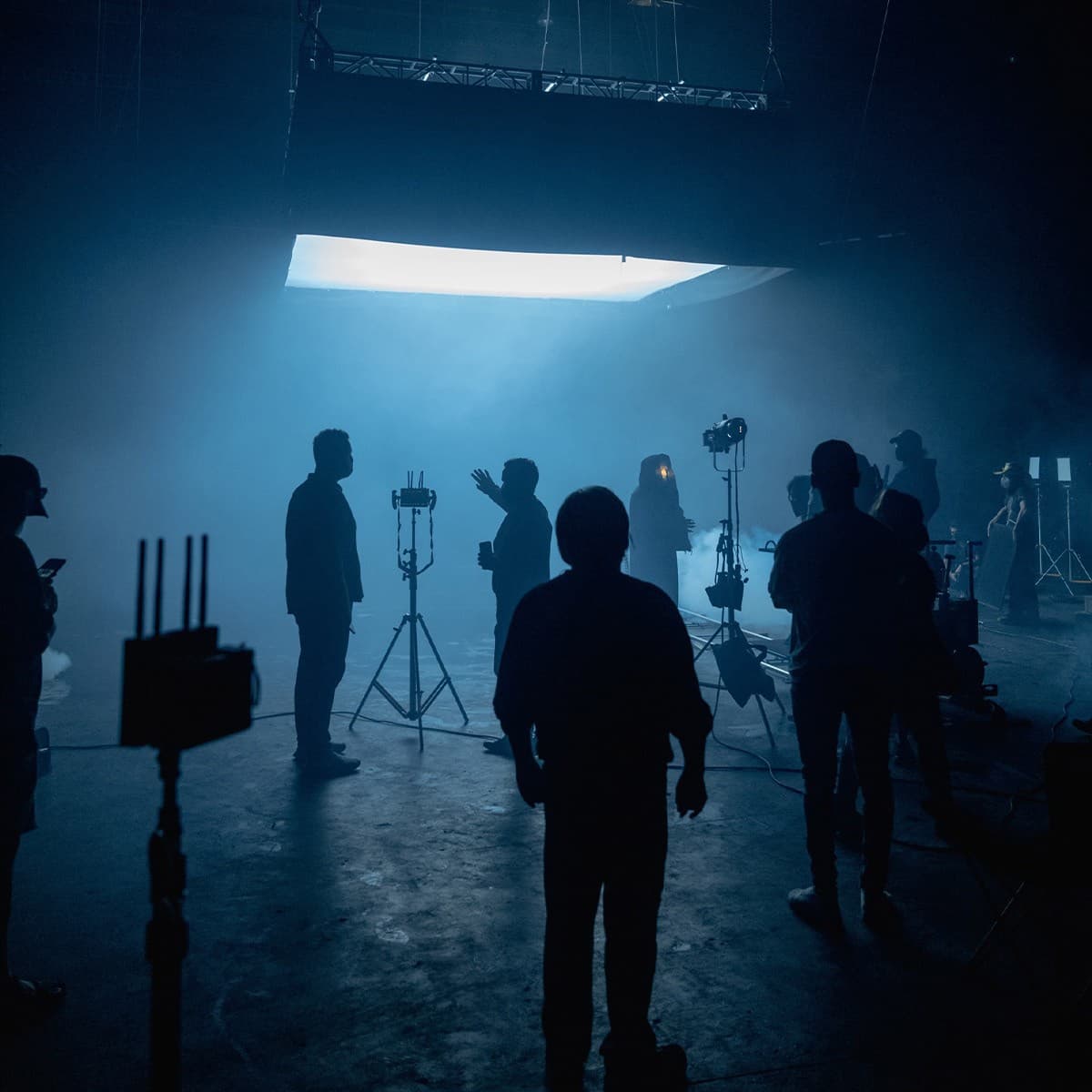
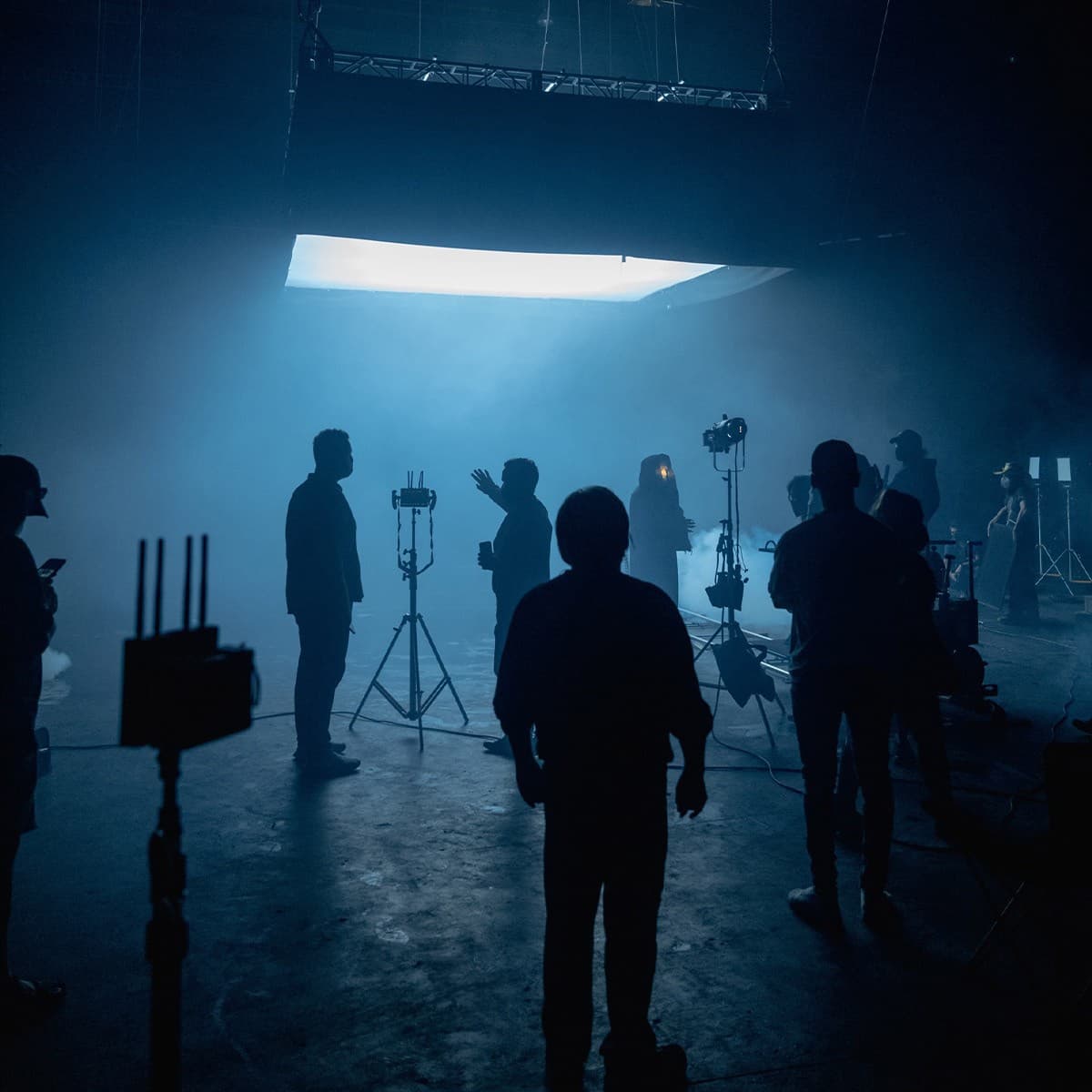
The camera operator is the crew member who physically operates the camera during a take. On a film or television set, the camera operator is responsible for executing the framing, movement, and composition that the Director of Photography (DP) has designed. While the DP lights the scene and establishes the overall visual language of the project, the camera operator translates that vision into motion, guiding the camera through pans, tilts, dollies, cranes, handheld moves, and Steadicam sequences in real time as the actors perform.
The camera operator is distinct from the DP and the camera assistants. The DP makes creative decisions about light, lens selection, and composition. The camera operator executes those decisions on the camera body itself. On smaller productions, the DP and camera operator may be the same person, but on professional narrative features, episodic television, commercials, and high-end documentary productions, the roles are filled by separate specialists.
Camera operators are part of the camera department, which is one of the most technically demanding departments on any production. Tracking production expenses across camera rentals, insurance, prep days, and operating fees is a significant budgeting task. Productions using Saturation.io's cloud-based production management platform can manage camera department costs in real time alongside the rest of the production budget.
Types of Camera Operators
The title "camera operator" encompasses several distinct specializations, each requiring different physical skills and technical knowledge:
- A Camera Operator: Operates the primary camera on a production. On single-camera shoots, this is the only operator. On multi-camera setups, A camera typically covers the primary coverage and close-ups.
- B Camera Operator: Runs the second camera simultaneously with A camera. B camera often covers a complementary angle, wide shots, inserts, or reaction shots. The B camera operator works closely with the A camera operator to ensure both cameras cut together effectively.
- C Camera Operator: A third camera used on action sequences, complex multi-angle scenes, or productions that regularly shoot with three simultaneous cameras. The C camera operator often works in more challenging positions, getting specialty shots that A and B cannot cover from their setups.
- Steadicam Operator: A specialized camera operator certified and trained in the Steadicam stabilization rig. Steadicam operators produce smooth, flowing camera movement that is distinct from handheld (which has an organic shake) and dolly work (which is mechanically smooth). Steadicam operation is a specialized sub-discipline that requires years of dedicated physical and technical training.
- Remote Head Operator: Operates remotely controlled camera heads, such as the ARRI Artemis or Technocrane remote head, from a monitor position rather than physically behind the camera. Remote heads allow camera placement in locations inaccessible to a physical operator.
- Handheld Operator: While all operators do some handheld work, some specialize in sustained handheld operation, particularly in documentary, run-and-gun narrative, and action sequences where the organic energy of handheld framing is intentional.
Where the Camera Operator Fits in the Crew Hierarchy
In the camera department hierarchy on a union narrative production:
- Director of Photography (DP / Cinematographer) - creative department head
- Camera Operator - executes framing and camera movement
- 1st Assistant Camera (1st AC / Focus Puller) - pulls focus, manages camera package
- 2nd Assistant Camera (2nd AC / Clapper Loader) - slates, marks actors, supports 1st AC
- Digital Imaging Technician (DIT) - manages digital workflow and on-set color
- Camera PA / Camera Loader - entry-level department support
The camera operator reports to the DP. On productions with a strong director-operator relationship, the camera operator may also receive direct creative input from the director regarding framing and coverage preferences. The camera operator collaborates horizontally with the 1st AC, who manages focus while the operator manages movement and composition.
Role & Responsibilities
Blocking Sessions with the Director and DP
Before cameras roll, the camera operator participates in blocking sessions where the director determines actor movement and the DP designs the camera coverage. During blocking, the camera operator physically walks through the planned camera moves, identifies practical challenges (tight spaces, obstructions, movement timing), and collaborates with the DP to refine the execution of each shot. This pre-roll preparation is essential: an operator who has thoroughly worked through a shot in blocking will execute it cleanly when the take begins.
Executing Camera Movement During Takes
The primary on-set responsibility of the camera operator is to operate the camera during takes. Depending on the shot type, this means:
- Executing smooth, motivated pans and tilts that follow action without calling attention to the camera
- Riding a dolly in coordination with the dolly grip, who pushes the camera platform while the operator handles the pan and tilt head
- Operating a handheld camera, absorbing or intentionally emphasizing the organic energy of handheld movement to serve the scene
- Running Steadicam sequences, maintaining smooth movement and precise framing over extended shots that may last 30 seconds to several minutes
- Operating from a crane or Technocrane arm, managing the head remotely or in person depending on the rig configuration
- Executing focus marks and camera movement in precise coordination with the 1st AC, who is pulling focus simultaneously
Maintaining Framing and Composition
The camera operator is responsible for maintaining the agreed-upon framing throughout every take. This means:
- Holding the established shot size (close-up, medium, wide) consistently across all takes of a scene
- Managing headroom (the space above the subject's head in frame) and lead room (the space in front of a moving subject) consistently
- Protecting the frame from unintended intrusions by boom microphones, other crew members, set equipment, or lighting fixtures
- Adjusting framing in real time when actors deviate from their rehearsed blocking while maintaining the visual continuity of the coverage
- Communicating frame issues quickly when a take has a framing problem, so the director can decide whether to print the take or go again
Collaboration with the Director of Photography
The relationship between the camera operator and the DP is the central professional relationship in the camera department. The camera operator must understand and internalize the DP's visual intentions so thoroughly that they can execute shots without requiring detailed instruction on every setup. Key aspects of this collaboration include:
- Reading the DP's shot lists and storyboards before production begins
- Discussing lens choices, frame sizes, and movement motivations so the operator knows why each shot is designed the way it is
- Communicating clearly when a planned shot presents practical difficulties, offering alternatives or raising concerns before a problem materializes on set
- Providing feedback after takes on framing issues, unintended movement, or compositional problems the DP may not have seen from their monitor position
Coordination with the 1st AC
The camera operator and 1st AC work as an integrated team during every take. The 1st AC is managing focus from beside or behind the camera while the operator is executing the movement. Their coordination includes:
- The operator communicating camera movement speed, direction, and magnitude to the 1st AC so focus adjustments can be anticipated
- The 1st AC calling out when focus is not achievable on a planned move, so the operator can adjust the blocking or shot design in collaboration with the DP
- Both agreeing on floor marks and actor positions before a take so focus marks are set correctly
- The operator calling "mark" or signaling when actors hit key positions during a take, helping the 1st AC execute a critical focus move at the right moment
Handheld Operating Technique
Handheld operation is one of the most demanding physical skills a camera operator develops. Effective handheld work requires:
- Distributing the camera's weight evenly across the shoulders, chest, and arms to sustain stable framing over long takes
- Using controlled breathing and body movement to manage the subtle organic motion that defines the handheld aesthetic
- Moving with the actors naturally, staying in frame without bumping into furniture, other actors, or lighting stands
- Communicating clearly with the 1st AC about the path of movement so focus moves can be planned in advance
- Understanding when the director wants energy and movement and when they want a more controlled, intimate handheld feel
Protecting the Frame
The camera operator is the last line of defense against the frame being compromised during a take. Common frame protection responsibilities include:
- Watching the edges of the frame for boom microphone intrusions
- Identifying when a lighting fixture, cable, or set piece is visible in frame when it should not be
- Calling cut or signaling the assistant director when a significant frame compromise occurs mid-take
- Working with the sound department boom operator to establish a shared understanding of where the microphone must stay above frame line
Dolly Operation Coordination
On dolly shots, the camera operator and dolly grip work as a paired team. The dolly grip pushes and steers the camera platform on its tracks while the operator manages pan, tilt, and zoom. Effective dolly operation requires:
- Communicating clearly with the dolly grip about movement speed, start and stop points, and any direction changes during the move
- Coordinating the pan and tilt movements to complement the dolly push, creating a cohesive combined camera move rather than competing movements
- Rehearsing complex dolly moves until both the operator and dolly grip can execute them consistently across multiple takes
Camera Reports and Documentation
While the 1st AC completes the formal camera report, the camera operator contributes technical information from each setup: lens used, focal length, operator notes on any unusual shot circumstances, and any compositional issues from specific takes that should be flagged for the editor's awareness. On productions where the camera operator also functions as the DP, full camera report responsibility falls to the operator.
Skills Required
Compositional Instinct and Frame Awareness
The foundation of camera operating is an innate visual instinct for composition: how subjects are positioned within the frame, how much headroom and lead room to leave, how the frame edges interact with the subject, and how the composition communicates emotional information to the audience. This compositional sense must become second nature so the operator can maintain it under the pressure and movement of a live take.
Camera operators develop compositional skill by studying cinematography, watching films analytically (not passively), and shooting regularly to internalize how different lenses and distances affect spatial relationships in the frame. The best operators can explain the compositional choices they are making in each shot, not just execute them intuitively.
Understanding Lens Characteristics and Focal Length
Every lens renders space, perspective, and depth of field differently. A camera operator who understands lenses can work more effectively with the DP in choosing the right tool for each shot and can anticipate how movement will look on camera before the take rolls:
- Wide lenses (14mm-28mm): Exaggerate depth and perspective. Wide lenses are forgiving of focus but make subjects appear smaller and more distant. Handheld work on wide lenses produces more visible camera shake relative to the subject size.
- Normal lenses (35mm-50mm): The most natural perspective, closest to human vision. Versatile for coverage and handheld work. The 35mm and 40mm are among the most common lenses on any camera package.
- Medium telephoto (75mm-135mm): Compress depth and isolate subjects. Used frequently for close-ups and medium shots. Camera movement is amplified by the focal length magnification.
- Long telephoto (180mm-500mm+): Extreme subject isolation and depth compression. Very shallow depth of field. Any camera movement is dramatically magnified. Handheld operation at long focal lengths requires exceptional physical control or is largely impractical.
- Anamorphic lenses: Produce a distinctive widescreen image with characteristic horizontal lens flares and oval bokeh. Anamorphic lenses have their own focus breathing behavior and compositional qualities that operators must understand.
Camera Systems: What Operators Must Know
A professional camera operator must be comfortable operating across all major cinema camera platforms. Employers and DPs expect operators to be able to pick up any camera system and work with it confidently:
- ARRI Alexa 35, LF, Mini LF: The dominant camera family on major narrative productions worldwide. The ARRI look is valued on prestige features and high-end television. Deep familiarity with ARRI systems is non-negotiable for A camera work in major markets.
- RED Komodo, V-RAPTOR, DSMC3: Common on independent films, music videos, and some streaming productions. RED cameras are popular for their high resolution and modular design.
- Sony VENICE 2, FX9, FX3: Widely used across documentary, commercial, episodic television, and narrative production. The Sony FX3 has become common on lower-budget productions and branded content.
- Blackmagic URSA Cinema, Pocket Cinema 6K: Increasingly popular on independent and micro-budget productions. Operators entering the market will encounter these systems frequently on lower-tier projects.
- Panavision DXL2 / Millennium DXL2: High-end rental systems used on major studio features. Panavision equipment is available only through Panavision rental facilities.
Handheld Operating Technique
Handheld operating is one of the most physically demanding skills in the craft. Professional handheld technique involves:
- Distributing camera weight using a proper shoulder rig, vest system, or EasyRig to reduce fatigue over long takes
- Using controlled breathing and body movement to produce the desired level of organic camera energy
- Moving with actors naturally through spaces without creating jarring, unintended bumps or direction changes
- Framing consistently while physically moving through a set in real time, often in tight spaces with other crew and set pieces
- Calibrating the intensity of handheld movement to match the emotional register of the scene
Steadicam Operation
Steadicam is a specialized camera stabilization system that allows smooth, flowing camera movement independent of the camera operator's body movement. Steadicam operation is a sub-specialty that requires dedicated physical and technical training beyond standard camera operating:
- Balancing the Steadicam rig to achieve the correct drop time (the rate at which the camera tilts when released) for the planned shot
- Building physical endurance to carry the rig for extended periods, often in challenging locations
- Executing complex choreographed movements following multiple actors through locations that a dolly or handheld camera could not achieve
- Working with the 1st AC on extended focus pulls across the full length of a Steadicam shot
Steadicam operators typically complete a Steadicam workshop (Tiffen offers the original manufacturer's workshop program) and spend significant time practicing independently to develop the physical conditioning and technical skill the rig requires. Steadicam operators are often brought in as specialty operators on productions that primarily use a standard camera operator for other coverage.
Communication and Interpersonal Skills
The camera operator works at the center of the set's creative team. Strong professional communication skills are essential:
- Relaying technical information about framing, focus, and camera movement to the DP and director without creating conflict or confusion on set
- Coordinating with the sound department boom operator to protect the top of frame from microphone intrusion
- Working calmly under the pressure of tight shooting schedules, difficult locations, and demanding creative requirements
- Building trusted long-term relationships with DPs, who tend to work with the same operators across multiple productions
Physical Endurance and Spatial Awareness
Camera operating is physically demanding. 12-14 hour shooting days require sustained physical performance while managing heavy camera equipment, moving through challenging locations, and maintaining precise compositional control throughout:
- Building core strength and upper body conditioning to sustain handheld and Steadicam operation without fatigue-induced camera movement
- Maintaining spatial awareness of the camera frame, the 1st AC's position, the boom pole overhead, the dolly track on the floor, and the actors' positions simultaneously
- Recovering quickly between setups when multiple setups are scheduled in rapid succession
Salary Guide
How Much Does a Camera Operator Make?
Camera operator compensation varies significantly based on union status, market, production type, and level of experience. The range spans from entry-level day rates on non-union independent productions to six-figure annual incomes for experienced IATSE Local 600 operators working steadily on major features and episodic television in Los Angeles or New York.
BLS Data: Camera Operators, Television, Video, and Film
The Bureau of Labor Statistics tracks camera operators under SOC code 27-4031: Camera Operators, Television, Video, and Film. According to BLS SOC 27-4031:
- Median annual wage: $68,810 (May 2024)
- Top 10% of earners: $131,000+
- Bottom 25%: Under $40,000
These BLS figures blend all camera operators across all industries, markets, and experience levels, including broadcast television, sports, news, corporate video, and independent film. Camera operators working specifically in narrative film production in major markets (Los Angeles, New York) typically earn above the BLS median, particularly those with union status.
IATSE Local 600 Union Rates (2025-2026)
On productions covered by IATSE Local 600 collective bargaining agreements, camera operator minimum rates are established by contract type and tier. Under the current Basic Agreement for feature films and network television:
- Camera Operator minimum daily rate: $700-$850 per 10-hour day (varies by contract tier and agreement, 2025-2026)
- Weekly guaranteed rate: $3,500-$4,250 per week
- Overtime: Time-and-a-half after 10 hours; double time after 12 hours on most contracts
- Kit rental: Many camera operators invoice an additional kit rental fee of $100-$500 per day for personal operating equipment such as handheld rigs, Steadicam, monitoring equipment, and accessories
These are minimum rates. Experienced, in-demand camera operators on major studio features and streaming originals routinely negotiate above-scale rates. Operators with Steadicam certification typically command a premium over the standard camera operator rate.
Non-Union Day Rates
On non-union productions, including independent films, music videos, commercials, and branded content, camera operator rates are negotiated directly and vary by market, production budget, and operator experience:
- Entry-level / micro-budget productions: $200-$400 per day
- Mid-range independent productions: $400-$700 per day
- Well-budgeted independent / commercial: $700-$1,200 per day
- Experienced non-union operator on commercial / branded content: $1,000-$2,000+ per day
- Steadicam specialist (non-union): $1,500-$3,500+ per day for dedicated Steadicam days, depending on market and production budget
Annual Income by Market and Experience Level
Annual income for a camera operator depends on the number of days worked, which varies based on market, experience, relationships, and how busy the local production landscape is in any given year:
- Los Angeles (Union, A camera, steadily working): $100,000-$250,000+ per year for established operators on major features and episodic television
- New York (Union, steadily working): $90,000-$200,000+ per year
- Atlanta / Georgia (growing market, mix of union and non-union): $70,000-$150,000 per year for operators working regularly on the Georgia production slate
- Secondary markets (New Mexico, New Orleans, Chicago): $50,000-$120,000 per year for well-connected local operators
- Entry-level operators (limited credits, non-union): $30,000-$60,000 per year
Salary by Experience Level
Experience Level
Day Rate (Non-Union)
Annual Estimate
Entry-level (0-3 years operating)
$200-$400
$30,000-$60,000
Mid-level (4-8 years)
$500-$900
$65,000-$120,000
Experienced (8+ years, union)
$850-$1,500+ (above scale)
$100,000-$200,000+
Top-tier (major studio features, Steadicam specialty)
$1,500-$3,500+
$200,000-$350,000+
Additional Income Sources
Camera operators can supplement their base day rate through several standard industry income streams:
- Kit rental: Operators who own their own operating equipment (handheld rigs, shoulder rigs, Steadicam vest and arm, monitoring equipment) can invoice a daily kit rental fee. This is standard practice and expected on union productions.
- Overtime: Long shooting days, which are common on film and television productions, generate overtime pay at 1.5x and 2x the base rate, adding substantially to daily earnings on long days.
- Per diem and travel: On location productions away from home, camera operators receive daily per diem (typically $65-$100 per day on union productions) plus accommodations and travel expenses covered by production.
- Additional camera rates: On multi-camera productions, camera operators running B or C camera may receive additional compensation for each camera unit they are responsible for.
How to Increase Your Camera Operator Income
- Join IATSE Local 600 as early as you qualify: union minimum rates are substantially higher than non-union equivalents on comparable productions
- Develop Steadicam certification and skill: Steadicam operators command a premium rate for the specialized skill the rig requires
- Build long-term relationships with working DPs: a DP who trusts your operating will bring you on every project, providing steady income
- Work commercial productions alongside narrative work: commercial day rates often exceed narrative film rates on a per-day basis
- Own your own operating equipment: kit rental income adds to each day rate and makes you a more self-sufficient operator
FAQ
Frequently Asked Questions: Camera Operator
What does a camera operator do on a film set?
A camera operator physically operates the camera during takes, executing the framing, movement, and composition that the Director of Photography (DP) has designed. The camera operator pans, tilts, dollies, and moves the camera in real time as actors perform. They collaborate with the DP to understand each shot's creative intent, work with the 1st AC to coordinate focus and movement, and protect the frame from unintended intrusions by boom microphones or set pieces. On a professional narrative production, the camera operator is distinct from the DP, who lights and designs the visual language, and the camera assistants, who manage focus and equipment.
How much does a camera operator make?
Camera operator earnings vary by market, experience, and union status. The Bureau of Labor Statistics reports a median annual wage of $68,810 (May 2024) for Camera Operators, Television, Video, and Film (SOC 27-4031). IATSE Local 600 union operators earn minimum daily rates of $700-$850 per 10-hour day (2025 rates). Experienced union operators working steadily in Los Angeles or New York earn $100,000-$250,000+ per year, including kit rentals and overtime. Non-union day rates range from $200 on entry-level productions to $2,000+ per day for experienced operators on well-budgeted commercial work.
What is the difference between a camera operator and a cinematographer (DP)?
The Director of Photography (DP or cinematographer) is the creative department head responsible for the overall visual language of the production: lighting design, lens selection, exposure, and compositional concept. The camera operator executes the DP's vision by physically operating the camera during takes. On small productions, the DP and camera operator are often the same person. On professional narrative features and episodic television, the roles are separated so the DP can focus on lighting and creative decisions while the operator focuses on movement and framing execution. The camera operator reports to the DP.
How do you become a camera operator in film?
The standard path to camera operator in narrative film is to start at the bottom of the camera department, working as a camera PA or 2nd AC, then advancing to 1st AC (focus puller), and eventually transitioning to operating. Most working A camera operators on major productions spent 5-10 years working their way through the department. Film school can accelerate technical knowledge development, but on-set experience is what qualifies you for the role. Building trusted relationships with DPs who will give you operating opportunities is the key career accelerator. In major markets, joining IATSE Local 600 is the long-term professional goal.
What is IATSE Local 600 and do camera operators need to join?
IATSE Local 600 is the International Cinematographers Guild, the union representing camera operators, directors of photography, and camera assistants on major US productions. Local 600 membership provides access to industry minimum rates, health coverage through the Motion Picture Industry Pension and Health Plans, pension benefits, and access to union-covered productions. Camera operators working in Los Angeles or New York on professional narrative film and television should plan to join Local 600. Entry requires accumulating qualifying union days on covered productions, demonstrating professional experience, and being sponsored by existing members.
What is a Steadicam operator?
A Steadicam operator is a specialized camera operator trained to use the Steadicam stabilization rig, a body-mounted camera support system that produces smooth, flowing camera movement independent of the operator's walking motion. Steadicam operation is a sub-specialty requiring dedicated physical conditioning and technical training beyond standard camera operating. Steadicam operators are sometimes hired as specialty operators on productions that use a standard camera operator for most coverage but need extended smooth-movement shots that dolly or handheld operation cannot achieve. Steadicam operators typically command a day rate premium over the standard camera operator rate.
What camera systems should a camera operator know?
A professional camera operator should be comfortable operating across all major cinema camera platforms, including ARRI Alexa (35, LF, Mini LF), RED (Komodo, V-RAPTOR), Sony (VENICE 2, FX9, FX3), Blackmagic (URSA Cinema, Pocket Cinema), and Panavision (DXL2). Each system has different weight distribution, ergonomics, menu systems, and accessories. Operators who are proficient on only one platform limit their employment opportunities to productions using that system. Building fluency across multiple platforms, particularly ARRI which dominates the major production landscape, is essential for a working camera operator.
Are camera operators in demand?
Camera operating is a skilled craft position with steady demand on narrative film, episodic television, commercial, documentary, and streaming productions. The BLS projects modest job growth for camera operators as a category. Competition for work on major productions is significant, and the field rewards those who build strong professional reputations and long-term relationships with directors and DPs. Camera operators who develop specialty skills such as Steadicam, underwater operation, or aerial operating expand their market significantly. The growing streaming landscape has increased the volume of episodic production, which has sustained demand for experienced union camera operators in major markets over the past decade.
Education
Is a Degree Required to Become a Camera Operator?
No degree is strictly required to work as a camera operator in the film industry. The camera operator role is a craft position built almost entirely on demonstrable skill and practical experience. Productions hire camera operators based on their reel, their track record, and their professional reputation, not their academic credentials. That said, formal education offers a structured path to the technical and collaborative knowledge that can take years to accumulate through on-the-job experience alone.
Most working camera operators built their careers by starting at the bottom of the camera department, working as camera PAs and 2nd ACs before stepping up to 1st AC, and eventually transitioning to operating. Some operators make the move from 1st AC to operating earlier in their career; others spend a decade or more as exceptional 1st ACs before they are offered operating credits on major productions.
Film School Programs That Develop Camera Operators
For those pursuing formal education, these programs are recognized as producing technically prepared camera department professionals:
- American Film Institute (AFI) Conservatory, Los Angeles: The Cinematography MFA is one of the most respected programs in the world. Students operate professional cinema cameras on actual productions from the first semester. Many working DPs and operators are AFI graduates.
- USC School of Cinematic Arts, Los Angeles: The Production MFA includes extensive hands-on camera training and access to professional cinema camera packages. USC's proximity to the LA industry provides networking advantages that translate into career opportunities immediately after graduation.
- NYU Tisch School of the Arts, New York: A strong film production program with a significant cinematography track. NYU graduates populate both the New York and Los Angeles camera departments.
- SCAD (Savannah College of Art and Design): Strong film production programs in Savannah and Atlanta, well-positioned relative to Georgia's production boom. SCAD graduates entering the Atlanta market find a growing production infrastructure that was not available a decade ago.
- Chapman University Dodge College of Film and Media Arts, Orange County: A well-resourced undergraduate and graduate film production program with strong industry connections in Southern California.
- Vancouver Film School (VFS): An intensive one-year film production program that produces technically capable graduates ready for entry-level camera department positions. VFS alumni work across the Vancouver, LA, and Toronto production markets.
- National Film and Television School (NFTS), UK: For those pursuing the UK market, the NFTS Camera department diploma program is the most direct path to professional camera work in British television and film production.
The Camera Department Career Ladder
The established career path to camera operator in narrative film and television production follows this progression:
- Camera PA / Camera Intern: Entry point into the camera department. Responsibilities are logistical: moving cases, charging batteries, assisting the 2nd AC with set management tasks. This is where new entrants learn the on-set vocabulary, etiquette, and rhythm of the camera department without direct technical camera responsibility.
- Camera Loader: On film shoots, the loader manages magazines and load/unload duties. On digital productions, the loader assists with media management and data offload support. This step is increasingly merged with the 2nd AC role on digital productions.
- 2nd Assistant Camera (2nd AC / Clapper Loader): The 2nd AC operates the clapperboard, marks actors with floor tape, assists the 1st AC with lens changes and equipment logistics, and manages the camera cart. The 2nd AC role builds deep familiarity with camera equipment and on-set procedures. Most camera operators spent 2-4 years as 2nd ACs before advancing.
- 1st Assistant Camera (1st AC / Focus Puller): The 1st AC pulls focus and manages the full camera package. This is the step where technical expertise is most developed. The best camera operators are those who were excellent 1st ACs first, with a thorough understanding of focus mechanics, lens optics, and camera package management. Many professionals remain 1st ACs for their entire careers by choice.
- Camera Operator: The operator step. Some 1st ACs transition directly into operating on productions where the DP offers them the opportunity. Others transition through B camera operator credits before becoming A camera operators on major productions.
- Director of Photography (DP / Cinematographer): Not all camera operators aspire to become DPs, and the skills required are significantly different. DPs must understand lighting, exposure, and visual storytelling at the department head level. Some operators remain operators throughout long, successful careers. Others use operating as a stepping stone to DP work.
IATSE Local 600: The International Cinematographers Guild
Professional camera operators working in major US markets typically join IATSE Local 600, the International Cinematographers Guild. Local 600 covers directors of photography, camera operators (both A and B camera), and camera assistants on union productions including major studio features, network television, streaming originals, and commercial productions.
To join Local 600 as a camera operator, the standard route is:
- Accumulating the required number of paid qualifying days on union productions in a camera department role (the specific number varies by classification and local rules)
- Demonstrating experience and skill across multiple production types and camera systems
- Being sponsored by existing union members in good standing
- Paying initiation fees and ongoing dues
Union membership provides access to industry minimum rates set by the collective bargaining agreement, comprehensive health coverage through the Motion Picture Industry Pension and Health Plans, pension benefits, and access to the professional network that union membership creates. For camera operators working in Los Angeles or New York, Local 600 membership is the long-term professional goal.
Building Your Operating Reel
A camera operator's primary professional asset is their reel: a curated selection of footage they have operated that demonstrates their range, technical quality, compositional skill, and movement vocabulary. Building a reel requires:
- Volunteering as an operator on student films and short productions to accumulate operating credits early
- Shooting personal projects specifically to develop and demonstrate Steadicam, handheld, or dolly operating skills
- Getting credited as B or C camera operator on larger productions to build relationships and credits
- Seeking feedback from DPs and directors whose taste and aesthetic you respect





























Budget Templates
Budget crew costs with confidence
Use Saturation to build budgets with accurate crew rates, fringes, and union scales.
Try Free Budget Tool