What is a Choreographer?
Overview
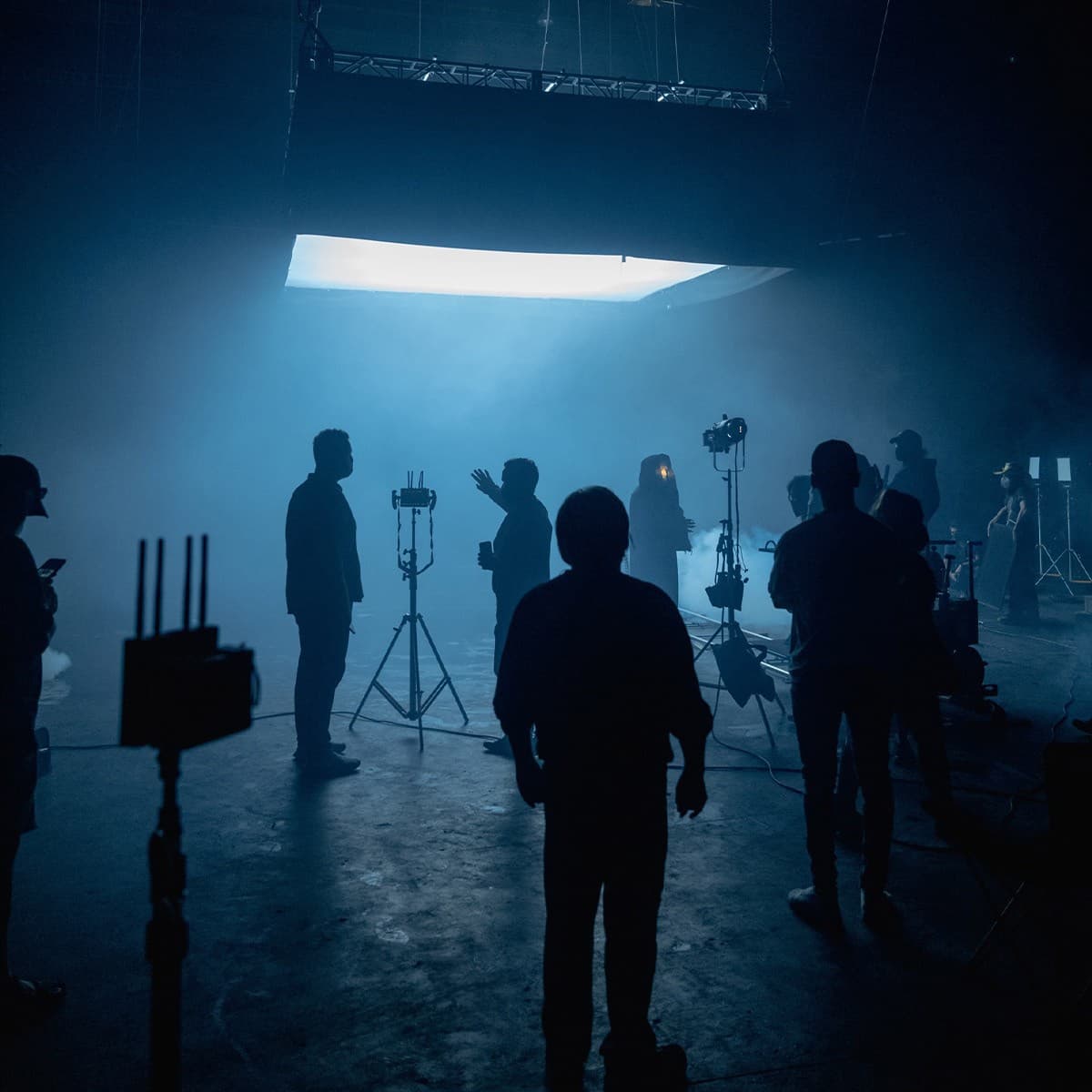
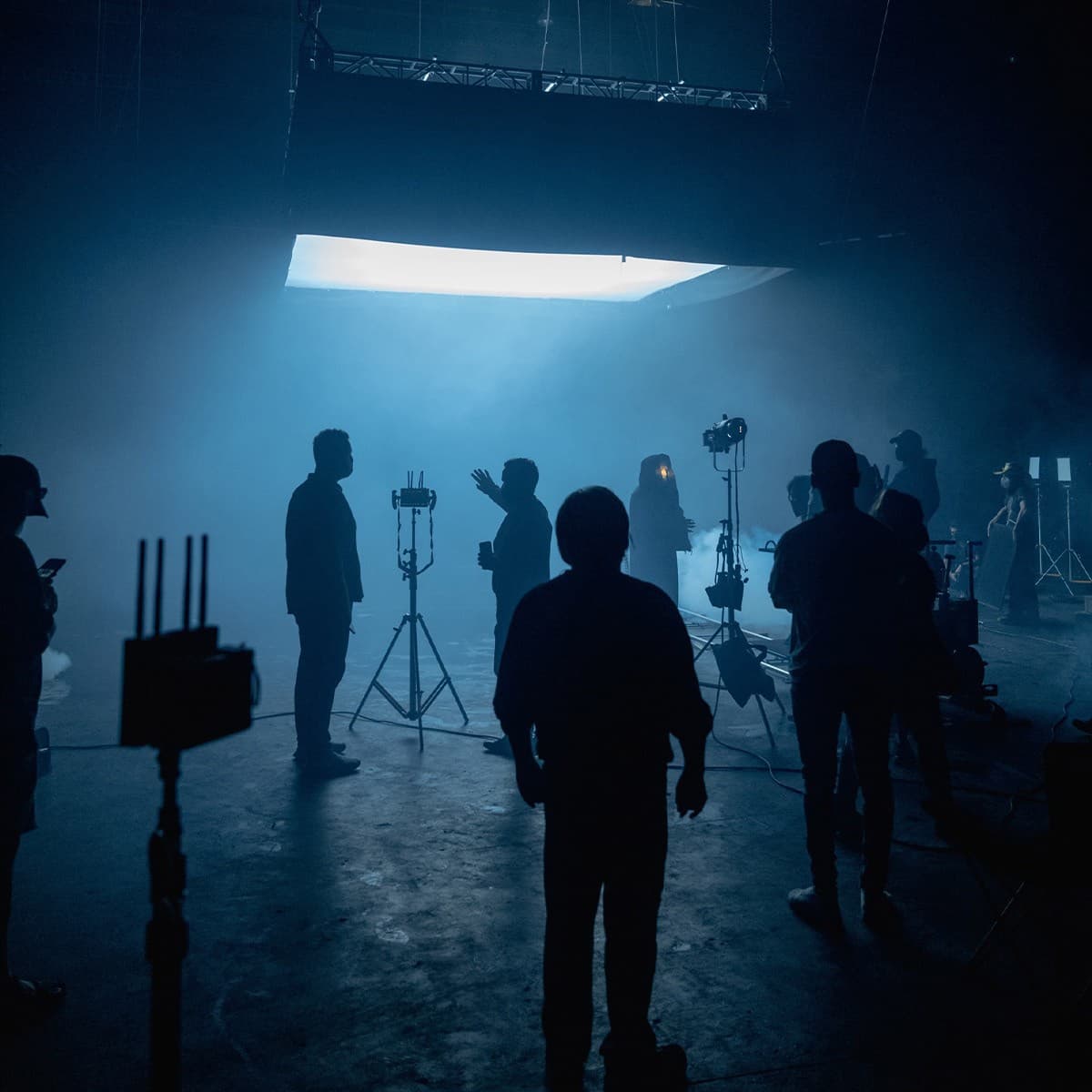
A Choreographer is a creative professional responsible for designing and directing the dance or movement sequences in a film. This artist combines elements of music, rhythm, and dance to tell a story, convey emotions, and enhance the overall visual and emotional impact of a scene. Choreographers work closely with directors and performers to create intricate dance arrangements that are both visually stunning and integral to the narrative of the film.
Role & Responsibilities
The role of a Choreographer extends beyond crafting dance routines. They are instrumental in auditioning and selecting dancers, ensuring that the chosen artists can embody the desired style and complexity of the choreography. During rehearsals, Choreographers teach and refine these sequences, collaborate with other departments such as costume and lighting to ensure cohesiveness, and adjust choreography to fit within the constraints of the set or location. Their expertise is also crucial in coordinating stunts and movements for actors who may not have a dance background, making sure all movement on screen appears fluid and precise.
Skills Required
Choreographers must possess a blend of creative, physical, and interpersonal skills. Artistic vision is paramount, as is the ability to translate ideas into movement. Knowledge of different dance styles and the fundamentals of body movement is essential. They must have physical stamina and an eye for detail to ensure precision and consistency in dance routines. Leadership and communication skills enable Choreographers to effectively teach and motivate performers. They also need to be adaptable, as they often revise choreography on set to adjust to spatial limitations or directorial feedback. Collaboration skills are crucial, as they work with various departments to achieve a unified vision. And lastly, time-management skills are important to maintain schedules and meet production deadlines.
Education
While a college degree is not a strict requirement to become a Choreographer, many in the field hold degrees in dance, performing arts, or related disciplines. Higher education can provide a solid foundation in various dance styles, history, and theory, which can be beneficial for a career in choreography. However, industry experience, a strong portfolio, and a network within the performing arts community often hold equal, if not more, weight. Aspiring Choreographers typically gain experience through dance schools, workshops, and by working under established professionals.

































Budget Templates
Budget crew costs with confidence
Use Saturation to build budgets with accurate crew rates, fringes, and union scales.
Try Free Budget Tool