What is a Co-Director?
Overview
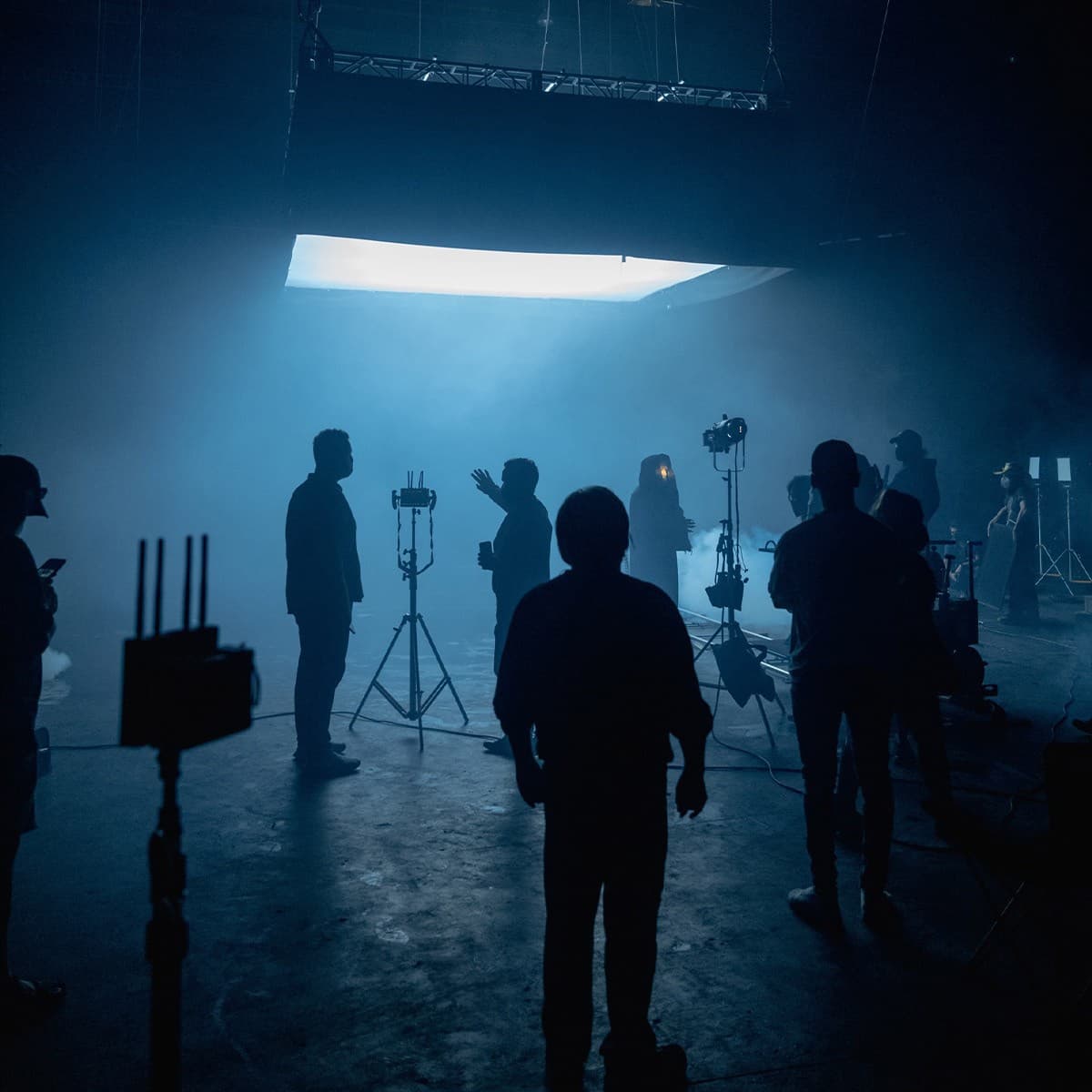
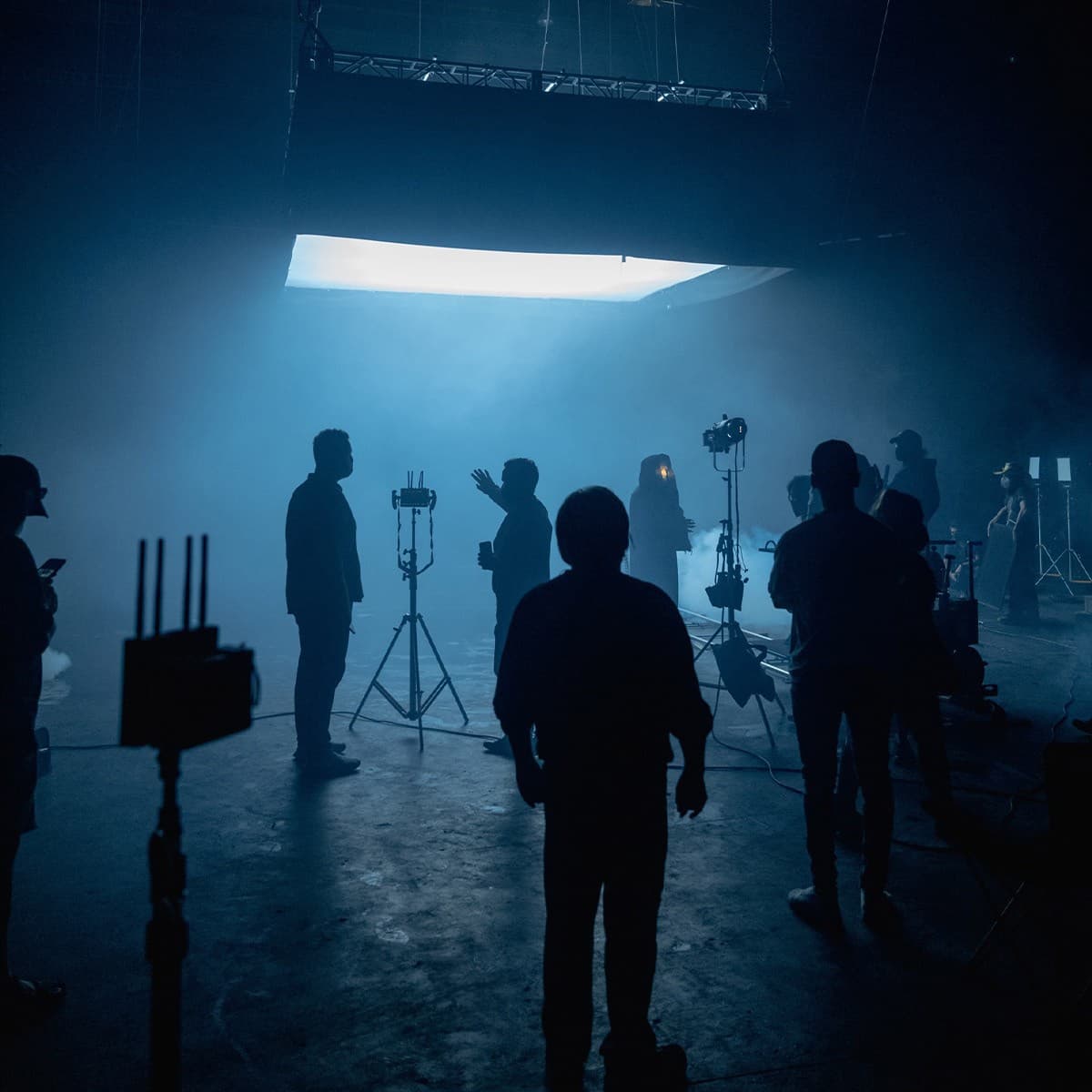
A co-director is a filmmaker who shares directing credit and creative authority on a film, television series, or media project with one or more other directors. Unlike a solo director who holds singular creative control, co-directors operate as equal partners — jointly shaping the vision, guiding the cast, collaborating with department heads, and making the final creative calls together.
Co-directing is most common in two distinct contexts: the animation industry, where the complexity of production demands divided oversight, and among independent narrative filmmakers who choose to collaborate as a creative team. In television, pairs like the Duffer Brothers on Stranger Things have normalized co-showrunning and co-directing at the highest levels of the industry.
The role is formalized through the Directors Guild of America (DGA), which has specific contractual rules governing when and how co-director credit can be assigned. Under DGA guidelines, both directors on a covered production must receive director-level pay and benefits, and the credit must be negotiated with the guild before the project begins principal photography.
The Difference Between a Co-Director and a Solo Director
A solo director is the sole creative authority on a production — all final decisions on performance, camera, pacing, and storytelling flow through one person. A co-director shares that authority. Neither partner outranks the other; disagreements must be resolved through communication, compromise, and a shared commitment to the project's vision rather than hierarchy.
This distinction matters practically. A co-director does not report to the other director the way an assistant director or second unit director might. Both co-directors have an equal seat at the table in conversations with producers, studios, and department heads. Credit is shared equally on screen, in press materials, and — on DGA-covered productions — in compensation.
Co-Director vs. Second Unit Director
A second unit director handles supplementary footage — action sequences, establishing shots, inserts — under the authority of the main director. A co-director shares primary creative authority over the entire film. These are fundamentally different roles. A second unit director executes; a co-director co-creates.
Famous Co-Directing Pairs
Some of the most celebrated films in cinema history were made by co-directing teams:
- The Coen Brothers (Joel and Ethan Coen) — No Country for Old Men, Fargo, The Big Lebowski. For most of their career they listed only Joel as director for DGA compliance, with Ethan credited as producer. After 2004 they received shared directing credit. Their partnership is the benchmark for seamless co-direction.
- The Wachowskis (Lilly and Lana Wachowski) — The Matrix, Cloud Atlas, Sense8. Co-directed every project together for over two decades before working on separate projects.
- The Duffer Brothers (Matt and Ross Duffer) — Stranger Things. Co-wrote, co-directed, and co-showran the Netflix series from pilot through its final season.
- Anthony and Joe Russo — Avengers: Infinity War, Avengers: Endgame, Captain America: The Winter Soldier. Managed productions of over 2,000 crew members as a co-directing team.
- Phil Lord and Christopher Miller — The LEGO Movie, 21 Jump Street, Spider-Man: Into the Spider-Verse (producers). Known for fast-paced improvisational sets and strong comedic sensibility.
- Anna Boden and Ryan Fleck — Captain Marvel, Half Nelson, Mississippi Grind. Indie filmmakers who broke into blockbuster territory as a co-directing duo.
Co-Directing in Animation
Animation is the industry where co-direction is most standard. Studios like Pixar, DreamWorks, and Disney routinely assign two directors to animated features because the production timeline — often four to six years — and the volume of creative decisions across story, visual development, animation, and sound are too great for one person to manage alone. Pixar films like Toy Story 4 and Soul were co-directed. DreamWorks titles like Shrek used the same structure.
DGA Rules on Co-Directors
The Directors Guild of America does not automatically recognize co-director credits. Under DGA Basic Agreement, the producing company must petition the guild for a co-director arrangement before principal photography begins. Both directors must be DGA members in good standing, receive director-level minimums, and have their credit parity (equal billing) confirmed in their deal memos. Studios cannot retroactively add a co-director credit after filming completes without guild approval. Productions that operate outside the DGA framework — low-budget independents, student films, short films — are not bound by these rules.
Tracking the financial complexity of a co-directed production — split fees, shared credit payments, dual director deal memos — is where cloud-based production management tools like Saturation.io help producers keep everything organized and auditable across both directors' agreements.
When Co-Directing Works (and When It Doesn't)
Co-directing succeeds when both partners have complementary strengths, a unified vision, and established trust. The Coens divided responsibilities naturally — Joel handled blocking and camera, Ethan focused on script and performance. The Russos split by scene complexity and unit. Co-directing struggles when partners have competing visions, unresolved ego conflicts, or when the structure is used to bring in an inexperienced director under an experienced one without equal authority — a practice the animation industry has been criticized for institutionalizing.
Role & Responsibilities
The duties of a co-director are the same as a solo director's — the difference is that those duties are shared and divided between two or more people. How co-directors split responsibility depends on their working relationship, their individual strengths, the nature of the project, and practical logistics like location or schedule. There is no single correct model.
Pre-Production Collaboration
Co-directors are usually involved from the earliest stages of a project. In pre-production, both partners work jointly on:
- Script development and tone: Agreeing on the emotional register of the film, what the story is fundamentally about, and what kind of film it should feel like to an audience.
- Visual concept: Working with the director of photography (DP) and production designer to establish the visual world — color palette, lens choices, lighting philosophy, production design approach.
- Casting: Both co-directors participate in casting sessions. Final casting decisions require agreement from both, or a pre-negotiated framework for how disagreements are resolved.
- Storyboarding and shot lists: Creating or reviewing storyboards for key sequences, building shot lists, and planning coverage together.
- Location scouting: Evaluating locations in person and agreeing on which best serve the script.
- Department head meetings: Both co-directors typically attend prep meetings with the production designer, costume designer, DP, and sound department.
- Scheduling input: Collaborating with the UPM and first AD on the shooting schedule, identifying which sequences require which director's specific attention.
Dividing Set Responsibilities During Principal Photography
On set, co-directors have several models for dividing work:
- Scene-by-scene division: One director takes the lead on a particular scene while the other observes and gives input after takes. This is common when one director has a stronger personal connection to the material or a stronger relationship with a particular actor.
- Function-based division: One director focuses on performance — working directly with actors — while the other focuses on camera and technical execution. This approach plays to complementary skill sets.
- Location-based division: On large productions with multiple units shooting simultaneously, co-directors may each lead a unit. One may handle the primary action unit while the other handles a secondary or second unit.
- Parallel decision-making: Both directors are physically present for all major scenes, making decisions together in real time. This is slower but produces the most unified result.
Directing Actors as a Team
Directing actors as a co-directing pair requires coordination to avoid contradictory notes. Most experienced co-directing teams agree that only one director gives notes to an actor at a time, and that the two directors align on performance direction between takes rather than offering conflicting adjustments simultaneously. Actors generally find two directors energizing when the team is unified, and disorienting when they sense disagreement. The co-directing pair's ability to project confidence and agreement on set directly affects cast performance.
Creative Decision-Making and Handling Disagreements
Every co-directing relationship needs a framework for resolving disagreements before they arise. Common models include:
- Designated final authority by department: One director has final call on camera and visual decisions; the other has final call on performance. Both agree on story decisions.
- Pre-agreed veto rules: Either director can veto a decision they feel strongly about, but vetos must be used sparingly and substantiated. A director who vetos every decision their partner makes is not co-directing — they are obstructing.
- Consensus-required decisions: Certain decisions (casting leads, major script changes, key crew hires) require both directors to agree before moving forward.
- Producer as tiebreaker: On larger productions, co-directors sometimes agree in advance that the lead producer can break genuine deadlocks that the directors cannot resolve themselves.
Post-Production Roles
Both co-directors participate in post-production, though the division of labor may shift. Common post-production arrangements include:
- Editing room: Both directors attend editing sessions with the editor, review cuts, and align on pacing, structure, and the handling of specific scenes. On longer post-production schedules, they may alternate editing room days.
- Visual effects (VFX) review: Both directors review VFX shots and provide unified creative direction to VFX supervisors. Contradictory notes from two directors can significantly delay VFX production.
- Sound and music: Both directors participate in temp score spotting sessions, composer meetings, and final sound mixing. Score decisions — which are deeply subjective — require aligned taste.
- Color grading: Both directors attend the DI (digital intermediate) color session with the colorist to finalize the look of the film.
- Press and marketing: Co-directors represent the film together in press materials, interviews, festival appearances, and marketing campaigns.
Producer and Studio Relations
Co-directors present a unified front to producers and studios. Internal disagreements are resolved privately before stepping into a producer meeting. Studios and financiers are generally comfortable with co-directors on projects where the pairing has a track record (the Russos, the Coens, the Wachowskis) and more cautious with first-time co-directing arrangements, which they may perceive as a risk factor for decision-making delays.
Skills Required
Co-directing demands every skill of a solo director, plus a distinct set of interpersonal and organizational competencies that only matter when authority is shared. The most technically gifted director will struggle as a co-director if they cannot operate as a genuine equal partner. The following skills are essential.
Shared Creative Vision and Visual Storytelling
Co-directors must share a deeply aligned creative vision for the project before production begins — not an identical taste in every detail, but a common understanding of what the film is about, how it should feel, and what it must accomplish emotionally for the audience. Visual storytelling skills — the ability to communicate ideas through camera placement, movement, light, composition, and editing rhythm — must be developed by both partners, even if one is stronger in this area than the other. A co-director who cannot read a frame or articulate a visual problem is dependent on their partner in ways that create imbalance.
Actor Direction and Performance Development
Directing actors is the most interpersonally demanding skill in filmmaking. Co-directors must be equally capable of building trust with performers, giving specific and actable notes, and reading a performance accurately. More importantly, co-directors must coordinate their actor notes so that cast members receive consistent direction rather than conflicting instructions. Many co-directing teams designate a primary point of contact for each actor — not because one director is superior, but because consistency in the actor-director relationship produces better performances.
Communication Between Partners
The single most important skill in co-directing is communication between the two directors. This includes:
- Pre-production alignment: Spending enough time before production developing a shared vocabulary for creative decisions, so that on-set discussions are efficient rather than extended debates.
- On-set communication: Developing shorthand signals and protocols for communicating privately during takes without disrupting the set's energy.
- Post-take discussion: Quickly syncing after each take on whether it works and what the next adjustment should be, before anyone else in the room forms an impression of disagreement.
- Off-set communication: Daily or nightly check-ins during production to process what happened on set, address any friction, and plan the next day in alignment.
Conflict Resolution and Ego Management
No co-directing partnership avoids disagreement. The skill is not preventing conflict but resolving it efficiently and productively. Effective co-directors:
- Separate personal ego from creative judgment — the question is always "what serves the film?" not "who was right?"
- Argue the position, not the person. Creative disagreements are most productive when framed as "I think this approach works better because..." rather than "your idea doesn't work."
- Know when to defer. A co-director who cannot yield to their partner on decisions where the partner has stronger conviction is not functioning as a partner — they are functioning as an obstructionist.
- Repair quickly. When tensions arise on set, co-directors who can de-escalate and re-align quickly — without letting disagreement linger — protect the morale and momentum of the entire crew.
Organizational and Project Management Skills
Co-directors manage the same organizational complexity as solo directors — shot lists, schedules, department head relationships, script revisions, location logistics — but must coordinate all of it between two people. Clear organizational systems (shared shot lists, collaborative prep documents, joint call sheet review) prevent duplication of effort and gaps in coverage. Productions with strong co-directing teams often report that logistical coordination improves relative to solo-directed productions, because two experienced directors catch more problems in prep.
Editorial Sensibility
Both co-directors must develop a strong sense of how footage will cut together — what coverage is necessary, what is redundant, and how performance variations across takes will serve the editor. A co-director who shoots excessively or fails to protect editable coverage creates problems in post that both partners will spend months solving. Strong editorial sensibility means shooting with intention: knowing why each setup exists and how it serves the final film.
Leadership and Crew Management
A large film crew takes its emotional temperature from the directors. Co-directors who project confidence, unity, and good energy create sets where crew members work at their best. Co-directors who visibly disagree, undercut each other, or project uncertainty create anxiety that propagates through every department. Leadership skills — clear communication, decisive energy, the ability to make quick decisions under pressure — are just as important for co-directors as for solo directors, and more demanding because both partners must embody them simultaneously.
Technical Fluency
Both co-directors should be conversant in the technical language of filmmaking: lens focal lengths and their emotional effects, camera movement terminology, lighting setups and their connotations, sound recording fundamentals, and post-production workflows. A co-director who relies entirely on their partner for technical decisions creates an asymmetry that undermines the equal partnership model. Technical fluency does not require equal depth — but both directors need enough to evaluate creative choices and have productive conversations with the DP, gaffer, and sound mixer.
Salary Guide
Co-director compensation is tied directly to director-level pay rates, since both co-directors hold equal directorial authority on a production. The range is wide — from deferred pay on micro-budget independent films to multi-million-dollar fees on studio tentpoles — and varies substantially by medium, budget level, union status, and the track records of the directors involved.
DGA Minimum Rates for Directors (2024–2025)
On productions covered by the Directors Guild of America Basic Agreement, both co-directors must be paid at least DGA minimums. Current DGA minimums for theatrical motion pictures, as negotiated in the 2023 DGA Basic Agreement (covering 2023–2026), are structured by budget tier:
- Budget under $500,000: Director minimum approximately $15,000–$25,000 total per film.
- Budget $500,000 to $1.5M: Director minimum approximately $50,000–$75,000.
- Budget $1.5M to $3.5M: Director minimum approximately $100,000–$130,000.
- Budget over $3.5M (studio features): DGA Theatrical Schedule minimums apply — approximately $15,000–$25,000 per week for preparation and shoot periods, with guaranteed minimums that typically result in total fees of $200,000+ for features.
For co-directed productions, both directors receive these minimums independently — the budget is not split between them. Each co-director's deal is negotiated separately with the producing company, meaning a co-directed studio film employs two directors at full DGA minimum or above.
Television DGA Minimums
For television, DGA minimums for directors vary by episode length and network type. Approximate 2024–2025 rates:
- Network/streaming (60-min episode): $45,000–$65,000 per episode at scale.
- Network/streaming (30-min episode): $28,000–$40,000 per episode at scale.
- Cable and streaming (various): Rates negotiated under separate side agreements — generally in the $35,000–$55,000 per episode range at minimums.
Co-showrunner/director arrangements (like the Duffer Brothers on Stranger Things) involve substantially higher negotiated rates above minimums, often structured as overall deals with the production company or streamer.
Above-Scale Compensation for Established Co-Directors
Established co-directing teams with proven box office or critical track records negotiate well above DGA minimums:
- Mid-level studio film ($20M–$80M budget): Each co-director's fee typically ranges from $500,000 to $1.5M.
- Major studio tentpole ($80M+): Top co-directing teams (Russo Brothers, for example) negotiated fees in the range of $5M–$10M each for major Marvel productions, plus backend participation.
- Streaming premium productions: Streaming platforms have normalized higher director fees for prestige projects. Co-directing teams for major Netflix, HBO Max, or Apple TV+ productions often receive $1M–$3M per director for limited series or feature films.
How Co-Director Pay Is Split
Co-director pay is not split — both directors are paid separately. Each co-director has an independent deal memo negotiated with the producing company. The total director cost to the production is the sum of both co-directors' fees, not a division of a single director's fee. This is a critical distinction: producers who attempt to pay a combined fee split between two co-directors are almost certainly violating DGA Basic Agreement on covered productions.
Animation Co-Director Compensation
Animation co-directors at major studios (Pixar, DreamWorks, Sony Pictures Animation, Walt Disney Animation Studios) are typically salaried employees on long-term studio contracts rather than per-project freelancers. Annual compensation at major studios ranges from approximately $150,000 to $450,000 per year, with the lead director and co-director often on different pay tiers reflecting seniority and credit hierarchy. On DGA-covered animation productions, both directors must receive DGA minimums regardless of their staff compensation level.
Independent Film and Deferred Pay
On low-budget and micro-budget independent productions not covered by DGA agreements, co-directors may work for deferred compensation, a flat fee well below DGA minimums, or no upfront pay at all — with compensation tied to distribution revenue or festival awards. This is legal on non-DGA productions but requires both co-directors to enter the arrangement voluntarily and with clear documentation of the deferral terms. Many first-time co-directing teams make their debut feature on deferred pay as an investment in their careers rather than immediate income.
BLS Data on Directors
The U.S. Bureau of Labor Statistics (BLS) groups film and television directors together. According to the most recent BLS Occupational Employment and Wage Statistics, the median annual wage for producers and directors is approximately $83,400, with the top 10% earning over $220,000 annually. These figures reflect the broad distribution across all director types — from entry-level TV directors to established feature directors — and should be understood as a mid-range benchmark rather than a ceiling. Source: BLS Occupational Outlook Handbook: Producers and Directors.
Factors That Affect Co-Director Compensation
- Track record: A co-directing team that has delivered a critically acclaimed or commercially successful film commands significantly higher fees than a first-time pair.
- Medium: Feature films at major studios pay the highest director fees. Television pays well but over shorter engagements. Animation pays through salary structures. Independent films often pay the least upfront.
- Budget tier: Director fees scale with production budget. Larger productions have more financial capacity for director compensation.
- Union status: DGA-covered productions have mandatory minimums. Non-union productions have no floor.
- Negotiated backend: Established directors negotiate profit participation (backend) in addition to upfront fees. Co-directors may share a single backend point allocation or negotiate separate participations.
FAQ
What does a co-director do?
A co-director shares creative authority and directing responsibilities on a film, television series, or media project with one or more other directors. Both co-directors contribute equally to pre-production decisions (casting, visual concept, shot planning), principal photography (directing actors, guiding camera), and post-production (editing, sound, color). Neither co-director outranks the other — final creative decisions are made jointly.
How do co-directors split duties on set?
Co-directors can divide responsibilities in several ways: by scene (one director leads specific scenes while the other observes and gives input), by function (one focuses on performance direction, one on camera and technical execution), by unit (each director leads a separate production unit simultaneously), or by joint presence (both directors are present for all major scenes and make decisions together in real time). The best model depends on the pair's strengths and the project's needs — most experienced teams develop hybrid approaches that evolve scene by scene.
What are the DGA rules for co-directors?
Under the Directors Guild of America Basic Agreement, co-director credit must be arranged with the DGA before principal photography begins — it cannot be retroactively applied. Both co-directors must be DGA members in good standing, must receive separate director-level pay (each paid at or above DGA minimums, not a combined fee split between them), and must have equal credit as established in their deal memos. Studios and producers who want to use the co-director structure on a DGA-covered production must formally petition the guild for approval.
What is the difference between a co-director and an assistant director?
These are completely different roles. A co-director shares equal creative authority over the entire film with their partner and is responsible for the film's artistic vision and performance direction. An assistant director (AD) is a production management role — the 1st AD manages the set schedule, calls action and cut on behalf of the director, and keeps the shoot on time. The 1st AD reports to the director. A co-director does not report to anyone except their creative partner and the producing entity. Co-directors are often paid orders of magnitude more than ADs and receive on-screen directing credit.
Who are the most famous co-directing teams in film history?
The most celebrated co-directing teams include the Coen Brothers (Joel and Ethan Coen), who made No Country for Old Men, Fargo, and The Big Lebowski; the Wachowskis (Lilly and Lana), who made The Matrix; the Duffer Brothers (Matt and Ross), who created and co-directed Stranger Things; Anthony and Joe Russo, who directed Avengers: Infinity War and Endgame; and Phil Lord and Christopher Miller, known for The LEGO Movie and 21 Jump Street. In animation, co-direction is the industry norm at studios like Pixar and DreamWorks.
How much does a co-director earn?
Co-director pay mirrors director pay — both co-directors are compensated separately at full director rates, not at half a director's fee. On DGA-covered productions, each co-director earns at least DGA minimums, which range from approximately $15,000–$25,000 on micro-budget features to $200,000+ on studio productions above $3.5M. Established co-directing teams negotiate well above minimums: fees of $500,000 to $1.5M each are common at the mid-studio level, and top teams like the Russos command $5M+ each on major tentpoles. The BLS median for all directors is approximately $83,400 annually, though this covers the full range from entry-level to established talent.
Is co-directing a good idea for first-time filmmakers?
Co-directing can be an excellent strategy for first-time filmmakers when the partnership is built on complementary skills, genuine trust, and clearly defined working protocols. Two directors can cover more creative and logistical ground than one, bring different strengths to the table, and hold each other accountable. Co-directing works less well when partners have competing visions, unequal commitment levels, or unresolved interpersonal tensions that the pressure of production will amplify. The advice of most experienced co-directors: make several short films together before committing to a feature, and agree in writing on how major decisions get made before production starts.
How do you find a co-directing partner?
Most co-directing partnerships form organically through film school, shared production experience, or mutual creative admiration. Effective places to develop a co-directing partnership include film school cohorts (where you work alongside the same people across multiple projects), production company internships and entry-level jobs (where you meet collaborators with field experience), film festival communities (where emerging filmmakers network around shared aesthetic interests), and online creative communities centered on the kind of work you want to make. The key is making something together — even a short or a music video — before committing to a larger project. Chemistry on a small project is the best predictor of whether a co-directing partnership will survive the pressure of feature production.
Education
There is no single academic credential required to become a co-director. Directing — including co-directing — is ultimately a craft learned through practice, and many accomplished co-directing teams came to the role through unconventional paths. However, film school education, degree programs, and structured career development pathways provide the skills, networks, and professional footing that make co-directing partnerships more viable.
Film School Programs for Aspiring Directors
The following programs are among the most respected for directors who want to develop the storytelling, technical, and collaborative skills that co-directing requires:
- AFI Conservatory (Los Angeles, CA) — MFA in Directing. Two-year conservatory program with an emphasis on project-based learning and collaboration across departments. Small cohort size means significant production experience.
- UCLA School of Theater, Film and Television (Los Angeles, CA) — MFA in Film and Television Directing. Strong industry connections in Los Angeles. Graduates regularly enter the professional television and film industry directly.
- USC School of Cinematic Arts (Los Angeles, CA) — MFA in Film and Television Production with a directing emphasis. One of the most industry-connected programs in the country. Notable alumni include George Lucas and Ron Howard.
- NYU Tisch School of the Arts (New York, NY) — MFA in Film Directing. Strong focus on independent and auteur filmmaking. Notable alumni include Spike Lee, Joel Coen, and Martin Scorsese.
- Columbia University School of the Arts (New York, NY) — MFA in Film. Small program with a strong emphasis on narrative feature film development.
- CalArts (Valencia, CA) — BFA and MFA in Film and Video. Particularly strong in experimental film and animation — relevant for aspiring co-directors in the animation industry.
- Chapman University Dodge College (Orange, CA) — BFA and MFA in Film Production with a Directing emphasis. Strong hands-on curriculum and industry connections in Southern California.
Undergraduate Degrees That Support a Co-Directing Career
For undergraduate students interested in directing, relevant degree paths include:
- BFA in Film Production / Filmmaking — the most direct pathway. Combines production practice with film history and theory.
- BA in Film Studies — develops critical analysis and storytelling literacy. Usually paired with independent production work outside the classroom.
- BA in Theater / Drama — builds actor-direction skills that are essential for any director. Many stage directors transition to film co-directing partnerships.
- BFA in Animation — the primary pathway for co-directors in the animation industry. Programs at CalArts, RISD, Ringling College, and Savannah College of Art and Design (SCAD) are industry-respected.
How to Start Co-Directing: Short Films and Student Partnerships
The most effective way to develop co-directing skills is to start co-directing on small projects. Short films, music videos, branded content, and student thesis films are the proving ground for every co-directing partnership. Practical steps:
- Identify a creative partner with complementary strengths: The best co-directing pairs are not identical — one may be stronger on visual composition, the other on actor performance. Complementarity reduces conflict and covers weaknesses.
- Define working protocols before production begins: Agree in writing (even informally) on who makes final calls on what, how disagreements get resolved, and how credit is shared.
- Make something and screen it publicly: Festival submission — student film festivals, local screenings, online platforms — creates external accountability and builds a shared portfolio.
- Debrief honestly after each project: What worked in the collaboration? What caused friction? Adjust protocols before the next project.
DGA Membership Pathway for Co-Directors
To be formally credited as a co-director on a DGA-covered production, both directors must be DGA members. The standard pathway to DGA membership includes:
- Director Training Program (DTP): The DGA's two-year assistant director training program, which leads to DGA-AD membership. This is the union-structured entry path for new members working on set.
- Qualifying on a Covered Production: Directors who work as the director of record on a DGA-signatory production can apply directly for membership in the Directors category. The production must be covered under DGA Basic Agreement.
- Low-Budget Agreement (LBA) Credits: DGA has special agreements for low-budget theatrical features that allow new directors to qualify for membership while working on smaller projects.
Both co-directors must hold full DGA membership — not AD membership — to receive co-director credit on a covered production. Studios will not approve a co-director credit for a non-DGA member on a union production.
Building a Co-Directing Career
Most successful co-directing teams follow a similar arc: they meet in film school or on early productions, develop their working relationship on short films and student work, then leverage a breakout project (often an independent feature or acclaimed short) into larger opportunities. Agents and managers increasingly represent co-directing teams as a unit, with packaging deals and studio meetings conducted jointly. Developing a recognizable voice as a pair — an aesthetic or genre specialty that the team is identified with — accelerates career development significantly.































Budget Templates
Budget crew costs with confidence
Use Saturation to build budgets with accurate crew rates, fringes, and union scales.
Try Free Budget Tool