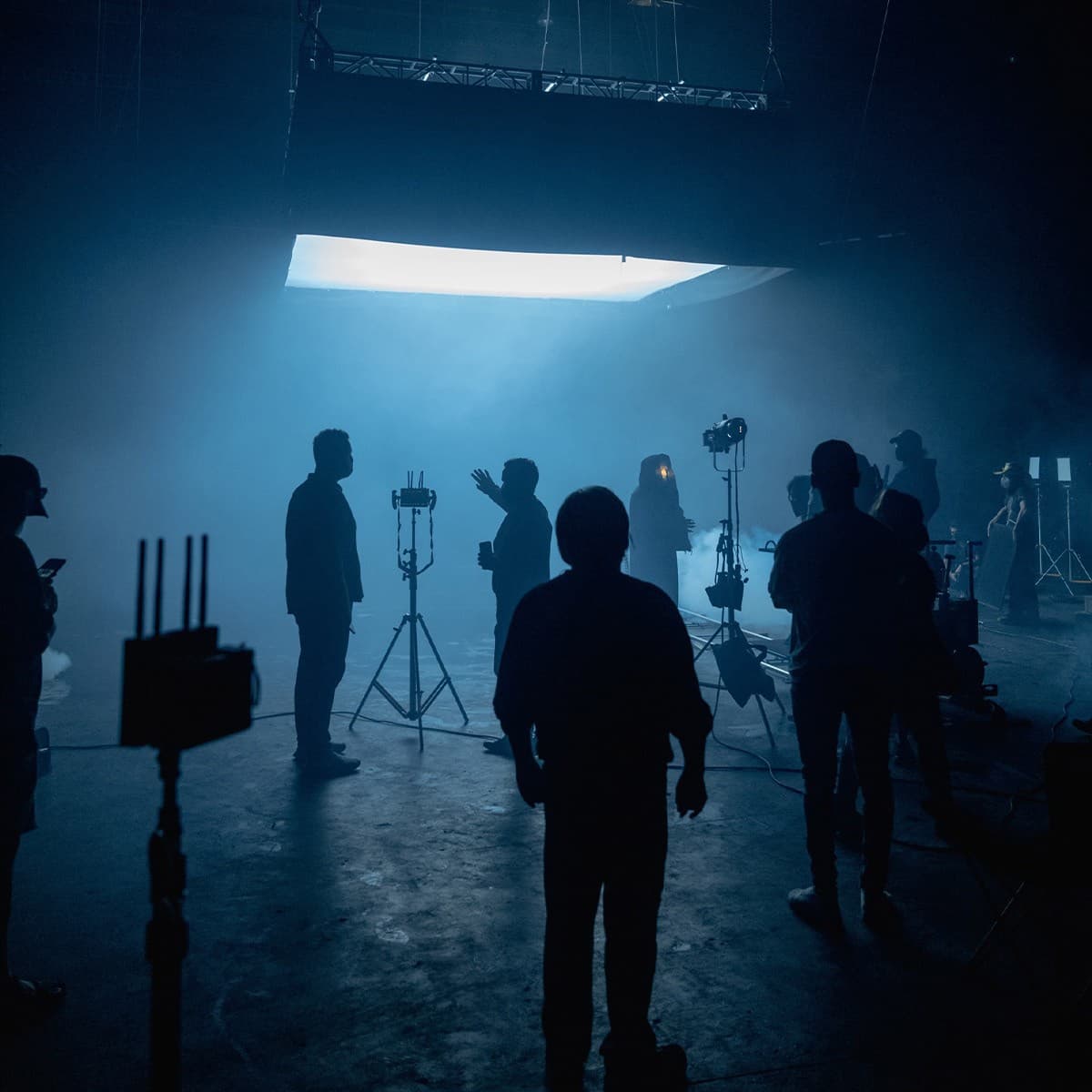
What is a Director of Photography?
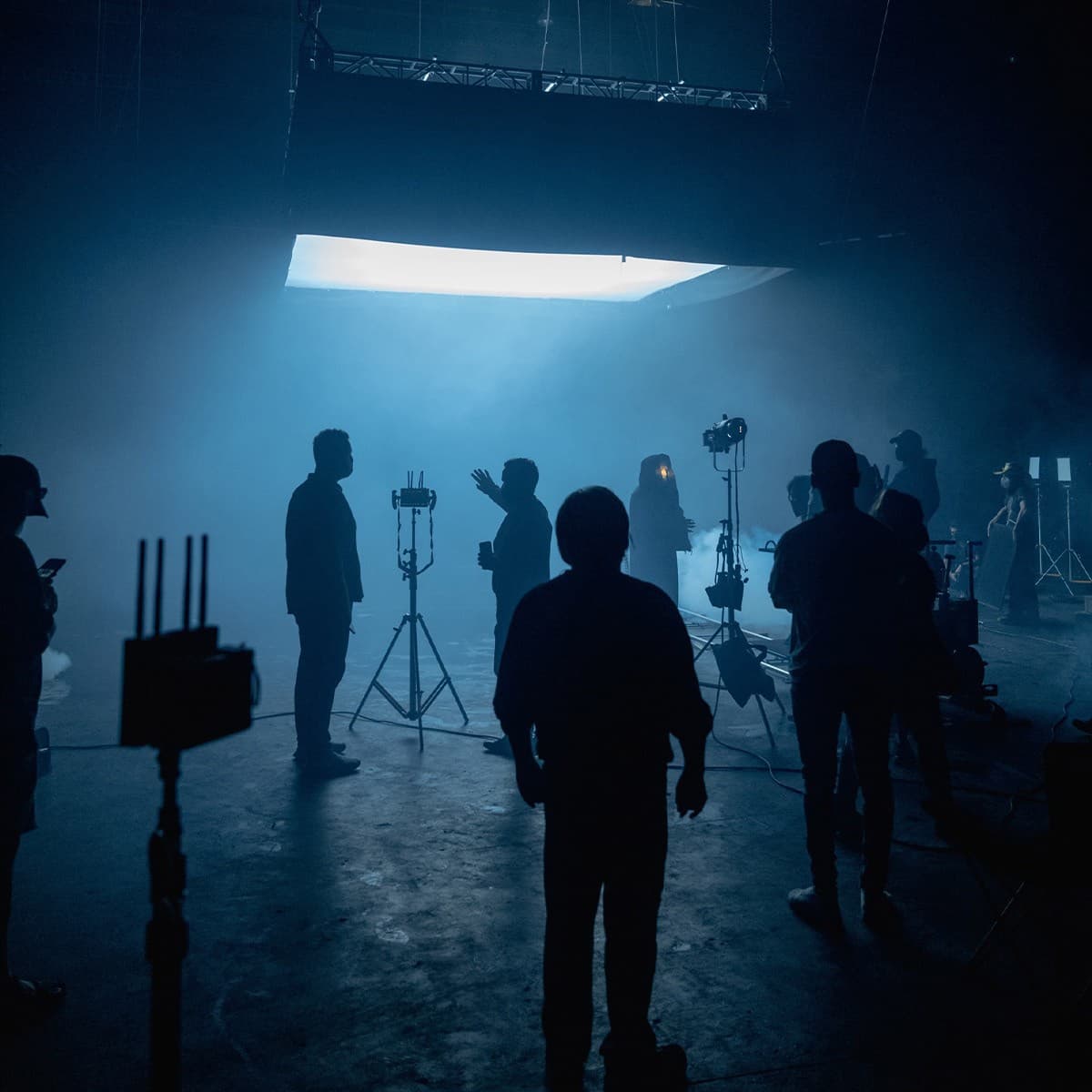
Overview
The director of photography (DP), also known as the cinematographer or DoP, is the head of both the camera department and the lighting department on a film, television, or commercial production. Every image the audience sees passes through the DP's creative and technical decisions — from the angle of a lens to the color of a shadow.
A director of photography translates the director's vision into visual language. Where the director focuses on performance and story, the DP is accountable for what the camera captures and how light sculpts each frame. The two roles form the closest creative partnership on any set.
On larger productions, the DP supervises the gaffer (head of the lighting crew), the key grip (head of the grip crew), the camera operators, the digital imaging technician (DIT), and the entire camera department. On smaller productions, a DP may also operate the camera personally, combining artistic vision with hands-on execution.
For productions managing complex budgets across multiple departments, tools like Saturation help producers and DPs coordinate equipment costs, crew rates, and vendor payments in one place, keeping the shoot financially on track without slowing down the creative process.
DP vs. Cinematographer: Is There a Difference?
In practice, the titles are interchangeable. "Cinematographer" is the craft-based term, rooted in the art and science of motion picture photography. "Director of photography" is the industry credit you'll see in film contracts and union agreements. The American Society of Cinematographers (ASC) uses "cinematographer" in its membership criteria, while IATSE Local 600 (the International Cinematographers Guild) uses "director of photography" in its rate cards. Both refer to the same role.
Where the DP Fits in the Production Structure
The director of photography reports directly to the director and, on studio productions, works closely with the producer and UPM (unit production manager) on equipment budgets and scheduling. Below the DP sit the camera operators, first assistant camera (focus pullers), second assistant camera (clapper loaders), the DIT, and the still photographer, all covered under IATSE Local 600.
Role & Responsibilities
The director of photography is responsible for every visual decision that shapes how a film looks and feels. This goes far beyond pointing a camera. The DP defines the entire visual grammar of a production.
Visual Storytelling and Shot Design
Before a single frame is shot, the DP reads the screenplay and meets with the director to develop the visual concept. Together they build the shot list, storyboards, and lookbook, a collection of reference images that establishes the intended visual style. The DP recommends camera placement, lens choices, movement style (handheld vs. locked-off vs. Steadicam), and the overall color palette.
These decisions are not aesthetic preferences alone. Each choice carries a meaning. A wide-angle lens makes a character feel small in their environment. A shallow depth of field isolates a subject from the chaos around them. A high-key lighting scheme signals safety; underexposed shadows signal danger. The DP deploys these tools deliberately to support the story.
Camera Systems and Lens Selection
Modern DPs work across a wide range of camera systems, from ARRI Alexa and Sony Venice to RED and Blackmagic. Each system has distinct color science, dynamic range characteristics, and workflow implications. The DP selects the camera package based on the look they want to achieve, the shooting format, and the budget available.
Lens selection is equally critical. Spherical lenses, anamorphic lenses, vintage glass, and specialty optics each produce different rendering of light, bokeh, and geometry. A DP may spend weeks testing lens sets before photography begins.
Lighting Design and Execution
The DP designs the lighting plan for every scene. Working with the gaffer, they determine light sources, intensities, color temperatures, and modifiers (diffusion, flags, bounce). On location, they adapt to natural light conditions and decide how much to supplement or counteract available light.
Lighting defines mood more than almost any other element in filmmaking. A DP who understands how to shape light can make a low-budget production look expensive and a high-budget production feel intimate.
Overseeing the Camera and Lighting Crew
The DP leads a team that can number 20 or more people on a large feature. Key leadership responsibilities include:
- Briefing the gaffer on lighting diagrams and power requirements for each location
- Directing camera operators on framing, speed, and movement cues during the take
- Working with the DIT on on-set color grading and exposure management
- Collaborating with the production designer to align set dressing, color palettes, and surface textures with the lighting approach
- Communicating with post-production colorists about the intended final look
Color Palette and Post-Production Collaboration
The DP's work does not end when the shoot wraps. Most DPs are involved in the color grade, working alongside the colorist in the DI (digital intermediate) suite to finalize the look of the film. Many DPs create a LUT (look-up table) during pre-production that guides both on-set monitoring and the post-production grade.
Skills Required
A director of photography needs a layered skill set that spans technical mastery, creative judgment, and team leadership. No single skill is sufficient on its own — the role demands all three in equal measure.
Lighting Theory and Practice
Lighting is the DP's primary creative tool. A strong DP understands the physics of light — how it behaves, how surfaces reflect and absorb it, how color temperature affects mood — and translates that knowledge into precise, repeatable lighting setups. This includes natural light management, tungsten, HMI, LED, and mixed-source environments.
Camera Operation and Exposure
While many senior DPs delegate camera operation to their operators, all DPs need a strong foundation in camera mechanics, shutter angles, ISO performance, dynamic range, and exposure latitude. Understanding how different cameras respond to highlights and shadows is essential for achieving a consistent look across varying shooting conditions.
Lens Selection and Optics
Lens choice shapes the rendering of a scene as much as lighting does. DPs need fluency in focal lengths, aperture characteristics, focus breathing, distortion, and how different lens families (spherical, anamorphic, vintage) interact with modern digital sensors. The ability to test and evaluate lenses is a core DP skill.
Color Science and LUT Design
Modern DPs work in log-encoded formats that require a clear understanding of color science. Creating or selecting a LUT for on-set monitoring, communicating a color grade intent to the DIT and post colorist, and understanding color spaces (ACES, Rec.709, P3) are now standard requirements for working in digital cinema.
Creative Collaboration with the Director
The most technically skilled DP will struggle without the ability to understand and serve a director's creative vision. This requires active listening, visual literacy (being able to reference and discuss films, paintings, and photography), the ability to translate abstract ideas into concrete camera and lighting decisions, and the confidence to contribute creatively without overriding the director's authority.
Department Leadership and Communication
On any production larger than a short film, the DP manages a multi-person department. Effective DPs communicate lighting plans clearly to the gaffer, give precise framing instructions to camera operators, and maintain a calm, decisive presence on set, particularly when schedules compress and technical problems arise.
Problem-Solving Under Pressure
Production rarely goes as planned. Weather changes, equipment fails, locations fall through. DPs who can adapt lighting plans quickly, find creative solutions with available resources, and keep the schedule moving are the ones who get hired again.
Salary Guide
Director of photography compensation varies significantly based on budget level, format (feature film, television, commercial, documentary), union status, and market. Here is a structured breakdown of what DPs earn at different career stages.
BLS Data: Camera Operators and Cinematographers
The Bureau of Labor Statistics classifies cinematographers under "Camera Operators, Television, Video, and Film." According to BLS Occupational Outlook Handbook data (May 2024):
- Median annual wage: $68,810
- Bottom 10% (entry-level): below $36,240
- Top 10% (experienced DPs, major markets): above $131,420
These figures underrepresent working DPs on feature films and streaming series, where rates are set by union agreements and often exceed BLS medians significantly.
IATSE Local 600 Union Scale (2025-2026)
IATSE Local 600 (International Cinematographers Guild) sets the minimum scale for DPs on union productions. For the West Coast, 2024-2025 rates are:
- Day rate (studio minimum): $1,163.60 per 8-hour day
- Weekly rate: $5,596.56 per week
- Hourly rate (daily basis): $145.45 per hour
These are minimums. On studio features and major streaming productions, DPs negotiate above-scale deals. Top-tier DPs working on studio features can earn $15,000 to $30,000 per week or higher under negotiated deals.
Salary by Production Type
- Low-budget indie features (under $1M): $500 to $1,500 per day, often deferred or at reduced rates
- Mid-budget features and cable TV: $1,500 to $5,000 per day
- Studio features and major streaming series: $5,000 to $20,000+ per day (negotiated above scale)
- Commercials and branded content: $3,000 to $10,000+ per day (highest day rates in the industry)
- Documentaries: $400 to $2,000 per day depending on budget and distributor
Market Differences
Los Angeles and New York command the highest rates, driven by union density and the concentration of major productions. Atlanta, New Mexico, and Georgia have growing markets with competitive rates due to state tax incentive programs. International co-productions and streaming originals have expanded markets in the UK, Canada, and Australia.
Non-Union and Emerging DP Rates
New DPs building their reel on non-union student films, micro-budget productions, and music videos typically earn $0 to $500 per day in their first years. As they accumulate credits and move into IATSE coverage, rates increase substantially. Joining Local 600 requires qualifying hours on covered productions and payment of an initiation fee, but unlocks access to the highest-budget productions.
FAQ
What does a director of photography do?
A director of photography is responsible for the visual look of a film or television production. This includes designing and executing the lighting plan for every scene, selecting the camera system and lenses, determining shot composition and camera movement, and overseeing the camera and lighting departments. The DP works in close collaboration with the director to translate the script's emotional intent into visual storytelling decisions. On set, the DP leads a crew that can include camera operators, focus pullers, gaffers, grips, and a digital imaging technician (DIT).
Is there a difference between a cinematographer and a director of photography?
In the film industry, cinematographer and director of photography refer to the same role. The title "director of photography" is more commonly used in contracts, union agreements, and screen credits in the United States. "Cinematographer" is the broader, craft-based term used internationally and by organizations like the American Society of Cinematographers (ASC). Some DPs prefer "cinematographer" because it emphasizes the artistic dimension of the work; others use "director of photography" because it reflects their leadership of the camera and lighting departments. Both titles describe the same person in charge of the visual image.
How much does a director of photography earn?
Director of photography earnings vary widely by production budget, format, and union status. According to Bureau of Labor Statistics data (May 2024), the median annual wage for camera operators and cinematographers is $68,810, with the top 10% earning above $131,420. On union productions covered by IATSE Local 600, the minimum day rate for a DP is $1,163.60 per 8-hour day (West Coast, 2024-2025). Studio features and major streaming series pay well above minimums: negotiated deals for experienced DPs range from $5,000 to $20,000+ per day. Commercials typically offer the highest day rates in the industry, often $3,000 to $10,000 per day. New DPs building their reel on independent projects may start at $300 to $500 per day.
Education
There is no single path to becoming a director of photography. The role rewards both formal training and hands-on experience, and many working DPs combine both.
Film School Programs
The most structured path runs through a film school or university cinematography program. Top programs include:
- American Film Institute (AFI Conservatory) — offers a two-year MFA in Cinematography with intensive mentorship from working DPs
- USC School of Cinematic Arts — one of the oldest and most well-resourced film programs in the United States
- NYU Tisch School of the Arts — strong production program with access to New York's professional industry
- Chapman University Dodge College of Film and Media Arts — known for high equipment access and industry connections in Los Angeles
- Brooks Institute and other photography-focused programs for DPs coming from a still photography background
A film school degree provides structured training in lighting theory, camera operation, color science, and storytelling, along with the collaborative experience of working across departments. The networking value is also significant: many DPs get their first professional opportunities through classmates who become directors.
The Camera Assistant Pathway
Many working DPs never attended film school. The traditional industry path begins as a production assistant or camera PA, advances to second assistant camera (2nd AC), then first assistant camera (1st AC or focus puller), and eventually to camera operator. From there, a step up to DP on low-budget or independent productions is typical.
This path takes longer, often eight to twelve years, but produces DPs with deep technical knowledge earned on real sets. DPs who came up through the camera department often have a more intuitive command of equipment and a stronger understanding of how the entire camera department works.
ASC Membership as a Career Milestone
Membership in the American Society of Cinematographers (ASC) is one of the most respected recognitions in the field. ASC membership is by invitation only, extended to DPs who have demonstrated a significant body of work and contributions to the craft. It is not a requirement to work as a DP, but it signals a level of professional recognition that carries real weight in the industry.
Continuous Learning
Camera technology changes rapidly. DPs who work regularly invest in ongoing education, including manufacturer workshops (ARRI, Sony, RED), colorist training, and industry conferences like Camerimage or the ASC's own masterclass events, to keep their technical knowledge current.

































Budget Templates
Budget crew costs with confidence
Use Saturation to build budgets with accurate crew rates, fringes, and union scales.
Try Free Budget Tool