What is a Electric?
Overview
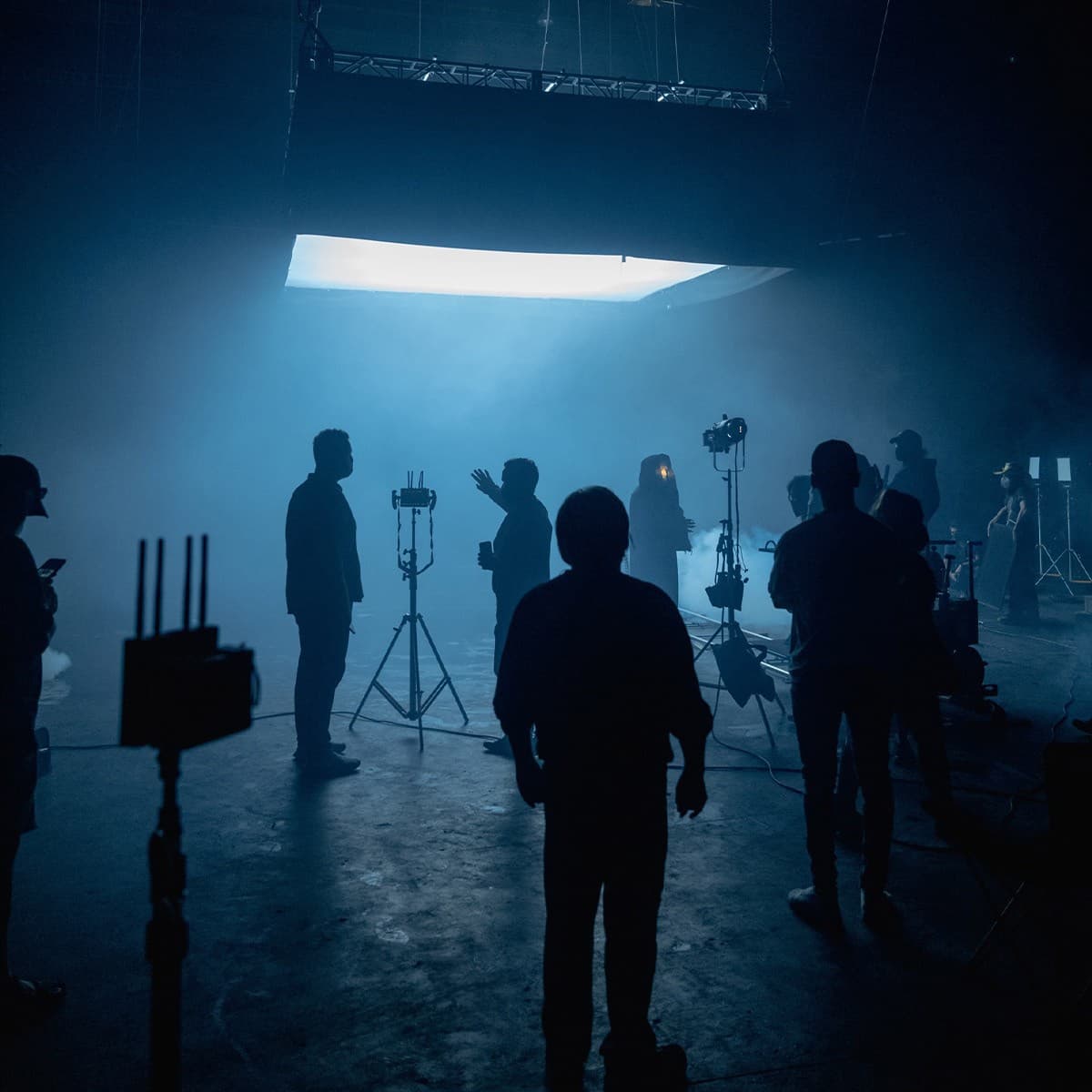
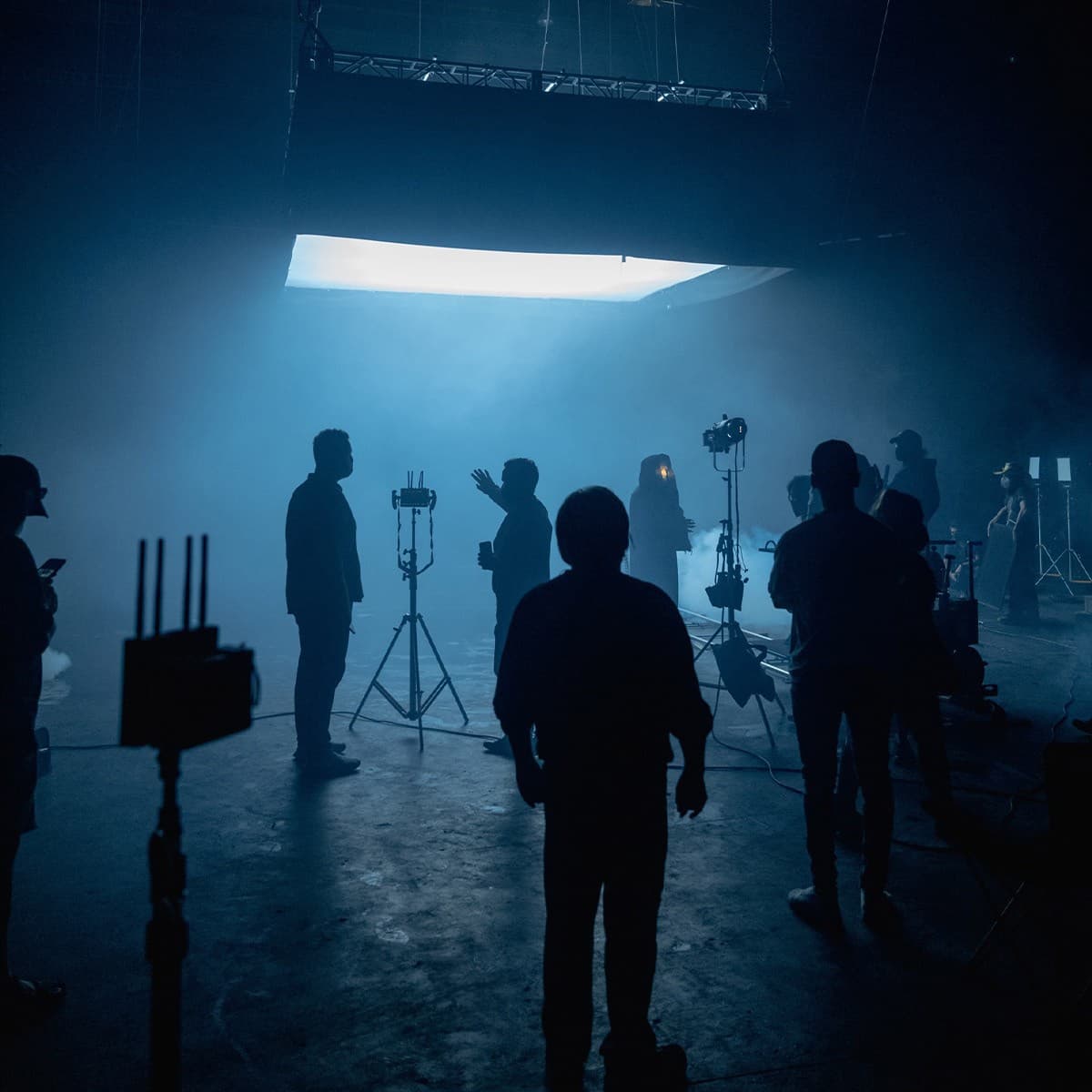
With the title "Electric," this key role refers to a professional who operates within the Electrical Department on a film set. Electrics are responsible for the implementation, maintenance, and safety of lighting equipment and its associated electrical needs during a production. Their expertise is crucial in crafting the visual atmosphere that directors and cinematographers aim to achieve in every scene. They work closely with the Gaffer, who heads the electrical department, to bring the desired lighting design to fruition.
Role & Responsibilities
The role of an Electric entails several responsibilities, extending from rigging up lights to laying down power cables and ensuring all electrical equipment functions correctly and safely. They follow the instructions of a Gaffer or Best Boy to set up lighting fixtures, work with generators, and manage power distribution. Moreover, an Electric must monitor equipment during shooting to quickly address any technical issues or adjust lighting as per the scene's requirements. They are instrumental in maintaining a safe working environment, adhering to strict safety standards to prevent accidents related to electrical components.
Skills Required
An Electric needs to possess a robust skill set that includes a strong understanding of electrical systems, practical knowledge of lighting equipment, and the ability to troubleshoot technical issues. They must adhere to meticulous safety protocols and possess a keen eye for detail to ensure the precise execution of lighting plans. Communication skills are vital for collaboration with other crew members, while physical stamina and dexterity enable them to handle the demanding physicality of the job. Problem-solving skills, adaptability, and a proactive approach to learning new technologies in lighting are also essential.
Education
Entering the position of an Electric in the film industry does not necessarily mandate a college degree. However, a background in electrical work, either through vocational training, apprenticeships, or on-the-job experience in related fields, is highly beneficial. Some may go on to attend film school or pursue specialized courses in lighting and electricity to enhance their knowledge and skill set. Nevertheless, practical experience and a demonstrated ability to work with electrical systems are often considered more valuable than formal education.
































Budget Templates
Budget crew costs with confidence
Use Saturation to build budgets with accurate crew rates, fringes, and union scales.
Try Free Budget Tool