What is a Flame Artist?
Overview
What Is a Flame Artist?
A Flame Artist is a senior visual effects and finishing specialist who operates Autodesk Flame — one of the most powerful and expensive post-production platforms in the industry. Unlike general compositors, Flame Artists work in real-time at the intersection of compositing, color science, motion graphics, and online finishing. They are the last creative hands on a project before it reaches broadcast, streaming, or theatrical distribution.
The title "Flame Artist" is specific to Autodesk's Flame software ecosystem, which includes Flame, Flame Assist, and Flare. Autodesk Flame is not a consumer or prosumer tool — it runs on high-performance Linux or macOS workstations and is licensed at approximately $500 per month per seat. Facilities that maintain Flame suites include the world's largest commercial post houses, VFX studios, broadcast networks, and streaming platform vendors. Apple, Netflix, HBO, major advertising agencies, and global production houses all rely on Flame for finishing and online work.
The role sits within the Visual Effects department hierarchy, typically reporting to a VFX Supervisor or Post Production Supervisor. On commercial projects, Flame Artists often work directly with the advertising agency's creative director and the brand's marketing team. In film and television, they collaborate closely with the colorist, VFX supervisor, and online editor during the finishing phase.
Saturation.io's production management platform is used by post-production facilities and producers who coordinate Flame Artists and VFX teams — enabling real-time budget tracking, expense management, and team collaboration across complex finishing workflows.
Flame vs. Other Compositing Software
The most common comparison is Flame versus Nuke (by Foundry). Nuke dominates high-volume VFX at visual effects houses for film and television, while Flame dominates broadcast commercial finishing and online delivery. Key distinctions include:
- Real-time playback: Flame renders interactively, making it ideal for client-supervised finishing sessions where feedback must happen live. Nuke requires render passes before playback at full resolution.
- Integrated finishing: Flame handles conform, online editing, color, compositing, and delivery in one environment. Nuke is a compositing node-graph tool without native finishing or online capabilities.
- Market position: Flame is standard in commercial advertising post, broadcast graphics, and high-end episodic delivery. Nuke is standard in VFX-heavy film and streaming series production.
- Batch compositing: Flame's Batch environment offers node-based compositing comparable to Nuke, while also maintaining timeline-based finishing tools that Nuke does not have.
Flame Artists who also know Nuke or DaVinci Resolve command the broadest market reach, particularly as the industry increasingly blends finishing and VFX workflows.
Where Flame Artists Work
Flame Artists are primarily employed at or freelance for:
- Commercial post-production houses (the largest concentration of Flame seats globally)
- Broadcast and network facilities (CBS, NBC, ABC affiliates, cable networks)
- Streaming platform post vendors (Netflix-approved, Amazon-certified facilities)
- In-house post departments at major advertising agencies
- Feature film and episodic VFX studios for finishing work
- Music video production companies for high-end broadcast delivery
Role & Responsibilities
Core Responsibilities of a Flame Artist
A Flame Artist's daily responsibilities span the full post-production finishing pipeline. Unlike compositors who focus on isolated VFX shots, Flame Artists are often responsible for the complete deliverable — from ingesting the conform all the way to final output. Understanding their full scope of duties is essential for any producer managing a post-production budget or schedule.
Compositing and VFX Work
Compositing is the technical and artistic foundation of the Flame Artist's role. They combine multiple layers of visual elements — live-action footage, CG renders, motion graphics, and photographic plates — into a seamless, final image. Key compositing tasks include:
- Green screen and blue screen keying: Isolating subjects from chromakey backgrounds and integrating them into new environments, maintaining natural edges, hair detail, and translucency.
- Rotoscoping and roto-paint: Manually tracing object outlines frame-by-frame to isolate elements for selective adjustments or replacement, often using Flame's paint and roto tools or integrating work from Silhouette.
- Sky replacement and environment extensions: Replacing or augmenting backgrounds, extending set boundaries beyond the frame, and adding atmospheric elements such as mist, rain, lens flares, or volumetric light.
- 3D element integration: Compositing CGI rendered elements (from Maya, Houdini, Cinema 4D) into live-action footage, matching lighting, grain, chromatic aberration, and depth of field for photorealistic integration.
- Wire removal and rig removal: Digitally erasing safety cables, camera rigs, tracking markers, and unwanted production elements from shots.
- Screen replacement: Replacing device screens, monitor displays, and signage with animated or graphic content in post — a frequent task in commercial and tech advertising work.
Beauty Work and Skin Retouching
Beauty retouching is a significant portion of commercial Flame work that distinguishes the role from purely VFX-focused compositing. High-end advertising — particularly for cosmetics, fashion, food and beverage, and pharmaceutical brands — demands frame-accurate beauty work that preserves natural skin texture while meeting brand standards. Flame Artist beauty tasks include:
- Frequency separation to smooth skin tone while preserving texture and pores
- Blemish, stray hair, and imperfection removal across hundreds of frames
- Eye enhancement (catchlight, whitening) and teeth brightening to match still photography standards
- Hair flyaway cleanup in motion, often requiring hand-painted matte adjustments per frame
- Product hero shots: ensuring label text is pin-sharp, packaging colors match brand standards, and liquid motion reads correctly
- Skin tone consistency across multiple cut-aways and angles shot under varying lighting conditions
Online Finishing and Conform
Online finishing is the process of assembling the approved offline edit using full-resolution, broadcast-quality media rather than proxies. The Flame Artist's conform work includes:
- Ingesting EDL, XML, or AAF from the offline editor and relinking to full-resolution camera original files
- Verifying shot accuracy against the offline picture lock and resolving any dropped or mislinked clips
- Applying LUTs (Look-Up Tables) from the colorist to ungraded footage ahead of the color grade
- Integrating approved VFX deliveries from external vendors into the online timeline
- Applying network branding, lower thirds, and graphic overlays in the correct broadcast safe color space
- Managing versioning for multi-market deliverables: different ratios (16:9, 9:16, 1:1), different durations (60s, 30s, 15s, 6s), and different audio mixes
Color Correction and Grade Assistance
While the primary colorist typically works in DaVinci Resolve, Flame Artists frequently perform secondary color work and ensure color consistency across the conform. Flame has robust color tools including GPU-accelerated color correction in the timeline, color managed workflows (ACES, OpenColorIO), and Batch-level color operators. Flame Artists use these to:
- Match color temperature and exposure between footage from different cameras, lenses, or shooting days
- Apply shot-level color corrections to VFX-integrated elements that did not go through DaVinci Resolve
- Manage color space transforms between log camera formats (ARRI LogC, Sony S-Log3, RED Log3G10) and delivery color spaces
- Work within ACES (Academy Color Encoding System) pipelines for streaming and theatrical deliverables
Motion Graphics and Titles
Flame's Action environment allows Flame Artists to create and animate motion graphics directly within the finishing session. Tasks include animating lower-third graphics, creating title sequences, designing animated logo treatments, and building broadcast package elements. In commercial work, this often means taking approved static graphic designs from an agency and animating them to picture for the final delivery version.
Format Delivery and Output
The Flame Artist is typically responsible for final output — generating the master files and all derivative deliveries. This includes:
- Broadcast masters (ProRes 4444, DNxHD, MXF OP1a) for network delivery
- Digital cinema packages (DCP) for theatrical exhibition
- Streaming deliveries conforming to Netflix, Amazon, Apple, or Disney+ technical specifications
- Social and digital derivatives in multiple aspect ratios and frame sizes
- QC (quality control) passes to verify color accuracy, audio levels, closed captions, and metadata compliance
Client-Supervised Sessions
A critical professional skill for Flame Artists is the ability to work in real-time with clients in the room. Commercial finishing sessions frequently involve the brand's marketing director, the advertising agency's art director and account team, and sometimes the campaign's director and DOP. Flame Artists must be technically fluent while also translating creative feedback into precise technical adjustments — instantly, without breaking the flow of a client session.
Collaboration on Set
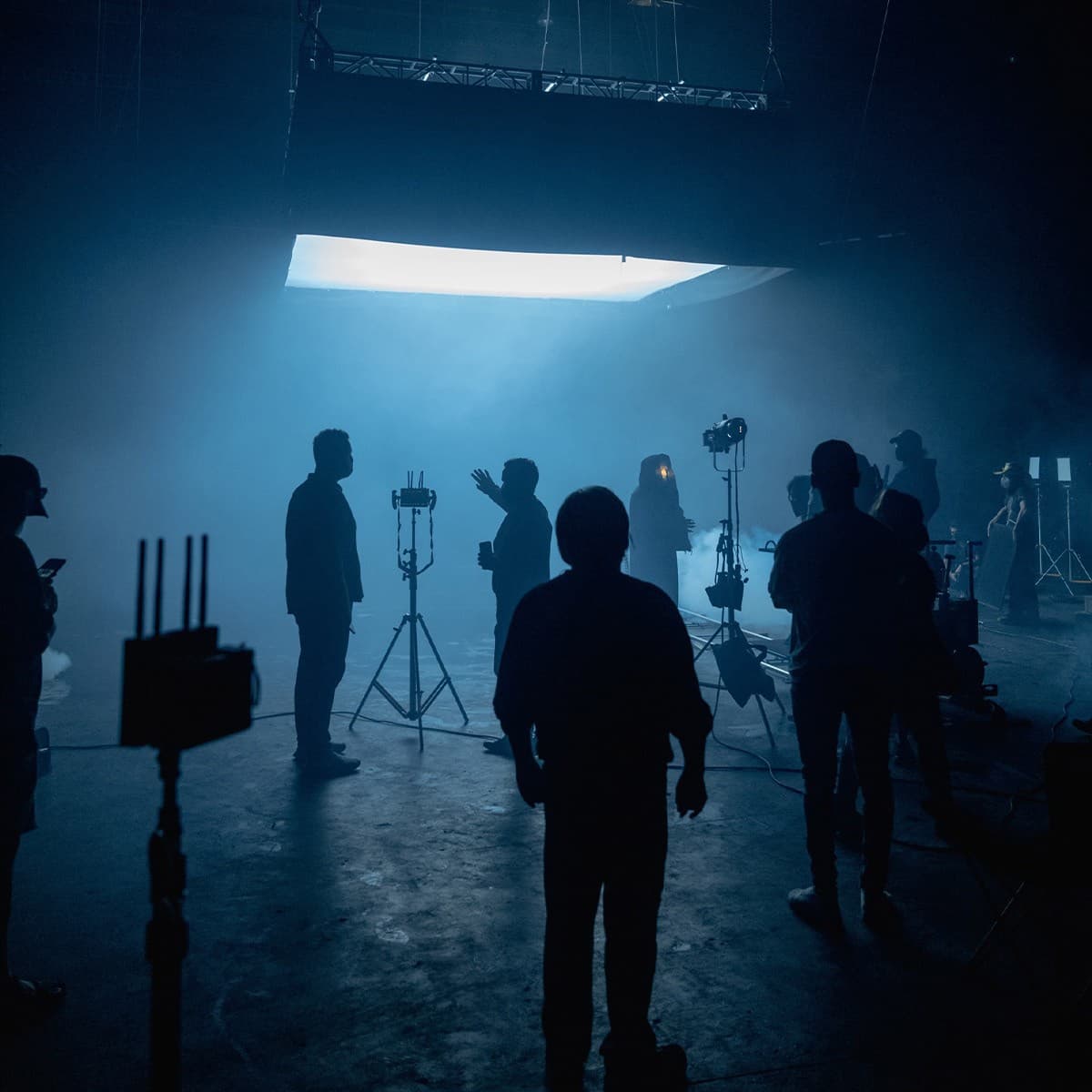
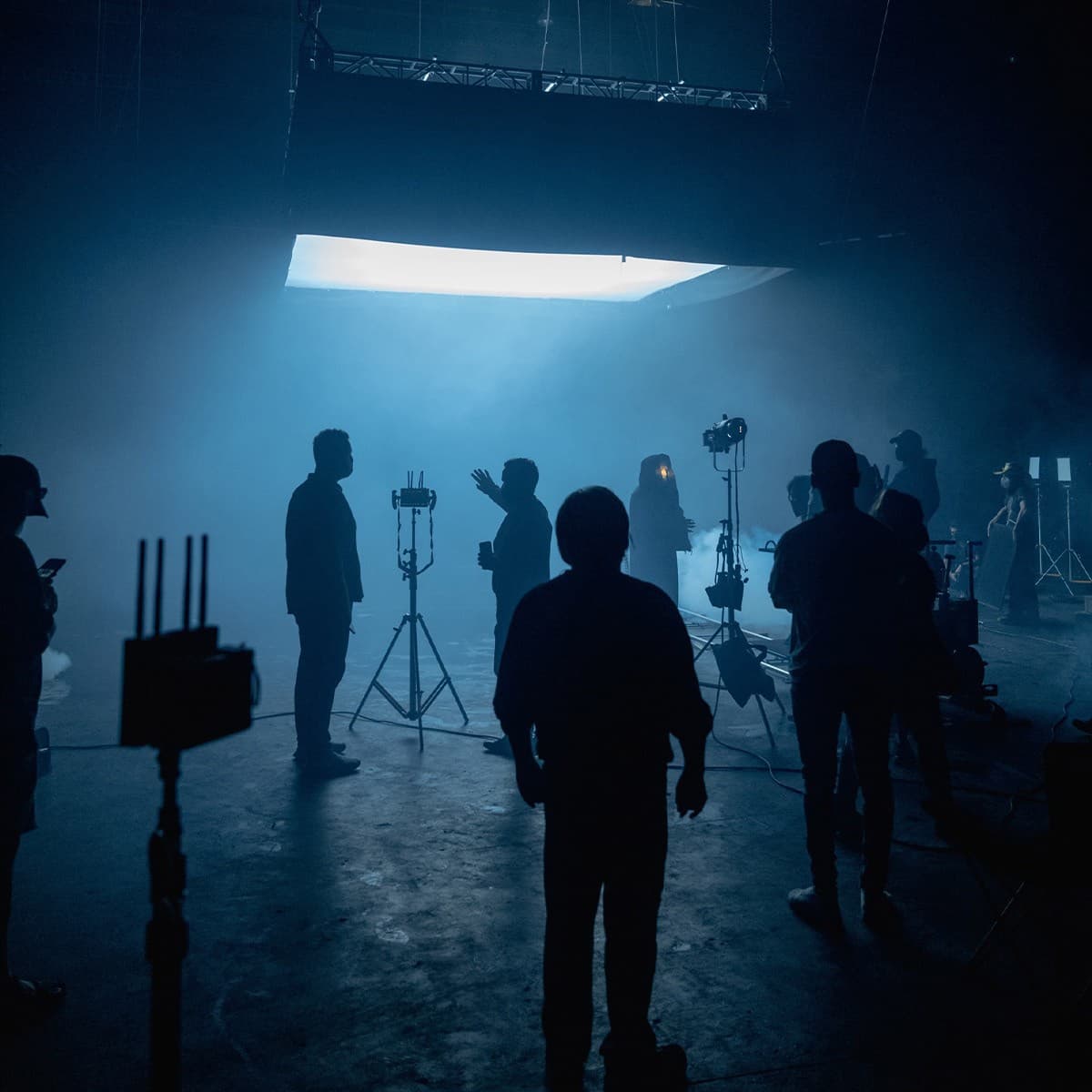
Senior Flame Artists sometimes participate in pre-production or production planning — particularly on VFX-heavy commercials or films — to advise on what will be achievable in post and what needs to be captured practically. This technical consultation role, sometimes called "VFX Supervisor on set," is increasingly part of the Flame Artist's profile at senior levels.
Skills Required
Essential Skills for a Flame Artist
Flame Artists must combine deep software mastery with a broad set of technical and creative competencies. The following skills are evaluated by post houses during hiring and determine the quality and scope of work a Flame Artist can take on independently.
Autodesk Flame Software Proficiency
Core Flame proficiency is non-negotiable. Facilities expect Flame Artists to work without operational supervision. Key areas of software mastery include:
- BFX (Batch FX): Flame's node-based compositing environment used for complex VFX shots. Proficiency in BFX separates junior from mid-level operators — it requires understanding of node connectivity, schematic organization, and render pipeline management.
- Action: Flame's 3D compositing environment for integrating 3D elements, camera data, and motion tracking into a 3D space. Action enables perspective-correct compositing, 3D lighting environments, and camera-matched element placement.
- Timeline and Conform: Managing the Flame timeline for online finishing — relinking, trimming, applying effects, and organizing multi-track timelines for delivery versioning.
- Keyer tools: Flame includes multiple keying systems (Luminance Key, Chromakey, Advanced Keyer). Proficiency in pulling clean keys from difficult green screen footage — spill suppression, edge matting, motion-blurred edges — is a core commercial Flame skill.
- Paint and roto: Flame's paint system for retouching, wire removal, and object isolation. Frame-accurate paint and roto at speed is essential for beauty and VFX work.
- Matchbox shaders: OpenFX-compliant GLSL shaders that extend Flame's capabilities for stylized looks, film grain, lens simulation, and specialized image processing effects.
- Python scripting: Flame supports Python scripting for automation — custom menus, batch processing of shots, automated conform procedures, and integration with pipeline tools. Senior Flame Artists increasingly need scripting skills as facilities build custom Python-based workflows.
Compositing Principles
Software mastery without compositing theory produces technically correct but visually unconvincing work. Flame Artists must understand:
- Light matching and integration: Analyzing the direction, quality, color temperature, and intensity of practical lighting in footage and matching CG or photographic elements to it convincingly.
- Depth cues: Using atmospheric haze, defocus, color desaturation with distance, and contrast reduction to place composited elements correctly in depth relative to other scene elements.
- Motion characteristics: Understanding how real-world camera motion (shake, zoom breathing, lens distortion) differs from digital motion and how to match digital elements to organic camera behavior.
- Matte painting integration: Blending photographic environment extensions with practical footage while maintaining lighting continuity and avoiding telltale digital seams.
- Grain and texture matching: Film grain, sensor noise, and compression artifacts must be matched between source layers to prevent elements from reading as "digital" or foreign within a composite.
Color Science
Color is central to finishing work. Flame Artists must be conversant in:
- Color spaces and transforms: Understanding camera log formats (ARRI LogC3, LogC4; Sony S-Log2, S-Log3; RED Log3G10; Blackmagic Film), display-referred color spaces (Rec.709, DCI-P3, Rec.2020), and the transforms that connect them.
- ACES pipeline: The Academy Color Encoding System is standard at Netflix-approved facilities and major film studios. Flame Artists working in streaming and theatrical post must understand ACES scene-linear compositing and ACES Output Transform behavior.
- LUT (Look-Up Table) management: Applying, creating, and modifying LUTs for on-set monitoring, editorial proxy workflows, and finishing color management.
- HDR delivery: Delivering masters in HDR10, Dolby Vision, and HLG formats for streaming, theatrical, and broadcast HDR pipelines. Understanding the difference between PQ and HLG transfer functions and how they affect finishing decisions.
Client Communication Under Pressure
Commercial Flame sessions are client-supervised — the brand's marketing team, agency creative directors, and account managers are present in the suite during finishing. The ability to translate abstract creative feedback ("can you make the skin look more luminous?" or "the product color doesn't feel right on camera") into precise technical adjustments, in real-time, without visible hesitation, is among the most valued skills a Flame Artist can develop. This requires:
- Active listening and creative interpretation of non-technical feedback
- Ability to offer multiple options quickly to give clients agency in decision-making
- Managing time in client sessions without appearing rushed or stressed under deadline pressure
- Diplomatic communication when client requests are technically impossible within the session
Speed and Accuracy Under Broadcast Deadlines
Post-production schedules are often compressed. A 30-second commercial spot may have 40+ VFX shots, 15 deliverable versions, and a broadcast airdate within 72 hours of final client approval. Flame Artists must maintain both quality and velocity — taking shortcuts in the wrong places degrades the final product, while excessive perfectionism on non-critical elements blows the schedule and budget.
DaVinci Resolve Familiarity
As DaVinci Resolve has become the dominant color grading platform, Flame Artists who can work fluidly in Resolve — or at minimum, understand its output — are significantly more valuable. Many facilities run Resolve for color grading and Flame for finishing and VFX in tandem. Flame Artists who understand the Resolve-to-Flame handoff workflow prevent costly round-trip errors and can supervise the full pipeline more effectively.
Media Management and Pipeline Literacy
Understanding how digital media moves through a post pipeline — from camera original to editorial proxy to online master — prevents expensive mistakes in a high-stakes finishing environment. Flame Artists should be comfortable with:
- Common delivery codecs: ProRes (4444, 4444 XQ, 422 HQ), DNxHD/DNxHR, MXF OP1a, IMF
- Frame rate and resolution standards for broadcast (29.97, 25, 23.976) and digital cinema (24, 48)
- Audio sync and channel mapping for multi-track broadcast masters
- SAN (Storage Area Network) and shared storage environments used in multi-seat facility workflows
Salary Guide
Flame Artist Salary Guide
Flame Artists command among the highest compensation rates in post-production, reflecting both the specialized nature of the software and the professional maturity required to operate at a senior level in client-supervised environments. The market for Flame talent is geographically concentrated — Los Angeles, New York, Chicago, London, and a handful of other major advertising and production markets account for the majority of Flame seats globally.
United States Salary Overview
According to the U.S. Bureau of Labor Statistics, the broader occupational category of "Special Effects Artists and Animators" (SOC 27-1014) reported a median annual wage of approximately $78,790 as of the most recent national estimates, with the top 10% of earners exceeding $131,000 per year. This BLS category includes a wide range of digital artists; Flame Artist compensation at senior levels typically exceeds this median due to the software's specialization premium. For current wage data, see the BLS Occupational Employment and Wage Statistics.
For Flame-specific roles, reported compensation ranges are:
- Junior / Flame Assist level: $55,000–$75,000 per year for staff positions at post facilities. Hourly freelance rates of $45–$75/hour for Flame Assist and junior compositing work.
- Mid-level Flame Artist (3-6 years): $85,000–$120,000 per year for staff positions. Freelance day rates of $750–$1,200/day, depending on market and project type.
- Senior Flame Artist (7+ years): $120,000–$175,000 per year for staff senior roles. Freelance day rates of $1,200–$2,000+/day for commercial finishing at major post houses.
- Department head / Lead Flame Artist: $150,000–$200,000+ at major LA or NY facilities. Top-tier commercial Flame talent with an established client roster can command $2,500–$3,500/day or higher on premium campaigns.
Market Breakdown by City
Compensation varies significantly by market, reflecting both the density of post-production activity and the cost of living premium:
Los Angeles
Los Angeles is the largest market for Flame Artists in the United States, driven by entertainment production, advertising, and the presence of major commercial post houses including Company 3, Harbor Picture Company, Significant Others, Jogger, and CO3. LA-based senior Flame Artists command:
- Staff roles: $130,000–$185,000/year
- Freelance day rates: $1,400–$2,500/day for senior commercial finishing
- Union representation through IATSE Local 700 (Motion Picture Editors Guild) for some finishing roles
New York
New York's post market is heavily weighted toward commercial advertising, making it the second-largest Flame market in the US. Major facilities include Framestore NY, Electric Theatre Collective NY, Significant Others NY, and Method Studios NY. Compensation:
- Staff roles: $120,000–$175,000/year
- Freelance day rates: $1,200–$2,200/day
- Strong demand from advertising agencies on Madison Avenue with tight deadlines and high-volume revision cycles
Chicago
Chicago supports a smaller but active Flame market, primarily driven by advertising post production for major national brands (packaged goods, food and beverage, automotive). Compensation is lower than LA and NY:
- Staff roles: $85,000–$130,000/year
- Freelance day rates: $900–$1,500/day
London
London is one of the world's premier markets for Flame Artists, with a dense concentration of post houses serving both UK advertising and international projects routed through London. Major facilities include The Mill, Framestore, MPC (now rebranded), Electric Theatre Collective, and Time Based Arts. London Flame Artists typically earn:
- Staff roles: £65,000–£110,000/year (approximately $82,000–$139,000 USD at current exchange rates)
- Freelance day rates: £600–£1,400/day ($760–$1,770 USD)
- BECTU union representation applies to some facility-employed Flame Artists in the UK
Commercial vs. Broadcast vs. Film
The production type significantly affects compensation:
- Commercial advertising: The highest-paying Flame market. National television commercial campaigns — especially automotive, pharmaceutical, cosmetics, and consumer electronics — have large finishing budgets and tight turnaround schedules that justify premium Flame rates. Day rates for top commercial finishing artists in LA and NY can exceed $2,500.
- Broadcast television: Network drama and episodic television finishing typically pays below commercial rates but offers longer project duration and schedule stability. Staff finishing positions at major broadcast vendors are common in this sector.
- Streaming (Netflix, Amazon, Apple): Streaming finishing work has grown substantially. Netflix-approved facilities pay competitive rates, and the volume of content demands continuous Flame capacity. Rates are generally comparable to or slightly above broadcast television.
- Feature film: Film finishing using Flame is less common than commercial work, as major VFX-heavy features use dedicated compositing pipelines. However, Flame is used for digital intermediate finishing, title sequences, and final online on mid-budget features. Rates vary widely.
- Music video: High-end music video finishing (particularly for major label artists) uses Flame for complex compositing and beauty work. Rates are typically comparable to commercial work given similar short-form, deadline-driven production patterns.
Staff vs. Freelance
Flame Artists can pursue either staff positions at post facilities or freelance careers. Each model has distinct financial profiles:
- Staff positions offer salary stability, benefits (health insurance, 401k, paid time off), and facility investment in training and software access. The trade-off is lower ceiling income and less flexibility to take premium short-term projects.
- Freelance Flame Artists command higher day rates — a senior freelance Flame Artist billing $1,500/day and working 200 days per year earns $300,000 gross before taxes and business expenses. However, freelancers self-fund benefits, equipment, and handle periods of downmarket availability.
- Many Flame Artists begin on staff, build their reel and network, then transition to freelance once they have established facility relationships and a consistent referral base.
Union Status
In the United States, Flame Artists working in film and television post-production may be represented by IATSE (International Alliance of Theatrical Stage Employees), specifically the Motion Picture Editors Guild (Local 700) or local IATSE affiliates depending on the market and facility. Commercial post-production in the US is generally non-union. Union status affects minimum rates, benefits, and working conditions — the IATSE Local 700 sets minimum scale rates for covered facilities that often serve as a floor for Flame Artist compensation in union markets.
FAQ
Frequently Asked Questions: Flame Artist
What does a Flame Artist do?
A Flame Artist is a senior VFX compositor and finishing specialist who uses Autodesk Flame software to composite visual effects, perform online finishing, execute beauty retouching, create motion graphics, and prepare final deliverables for broadcast, streaming, and theatrical distribution. They are typically the last creative professional to touch a project before it reaches air or release. Flame Artists work primarily in commercial advertising, broadcast television, and streaming post-production, often running client-supervised finishing sessions in real-time.
What is the difference between a Flame Artist and a Nuke compositor?
Flame and Nuke are both professional compositing platforms, but they serve different markets and workflows. Nuke (by Foundry) dominates VFX-heavy film and television work — it uses a node-based interface optimized for isolated shot compositing and integrates into VFX pipeline tools. Autodesk Flame dominates commercial and broadcast finishing — it combines timeline-based online editing with compositing capabilities, delivers real-time interactive playback, and handles conform, delivery versioning, and motion graphics in one environment. A Nuke compositor typically works on specific VFX shots within a larger pipeline; a Flame Artist typically handles the complete online finishing session for a project. Some professionals are proficient in both.
How much does a Flame Artist make?
Flame Artist compensation varies significantly by experience level, market, and production type. Mid-level Flame Artists in major markets (LA, NY) earn $85,000–$120,000 per year on staff. Senior Flame Artists earn $120,000–$185,000 per year at top facilities. Freelance senior Flame Artists command day rates of $1,200–$2,500 in major commercial markets. Commercial advertising finishing — particularly for automotive, pharmaceutical, and cosmetics brands — offers the highest rates in the Flame market. According to the BLS Occupational Employment and Wage Statistics, the Special Effects Artists and Animators category (which includes Flame Artists) has a median annual wage of approximately $78,790, with top earners above $131,000.
How do I become a Flame Artist?
The most common path to becoming a Flame Artist is through the Flame Assist role at a post-production facility. Aspiring Flame Artists typically start as runners or post-production assistants, transition into Flame Assist (online editing and conform work), and gradually take on junior compositing assignments. Formal Flame training is available through Autodesk's official training programs and certification courses. The Logik community (logik.tv) is a free online resource for Flame training, career discussion, and industry networking. Building a strong compositing demo reel is essential — facilities hire based on demonstrated work quality.
What is Autodesk Flame used for?
Autodesk Flame is used for high-end visual effects compositing, online finishing, motion graphics, and broadcast delivery in post-production. Its primary applications include: compositing VFX elements (green screen keying, 3D integration, environment extensions), performing beauty retouching for commercial advertising, conforming and finishing online edits, creating animated motion graphics and titles, managing multi-market versioning and delivery, and outputting broadcast masters and streaming deliverables. Flame is used across commercial advertising, broadcast television, streaming platforms, and feature film finishing.
Is a Flame Artist considered union?
Union status for Flame Artists depends on the market and facility. In the United States, Flame Artists working at signatory facilities in film and television post-production may be represented by IATSE, specifically the Motion Picture Editors Guild (Local 700). Commercial advertising post-production in the US is generally non-union. In the United Kingdom, BECTU represents some Flame Artists at UK facilities. Non-union freelance work is common across all markets, particularly in the commercial advertising sector where Flame is most prevalent.
How much does Autodesk Flame cost?
Autodesk Flame is available by subscription at approximately $500 per month per seat (standard subscription pricing as of 2024-2025). This makes it among the most expensive post-production software platforms — significantly more than After Effects ($60/month via Adobe Creative Cloud) or even Nuke (approximately $350/month for Indie tier, higher for commercial). Flame also requires high-performance Linux or macOS workstations capable of real-time 4K+ playback, adding hardware costs that make the total investment in a Flame suite well into five figures. These barriers contribute to the software's concentration in professional post facilities rather than independent studios or freelancer home setups.
Can I learn Flame at home?
Yes, though historically this was not possible. Autodesk has made Flame more accessible through subscription licensing that allows individual artists to run it on qualifying hardware without requiring a facility environment. The Autodesk Learning platform and The Flame Learning Channel on YouTube provide free and paid training resources. The Logik community forum is an active online resource for Flame education. However, learning Flame to a professional standard typically still benefits from supervised practice in a facility environment — particularly developing the speed and workflow efficiency that professional finishing sessions demand.
Education
How to Become a Flame Artist
Becoming a Flame Artist is one of the more challenging career paths in post-production. Unlike After Effects or Premiere Pro — which any aspiring editor can download and learn independently — Autodesk Flame historically required access to a facility's hardware suite to learn. This high barrier to entry shaped a professional culture where knowledge was gained through apprenticeship more than formal education, though that is changing rapidly.
Formal Education Options
There is no degree specifically in "Flame Artistry." Flame Artists typically hold degrees or training credentials in one of the following disciplines:
- Film production or post-production: Programs at NYU Tisch, USC School of Cinematic Arts, Chapman University Dodge College, UCLA Film School, AFI, CalArts, and similar institutions provide foundational knowledge in editing, color, and post workflow — even if they do not teach Flame specifically.
- Graphic design and visual arts: Design schools such as the School of Visual Arts (SVA), Savannah College of Art and Design (SCAD), and ArtCenter College of Design produce graduates with strong visual and color sensibilities that translate well into Flame compositing work.
- VFX and animation programs: Gnomon School of Visual Effects in Los Angeles, DAVE School in Florida, and Ringling College of Art and Design in Sarasota offer VFX-focused curricula that sometimes include Flame instruction alongside Nuke, Maya, and Houdini.
- Broadcasting and media production: Associates and bachelor's programs at community colleges and regional universities often focus on broadcast production workflows that align with the commercial post market where Flame is most prevalent.
Autodesk Flame Training and Certification
Autodesk offers official Flame training through its Autodesk Learning platform and through Autodesk Authorized Training Centers (ATCs). Training options include:
- Autodesk Flame Fundamentals: An instructor-led or self-paced course covering the core Flame interface, timeline editing, BFX, and basic compositing in Action and Batch.
- Autodesk Certified Professional: Flame 2024: An official certification exam that validates proficiency in Flame's core compositing, finishing, and timeline features. Increasingly requested by facilities hiring junior operators.
- Logik Forum training resources: The Logik community (logik.tv) is the de facto home base for Flame operators globally — forums, tutorials, and the annual Logik Live online conference are free resources maintained by the Flame community.
- The Flame Learning Channel: Autodesk maintains an official YouTube channel with Flame tutorials covering everything from beginner interface orientation to advanced Batch compositing techniques.
The Flame Assist Path
The most common entry point into a Flame Artist career is the Flame Assist or Junior Flame position. Flame Assist is a lighter, timeline-focused version of the software used for conform, assembly, and versioning work — the same tasks that underpin online finishing. Career progression typically follows this arc:
- Runner / Post Production Assistant: Entry-level facility role. Learn the operational environment, media workflows, file management, and client services. Duration: 6-18 months.
- Flame Assist / Online Editor: Begin operating Flame Assist for conform, relinking, and delivering final masters. Build understanding of broadcast delivery standards, codec requirements, and QC procedures. Duration: 1-3 years.
- Junior Flame Artist: Begin taking solo compositing assignments under the supervision of a senior Flame Artist. Develop Batch compositing skills, master keying and roto workflows. Duration: 1-3 years.
- Mid-Level Flame Artist: Handle full commercials and broadcast projects independently. Begin leading client sessions. Build a commercial reel. Duration: 2-4 years.
- Senior Flame Artist: Lead complex VFX-integrated finishing sessions, supervise junior operators, and consult with clients, directors, and agency teams at the highest level.
Building Your Reel
A demo reel is the single most important credential for a Flame Artist. Unlike a degree or certification, a reel is a direct demonstration of technical skill and aesthetic judgment. Effective Flame Artist reels:
- Lead with the highest-quality work in the first 15-30 seconds
- Show a range of work: clean compositing, beauty retouching, VFX integration, motion graphics, and finishing
- Are kept under 2 minutes — if a facility needs to see more, they will ask
- Include before/after comparisons where possible to demonstrate the transformation
- Are updated every 12-18 months to reflect current software versions and production quality standards
Transitioning from Nuke or After Effects
Many Flame Artists enter the software having first mastered Nuke or After Effects. The transition involves significant re-learning — Flame's interface paradigm (particularly its BFX timeline and Action compositing environment) is unlike Nuke's node graph or After Effects' layer-stack. Key adjustment areas include learning to think in terms of timeline-integrated compositing rather than isolated shot composition, and building speed with Flame's real-time interactive tools that differ substantially from Nuke's render-heavy workflow.



























Budget Templates
Budget crew costs with confidence
Use Saturation to build budgets with accurate crew rates, fringes, and union scales.
Try Free Budget Tool