What is a Grip Intern?
Overview
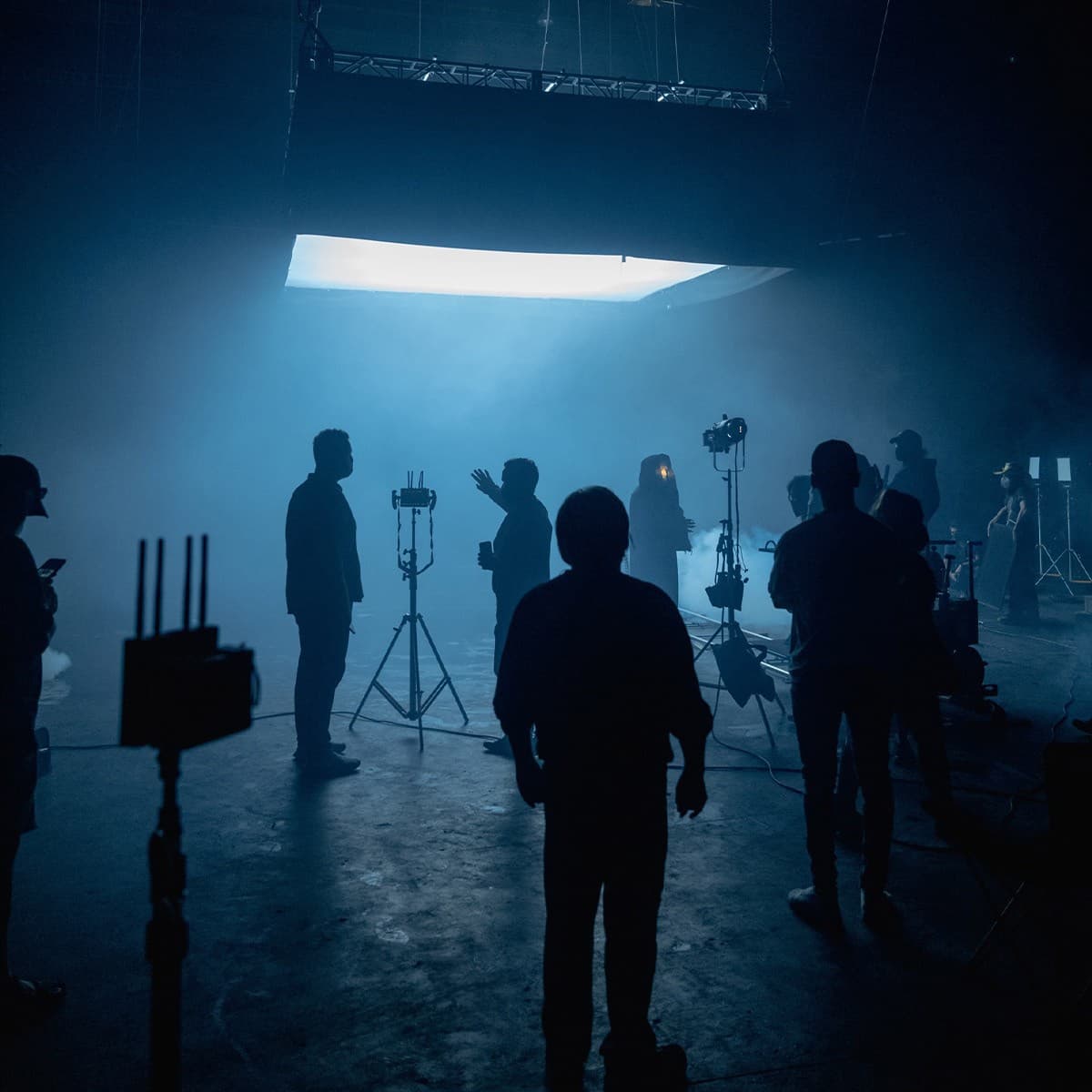
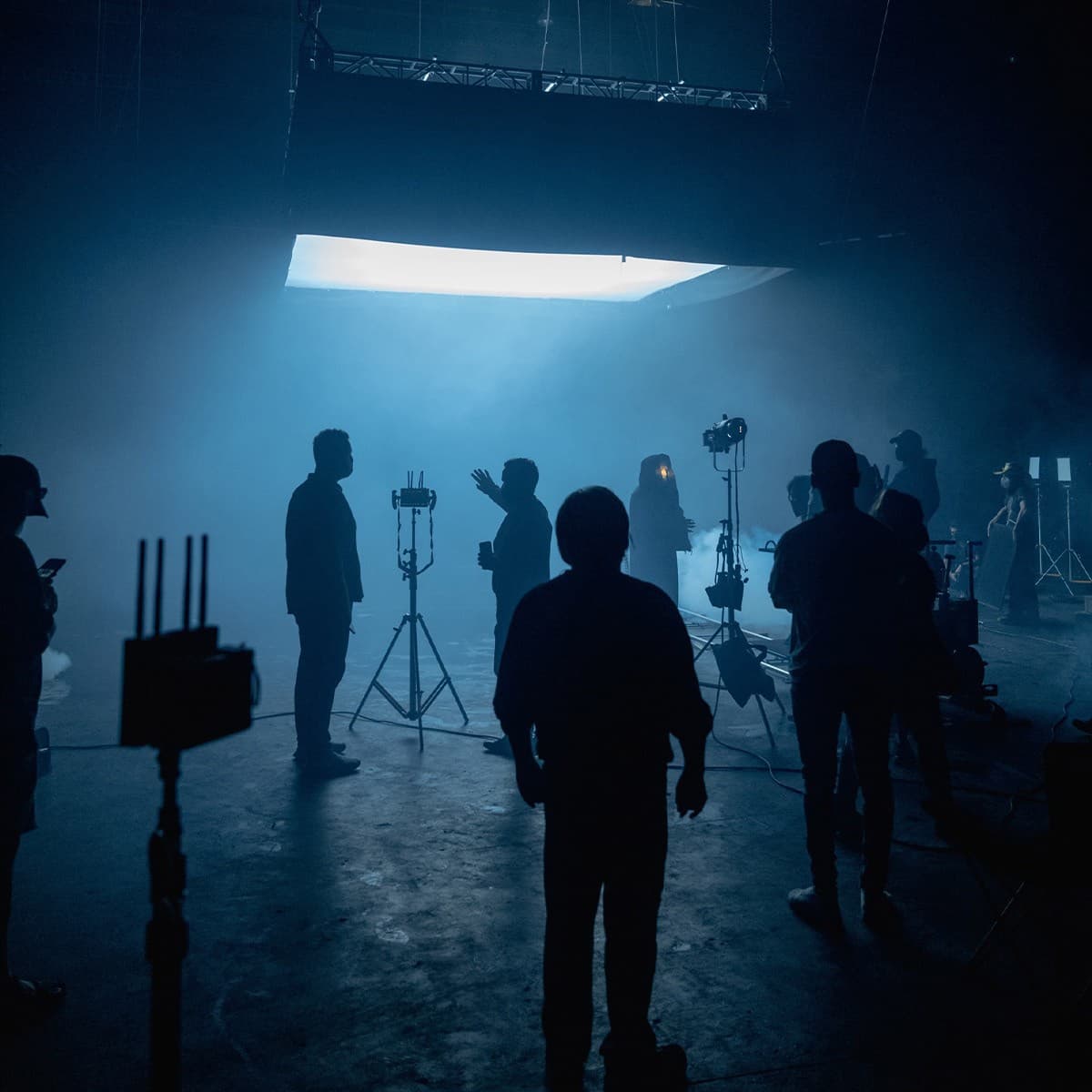
A Grip Intern is a trainee position within the Grip Department on a film set. This role is typically filled by individuals aiming to gain practical experience in the film industry, particularly in the area of camera support and lighting setup. A Grip Intern learns from and assists the seasoned grips—technicians responsible for building and maintaining all the equipment that supports cameras—in carrying out their tasks. This hands-on role provides an essential learning opportunity for those looking to pursue a career in the grip field.
Role & Responsibilities
The role of a Grip Intern involves a range of support functions to assist the Grip Department. Key responsibilities include carrying and setting up equipment, helping to rig lighting and camera support systems, and ensuring that all the gear is maintained and safely operated. The intern might also help in laying down dolly tracks and setting up flags or scrims to control lighting and shadow on the set. Grip Interns work closely with the key grip, best boy grip, and other department members, following instructions and learning the practical aspects of the gripping craft.
Skills Required
Effective Grip Interns must possess a variety of skills to succeed. Physical fitness is important, as the job involves lifting heavy equipment and being on one's feet for extended periods. Additionally, strong communication skills are essential for understanding and executing the instructions from the senior grips. A keen eye for detail and the ability to work in a fast-paced, collaborative environment are also important. Basic knowledge of grip equipment and set procedures, problem-solving skills, and a proactive attitude are crucial for a Grip Intern looking to make the most of their internship experience.
Education
Attaining a position as a Grip Intern does not necessarily require a college degree. However, courses or programs in film production can be beneficial and provide a competitive edge. Many Grip Interns have a background in film studies or have attended technical schools specializing in film or television production. While formal education can be helpful, most of the learning for this role is done through on-the-job training. A strong interest in film, a willingness to learn, and some basic hands-on experience in film production are often the primary prerequisites for securing an internship.
































Budget Templates
Budget crew costs with confidence
Use Saturation to build budgets with accurate crew rates, fringes, and union scales.
Try Free Budget Tool