What is a Key Grip?
Overview
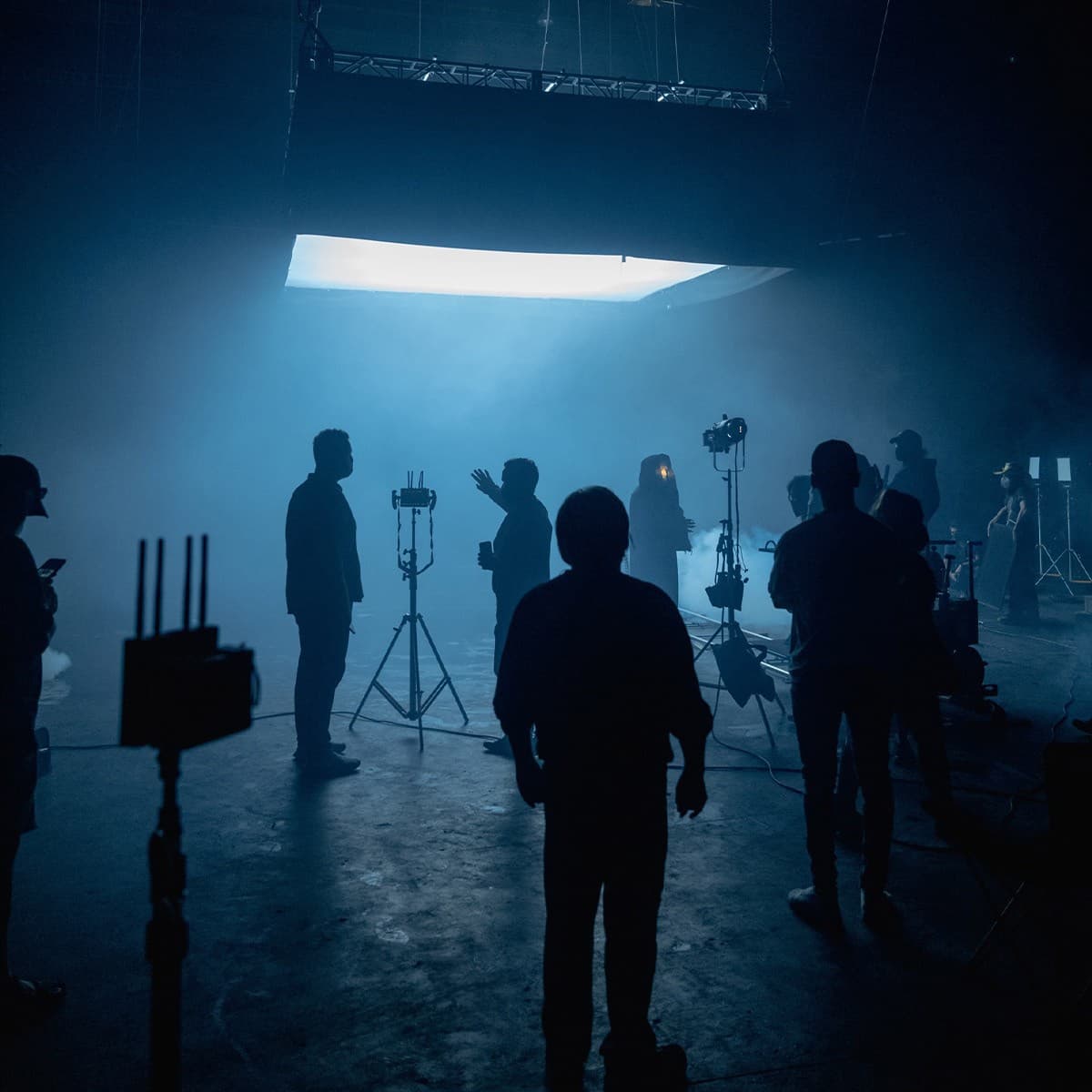
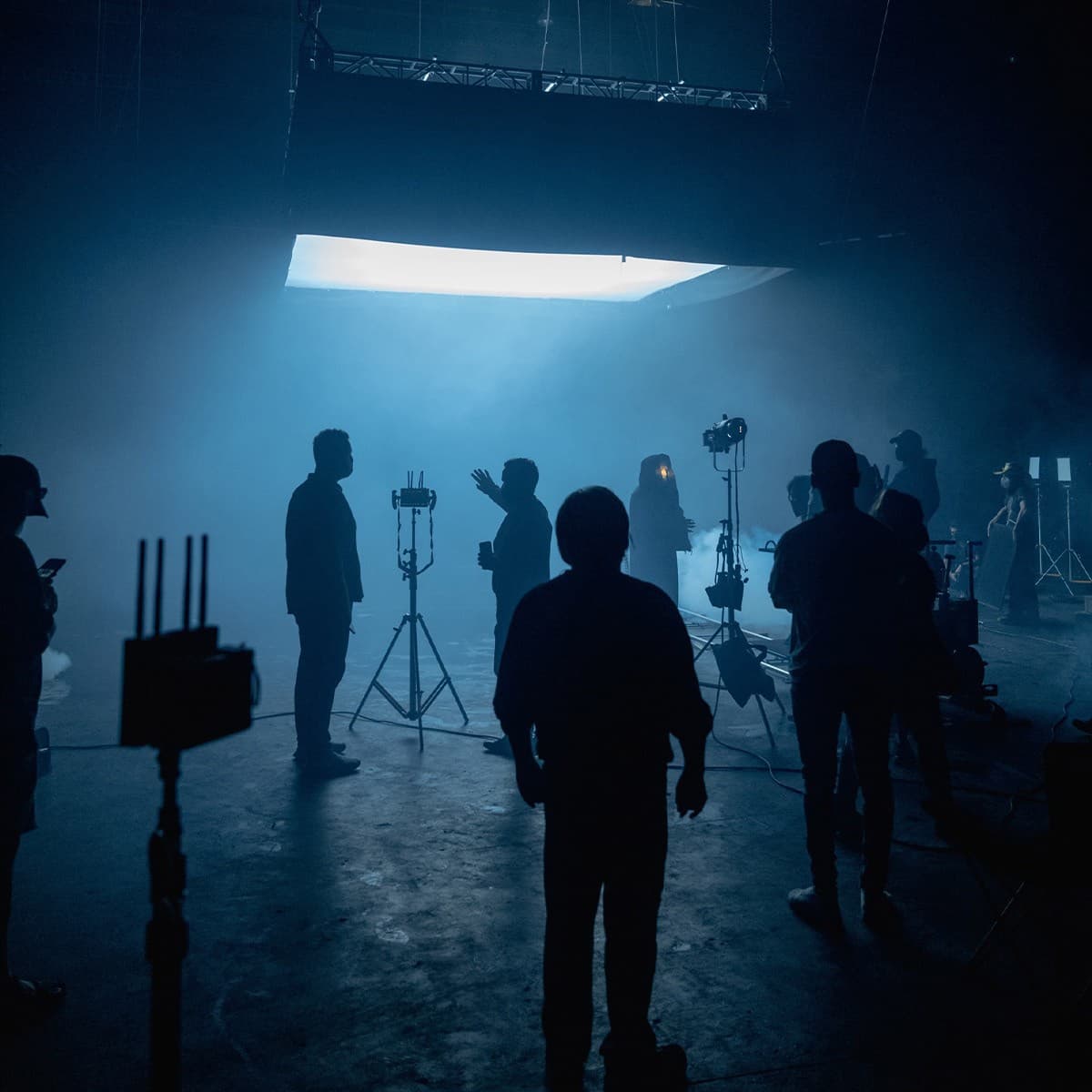
The key grip is the head of the grip department on a film or television production. Every camera support structure, rigging system, and non-electrical lighting control device on set falls under their authority. They work directly alongside the gaffer and report to the director of photography, translating the DP's visual plan into physical reality through equipment and crew management.
Where the gaffer controls anything that draws power, the key grip controls everything that shapes, supports, or moves without electricity. Flags, diffusion frames, C-stands, camera dollies, cranes, car rigs, and scaffolding are the key grip's domain. If light needs to be blocked, softened, or redirected using physical tools rather than electrical fixtures, that task belongs to the grip department.
On a union feature film, the key grip is one of the first department heads hired. They join the production in pre-production to read the script, attend camera tests, and plan grip equipment packages with the DP before a single frame is shot. This early involvement distinguishes the role from most below-the-line positions.
Managing a film production's physical assets is complex work. Grip equipment spans hundreds of line items per shoot, and the key grip is responsible for budgeting, ordering, and tracking all of it. Productions that use Saturation's film budgeting software can give department heads like the key grip direct visibility into their equipment budget, making the pre-production planning process faster and more accurate.
The key grip also carries significant safety responsibility. Rigging failures on set can injure crew members or damage expensive cameras. The key grip sets the safety standards for the grip department, oversees proper load-bearing practices, and ensures every rig is built to hold before anyone or anything goes near it.
Role & Responsibilities
The key grip's responsibilities span pre-production planning through final wrap. The role is equal parts creative collaboration and physical logistics management.
Pre-Production Planning
Before principal photography begins, the key grip meets with the director of photography to review the shot list and scout locations. Based on those conversations, they build a grip equipment package: the full list of gear the department will need for the entire shoot. This package is priced, negotiated with grip houses, and submitted for budget approval. The key grip also reviews location permits and flags any rigging or access challenges before the crew arrives.
Camera Support and Movement
Camera dollies, jibs, cranes, Steadicam rigs, and remote head systems all require grip expertise to set up and operate safely. The key grip oversees the dolly grip, a specialist who physically operates the dolly during camera moves. For complex camera movements, the key grip works directly with the camera department to ensure the rig is stable and the move is repeatable across multiple takes.
Lighting Control (Non-Electrical)
The grip department shapes light using physical tools rather than electrical fixtures. The key grip coordinates with the gaffer to determine where flags, silks, nets, and negative fill need to be placed. C-stands are positioned to hold flags that cut light from spilling into unwanted areas. Diffusion frames soften harsh sources. Black wrap and duvetyne block light entirely. Every one of these placements is a grip department call.
Rigging and Specialty Work
Complex productions require the key grip to design and build custom rigs. Car mounts for moving vehicle shots, overhead rigs for aerial perspectives, and scaffolding structures for elevated camera positions all fall within scope. On productions with a rigging key grip, that person handles overnight builds while the set key grip manages the day's shooting.
Safety and Crew Oversight
The key grip is responsible for the physical safety of their department and anyone who comes near grip equipment. They establish load limits for all overhead rigs, verify that sandbags are properly weighted on every stand, and enforce protocols for working at height. On set, they supervise the best boy grip and the broader grip crew, assigning tasks, solving problems, and keeping the department moving at the pace the DP requires.
Wrap and Equipment Return
At the end of a shoot, the key grip oversees equipment strike and return. They verify that all gear is accounted for, properly packed, and returned to the rental house without damage. Discrepancies between the original pull list and what comes back off the truck are the key grip's responsibility to resolve.
Skills Required
The key grip role demands a combination of physical capability, technical expertise, and crew leadership. The following skills are essential at the department head level.
Equipment Knowledge
A key grip must know the entire grip inventory by name, function, and application. This includes camera support systems (dollies, jibs, cranes, Steadicam, remote heads), grip rigging hardware (pipe and clamps, speed rail, baby plates, baby pins), light control tools (C-stands, flags, silks, scrims, nets, diffusion, negative fill), and specialty items (car mounts, suction cups, hostess trays). Knowing which piece of equipment solves which problem, and knowing it fast, is what separates a strong key grip from an average one.
Rigging and Load Calculation
Key grips regularly design and build overhead rigs that support cameras, lights, and crew. Understanding rigging principles, working load limits, hardware ratings, and failure points is not optional at this level. A miscalculated rig can cause serious injury. Key grips working on complex builds must be able to evaluate safety margins before any weight goes overhead.
Camera Movement and Dollying
Even though the dolly grip operates the dolly during takes, the key grip oversees camera movement systems at a strategic level. They need to understand how different dolly types (studio, western, doorway, dance floor) perform in different situations, how to lay and level track, and how to rig cameras to cranes and jibs. This knowledge allows them to communicate accurately with both the DP and the dolly grip.
Safety and Set Protocols
Key grips are responsible for the physical safety of their department and the areas where grip equipment is used. This requires knowledge of OSHA standards for rigging and working at height, production-specific safety protocols, and the practical judgment to stop work when something is not right. Safety calls made by the key grip override time pressure from the first assistant director or production office.
Leadership and Crew Management
Managing a grip crew on a feature film can mean supervising 10 to 20 people across multiple units. The key grip must delegate effectively, resolve problems quickly, and keep the department moving without creating conflicts with other departments. Strong communication with the gaffer, camera department, and first AD is essential. The DP relies on the key grip to execute without constant supervision.
Physical Stamina
Grip work is physically demanding. Days on set routinely run 12 to 14 hours. Equipment is heavy and often needs to be moved quickly between set-ups. Key grips who cannot sustain the physical requirements of the job will find it difficult to lead a crew that is doing the same. Physical conditioning and the ability to work safely when fatigued are practical requirements of the role.
Problem-Solving Under Pressure
Production schedules do not accommodate lengthy troubleshooting. When a camera mount fails, a location has an unexpected structural problem, or the DP changes the shot plan without warning, the key grip has to find a solution immediately. Improvisation using available materials and creative rigging are skills developed through years of on-set experience.
Salary Guide
Key grip compensation varies significantly based on production type, budget size, union status, and market. The role commands higher rates than most grip positions because it carries full department head responsibility.
Salary Range Overview
Annual earnings for a working key grip in the United States typically fall between $60,000 and $130,000. At the lower end, that range reflects television episodic work and independent productions in smaller markets. At the higher end, it reflects consistent work on studio features or high-budget streaming productions in Los Angeles or New York.
The Bureau of Labor Statistics reports a median annual wage of $68,810 for camera operators in film, video, and television as of May 2024. Grip work is not separately categorized by the BLS, but experienced key grips on union productions routinely earn above this median due to overtime, night differentials, and distant location pay.
IATSE Local 80 Union Rates (2025-2026)
Union key grips working under the Hollywood Basic Agreement are covered by IATSE Local 80. The 2025-2026 minimum rates for theatrical feature film productions under the Los Angeles studio jurisdiction are:
- Key Grip (1st Company Grip): $504.08/day | $3,793.59/week | $63.01/hour
- Best Boy Grip (2nd Company Grip): $457.60/day | $3,428.81/week | $57.20/hour
These are minimums. Experienced key grips negotiating above scale on large productions regularly exceed these rates. The weekly rate assumes an 8-hour guarantee per day with overtime applying after 8 hours at time-and-a-half, and after 12 hours at double time.
By Production Type
- Studio features ($50M+): $130,000 to $200,000+ per production for long-form projects. Day rate negotiations above scale are common at this level.
- Mid-budget features and streaming: $80,000 to $130,000 annually for key grips who work consistently in this tier.
- Television episodic: $60,000 to $100,000 annually. Episodic work is steady but typically carries lower day rates than features.
- Commercial and music video: Day rates are often higher per day than features, but work is intermittent. Key grips on commercials can earn $800 to $1,500 per day depending on the production budget.
- Independent and low-budget: $300 to $600 per day. Non-union productions typically pay a flat daily rate without overtime protections.
By Market
Los Angeles and New York offer the highest concentration of high-budget union work and the highest rates. Secondary production markets including Atlanta, New Orleans, Chicago, and Albuquerque have grown significantly due to state tax incentive programs. Key grips who relocate or travel to these markets for productions can find consistent work, though day rates in these markets may sit 10 to 20 percent below Los Angeles minimums on comparable productions.
Additional Compensation
Union key grips receive contributions to health and pension funds in addition to their base rate. Under the 2025-2026 agreement, pension contributions vary by production budget tier. Distant location work adds per diems, box rentals for personal equipment, and sometimes travel day pay. These additions can materially increase total compensation beyond the base weekly rate.
FAQ
What is the difference between a key grip and a best boy grip?
The key grip is the department head. They take direction from the director of photography, make creative and technical decisions about equipment and rigging, and carry full responsibility for the grip department's performance and safety. The best boy grip is the key grip's second-in-command. They focus on the operational side: scheduling crew, managing equipment inventory, handling paperwork, and serving as the point of contact between the grip department and the production office. The key grip thinks about what needs to happen. The best boy grip makes sure the crew and gear are in place to execute it.
What is the difference between a key grip and a gaffer?
The simplest distinction is electrical versus non-electrical. The gaffer (chief lighting technician) is the head of the electrical department and is responsible for everything that draws power: lights, dimmers, generators, and cable runs. The key grip runs the grip department and controls everything that shapes, supports, or positions light and cameras without electricity, including flags, diffusion, camera dollies, cranes, and rigging. Both report to the director of photography and work closely together to execute the DP's lighting plan. They are equal in department hierarchy, and on most professional sets they maintain a close working relationship throughout the shoot.
How much does a key grip make?
Key grip earnings typically range from $60,000 to $130,000 per year, with the wide range reflecting differences in market, production type, and union status. Under the IATSE Local 80 Hollywood Basic Agreement for 2025-2026, the union minimum for a key grip on a theatrical feature film is $504.08 per day ($3,793.59 per week). Key grips on large studio productions negotiate above this minimum and can earn significantly more when overtime, distant location pay, and box rentals are factored in. Commercial and music video work pays higher day rates but is less consistent than feature or episodic television work.
Is a key grip a union job?
On studio features and major streaming productions, yes. Union grip work in Los Angeles is governed by IATSE Local 80, which sets minimum wages, overtime rules, and working conditions for its members. Non-union productions, including independent films and some commercial work, hire key grips on a non-union basis. Many key grips work non-union productions early in their careers to build experience, then transition to union work once they qualify for membership.
Education
No film school degree or formal certification is required to become a key grip. The path into the role is built entirely through on-set experience, and the progression follows a clear hierarchy within the grip department.
Starting Out: Grip PA and Trainee
Most key grips begin as production assistants or trainees in the grip department. At this stage, the work is physical and logistical: loading and unloading trucks, carrying equipment to set, and watching experienced grips work. The goal is to absorb as much as possible about how grip equipment is named, handled, and used. Even experienced crew who transition into grip work from other departments typically spend time at this level before advancing.
Grip and Specialized Positions
After proving reliability and developing foundational equipment knowledge, a PA or trainee moves up to working as a grip. From there, they may specialize. The dolly grip is a coveted specialty role that focuses entirely on camera movement. The rigging grip works ahead of the main unit, building and pre-rigging sets. Both paths develop skills that are directly applicable to the key grip position later on.
Best Boy Grip
The best boy grip is the key grip's second-in-command. This is the last major step before the key grip role. The best boy runs the day-to-day logistics of the grip department: hiring crew, managing inventory, overseeing equipment returns, and handling the paperwork that keeps the department running. Spending time as a best boy develops the organizational and management skills that a key grip needs beyond technical equipment knowledge.
Key Grip
The transition from best boy to key grip typically happens when a best boy has built enough of a reputation on set that a director of photography asks for them specifically. Most key grips have 10 or more years of on-set experience before they step into the role at a high budget level. On lower-budget productions, the timeline can be shorter.
IATSE Local 80
Union grip work in Los Angeles is governed by IATSE Local 80, which represents motion picture studio grips, crafts service, set medics, and warehouse workers. Joining the union opens access to higher-budget studio productions, standardized minimum wages, health and pension benefits, and formal training resources. The path to union membership typically involves working on non-union or low-budget productions first, accumulating enough hours to qualify for initiation.
Relevant Training and Background
While no degree is required, grips with backgrounds in construction, carpentry, mechanical engineering, or rigging often have a significant advantage. Knowledge of load calculations, structural systems, and basic electrical safety translates directly to grip work. Some aspiring grips pursue film programs not for the degree itself but for access to sets and equipment during school.





























Budget Templates
Budget crew costs with confidence
Use Saturation to build budgets with accurate crew rates, fringes, and union scales.
Try Free Budget Tool