What is a Lighting Board Operator?
Overview
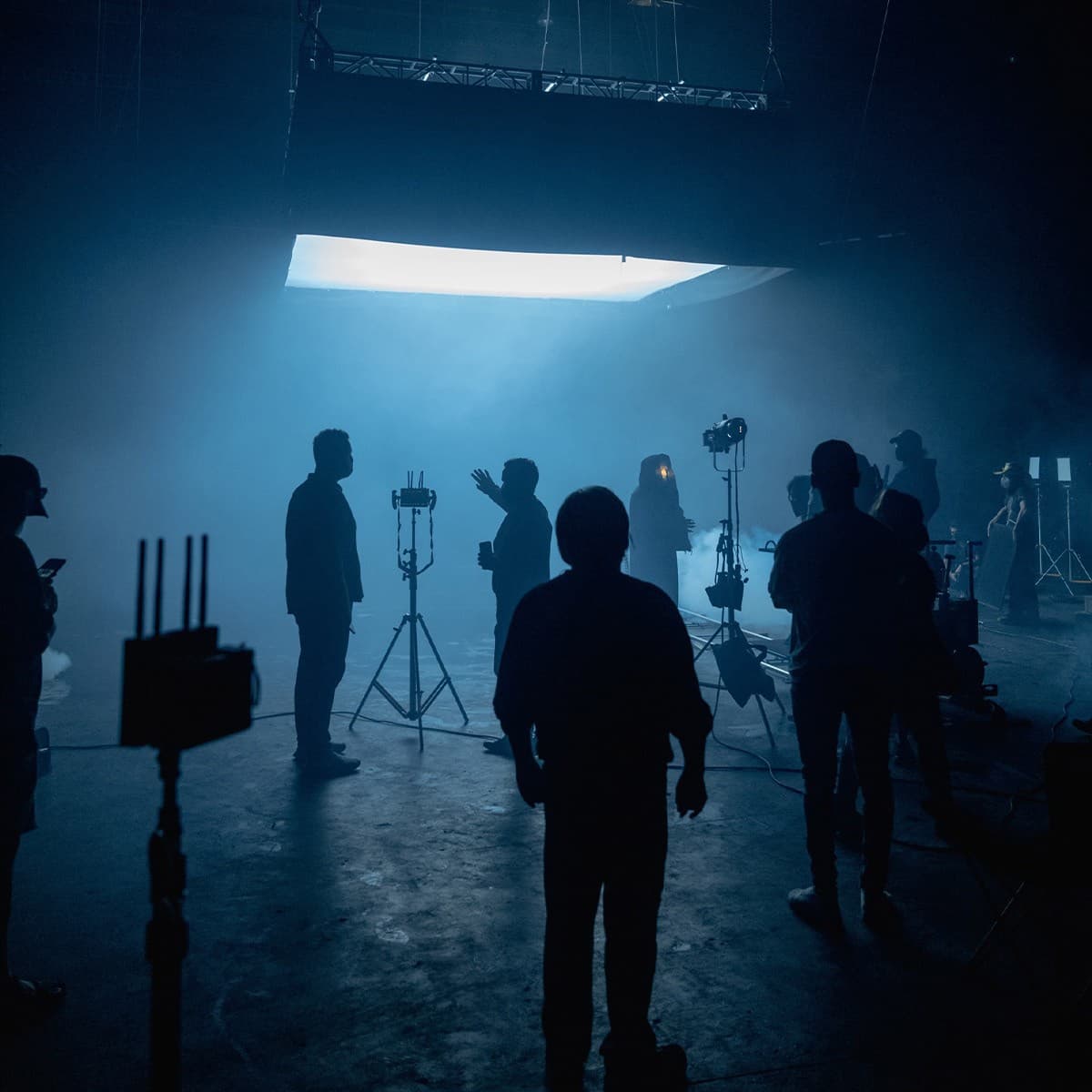
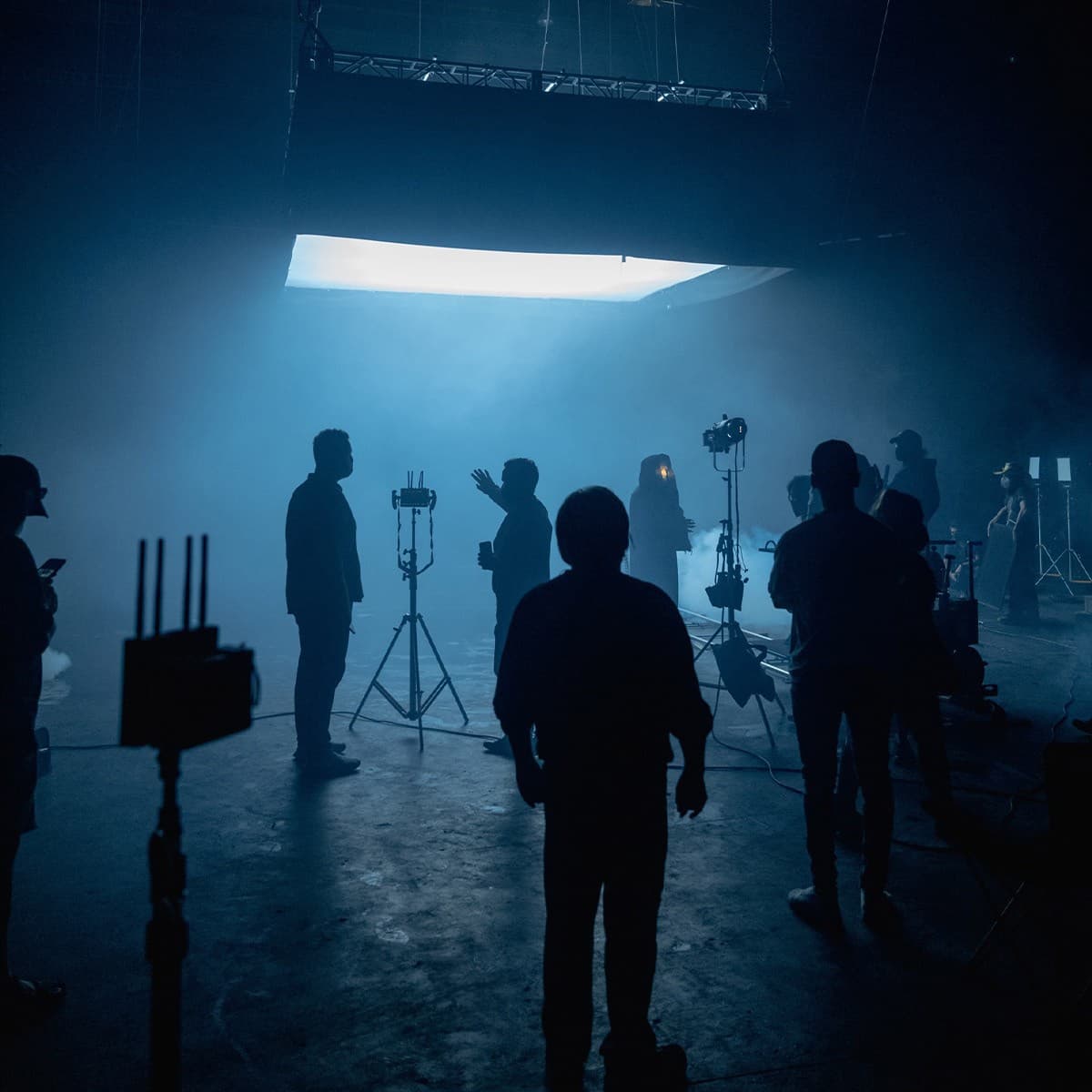
A Lighting Board Operator, commonly known within the film industry as an essential component of the Electrical Department, is a professional responsible for operating the lighting control consoles and equipment that shape the visual mood and atmosphere on set. These technicians play a crucial role in realizing the director’s vision by manipulating light intensity, color, and cues, ensuring that each scene is lit appropriately for both artistic and technical requirements.
Role & Responsibilities
The role of a Lighting Board Operator involves a mixture of creativity and technical expertise. These individuals work closely with the Director of Photography and Gaffer to implement the lighting plan. They are in charge of programming and controlling the lighting console during filming, rehearsals, and live performances, if applicable. Their duties also include troubleshooting any issues with the lighting equipment, collaborating with the electrical team to ensure lighting cues are executed flawlessly, and adjusting the lighting in real-time as directed by the production team.
Skills Required
To excel as a Lighting Board Operator, one must possess a mix of technical skills, attention to detail, and an artistic eye. Proficiency in lighting control systems and software, a deep understanding of electrical theory and practice, and the ability to work under pressure are essential. Additionally, strong communication and teamwork abilities are vital, as Lighting Board Operators must collaborate closely with various crew members. Time management and problem-solving skills round out the profile of a skilled Lighting Board Operator, enabling them to adapt quickly to changes and maintain the integrity of the lighting design throughout the production process.
Education
A college degree is not strictly mandatory to become a Lighting Board Operator. However, many in this field hold a degree in theater arts, film production, or a related technical field, which can provide a valuable theoretical and practical foundation. More important than a formal education are the hands-on experience and knowledge of lighting equipment, software, and techniques, which can be gained through internships, apprenticeships, or on-the-job training working in lower-tier positions within the Electrical Department.































Budget Templates
Budget crew costs with confidence
Use Saturation to build budgets with accurate crew rates, fringes, and union scales.
Try Free Budget Tool