What is a Lighting Designer?
Overview
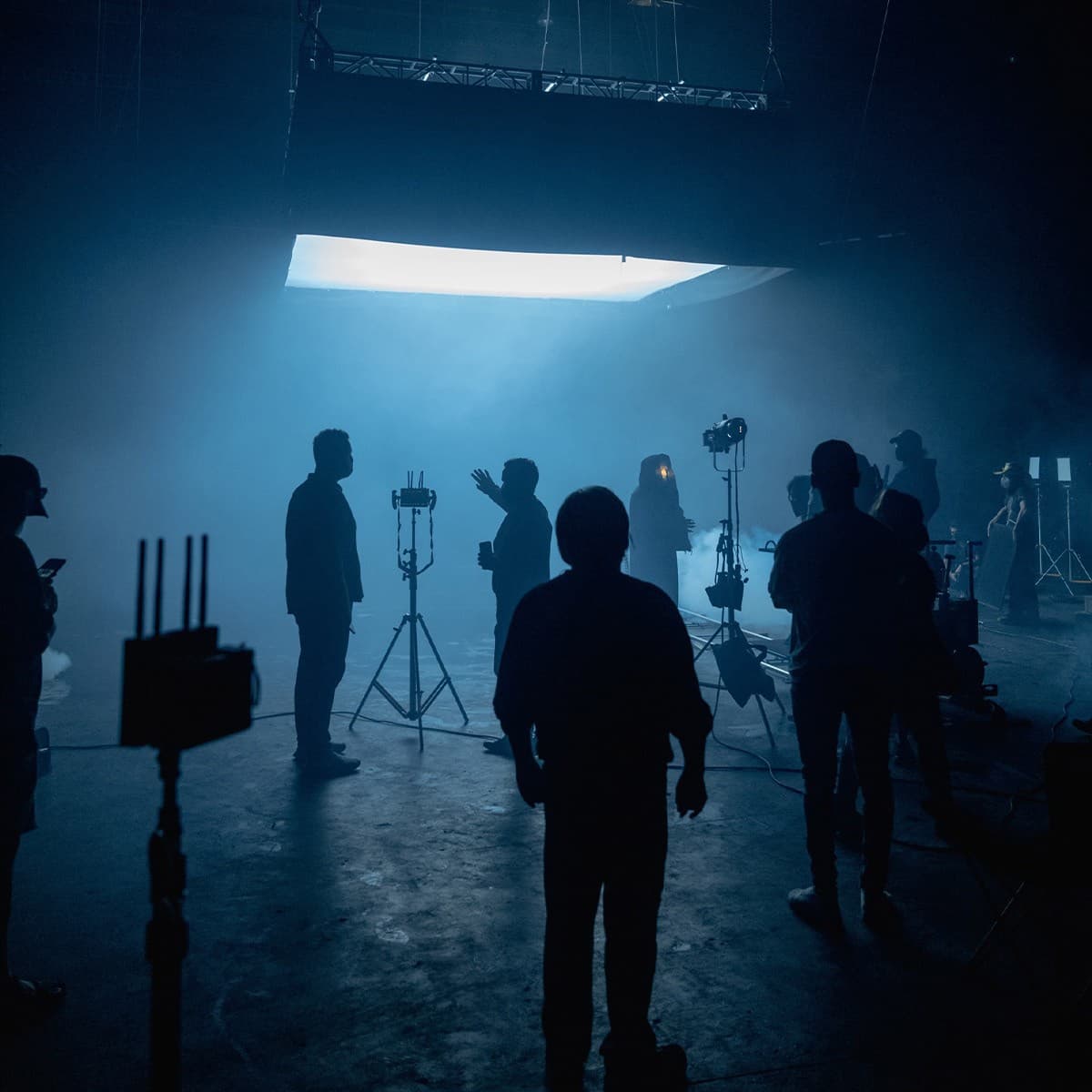
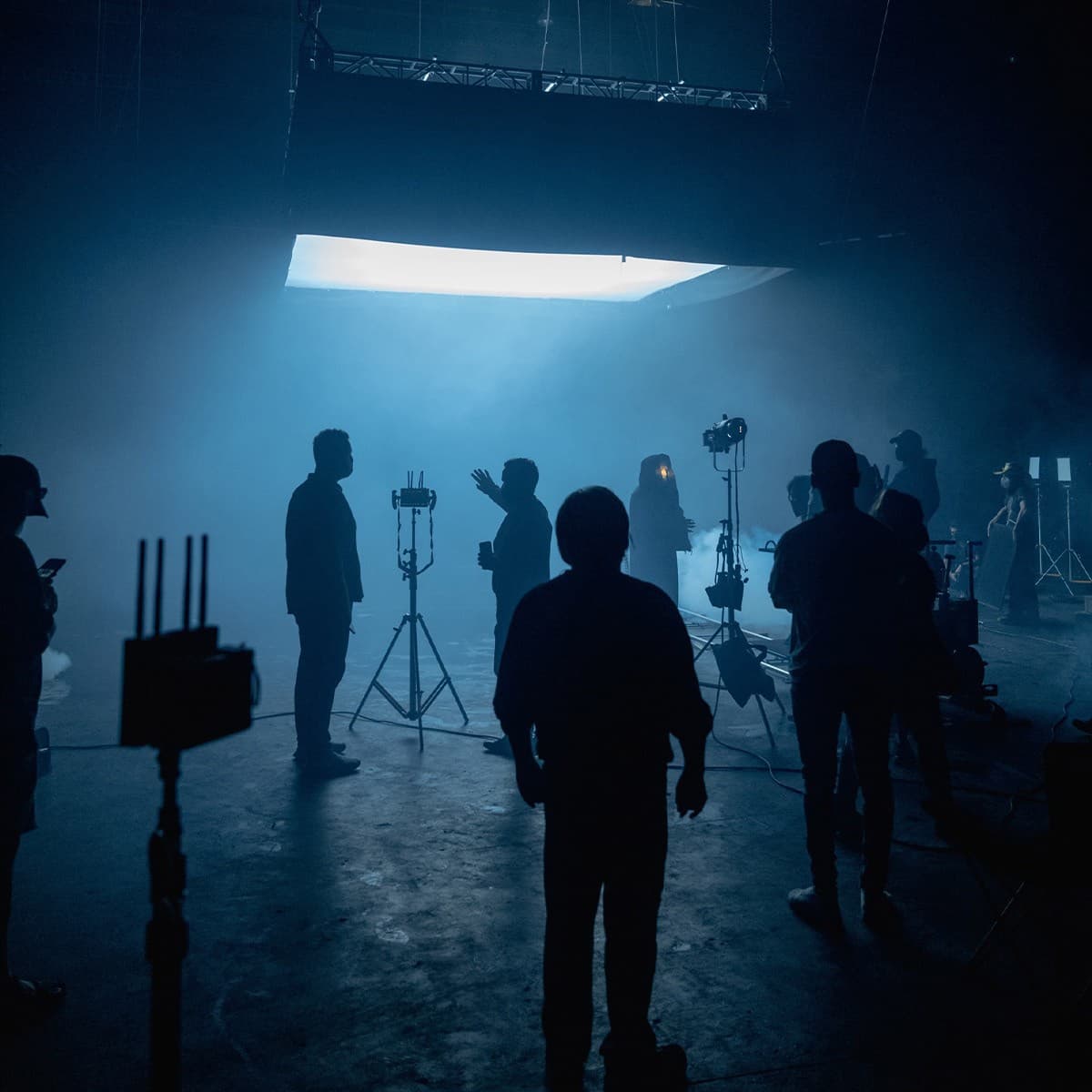
A Lighting Designer stands as a pivotal figure within the film industry, charged with the critical task of crafting the visual ambiance and mood of a motion picture through the artful manipulation of light. Working under the broader umbrella of the Electrical Department, a Lighting Designer's expertise is deployed to sculpt scenes with light and shadow, influencing the emotional undercurrents and aesthetic of the film. They collaborate closely with the director, cinematographer, and production designer to ensure that the lighting complements the story and the visual style of the project.
Role & Responsibilities
The role of a Lighting Designer encompasses a multitude of responsibilities that extend far beyond simply illuminating a set. They must develop a lighting plan that reflects the director's vision, while also considering the practicalities of the shooting location and the technical constraints of the crew and equipment. Lighting Designers are in charge of selecting the appropriate lighting fixtures, placement, and angles, as well as adjusting color filters and intensity to create the desired effect. Additionally, they play a crucial role in establishing the time of day and continuity within scenes, and often oversee the installation and operation of lighting equipment during production.
Skills Required
An adept Lighting Designer must possess a unique blend of technical proficiency and creative vision. They should have a thorough understanding of the properties of light and how it interacts with different surfaces and materials. Technical skills, such as proficiency with lighting equipment, electrical knowledge, and familiarity with computer-aided design (CAD) software, are essential. Furthermore, a Lighting Designer needs strong communication and collaboration skills to effectively work with the rest of the film crew and a problem-solving mindset to address the challenges that arise on set. Time management and adaptability are also crucial, as film sets are fast-paced and ever-changing environments.
Education
Pursuing a career as a Lighting Designer does not necessarily mandate a college degree, though formal education can be extremely beneficial. Many professionals enter the field with degrees in film, theater, cinematography, or related fields from universities or specialized trade schools. Essential to the position are a deep understanding of lighting techniques and a robust portfolio that demonstrates practical experience. Internships and apprenticeships with lighting or production companies can also provide valuable on-the-job training and industry connections.

































Budget Templates
Budget crew costs with confidence
Use Saturation to build budgets with accurate crew rates, fringes, and union scales.
Try Free Budget Tool