What is a Moving Light Technician?
Overview
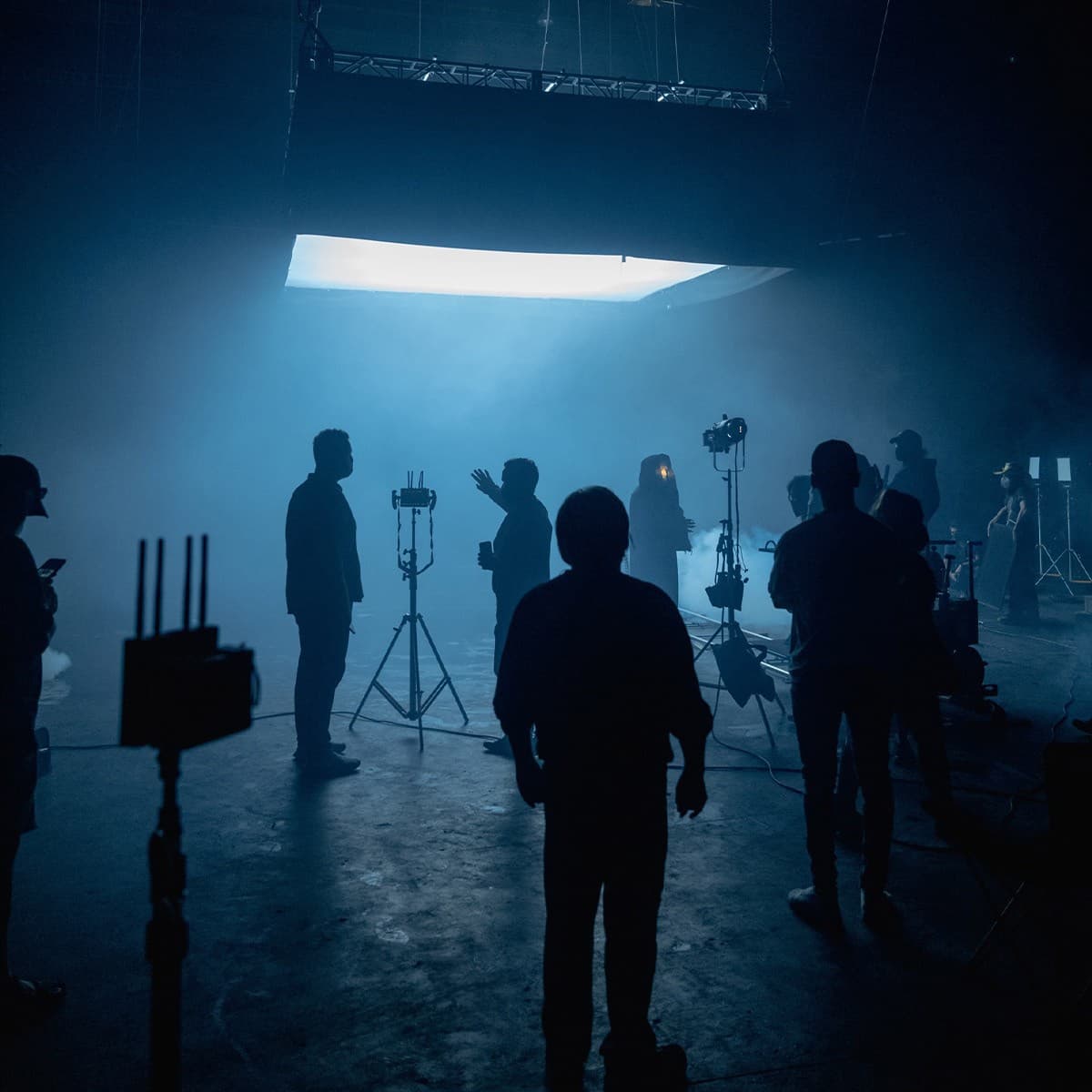
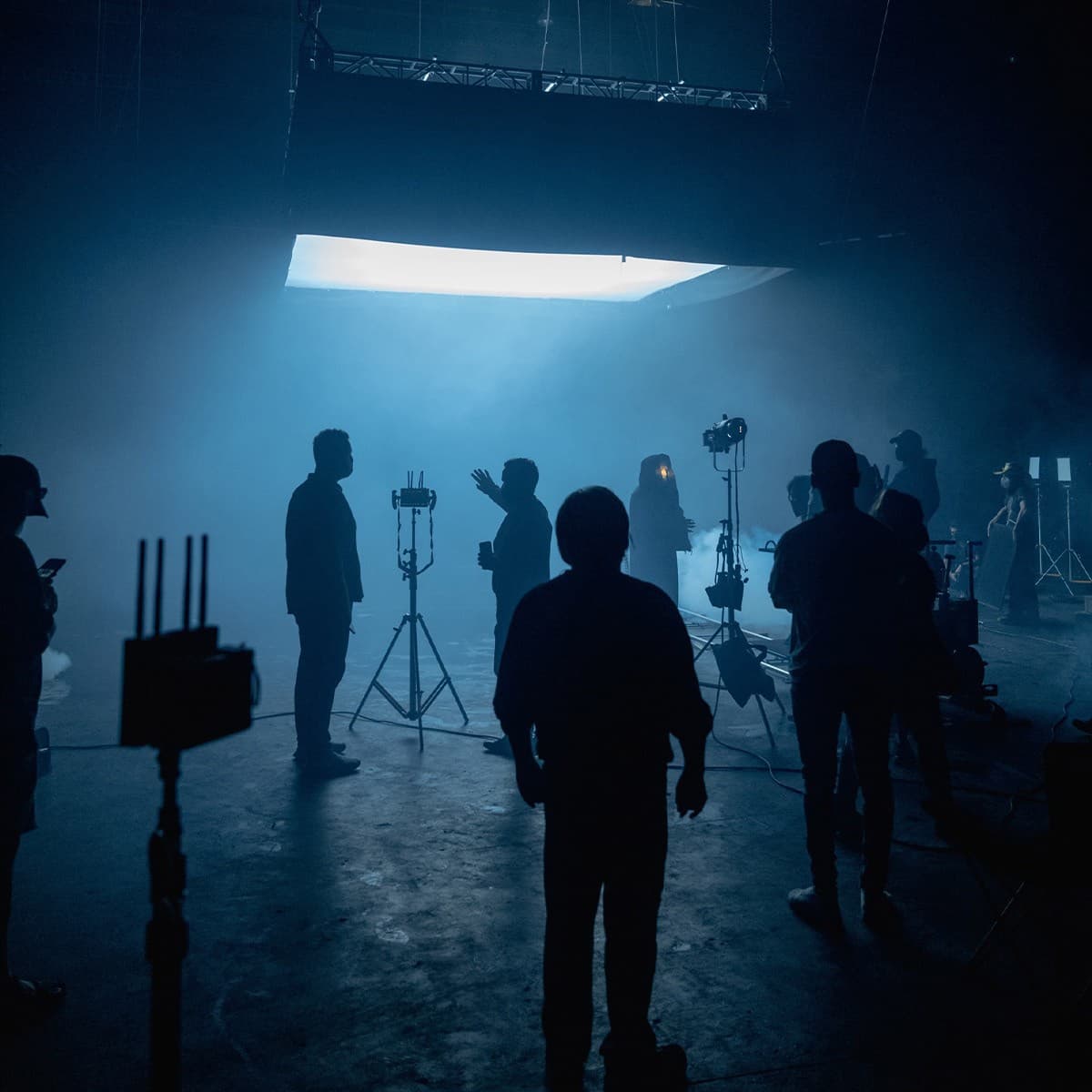
A Moving Light Technician is a specialist in the Electrical Department of a film crew, responsible for the operation, placement, and maintenance of moving light fixtures on set. These technicians are experts in dynamic lighting equipment that can change intensity, color, and direction, often used to create specific visual effects and moods that enhance the storytelling aspect of film production. Their expertise is crucial in scenes requiring intricate lighting choreography that can be programmed and adjusted on the fly.
Role & Responsibilities
The role of a Moving Light Technician involves a deep understanding of lighting control systems and software, as they often program and operate sophisticated lighting consoles. They work closely with the Director of Photography and Gaffer to realize the artistic vision for each scene, ensuring that the mobility and versatility of the lights are maximized for the desired effect. Their responsibilities also include the setup, rigging, and striking of moving light fixtures, as well as troubleshooting any technical issues that may arise during the shoot.
Skills Required
The skills required for a Moving Light Technician include a blend of technical knowledge and practical abilities. Proficiency in lighting design and programming, familiarity with various lighting equipment and control boards, and a solid understanding of electrical safety are all essential. Strong problem-solving skills, attention to detail, and the ability to work well under pressure are equally important, as is good physical fitness to handle the demands of rigging and moving equipment. Effective communication and teamwork skills are also crucial, as these technicians must collaborate with various departments to achieve the desired lighting outcomes on set.
Education
While college education is not strictly required to become a Moving Light Technician, many professionals in this field have a background in theater technology, film production, or electrical engineering from a technical college or university. However, hands-on experience and a strong portfolio are often more crucial in securing a position. Apprenticeships, workshops, and working under the mentorship of experienced technicians can also provide the necessary skills and knowledge.
































Budget Templates
Budget crew costs with confidence
Use Saturation to build budgets with accurate crew rates, fringes, and union scales.
Try Free Budget Tool