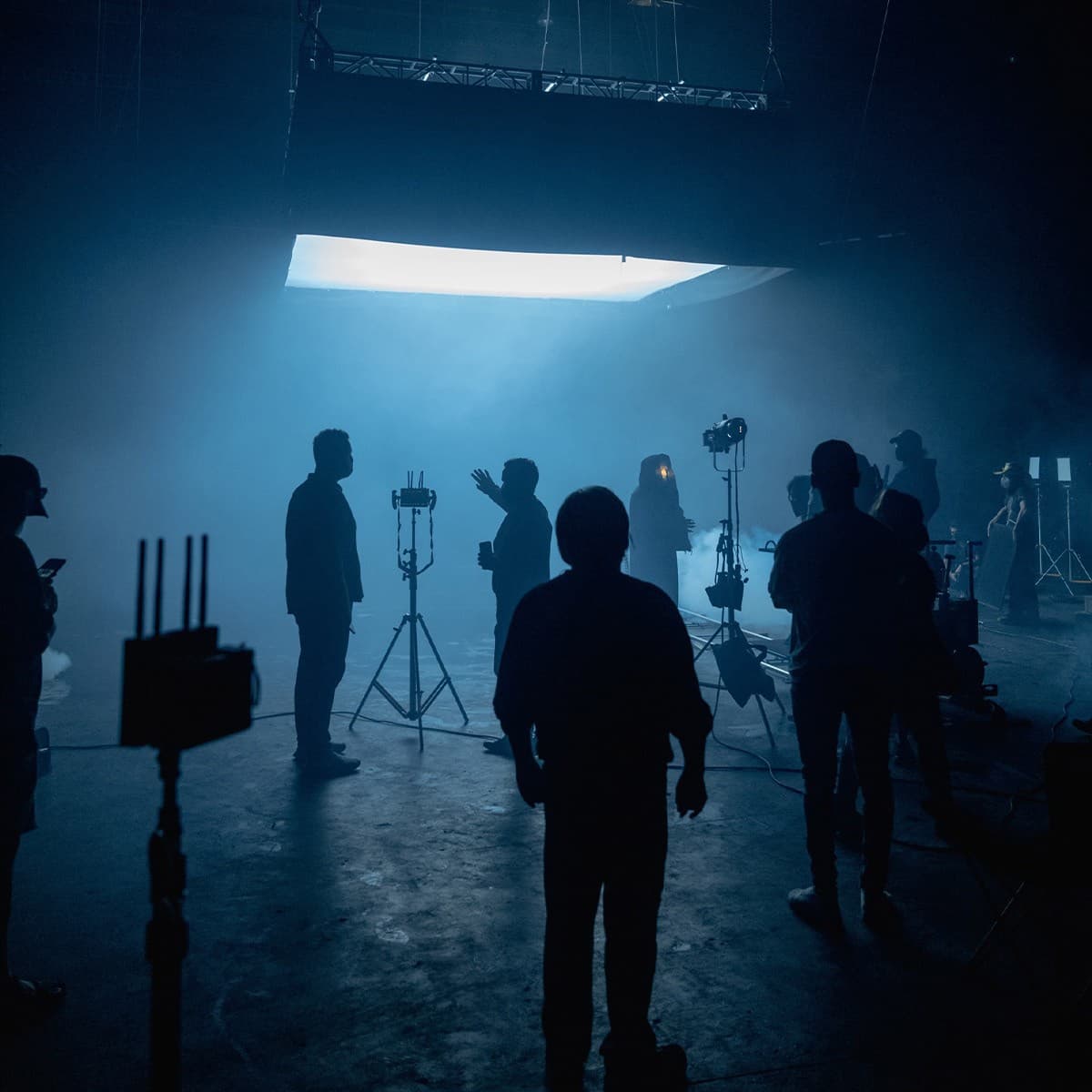
What is a Nuke Lead?
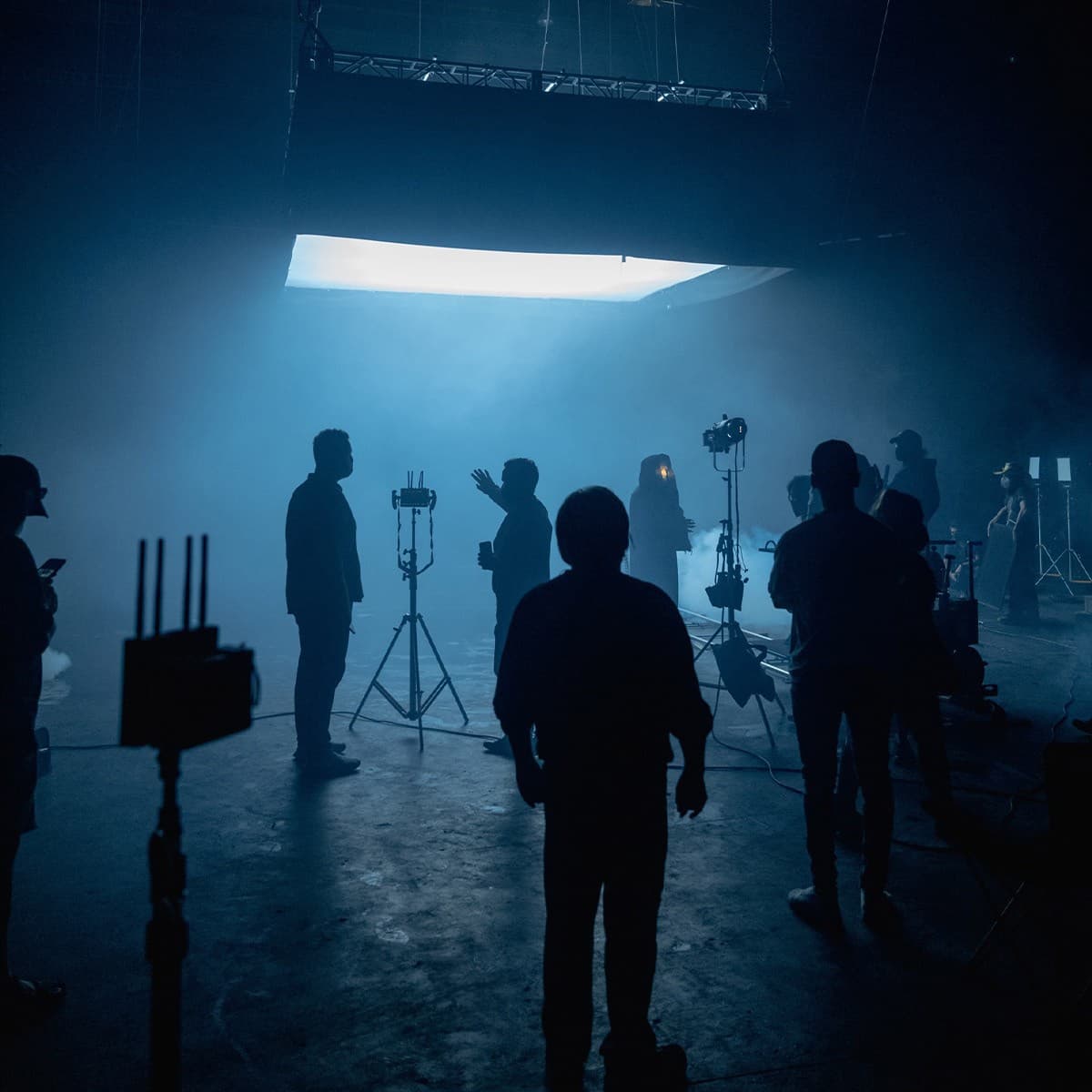
Overview
What Is a Nuke Lead?
A Nuke Lead — also called a Lead Compositor or Lead Nuke Compositor — is the senior-most compositing artist on a VFX team who carries a dual responsibility: delivering high-complexity composite shots personally while simultaneously managing, mentoring, and reviewing the work of junior and mid-level Nuke artists. The role sits at the intersection of technical artistry and production leadership, making it one of the most demanding positions in the VFX department.
Nuke, developed by The Foundry, is the industry-standard node-based compositing application used at virtually every major visual effects facility in the world, from ILM and Framestore to Weta FX and DNEG. When a production houses a VFX team — whether on a streaming series or a major theatrical release — the Nuke Lead is responsible for maintaining the visual consistency and technical quality of every composited shot in their assigned sequence or department.
Where the Nuke Lead Sits in the VFX Pipeline
The VFX pipeline flows from pre-production through post: concept, previs, on-set data capture, 3D generation (modeling, rigging, animation, FX simulation, lighting), and finally compositing. Compositing is the final-assembly stage where all rendered CG elements, live-action plates, matte paintings, and motion graphics are combined into a seamless, camera-matched image.
Within the compositing team, the hierarchy typically runs: Junior Compositor → Compositor → Senior Compositor → Lead Compositor (Nuke Lead) → Compositing Supervisor → VFX Supervisor. The Nuke Lead answers directly to the Compositing Supervisor and works in daily collaboration with Lighters, FX Artists, Roto/Paint Artists, and Pipeline TDs.
The Software: Foundry Nuke
Nuke's node-based workflow — where every operation is represented as a node in a visual graph — gives compositors fine-grained control over pixel data, color transforms, and CG integration that layer-based tools like Adobe After Effects cannot match at production scale. For a Nuke Lead, this means building and maintaining complex node trees, developing proprietary Gizmos (reusable node groups), writing Python and Blink scripts, and establishing technical standards the entire team follows.
Foundry offers Nuke, NukeX (adding 3D tracking and lens distortion tools), and Nuke Studio (editorial and review). Most lead-level positions require NukeX proficiency at minimum, with Nuke Studio experience valued for facilities that use integrated editorial and review pipelines.
Productions That Employ Nuke Leads
Nuke Leads work across feature film VFX, episodic television, commercial VFX, music videos, and immersive experiences. The role exists at in-house studio VFX departments (Disney, Netflix, Amazon), at independent VFX vendors (ILM, Framestore, MPC, DNEG, Weta FX, Rising Sun Pictures, Scanline VFX), and at boutique post-production houses serving advertising and broadcast clients.
Managing a production's compositing workflow requires coordination across the entire production pipeline. Tools like Saturation.io help productions track budgets, crew payments, and schedules from a single cloud-based platform — giving VFX producers real-time visibility into where every dollar goes.
Key Distinctions: Nuke Lead vs. Compositing Supervisor
The Nuke Lead is hands-on in Nuke daily. The Compositing Supervisor takes a higher-level view — attending client reviews, interfacing with directors, managing multiple sequences or departments, and often stepping back from daily compositing. A Lead may aspire to become a Supervisor after building sufficient leadership and creative approval experience.
Role & Responsibilities
Core Responsibilities of a Nuke Lead
The Nuke Lead's day is divided between hands-on compositing work and the operational management of their team. At busy facilities, leadership duties can consume 30–50% of the day, with the remainder spent in Nuke delivering shots personally. The balance shifts based on team size, deadline pressure, and the complexity of the assigned sequence.
Shot Assignments and Workload Planning
The Nuke Lead receives shot lists from the Compositing Supervisor and VFX Producer, then distributes individual shots across the team based on difficulty, artist skill level, and deadline. They track the status of every shot in their department — typically using production tracking tools like ShotGrid (formerly Shotgun) or Ftrack — and escalate blockers early to avoid schedule slippage. Shot assignment also requires understanding which shots are waiting on lighting renders, roto deliveries, or FX simulations so that compositing can proceed in the optimal sequence.
Comp Review and Artistic Direction
The Nuke Lead runs daily or twice-daily internal reviews using tools like RV or Nuke Studio's review mode, giving frame-accurate, technically grounded notes to artists before shots go upstream to the Compositing Supervisor or client. Their notes span color matching, grain matching, edge integration, CG integration artifacts, depth of field accuracy, lens aberration matching, and narrative storytelling — ensuring every shot serves the director's vision while meeting the facility's technical pipeline requirements. When clients attend reviews, the Lead often presents work alongside the Supervisor, fielding technical questions about methodology.
Script Development and Pipeline Integration
A strong Nuke Lead does not just use existing scripts — they build tools. This includes developing Gizmos that standardize common comp operations (color space conversions, shot setup templates, grain tools, denoise nodes), writing Python scripts to automate repetitive tasks (auto-loading plate hierarchies, batch rendering, frame range verification), and occasionally writing Blink scripts for GPU-accelerated custom image processing. They work with Pipeline TDs to ensure their tools conform to facility-wide standards and often review and approve new tools before deployment to the team.
Technical Problem-Solving and Shot Rescue
When a shot is technically broken — a chroma key that won't hold, a CG element with incorrect light wrap, a depth composite with Z-fighting artifacts, an optical flow warp that ghosts — the Nuke Lead is the first escalation point. They diagnose the root cause, determine whether the fix belongs in comp or requires a re-render from upstream, and either solve it directly or communicate the issue to the relevant department with precise technical language.
Mentoring Junior and Mid-Level Artists
A significant part of the Nuke Lead role is talent development. They run one-on-ones with junior compositors to identify growth areas, conduct informal Nuke training sessions on advanced techniques (3D camera projection, deep compositing, multi-layer EXR workflows), and build a culture of technical rigor and creative ambition within the team. Strong leads are known not only for their own reel but for the reel of everyone they have trained.
Client Presentations and Vendor Coordination
On larger productions, the Nuke Lead may attend client review sessions — presenting shots in context, explaining technical approaches, and capturing revision notes directly from the director or VFX supervisor. On outsourced productions, the Lead coordinates with partner vendors on deliverable specifications, EXR layer naming conventions, CDL values, and shot-transfer protocols.
Quality Control and Final Delivery Checks
Before any shot leaves the facility, the Nuke Lead performs a final QC pass: checking frame handles, verifying output color space and bit depth, confirming delivery resolution and codec, checking for pixel errors (blown-out whites, crushed blacks, single-frame glitches), and validating that the shot meets the delivery specification provided by the DI facility or broadcast partner.
Collaboration with the VFX Supervisor
The VFX Supervisor owns the creative vision of the entire VFX scope. The Nuke Lead translates that vision into executable comp methodology for their team — interpreting reference images, establishing color targets, and ensuring the creative language of a sequence is consistent across every shot, regardless of which artist worked on it. Effective leads anticipate what the VFX Supervisor will ask before they ask it.
Production Budget Awareness
At lead level, artists begin interfacing with production budgets. Nuke Leads track hours against shot bids, flag when a shot is over-budget, and participate in bid reviews for new sequences. Understanding the financial reality of VFX production — that every additional render, every revision cycle, every roto pass has a cost — separates leads who are purely technically excellent from those ready to step into a Supervisor role.
Skills Required
Nuke Software Mastery
At lead level, Nuke proficiency goes far beyond knowing where the nodes are. A Nuke Lead is expected to operate at the tool's theoretical ceiling — understanding the mathematics of image operations, not just their visual output.
Node Graph Architecture
Nuke Leads build complex node trees with hundreds or thousands of nodes and maintain them for months across multiple artists. Best practices include rigorous node naming conventions, color-coded backdrops for organizational clarity, modular script construction, and aggressive use of Precomps to manage render times. A poorly organized script from a junior artist is as much the Lead's problem as the artist's — because they are responsible for reviewing and handing it off cleanly.
Color Science and Color Management
Color is the technical foundation of compositing. Nuke Leads work within ACES (Academy Color Encoding System) or facility-specific OpenColorIO (OCIO) configurations, managing color space transforms at every stage of the composite. They understand the difference between scene-linear, log, and display-referred color spaces, how to correctly apply CDL (Color Decision List) values from the DI suite, and how to match plates shot on different cameras (ARRI LogC, RED REDLOGFILM, Sony Venice S-Gamut3.Cine) within the same sequence.
CG Integration Techniques
Integrating 3D-rendered CG elements into live-action plates is the core technical challenge of compositing. Nuke Leads are expert in:
- Light wrap: Bleeding ambient and edge lighting from the plate onto CG element edges for environmental integration
- Edge treatment: Managing anti-aliasing, fringing, and matte edge softness for photorealistic boundaries
- Shadow and ambient occlusion passes: Compositing multi-pass CG renders (beauty, diffuse, specular, shadow, AO, depth, motion vector) using standard multi-pass workflow
- Camera projection: Projecting plate texture onto 3D geometry in Nuke's 3D system for parallax correction, set extension, and camera re-projections
- Depth of field in comp: Applying accurate lens bokeh using ZDefocus or Convolve nodes with EXR depth passes
EXR and Deep Compositing
Multi-channel EXR is the industry-standard image format for VFX deliverables. Nuke Leads work daily with EXR files containing dozens of named channels (RGBA, Z, P, N, cryptomatte layers, render passes), using Shuffle and ShuffleCopy nodes to access, route, and recombine layers. Deep compositing — working with images that contain per-pixel depth samples — allows compositors to correctly integrate CG elements with volumetric rendering (smoke, atmosphere, hero debris) without incorrect depth-ordering artifacts. Nuke's deep pipeline tools (DeepMerge, DeepHoldout, DeepToImage) are expected knowledge at lead level.
Keying and Matte Extraction
Lead-level keying involves solving problem footage: spill suppression on difficult hair, dealing with poorly lit or inconsistent green screens, working with footage that has motion blur across the key boundary, and combining multiple keyers (Primatte, Keylight, IBK Colour) for clean results. Nuke Leads also review rotoscope deliverables from Roto Artists, providing shape-level notes and evaluating whether a roto matte meets the quality threshold required for the shot's proximity to camera.
Python Scripting
Python is the primary scripting language in Nuke. Lead-level Python skills include:
- Writing custom callbacks (panel create, knob changed, render complete) to automate production workflows
- Building UI panels within Nuke for artist-facing tools (shot setup scripts, auto-connect tools, submission scripts)
- Interfacing with the facility's production tracking API (ShotGrid/Ftrack) to auto-populate shot metadata
- Batch processing scripts for automated comp operations across large shot counts
- Debugging and maintaining inherited scripts from other TDs
Blink Script (GPU Compositing)
Blink is Nuke's OpenCL-based language for writing custom GPU-accelerated image processing operations. While not required at all facilities, Blink proficiency is a differentiating skill for leads at top-tier VFX houses. Common Blink applications include custom denoise algorithms, per-pixel CDL grading tools, and specialized keying operations that no standard node handles efficiently.
3D Compositing and Camera Tracking
Nuke's 3D system allows compositors to reconstruct a virtual camera and set geometry within Nuke itself, enabling camera projection, 3D matte painting integration, and parallax-correct 2D-to-3D extensions without requiring a round-trip to a 3D application. NukeX adds CameraTracker (matching camera motion from live-action plates) and LensDistortion (modeling and correcting lens distortion). Nuke Leads are expected to handle 3D tasks within Nuke independently and should be able to import Alembic scene data from Maya or Houdini for accurate projection geometry.
Leadership and Communication Skills
Technical excellence without leadership communication is insufficient at lead level. Nuke Leads must give clear, actionable feedback on shots without demoralizing junior artists. They translate abstract director or client notes into specific technical instructions and manage upward to their Supervisor with clean status reports and early escalation of blockers.
Review and QC Methodologies
Nuke Leads use a structured review methodology: viewing shots at multiple zoom levels (1:1 pixel inspection and full-frame), checking motion by scrubbing frame-by-frame around key integration areas, comparing against approved reference frames using A/B split or wipe tools, and reviewing in both the facility's mastering color space and a simulated broadcast delivery profile. They use notes tools (RV, Nuke Studio, Cinesync) to attach frame-accurate revision requests and track completion.
Grain Matching and Film Emulation
Photorealistic compositing requires that CG elements match the organic grain structure of the plate. Nuke Leads use Grain nodes (or the F_Grain/F_Regrain Furnace toolset) to analyze plate grain and apply matching grain to CG elements. For episodic productions where DI applies a creative film look, the Lead ensures grain and texture treatments are applied consistently in comp to avoid grain mismatch at the conforming stage.
Salary Guide
Nuke Lead Salary Overview (2025-2026)
Nuke Lead salaries vary significantly based on facility tier, geographic market, production type (features vs. episodic vs. commercial), union status, and years of experience. The lead tier represents a substantial salary step up from senior compositor rates, reflecting the added management responsibility and the scarcity of artists who combine deep technical skill with effective team leadership.
United States Salary Ranges
Based on salary data from Glassdoor, Comparably, ZipRecruiter, and Salary.com as of February 2026:
- Entry-level Lead (first lead role, smaller facility): $75,000–$95,000/year
- Established Lead (3-5 years lead experience, mid-tier facility): $100,000–$135,000/year
- Senior Lead (top-tier facility — ILM, Framestore, Weta FX, DNEG): $140,000–$180,000+/year
- Daily/weekly contractor rates: $700–$1,400+/day depending on market and facility
Glassdoor data for senior Nuke compositors at Ingenuity Studios shows an average of $148,604 per year. Reddit data from working VFX artists confirms lead-level base rates starting at $65,000 and reaching well above $150,000 at major studios. Comparably reports Lead Nuke Compositor salaries ranging from $36,925 to $156,851 nationally, with averages in major markets like Phoenix at $71,617.
Salary by Major VFX Market
- Los Angeles, CA: Highest US market. Major facilities (ILM, Framestore, Sony Imageworks, Scanline VFX). Leads earn $110,000–$180,000+. Cost of living adjustment required.
- Vancouver, BC (Canada): Major VFX hub with strong BC film tax credit. IATSE 891 rates apply. Leads earn CAD $90,000–$150,000 (approximately USD $65K–$110K). Lower cost of living than LA makes real compensation competitive.
- Atlanta, GA: Growing market driven by Georgia tax incentive. Leads earn $80,000–$120,000. Lower cost of living makes real compensation highly competitive.
- New York, NY: Strong advertising and commercial VFX market. Lead rates: $90,000–$140,000. IATSE Local 700 applies for features.
- London, UK: Major hub (Framestore, MPC, DNEG, Cinesite). Leads earn £70,000–£120,000+. High cost of living in London proper.
- Mumbai / Hyderabad, India: Large VFX outsourcing market. Leads earn approximately ₹18–40 LPA (USD $21K–$47K), but purchasing power parity is substantial.
IATSE Union Rates
In the United States, most major VFX work for film and television falls under IATSE (International Alliance of Theatrical Stage Employees) jurisdiction, typically Local 839 (The Animation Guild in LA). IATSE scale rates are negotiated minimums — most experienced leads at major facilities earn above scale. Union membership provides health insurance, pension contributions (MPIPHP), and overtime protections. The Bureau of Labor Statistics categorizes compositors under "Special Effects Artists and Animators" (BLS SOC 27-1014). The BLS median annual wage for this category is approximately $100,370 (May 2023 data). Nuke Leads typically fall in the 75th–90th percentile of this range.
Freelance vs. Staff Rates
Nuke Leads frequently work on a project-by-project basis, moving between facilities as productions hire up and wind down. Freelance rates at top facilities are typically 15–25% higher than equivalent staff rates, compensating for the lack of benefits and employment gaps between projects. Established leads with strong facility relationships and a recognizable reel can maintain consistent bookings and build significant hourly earnings through overlapping short-term contracts.
Compensation at Major VFX Houses
- ILM (Industrial Light & Magic): Industry-leading compensation. Leads report $130,000–$180,000+ for experienced hires. San Francisco and Vancouver offices.
- Framestore: London-based, competitive with LA rates for senior/lead roles. Strong benefits package.
- MPC (Moving Picture Company): Bangalore, Montreal, London, Pune offices. Competitive rates in each market. Strong episodic pipeline.
- DNEG: London, Vancouver, Los Angeles. Leads start around $100,000–$130,000 in North American offices.
- Weta FX (Wellington, NZ): Leads and supervisors are compensated competitively — NZD $120,000–$180,000.
- Scanline VFX: Munich, Los Angeles, Montreal, Vancouver. Competitive across markets. Known for fluid simulation work.
Remote Work and Its Impact on Rates
The post-pandemic shift to remote VFX work has opened geographic arbitrage opportunities for leads: artists in lower-cost markets can now compete for lead-level contracts at LA and London facilities without relocating. However, top facilities increasingly require on-site attendance for review sessions and collaborative pipeline work, making fully-remote lead roles more common at mid-tier facilities than at tier-one houses.
Career Earnings Trajectory
A Nuke Lead who progresses to Compositing Supervisor can expect a further 25–40% salary increase. VFX Supervisor-level compensation at major studios ranges from $180,000 to $300,000+ for experienced supervisors on major features. The career earnings trajectory from junior compositor to VFX supervisor is among the strongest in post-production, making the Nuke Lead step a critical and financially meaningful career milestone.
FAQ
What is a Nuke Lead?
A Nuke Lead — also known as a Lead Compositor or Lead Nuke Compositor — is a senior-level VFX artist who manages a team of compositors using Foundry's Nuke software while also personally delivering complex composite shots. The role combines hands-on Nuke artistry with team leadership, shot assignment, daily review management, and pipeline oversight within a VFX department on film, television, or commercial productions.
What is the difference between a Nuke Lead and a Compositing Supervisor?
A Nuke Lead is hands-on in Nuke daily, compositing shots personally while managing their team. A Compositing Supervisor operates at a higher level — attending client and director reviews, managing the entire compositing department (often multiple leads and their teams), interfacing with the VFX Supervisor, and typically stepping back from daily compositing work. The lead role is the direct step below supervisor and serves as the pipeline-level manager for a sequence or department subset.
How much does a Nuke Lead earn?
In the United States, a Nuke Lead typically earns between $75,000 and $180,000+ per year depending on facility tier, market, and experience. Entry-level leads at smaller facilities start around $75,000–$95,000. Established leads at mid-tier facilities earn $100,000–$135,000. Senior leads at major houses like ILM, Framestore, DNEG, or Weta FX earn $140,000–$180,000 or more. Daily contractor rates range from $700 to $1,400+ per day. Major VFX hubs include Los Angeles, Vancouver, London, and New York.
What VFX houses use Nuke?
Nuke is used at virtually every major VFX facility in the world. The most prominent include Industrial Light & Magic (ILM), Framestore, Moving Picture Company (MPC), DNEG, Weta FX, Rising Sun Pictures, Scanline VFX, Cinesite, Rodeo FX, and Sony Imageworks. It is also the standard tool at broadcast VFX departments, commercial post houses, and most streaming platforms' in-house VFX teams.
Is Nuke better than After Effects for VFX?
For professional feature film and high-end television VFX, Nuke is the industry standard and significantly more capable than After Effects. Nuke's node-based workflow provides superior control over complex multi-pass compositing, EXR channel management, deep compositing, 3D integration, and color science. After Effects is a layer-based compositor suited to motion graphics, broadcast design, and simpler compositing tasks. Most VFX studios use Nuke; After Effects is common in advertising, YouTube, and lower-budget production contexts.
How do you become a Nuke Lead?
The standard path is: start as a Junior Compositor (roto, paint, simple comp) at a small or mid-tier facility, build toward Senior Compositor over 5–8 years by working on increasingly complex shots, demonstrate informal leadership (mentoring juniors, building team tools), then move into a Lead role either by promotion internally or by taking a lead title at a new facility. Strong Nuke scripting (Python), a high-quality reel with credited hero shots, and visible pipeline contributions (published Gizmos, tools the team uses) are the fastest accelerants. Foundry's official Nuke certification and courses from fxphd or CG Spectrum are valued supporting credentials.
What software does a Nuke Lead use besides Nuke?
In addition to Nuke (and NukeX for camera tracking and lens tools), Nuke Leads routinely use: RV or Nuke Studio for shot review and editorial; ShotGrid (formerly Shotgun) or Ftrack for production tracking; Python IDEs (VSCode, PyCharm) for scripting; Maya or Houdini scene files for 3D reference and geometry import; DaVinci Resolve for color reference; and Deadline or Tractor for render farm management.
What is deep compositing in Nuke?
Deep compositing is a workflow where images contain multiple color and opacity samples per pixel at different depths, rather than a single merged color value. This allows correct compositing of volumetric elements (smoke, atmosphere, particles, hero debris) into a scene without incorrect depth-ordering artifacts. Nuke supports deep compositing natively through nodes like DeepMerge, DeepHoldout, DeepToImage, and DeepFromImage. It is particularly important for shots with dense atmospheric CG and is a required competency for lead-level roles at facilities working with complex environment work.
Education
Education Pathways for Aspiring Nuke Leads
There is no single required degree to become a Nuke Lead. The role rewards demonstrable technical skill, a strong portfolio, and progressively responsible professional experience. Formal education can significantly accelerate early career growth and open doors at major VFX facilities that recruit from established programs.
Undergraduate Degree Programs
The most common academic pathways leading to a compositing career include:
- BFA or BA in Visual Effects: Programs at Ringling College of Art and Design, Savannah College of Art and Design (SCAD), and Vancouver Film School offer dedicated VFX degrees with Nuke in the curriculum. Graduates typically emerge with a polished compositing reel and facility-standard pipeline knowledge.
- BFA in Animation or Computer Animation: Programs at CalArts, Gnomon School of Visual Effects, and Bournemouth University's National Centre for Computer Animation (NCCA) provide compositing module exposure. While animation-focused, these programs give students foundational Nuke familiarity.
- BSc in Computer Science or Software Engineering: An increasingly viable path for artists who favor the technical side — Python scripting, Blink, and tool development are highly valued at lead level, and a CS background accelerates proficiency in these areas.
- Film Production or Cinematography degrees: Understanding how images are captured — lens characteristics, color science, on-set data management — gives compositors a perceptual advantage. Many senior compositors come from cinematography backgrounds.
Specialized VFX Schools and Bootcamps
Dedicated VFX training programs often produce industry-ready compositors faster than four-year degrees:
- Gnomon School of Visual Effects (Los Angeles): Industry-standard curriculum, taught by working professionals. Compositing courses use Nuke throughout and cover EXR workflows, CG integration, and production pipeline.
- CG Spectrum (online, with mentorship): One-on-one mentorship model using working industry professionals. Compositing tracks focus on Nuke from beginner to advanced, with a particular emphasis on portfolio-ready shots.
- fxphd.com: Advanced Nuke courses taught by working compositors at major facilities. Particularly strong for artists targeting lead-level technical depth — color science, deep comp, and Python scripting are well covered.
- Rebelway: Advanced compositing for CG integration, deep comp, and pipeline. Strong focus on hero shot methodology and technical problem-solving.
The Self-Taught Path
Many working Nuke Leads are self-taught. The Foundry offers a 90-day free trial of Nuke, which is the standard entry point for self-taught artists. Resources include:
- The Foundry's YouTube channel — the "Skill Up with Nuke" series covers progression from junior to senior and lead levels explicitly, including a dedicated panel on "Progressing to a Senior or Lead"
- fxphd.com — advanced Nuke courses taught by working compositors at major facilities
- The Nuke subreddit (r/NukeVFX) — active community for troubleshooting and technique discussion
- Nukepedia — open-source repository of Nuke tools and Gizmos, essential for pipeline knowledge
Self-taught artists must compensate for the lack of formal mentorship by building a strong reel independently, contributing to student or indie film VFX for experience, and networking at events like FMX, SIGGRAPH, and VES Awards season.
Foundry Nuke Certification
The Foundry's official certification exams test practical workflow knowledge and are valued by HR screeners who may not themselves be technical. Certification does not replace portfolio quality but can differentiate candidates in competitive job markets, particularly for remote and international positions where in-person assessment is not feasible.
Career Progression to Nuke Lead
- Junior Compositor (0-2 years): Handles rotoscoping, paint, and simple comp work. Builds Nuke fundamentals. Often starts at a mid-size or boutique facility.
- Compositor / Mid-Level (2-5 years): Handles full shots independently. Develops specializations (keying, CG integration, beauty work, effects compositing). Builds a reel across multiple productions.
- Senior Compositor (5-8 years): Handles hero and technically complex shots. Begins mentoring juniors informally. May shadow leads on review processes.
- Nuke Lead / Lead Compositor (8+ years): Carries team management responsibility. Typically has credits on 10+ features or major episodic productions. Strong Python scripting, deep comp, and review skills are expected.
- Compositing Supervisor (12+ years): Manages the entire compositing department. Interfaces directly with directors and clients. Rarely composites daily.
Portfolio Requirements for Lead-Level Roles
A competitive lead-level reel typically includes:
- 5-8 hero shots demonstrating technical range: live-action CG integration, full CG environments, beauty/invisible effects, heavy keying, and practical-to-CG replacement
- At least 1-2 shots with a breakdown (split-screen or node tree walkthrough) to demonstrate methodology, not just result
- Credits on at least one theatrical feature or major streaming production (Netflix, Disney+, HBO, etc.)
- Evidence of Nuke scripting — even one published Gizmo on Nukepedia demonstrates pipeline-level thinking































Budget Templates
Budget crew costs with confidence
Use Saturation to build budgets with accurate crew rates, fringes, and union scales.
Try Free Budget Tool