What is a Set Lighting Technician?
Overview
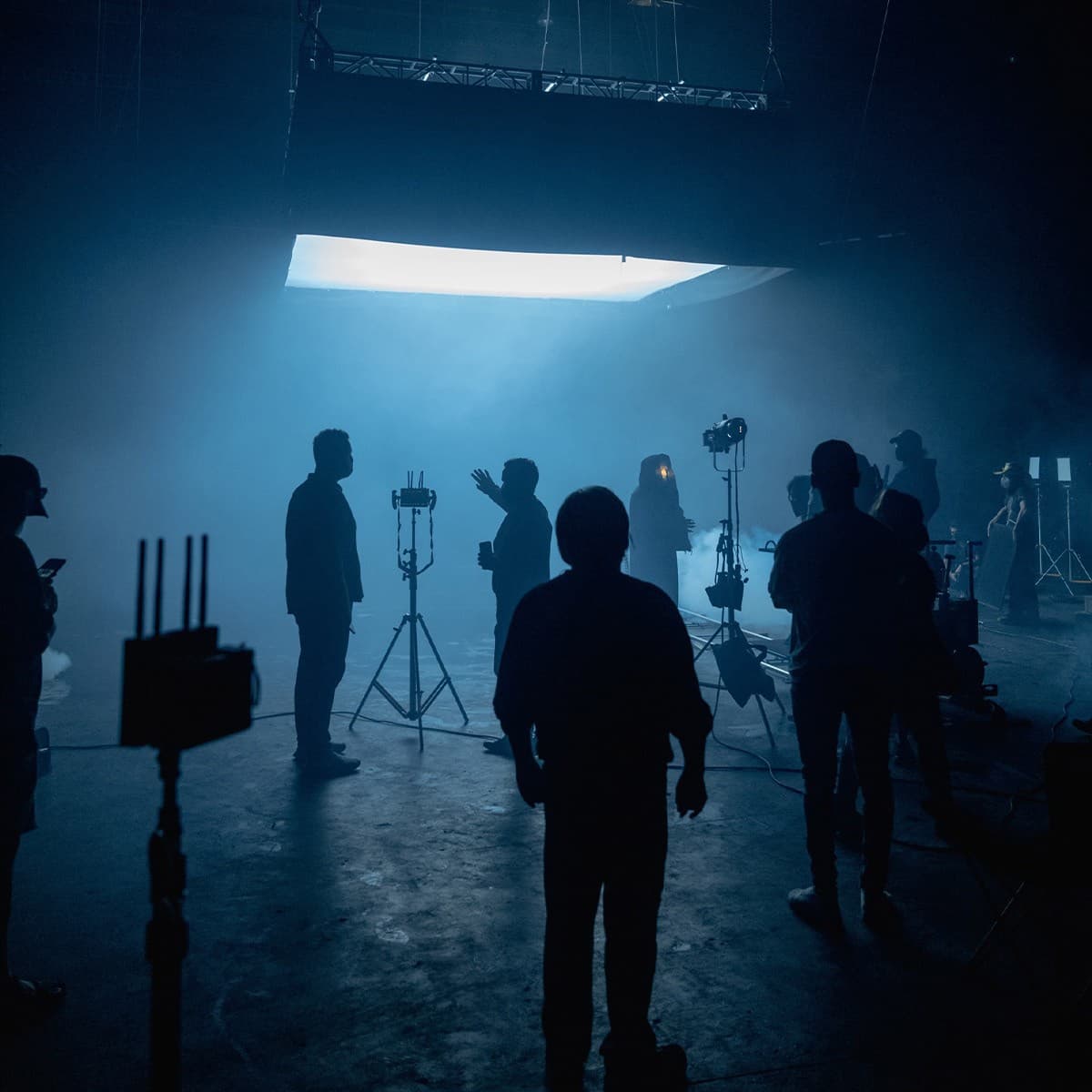
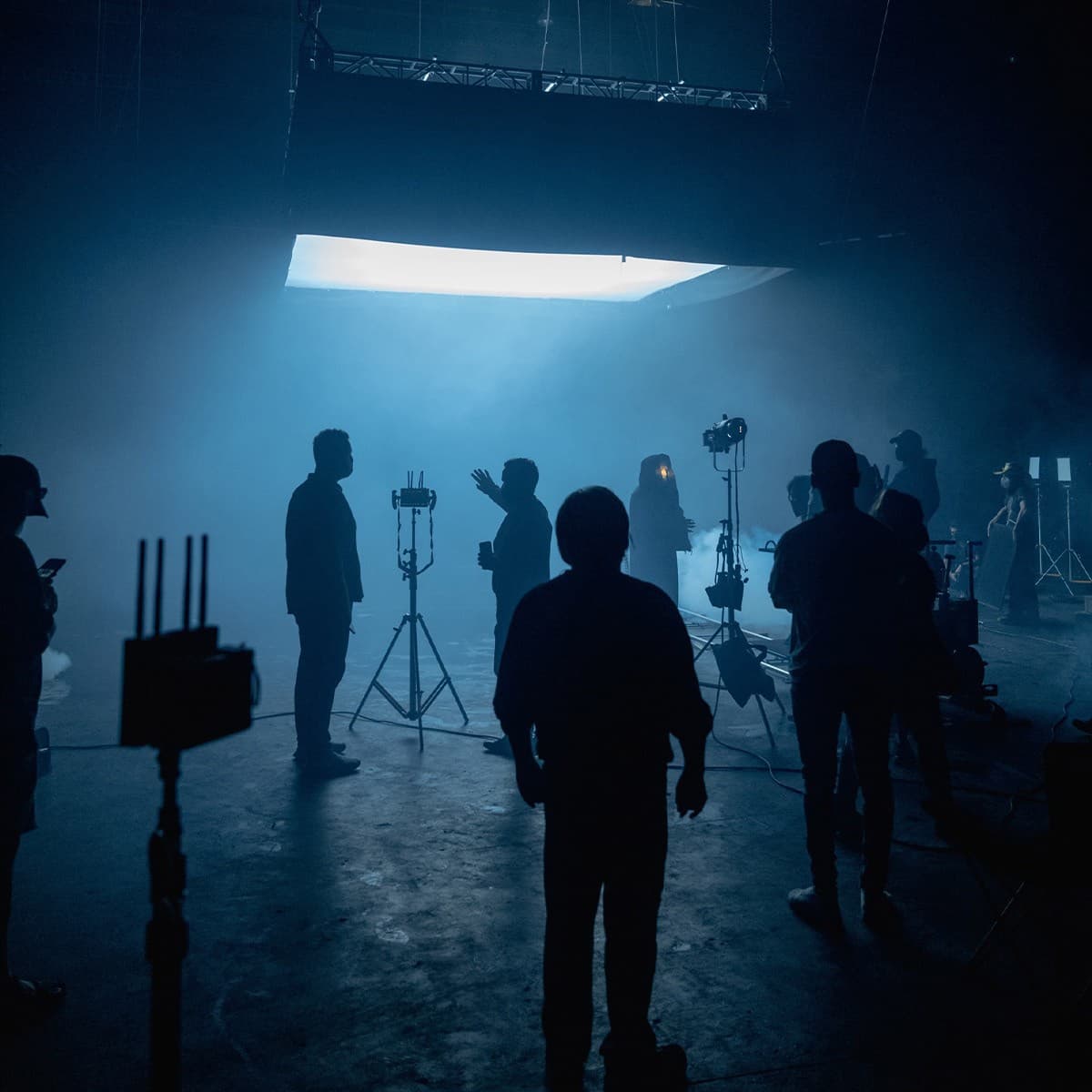
A Set Lighting Technician, also known as a lighting electrician or a lamp operator, is a key professional within the Electrical Department of a film production. This individual is responsible for implementing the lighting plan designed by the Director of Photography (DP) or Gaffer. They work diligently to set up lighting equipment, position lights, and maintain power distribution, ensuring that the visual aesthetics are achieved through proper illumination and that the set is safe and efficiently run.
Role & Responsibilities
The role of a Set Lighting Technician involves a blend of technical expertise and creative collaboration. These technicians rig and operate the lights and generators, as well as lay the electrical cabling. They need to be adept at interpreting lighting plans and must often troubleshoot any electrical issues that arise on set. Safety is a paramount concern, so they must ensure that all lighting equipment is set up securely and operated within the relevant safety guidelines. They work closely with other department members, particularly under the direction of the Gaffer, to refine the lighting as scenes evolve.
Skills Required
Set Lighting Technicians must possess a range of skills to excel in their craft. Technical proficiency with lighting equipment, electrical systems, and knowledge of safety protocols are fundamental. Strong problem-solving abilities and attention to detail are crucial for diagnosing and fixing issues that can arise during production. They must also have excellent communication and teamwork skills to collaborate effectively with the rest of the crew. Physical stamina and the ability to work in a variety of environments are also required, as the job often involves long hours and the handling of heavy equipment. Creativity is another asset, as it allows technicians to contribute to the visual storytelling of the film.
Education
Although a formal college degree is not a strict requirement to become a Set Lighting Technician, many individuals in the field do pursue relevant education in film production, electrical engineering, or theater arts to gain foundational knowledge and a competitive edge. Technical schools, vocational training, or apprenticeships are also common pathways that provide hands-on experience and practical skills necessary for the job. Regardless of formal education, a successful Set Lighting Technician will often start out as a general electrician or lighting assistant and accumulate on-set experience over time.
































Budget Templates
Budget crew costs with confidence
Use Saturation to build budgets with accurate crew rates, fringes, and union scales.
Try Free Budget Tool