What is a Sound Design?
Overview
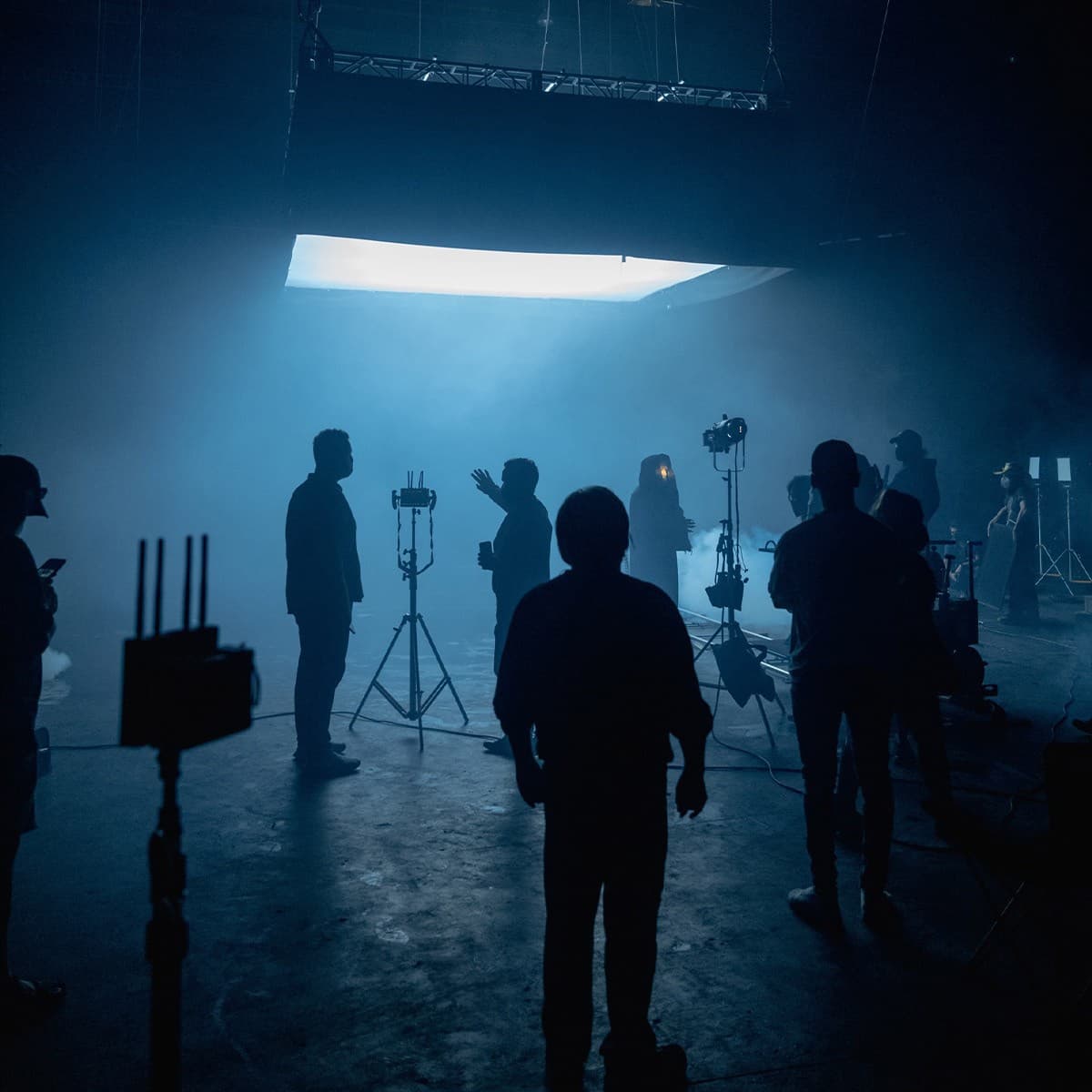
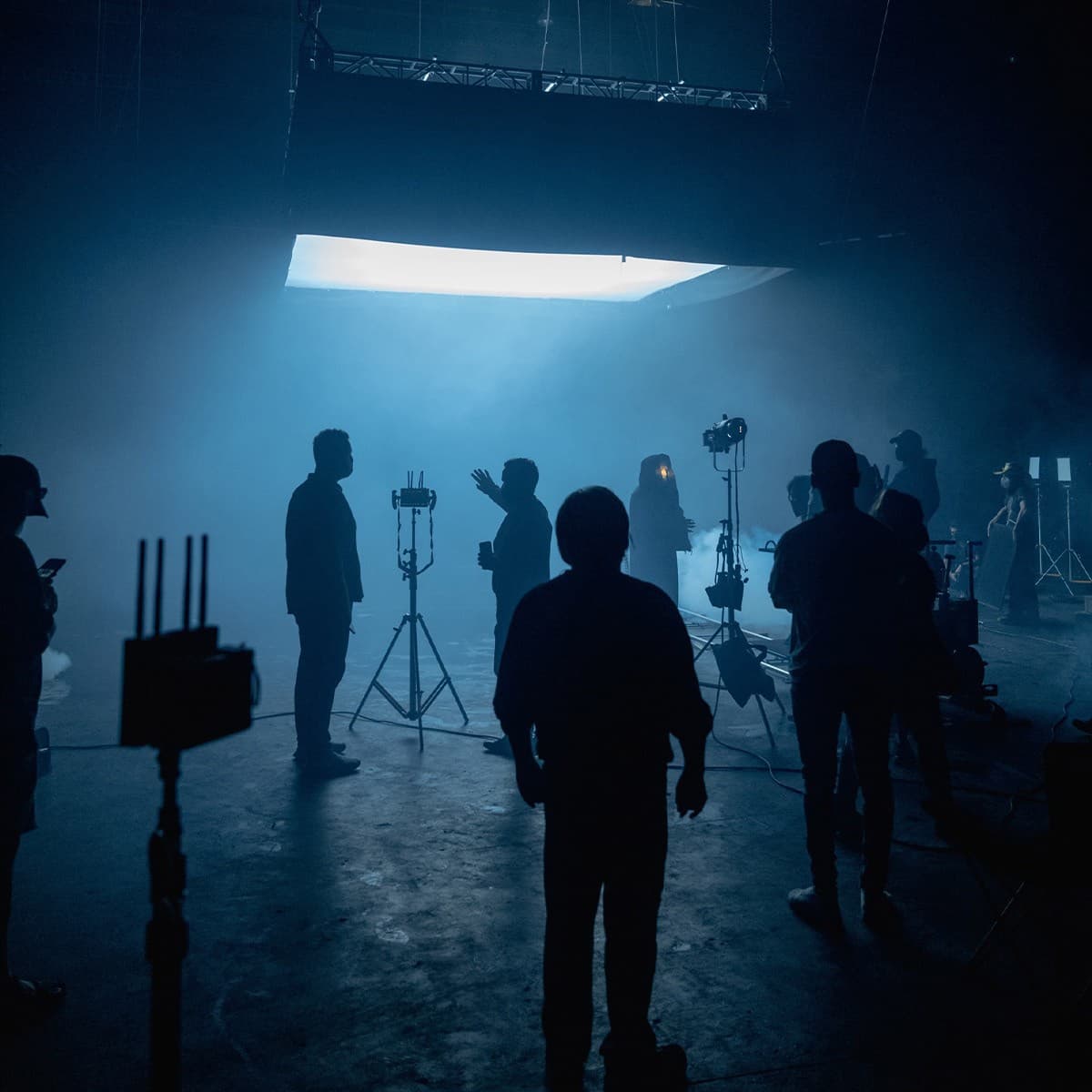
Sound Design is a pivotal aspect of the audiovisual production process, focusing on the creation, recording, and manipulation of audio elements for films, television, video games, and other media. The goal of sound design is to enhance the narrative and emotional impact of the project by producing a soundscape that complements the visual content. This involves crafting everything from ambient background noises and sound effects to dialogue and the overall audio environment.
Role & Responsibilities
The role of a Sound Designer is to develop an auditory experience that helps to tell a story, setting the mood and atmosphere of the scene or overall project. They work closely with the director and other production team members to create the desired audio landscape. Their responsibilities include creating original sounds, sourcing suitable effects, editing audio tracks, and ensuring the sound fits seamlessly with the visuals. Additionally, Sound Designers are often involved in post-production, mixing and mastering the audio to achieve the best quality for the final output.
Skills Required
Successful Sound Designers possess a mix of creative and technical skills. Key abilities include a strong sense of hearing, creativity in generating unique sounds, proficiency with sound editing software, and a good understanding of the impact of sound on the viewer's experience. Critical thinking and problem-solving are important when adapting to the varying demands of different projects. Additionally, effective communication and collaboration skills are essential, as Sound Designers must often work closely with other members of the production team to achieve a cohesive final product.
Education
A career in sound design does not strictly require a college degree; however, many professionals in the field hold a degree in audio engineering, music production, or a related field. Formal education can provide essential skills and a deeper understanding of sound theory, acoustics, and digital audio technology. Alternatively, equivalent experience and skills gained through hands-on training, internships, or self-directed learning can also lead individuals into this career path.





























Budget Templates
Budget crew costs with confidence
Use Saturation to build budgets with accurate crew rates, fringes, and union scales.
Try Free Budget Tool