What is a Production Sound Mixer?
Overview
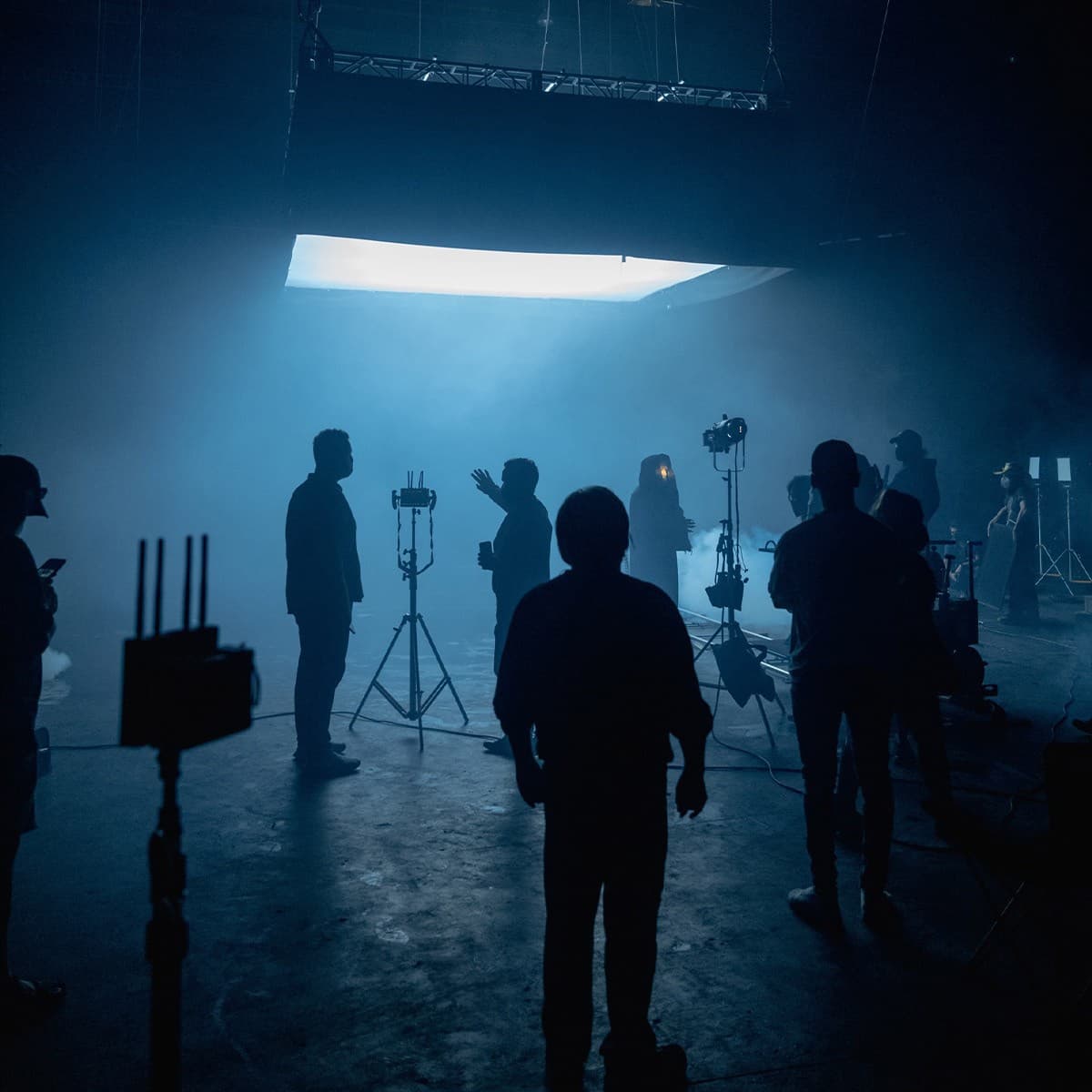
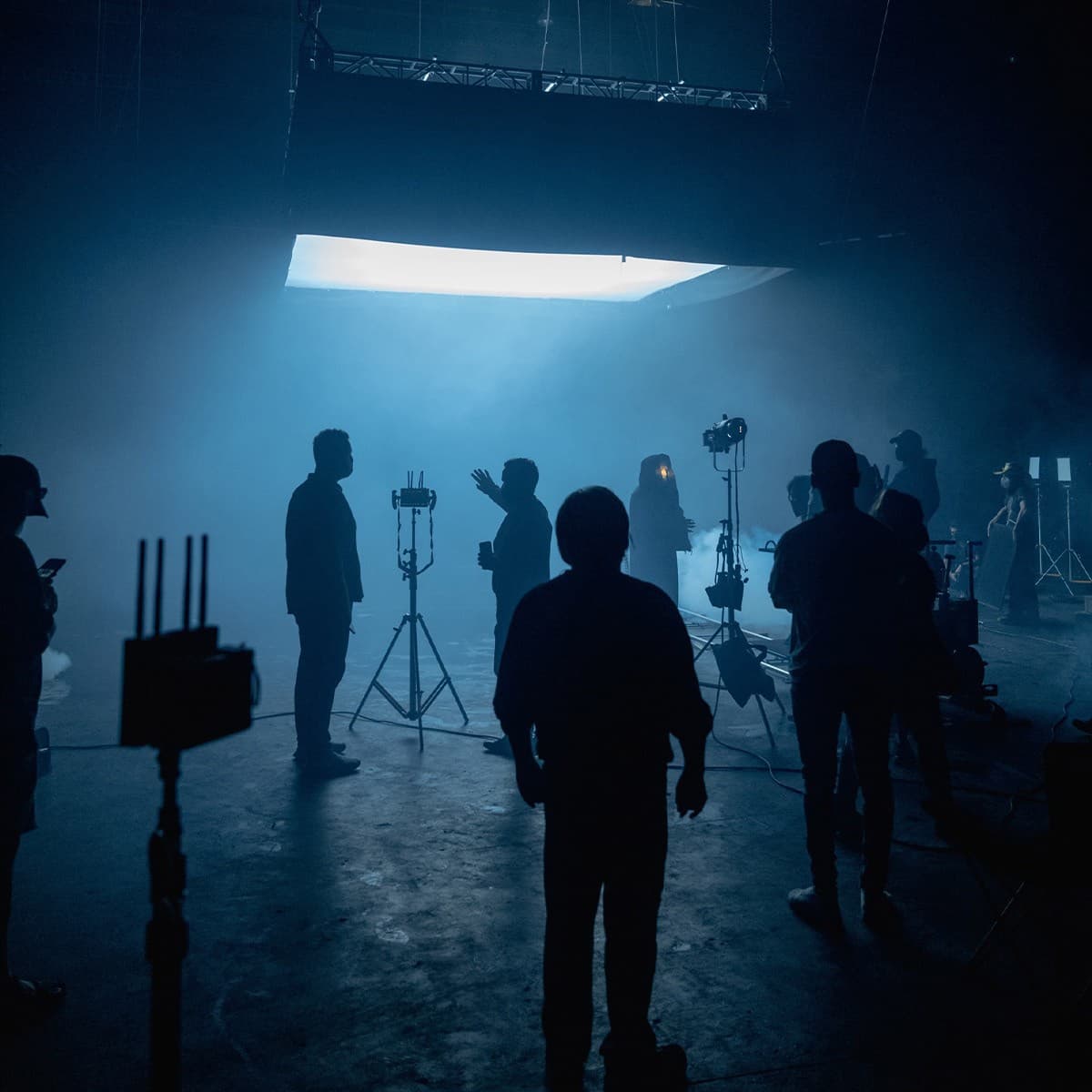
The production sound mixer (also called sound recordist in the UK and on international productions) is the head of the sound department on a film or television set. Every word of dialogue, every on-set sound effect, and every piece of atmosphere captured during principal photography passes through their hands first. When audiences lean in to hear an actor whisper or feel the weight of a scene, that is the production sound mixer's work.
Unlike post-production roles, the production sound mixer works in real time, often in noisy or acoustically hostile environments. There is no "fix it in post" for a ruined take; blown dialogue means costly reshoots or ADR sessions. The mixer must capture clean, usable audio on every take, every day, which is why this role commands both creative respect and serious day rates on any professional production.
On larger productions the mixer leads a crew that includes a boom operator and one or more sound utility technicians. On smaller shoots they may work solo or with just a boom op. Either way, the mixer is accountable for everything coming off that sound cart and into the edit. Productions that use Saturation.io for budgeting can track sound department costs, kit rental fees, and crew deal memos in one place alongside every other department.
Role & Responsibilities
Pre-Production: Building the Sound Plan
Long before cameras roll, the production sound mixer reads every draft of the script to flag potential audio challenges: crowd scenes that will need plant mics, locations with unavoidable aircraft noise, costume designs that might cause clothing rustle over a lavalier. Early script analysis prevents expensive surprises on shoot days.
The mixer meets with the director and director of photography during prep to understand the visual approach and how it will affect sound. A director who loves long handheld takes and naturalistic blocking creates very different audio challenges than one who prefers locked-off, controlled setups. Knowing this in advance shapes every equipment decision.
Location scouts are essential for the sound mixer, not just the locations manager. The mixer evaluates rooms for reverberation, checks proximity to traffic, road noise, and flight paths, identifies the location of HVAC systems and generators, and determines whether wireless frequencies will be congested. They note which locations will require plant microphones embedded in set dressing and which can be covered by boom alone.
Equipment prep occupies the bulk of pre-production. The mixer assembles and tests a full sound package: digital recorder, field mixer, wireless transmitter and receiver systems, boom microphones, lavalier microphones, shock mounts, fishpoles, cables, batteries, and backup gear for every critical component. Top-of-the-line mixers rely on recorders like the Sound Devices 888 or Scorpio, wireless systems by Lectrosonics or Wisycom, and boom microphones from Sennheiser (MKH-416, MKH-50) or Schoeps. Every item is tested and logged before it reaches set.
Production: Recording on Set
During the shoot day the production sound mixer is physically stationed at the sound cart, monitoring every take through headphones and on meters. The core task is managing the signal chain from microphone to recorder: setting gain levels, monitoring for interference on wireless channels, calling out any takes that are compromised by noise, and communicating constantly with the boom operator via intercom.
Radio microphone management is one of the most technically demanding parts of the job. On a scene with five actors the mixer may be monitoring and mixing five or more lavalier channels simultaneously in addition to the boom. Each transmitter must be hidden so it does not create clothing noise, frequency-coordinated so it does not interfere with other wireless devices on set, and monitored for dropouts and RF interference throughout the take.
The mixer is also the advocate for sound quality in the room. When an actor's clothing is rustling over the lavalier, the mixer negotiates with the costume designer for modifications. When the DP wants to move a camera closer in a way that will take the boom out of the frame line, the mixer works out an alternative coverage plan. These interpersonal negotiations happen dozens of times every shoot day.
At the end of each take the mixer monitors playback to confirm dialogue is clean, then files the take in their metadata system. Daily sound reports document every roll, scene, take, and technical note, forming a chain of custody for the audio that editors rely on in post.
Sound Reports and Post Handoff
The production sound mixer is responsible for delivering organized, labeled audio files and complete sound reports to the post-production team. A disorganized handoff can cost editors days of sync work. The mixer ensures every file is named according to the production's naming convention, every take is marked with scene and take numbers, and every technical issue is documented so the editor and dialogue editor know exactly what to expect when they open a session.
For productions using digital audio workstations, the mixer may also deliver a split-track mix that separates boom and radio mic channels, giving the dialogue editor maximum flexibility in post. On larger productions the mixer may communicate directly with the re-recording mixer about specific problem takes or unusual recordings to ensure nothing gets lost in translation between departments.
Working with the Sound Crew
The production sound mixer directs the boom operator and any sound utility or playback operators on their crew. They communicate shot-by-shot which microphone combination will cover the scene, call out any anticipate problems before rolling, and debrief after each take. Good crew leadership means the whole sound department operates with quiet, efficient precision that keeps production moving without costly delays.
Skills Required
Dialogue Recording and Microphone Technique
The primary deliverable of any production sound mixer is clean, intelligible dialogue. Achieving this requires mastery of microphone placement: knowing when to ride the boom in tight and when to pull back, when a lavalier alone will serve the scene and when a combination of boom and planted mics is necessary. The mixer must understand proximity effect, polar patterns, and off-axis coloration well enough to make split-second decisions as actors move through a scene.
Boom technique, while executed by the boom operator, must be understood by the mixer at a deep level because the mixer coaches and directs the boom op in real time. A mixer who cannot troubleshoot a shadow from a fishpole or explain how to follow a cross-cut dialogue scene cannot effectively lead their sound crew.
RF Wireless Systems and Frequency Coordination
Managing multiple wireless microphone channels simultaneously in electromagnetically crowded environments is one of the most technically demanding skills in production sound. The mixer must understand intermodulation distortion, how to coordinate frequencies across a large wireless rig to avoid self-interference, and how to respond to dropouts and interference in real time without stopping a take.
Professional mixers use coordination software (IAS, Wireless Designer, or the Lectrosonics Wireless Designer) to build frequency plans before the shoot day begins, then adapt on the fly as unexpected interference appears. Knowledge of the US broadcast spectrum and how DTV channels affect available wireless frequencies is essential for domestic work; international productions add GSM, LTE, and local broadcast frequency challenges.
Professional Sound Equipment
Production sound mixers are expected to own and operate professional-grade equipment, including:
- Digital recorders/mixers: Sound Devices 888, Scorpio, 702T; Zaxcom Nova 2; Aaton Cantar X3
- Wireless transmitters and receivers: Lectrosonics SMWB, DBSMD, SRC; Wisycom MCR54; Audio Ltd A10; Sennheiser 6000 series
- Boom microphones: Sennheiser MKH-416, MKH-50; Schoeps MK41, CMIT-5U; DPA 4017B
- Lavalier microphones: Sanken COS-11D; DPA 4060, 6060; Countryman B6
- Timecode systems: Ambient Recording ACL 204, Tentacle Sync for camera-sound sync
- Monitoring: Sennheiser HD 25, Sony MDR-7506 headphones; Sound Devices CL-16 fader controller
Knowing the operational idiosyncrasies of each piece of gear, how to troubleshoot failures in the field, and how to configure recorders for the production's specific workflow (sync sound, timecode, naming conventions, sample rate) separates a competent mixer from an exceptional one.
Acoustics and Location Sound Problem-Solving
Every filming location presents a unique acoustic fingerprint. Hard floors create slap echo; low ceilings concentrate room tone; HVAC systems add broadband noise; outdoor locations are at the mercy of wind, traffic, and aircraft. The mixer must rapidly assess each location, identify the most significant audio problems, and devise solutions before the first take.
Solutions range from simple (covering a noisy floor with sound blankets, repositioning a generator) to complex (acoustic treatment in a reverberant space, RF shielding in a server room location). The mixer works with the location manager, production designer, and AD to implement fixes while maintaining the shooting schedule.
Communication and Department Leadership
The production sound mixer communicates simultaneously with the director (via headset or direct conversation), the boom operator (via IFB intercom system), the AD (to call sound issues before rolling), and occasionally actors (to explain microphone rigging or request they avoid touching certain areas of their costume). Clear, concise communication under pressure, without disrupting the creative atmosphere on set, is a career-defining skill.
The mixer also negotiates constantly with other departments: with the DP when a lens choice creates a boom shadow problem, with the costume designer when a jacket lining is too noisy over a lavalier, with props when a phone's ringtone needs to be changed to avoid a clearance issue. These negotiations require both technical knowledge and diplomatic communication skills.
Metadata Workflows and Documentation
Professional mixers manage complex metadata workflows across multi-channel recordings, including scene and take numbers, track naming, iXML and BWF metadata embedding, and daily sound report generation. Software tools like Tentacle Sync Studio, Metacorder, and the built-in report generators on Sound Devices recorders handle much of this, but the mixer must understand what data is essential for the editorial team and ensure it is captured accurately on every roll.
Salary Guide
How Production Sound Mixers Are Paid
Production sound mixers typically work on a day rate or weekly guaranteed rate rather than an annual salary. The actual annual income of a working mixer depends heavily on how many days they work per year, whether they are union or non-union, what type of productions they work on, and whether they charge a separate kit rental fee for their equipment. A mixer who books 200 days per year on union features earns a dramatically different income than one doing 80 days of corporate video work.
IATSE Local 695 Union Rates (2024-2025)
Union production sound mixers working under IATSE Local 695 contracts benefit from negotiated minimum wage scales. Under the 2024-2027 collective bargaining agreement, effective August 4, 2024, the rates for a Production Mixer (classification 8105) are:
- Y-1 Journeyman hourly rate: $96.21/hour
- Y-1 Journeyman daily minimum (8 hours): $865.89/day
- Schedule E weekly "On Call" rate: $2,947.11/week
- Entry Level (classification 8171) hourly: $83.41/hour
- Entry Level daily minimum: $750.69/day
These rates apply to motion pictures covered under IATSE's Basic Agreement. Television, commercial, and other contract types have separate rate schedules. Overtime, turnaround penalties, and other provisions add significantly to base earnings on longer shoot days.
Source: 2024-27 Local 695 Wage Schedules (Production.ink)
Non-Union Day Rates by Production Type
Non-union sound mixers negotiate their day rates directly with the production. Typical ranges as of 2024-2025:
- Independent features (lower budget): $350-$500/day
- Mid-budget independent features: $500-$750/day
- Commercials: $650-$1,000/day (10-12 hour day)
- Corporate / branded content: $400-$700/day
- Documentary: $400-$650/day
- Music videos: $350-$600/day
These rates are negotiated individually and vary widely by market, experience, and the specific production's budget. On larger non-union commercials, experienced mixers in major markets can command $1,200+ per day.
The Kit Rental Fee: A Critical Income Stream
Unlike most crew departments, production sound mixers are expected to own their own professional equipment package and rent it to the production separately from their labor rate. The kit rental (also called a bag rate or equipment rental fee) is a significant source of income for established mixers.
Typical kit rental ranges in 2024-2025:
- Basic ENG kit (recorder, 2 wireless, boom): $250-$450/day
- Mid-range package (Sound Devices 888, 4-6 wireless channels, multiple booms): $400-$700/day
- Full feature package (Scorpio or Cantar, 8-12 wireless channels, full cart): $700-$1,500/day
A mixer working a 30-day commercial shoot with a $750/day labor rate and a $600/day kit rental earns $41,250 from that single job. Equipment ownership is central to earnings potential in this role.
Salary Benchmarks by Experience Level
The BLS classifies production sound mixers within the Sound Engineering Technicians category (SOC 27-4014), which reported a median annual wage of $79,280 in May 2024. The broader Broadcast, Sound, and Video Technicians category had a median of $56,600, while top earners in the sound technician field exceeded $104,610 per year. Source: Bureau of Labor Statistics Occupational Outlook Handbook.
ZipRecruiter data shows national averages that skew lower because the dataset includes part-time and lower-budget market workers; the platform reported an average of approximately $17-$18/hour nationally as of late 2025, with experienced mixers in major markets earning significantly more.
A more realistic experience-based breakdown for full-time working mixers:
- Entry level (0-3 years, mostly boom operating and sound utility): $40,000-$65,000/year
- Mid-level mixer (3-8 years, independent features and commercials): $70,000-$120,000/year including kit rental
- Senior / A-list mixer (8+ years, studio features, major network TV): $130,000-$250,000+ per year depending on booking volume
Geographic Market Differences
Los Angeles and New York are the two highest-paying markets for production sound mixers, driven by the concentration of studio features, episodic television, and high-budget commercials. Atlanta has grown substantially as a third major market following Georgia's film tax incentive program, with rates approaching LA/NY levels for major productions.
- Los Angeles: Union rates plus kit; non-union commercial day rates $700-$1,200
- New York: Similar to LA; strong commercial and documentary market
- Atlanta: Growing studio feature and TV market; union rates for covered productions
- Secondary markets (Chicago, Dallas, New Orleans, Albuquerque): Non-union day rates typically $350-$650, lower kit rates
Feature Film vs. Television vs. Commercial
Each production type has distinct earning patterns. Feature films offer extended booking periods (often 6-12 weeks of principal photography) but can have longer gaps between projects. Network episodic television provides the most stable income for mixers who lock onto a series, sometimes working 9-10 months per year on a single show. Commercials offer the highest per-day rates but shorter bookings; a mixer might earn $2,500-$3,000 in a single 2-day commercial shoot (labor plus kit). Documentary work offers the most creative variety but typically lower rates and less predictable booking patterns.
FAQ
What does a production sound mixer do on a film set?
The production sound mixer heads the sound department during principal photography. They are responsible for recording all dialogue, on-set sound effects, and production audio in real time. This includes selecting and positioning microphones, managing wireless radio mic systems, directing the boom operator and sound crew, monitoring audio levels throughout each take, and delivering organized, labeled audio files to post-production at the end of each shooting day.
What is the difference between a sound mixer and a boom operator?
The production sound mixer is the department head who manages the entire sound crew and operates the recording equipment (the sound cart, mixer, and recorder). The boom operator physically holds and operates the boom pole and microphone, following the actors' movements to capture dialogue. The mixer hears every take through headphones and directs the boom operator via intercom. Both roles are essential, but the mixer carries overall responsibility for the quality of the recorded audio.
What is the difference between a sound recordist and a production sound mixer?
These are the same role called by different names in different parts of the world. "Production sound mixer" is the standard term in the United States and on American productions. "Sound recordist" or "location sound recordist" is the more common term in the United Kingdom, Australia, and much of Europe. Both describe the head of the production sound department who records audio during filming.
How much does a production sound mixer earn?
Union production sound mixers working under IATSE Local 695 contracts earn a minimum of $865.89 per day ($96.21/hour) as of the 2024-2025 rate schedule, plus a separate kit rental fee for their equipment ($250-$1,500/day depending on package size). Non-union mixers typically earn $350-$1,000/day depending on production type and market. The BLS reported a median annual wage of $79,280 for sound engineering technicians in May 2024, though experienced union mixers in major markets often earn $130,000-$250,000+ per year including equipment rental income.
What equipment does a production sound mixer use?
Professional mixers typically own a full sound package including a multitrack digital recorder (Sound Devices 888, Scorpio, or Zaxcom Nova 2), a portable field mixer, wireless transmitter and receiver systems (Lectrosonics, Wisycom, or Audio Ltd), boom microphones (Sennheiser MKH-416 or MKH-50, Schoeps CMIT-5U), lavalier microphones (Sanken COS-11D, DPA 6060), timecode sync devices, and monitoring headphones. A full feature film package can cost $50,000-$150,000 to assemble and is rented to productions as a kit fee.
Is production sound mixing an entry-level job?
No. The production sound mixer role is a senior, department-head position. Entry into the field typically begins as a sound utility technician (running cables, managing equipment) or a boom operator on smaller productions, then progresses to lead mixer over several years. Most working mixers have 5-10 or more years of experience in sound department support roles before leading their own package on significant productions.
Do production sound mixers need to join a union?
Union membership through IATSE Local 695 is required to work on productions covered under IATSE collective bargaining agreements, which includes most major studio feature films and network television in the United States. However, many non-union productions (independent films, corporate video, documentaries, commercials) hire non-union mixers at negotiated rates. Many mixers begin their careers on non-union productions and later join Local 695 once they accumulate qualifying hours in covered employment.
How do you become a production sound mixer?
Most production sound mixers take one of two paths: a formal audio engineering or film production degree program followed by entry-level sound department work, or starting directly as a production assistant or sound utility and working up through boom operator to mixer. Either way, hands-on experience in sound departments is essential. Building relationships with working mixers who are willing to mentor, learning professional equipment inside out, and taking every low-budget boom operator or utility gig available accelerates the path to mixing professionally. Joining IATSE Local 695 opens access to major productions once qualifying hours are accumulated.
Education
Formal Degree Programs in Audio and Film Sound
Many production sound mixers hold degrees in audio engineering, sound design, film production, or a related discipline. A formal education provides grounding in acoustics, signal flow, electronics, and recording theory that shortcuts years of self-taught trial and error. It also opens doors to internships and assistant positions with working professionals.
Strong undergraduate programs include:
- Berklee College of Music (Boston): Music Production and Engineering bachelor's program; strong emphasis on recording technology and signal chain fundamentals.
- The Los Angeles Film School: Associate and Bachelor of Science degrees in Audio Production with hands-on production mixing coursework.
- NYU Steinhardt (New York): Music Technology programs at undergraduate and graduate levels with courses in audio for video and production recording.
- Webster University (St. Louis): Bachelor of Science in Sound Recording and Engineering, covering film and video audio specifically.
- Middle Tennessee State University (MTSU): Bachelor of Science in Audio Production with one of the largest audio programs in the US.
- Georgia State University: Bachelor of Science in Music Production and Audio Recording with mixing and mastering emphasis.
Graduate programs in film sound are rarer but valuable: Chapman University, USC School of Cinematic Arts, and the American Film Institute all offer graduate-level production sound training within broader film production curricula.
Union Membership: IATSE Local 695
In the United States, production sound professionals working on union productions join IATSE Local 695, which covers production sound, video engineers, and studio projectionists. Local 695 represents sound mixers, boom operators, and utility sound technicians working on theatrical features, television, commercials, and other covered productions.
Joining Local 695 requires accumulating qualifying hours in covered employment, after which a member can apply for membership. Union membership provides access to negotiated wage scales, pension and health contributions from employers, and the professional network of other union sound professionals. For anyone aiming to work on studio features or major network television in Los Angeles or New York, Local 695 membership is effectively required.
The Non-Degree Path: Starting as Sound Utility
A significant number of working production sound mixers never attended a dedicated audio program. The traditional apprenticeship path begins in entry-level positions: production assistant on a show with a sound department, sound utility (second or third on the sound cart), or boom operator on low-budget productions.
This path works because location sound is a deeply practical craft. Book knowledge about microphones matters less than knowing exactly how a Lectrosonics SMWB transmitter behaves when an actor turns their head, or how to rig a plant mic in a car headrest so it survives a bumpy road scene without a rustle. These skills come from hours of hands-on work alongside experienced mixers who are willing to mentor.
The typical progression on the non-degree path:
- Entry-level: sound PA, cable puller, or production assistant on any crew to observe sound work
- Sound utility / second assistant: loading, organizing, and managing sound equipment under the mixer's direction
- Boom operator: primary operating role, learning shot coverage and team communication
- Production sound mixer: leading your own package on lower-budget projects, building a reel and client relationships
Online Learning and Self-Directed Training
Platforms like SoundWorkCollection, Production Expert, and YouTube channels run by working mixers (Tim Muirhead, Trew Audio, and others) offer free and low-cost training on specific skills: RF coordination, recorder setup, metadata workflows, and interview recording techniques. Manufacturer training from Sound Devices, Lectrosonics, and Sennheiser covers equipment operation at a technical depth that no general degree program matches.
Aspiring mixers who combine self-directed equipment study with consistent boom operator work on student films, shorts, and independent features can build a viable career path without a formal degree, though a degree significantly accelerates networking and technical foundation.
































Budget Templates
Budget crew costs with confidence
Use Saturation to build budgets with accurate crew rates, fringes, and union scales.
Try Free Budget Tool