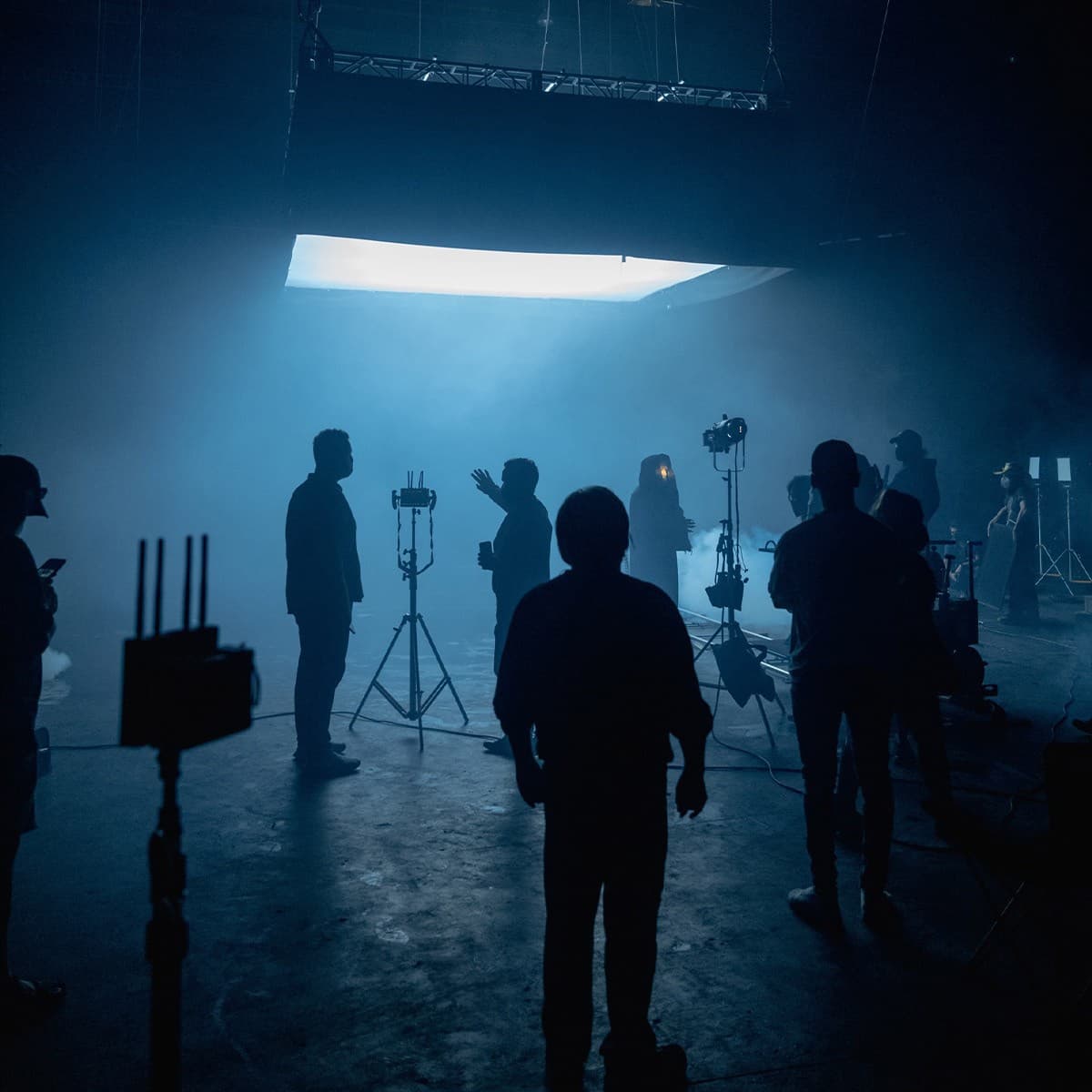
What is a Special Effects Coordinator?
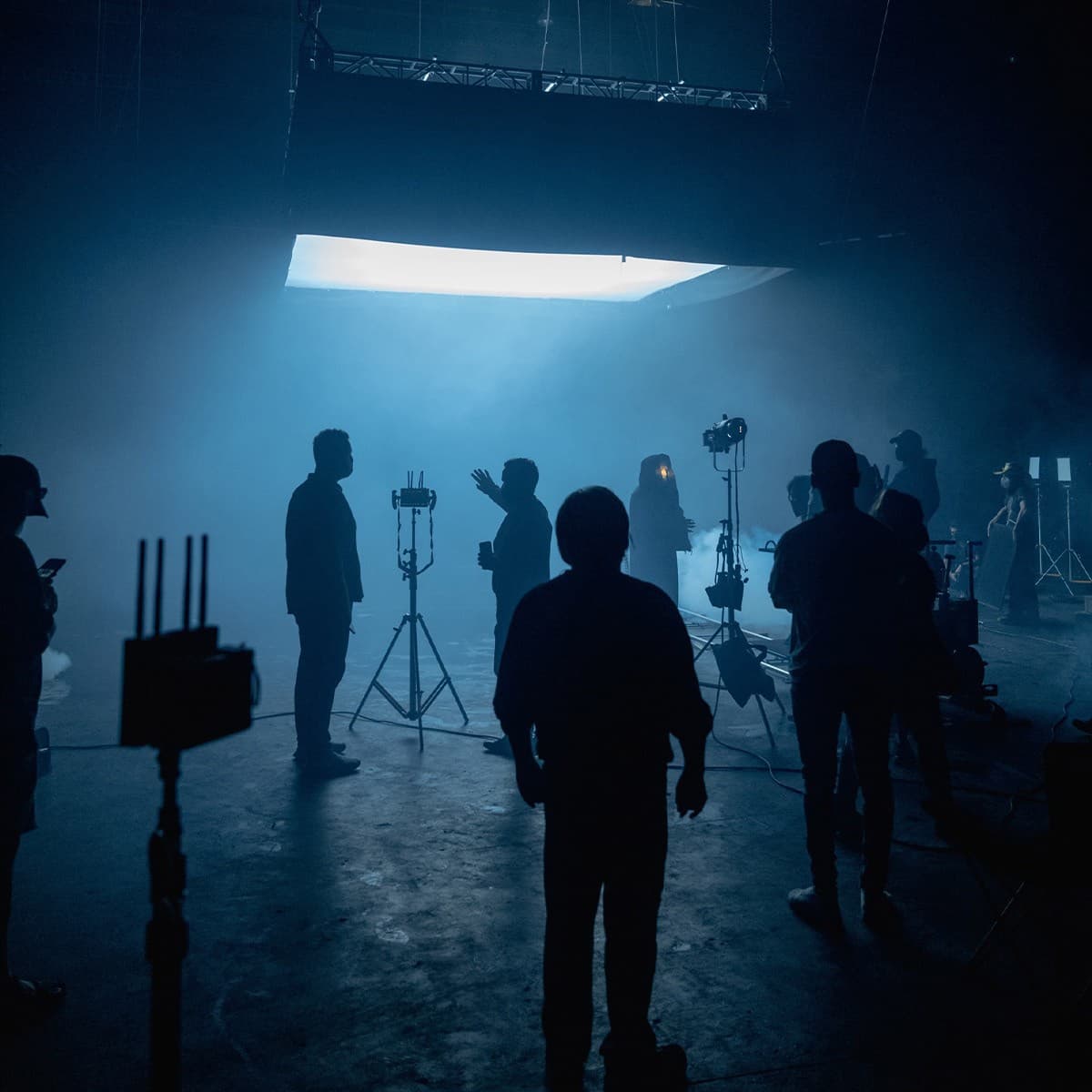
Overview
What Is a Special Effects Coordinator?
A special effects coordinator (also called an SFX coordinator or special effects supervisor) is the department head responsible for all practical, physical, and mechanical effects created on a film or television set. These are tangible, real-world effects that happen in front of the camera — not digital effects added in post-production.
When you see a car explode, rain pour down on actors, snow fall in a summer-shot exterior, a wall crumble on cue, or a stuntperson fly back from a simulated blast, that is the work of the special effects department, led by the special effects coordinator.
SFX Coordinator vs. VFX Supervisor: A Critical Distinction
The most common point of confusion in film production is mixing up the SFX coordinator with the VFX supervisor. These are entirely different roles with separate workflows, budgets, and skill sets:
- Special Effects Coordinator (SFX): On-set, practical, physical. Pyrotechnics, mechanical rigs, weather effects, breakaway props, atmospheric effects. Everything is real and happening during principal photography.
- VFX Supervisor (Visual Effects): Post-production, digital. CGI environments, digital creatures, compositing elements added after filming ends.
Both departments often collaborate — particularly on sequences that combine practical explosions with digital extensions — but they operate independently with separate crews and chains of command.
Where the SFX Coordinator Fits in the Production Hierarchy
The special effects coordinator reports to the director and producer and works in close coordination with the director of photography, stunt coordinator, and production designer. On larger productions, the SFX coordinator supervises a full SFX department: floor supervisors, SFX technicians, pyrotechnicians, and SFX assistants.
Productions that use Saturation.io to manage budgets and expenses often track SFX department costs separately, since pyrotechnics, permits, and specialized equipment rental can represent a significant line item in any production budget. Learn more about production budgeting software built for film and TV.
The Scope of Practical Effects
The scope of what an SFX coordinator handles spans a remarkably wide range of techniques and challenges:
- Pyrotechnics: Controlled explosions, fire gags, bullet hits, squib work, and muzzle flashes.
- Atmospheric effects: Rain, snow, fog, haze, dust, wind.
- Mechanical effects: Moving platforms, breakaway walls, collapsing structures, stunt rigs.
- Breakaway props: Sugar glass, balsa wood furniture designed to shatter safely.
- Water effects: Floods, underwater rigs, water tanks.
- Fire effects: Controlled burns, flamethrowers, fire trails.
Each type of effect carries its own safety requirements, permit obligations, and technical execution demands.
Role & Responsibilities
Core Responsibilities of a Special Effects Coordinator
The special effects coordinator's role begins long before cameras roll and extends through every day of principal photography. Their responsibilities touch every department and require the ability to translate creative vision into safe, executable physical reality.
Pre-Production: Design and Planning
The SFX coordinator is typically brought on during prep — often 8 to 12 weeks before principal photography on a major feature, shorter on lower-budget productions.
- Script breakdown: Reading the script to identify every practical effect required. Every explosion, weather event, mechanical gag, and atmospheric effect must be catalogued.
- Creative collaboration: Meeting with the director to understand the visual intent for each effect. Some directors want photorealistic fire; others want stylized, heightened explosions. The coordinator must understand and deliver that creative vision.
- Technical design: Engineering the mechanical and pyrotechnic solutions that will achieve each effect safely and on budget. This often involves building custom rigs, sourcing specialized materials, and prototyping gags before the shoot.
- Budget preparation: Creating a detailed SFX budget covering crew, materials, equipment rental, permits, testing, and contingency. SFX departments routinely face budget pressure, and coordinators must balance creative ambition with financial realities.
- Location assessment: Visiting every shooting location to evaluate sightlines, safety perimeters, fire hazards, permit requirements, and access for SFX equipment.
- Permit acquisition: Working with the production's location manager and local authorities to secure pyrotechnic permits, fire department approval, and any required public safety notifications. Laws vary significantly by state and municipality.
- Testing and rehearsal: Running test burns, test explosions, and mechanical rehearsals before the actual shooting day. No live pyrotechnic effect should be executed on a shooting day without prior testing.
Principal Photography: On-Set Execution
During production, the SFX coordinator is present on set for every shot that involves a practical effect.
- Safety briefings: Conducting pre-shot safety meetings with cast, stunt performers, and crew. Every person on set must understand the hazard radius, evacuation procedures, and their specific instructions during the effect.
- Rigging and setup: Overseeing the SFX crew in installing and rigging all mechanical and pyrotechnic hardware. This work often happens overnight or during company moves, requiring the SFX department to work irregular hours.
- Collaboration with the director of photography: Working with the DP to ensure effects are lit correctly and will read on camera. The placement of explosions, the density of fog, the trajectory of rain — all must be adjusted for the specific lens, angle, and lighting setup.
- Collaboration with the stunt coordinator: For effects involving stuntpersons — being hit by a blast, jumping through fire, or being struck by a vehicle — the SFX coordinator and stunt coordinator must coordinate precisely. Timing a stunt performer's movement with a pyrotechnic charge requires extensive rehearsal and redundant safety checks.
- Effect execution: Firing pyrotechnics, triggering mechanical rigs, and operating atmospheric effect machines (rain bars, wind fans, snow machines, fog generators).
- Multiple-take resets: Resetting effects for additional takes. Pyrotechnic effects can often only be done once before extensive re-rigging; other effects like rain or snow must be maintained and adjusted between takes.
- Emergency response: Maintaining standby firefighters, medical personnel, and fire extinguishers on set. The SFX coordinator holds ultimate authority to halt production if they deem any condition unsafe — no director or producer can override this.
- Communication with the AD department: Coordinating with the first assistant director on scheduling. Pyrotechnic effects require specific call times, turnaround windows, and cannot be rushed. The coordinator must communicate accurately with the production to protect the schedule.
Managing the SFX Department
On a mid-to-large production, the SFX coordinator leads a full department:
- SFX Floor Supervisor: The coordinator's on-set deputy, overseeing day-to-day crew operations.
- SFX Technicians: The hands-on crew who rig, operate, and maintain equipment. Unionized technicians (IATSE Local 839 in animation; IATSE 728, 480, 499 for live-action productions) perform the physical labor under the coordinator's supervision.
- Lead Pyrotechnician: A separately licensed specialist for projects requiring extensive explosive work.
- SFX Assistants: Entry-level crew handling materials, transport, and support tasks.
Effective crew management — scheduling, communication, conflict resolution, keeping team morale high through long and demanding shooting days — is as important as technical skill for a working SFX coordinator.
Documentation and Post-Shoot Responsibilities
- Filing required post-use reports for pyrotechnic materials with relevant authorities.
- Safe disposal of unused pyrotechnic materials per ATF and state regulations.
- Providing the VFX department with clean plates and reference footage where physical effects will be combined with digital enhancements.
- Maintaining detailed records for insurance and production accounting purposes.
Skills Required
Core Competencies of a Special Effects Coordinator
The special effects coordinator role demands an unusual combination of engineering acumen, creative problem-solving, interpersonal communication, and uncompromising safety discipline. No two productions present identical challenges, and the ability to adapt, improvise, and problem-solve under pressure — often with a full crew waiting and a director asking questions — separates exceptional coordinators from competent ones.
Engineering and Mechanical Aptitude
SFX coordinators are, in many respects, field engineers. They must:
- Design and build custom mechanical rigs that do not exist off the shelf — platforms that move on precise cues, breakaway structures calculated to fail at the right moment, hydraulic systems that simulate environmental forces.
- Understand load tolerances, materials science, and structural integrity to ensure that rigs built for destruction do not fail prematurely or injure crew.
- Read and create technical drawings, CAD designs, and engineering specifications — either personally or in close collaboration with a mechanical fabrication team.
- Diagnose and troubleshoot mechanical failures rapidly on set, with production time ticking and the entire cast and crew waiting.
Pyrotechnics Expertise
Pyrotechnics is the highest-stakes skill in the SFX coordinator's toolbox. Expertise involves:
- Explosive chemistry: Understanding the chemical properties of propellants, accelerants, and pyrotechnic compounds. Knowing what burns, what explodes, at what rate, and at what temperature.
- Charge sizing and placement: Calculating the correct charge size to produce the visual effect without endangering cast or crew. Undersized charges produce underwhelming results; oversized charges can be catastrophic.
- Squib work: Precisely placed explosive charges used to simulate bullet hits on actors (wearing protective vests) or surfaces. Squib work requires surgical precision and a thorough understanding of detonation timing.
- Fire gags: Controlled fire effects on and around stunt performers wearing fire-resistant protective suits. Timing is everything — a stunt performer on fire can only sustain the gag for a defined number of seconds before the protection breaks down.
- Detonation systems: Electronic firing systems, remote detonation technology, fail-safe mechanisms, and redundant safety systems.
Safety Management and Risk Assessment
Safety is not a secondary consideration — it is the primary framework within which every creative decision is made. SFX coordinators must:
- Conduct thorough risk assessments for every effect, identifying all possible failure modes and establishing mitigation procedures for each.
- Maintain authority to shut down production if a safety condition is not met, regardless of schedule pressure. This authority must be exercised without hesitation when required.
- Communicate safety requirements clearly to cast, stunt performers, and crew — including people who may be resistant to inconvenient safety constraints.
- Coordinate emergency response resources — ensuring standby firefighters, medical personnel, and firefighting equipment are positioned appropriately for every hazardous sequence.
- Stay current with OSHA regulations, IATSE safety bulletins, and local fire codes that govern SFX work.
Budget Management
The SFX coordinator is responsible for managing a department budget that can range from a few thousand dollars on a low-budget independent film to several million dollars on a major feature or network television series.
- Preparing accurate preliminary budget estimates during prep, often with incomplete script information.
- Negotiating equipment rental rates, material sourcing, and crew rates.
- Tracking expenditures against budget in real time during production and communicating variances to the line producer or UPM promptly.
- Identifying opportunities to achieve effects at lower cost without compromising safety or creative quality.
- Managing petty cash, purchase orders, and vendor relationships.
Communication and Collaboration
The SFX coordinator interfaces with virtually every department on a production:
- Director: Creative briefings, pre-visualization of effects, adjusting technical approaches to match creative vision.
- Director of Photography: Coordinating effect placement, scale, and timing for optimal camera coverage.
- Stunt Coordinator: Joint safety planning for sequences combining stunts with live effects.
- Production Designer and Art Department: Ensuring that set construction is compatible with planned effects — structural reinforcement for explosion sequences, fire-resistant surface treatments, breakaway construction techniques.
- First Assistant Director: Scheduling communication, ensuring realistic turnaround times for SFX setups and resets.
- Producers and Production Accountants: Budget reporting, purchase approval, cost management.
Adaptability and Problem-Solving Under Pressure
Film productions are dynamic environments where conditions change constantly. Weather conditions shift. Locations become unavailable. Budgets are cut mid-production. Actors arrive late. The SFX coordinator must adapt:
- Developing backup plans for effects that depend on controllable environmental conditions.
- Re-engineering solutions when original plans become impractical without compromising safety.
- Making rapid, well-reasoned decisions with incomplete information.
- Maintaining composure and authority under the intense pressure of a full-crew shooting day.
Physical Stamina and Manual Dexterity
SFX work is physically demanding. Coordinators and their teams work long hours (12-16 hour shooting days are common), often in uncomfortable conditions — extreme heat near fire effects, extreme cold for winter location shoots, confined spaces during rig installation. Manual dexterity is essential for working with precision pyrotechnic components and small mechanical assemblies.
Salary Guide
Special Effects Coordinator Salary Overview
Special effects coordinators are among the higher-paid department heads in physical production, reflecting the specialized technical skill, licensing requirements, and safety responsibilities the role demands. Compensation varies considerably based on experience level, production type, budget tier, market, and union affiliation.
Annual Salary Benchmarks
According to the U.S. Bureau of Labor Statistics, the broader category of "Special Effects Artists and Animators" has a median annual wage of approximately $99,060 (as of the most recent BLS survey data at bls.gov/oes). SFX coordinators in film and television — particularly those with extensive pyrotechnic credentials and major production credits — typically earn at the upper end of and beyond this range.
- Entry-level SFX technician: $45,000–$65,000/year
- Mid-level SFX technician / floor supervisor: $65,000–$90,000/year
- SFX coordinator (studio television or mid-budget feature): $90,000–$140,000/year
- SFX coordinator (major feature film, high-end episodic): $140,000–$220,000+/year
- Top-tier coordinators (blockbuster features, franchise films): $220,000–$350,000+/year on major productions
These figures reflect base compensation for a full production engagement. Many SFX coordinators work as freelancers and earn project-based income rather than an annual salary, so annual earnings depend heavily on how many productions they book per year and whether work is consistent.
Day Rates for Freelance SFX Work
Many SFX coordinators work on a day-rate basis for shorter productions (commercials, music videos, short films, second unit work):
- Non-union commercial or music video SFX coordinator: $800–$1,500/day
- Union day rate (IATSE scale, varies by local and contract): Typically $600–$1,200/day at scale; overscale negotiated separately
- Pyrotechnic specialist day rates: $1,200–$2,500/day for complex multi-charge setups requiring extensive preparation and safety personnel
IATSE Union Rates
IATSE (International Alliance of Theatrical Stage Employees) represents SFX technicians and coordinators on union productions. The applicable local varies by region and production type:
- IATSE Local 44 (Los Angeles): Covers prop making, set dressing, and specialized prop departments — SFX coordinators often negotiate contracts under this local for physical effects work on studio features.
- IATSE Local 839: Covers animation; not the primary local for live-action SFX work.
- IATSE Local 480 (New Mexico) and Local 499 (Canada): Cover production crew including SFX on productions in those regions.
- IATSE Local 52 (New York): Covers studio mechanics and SFX crew on New York-based productions.
Union scale contracts specify minimum weekly rates, overtime provisions, turnaround requirements, and hazard pay for certain types of effects work. Working on a union production as an SFX coordinator also provides access to health and pension benefits through IATSE's MPIPHP (Motion Picture Industry Pension and Health Plans).
Market Comparison: Where You Work Matters
- Los Angeles: The largest market. Highest day rates and most consistent work volume. Studio features, major streaming series, and commercials all compete for a limited pool of licensed, experienced coordinators.
- New York: Second major market. Strong union presence (IATSE Local 52, FDNY oversight). Episodic television and commercial work dominate.
- Atlanta/Georgia: Fastest-growing production hub. Tax incentives (30% Georgia Entertainment Industry Investment Act credit) attract major studio productions year-round. SFX day rates run 15-25% below LA market, but lower cost of living partially offsets this.
- New Mexico/Albuquerque: Growing market due to Netflix and other streamer investment. Active IATSE Local 480. Rates below LA but improving with production volume.
- International co-productions: UK, Canada (Vancouver, Toronto), Australia all have active SFX communities. Cross-border work requires understanding local licensing, permit structures, and union equivalents (e.g., IATSE Canada, BECTU in UK).
Production Type: How Budget Tier Affects Compensation
- Major studio feature films ($80M+ budget): SFX coordinator rates negotiated individually; $5,000–$10,000+ per week on top franchises.
- Mid-range features ($10M–$80M): $2,000–$5,000 per week; strong opportunity for coordinators building their feature credits.
- Network / premium streaming episodic (high-end drama): $2,500–$6,000 per week depending on episode count and effects complexity.
- Basic cable / lower-budget streaming: $1,500–$3,000 per week.
- Independent film (under $5M): Often negotiated below union scale or as deferred payment; SFX coordinators on indie projects typically take these for credit and relationship-building, not primary income.
- Commercials: High day rates ($1,500–$3,000/day) but irregular work. Top commercial coordinators specializing in automotive or food pyrotechnics can earn exceptional per-project fees.
Earning Potential: Career Trajectory
A special effects technician entering the industry can expect to spend 5–10 years building experience before taking on the coordinator role on mid-size productions. The income trajectory looks approximately like this:
- Years 1-3 (SFX assistant/technician): $45,000–$65,000/year if working consistently
- Years 4-7 (SFX technician / floor supervisor): $65,000–$90,000/year
- Years 8-12 (first coordinator credits, mid-budget features and episodic): $90,000–$140,000/year
- Years 12+ (established coordinator, major features): $150,000–$300,000+/year
Work consistency is the key variable. Steady employment on long-running television series provides more predictable income than feature film work, which can have gaps between productions. Many experienced coordinators cultivate both feature and episodic relationships to maintain year-round income.
FAQ
Frequently Asked Questions: Special Effects Coordinator
What does a special effects coordinator do on a film set?
A special effects coordinator designs, plans, and executes all practical, physical effects on a film or television set during principal photography. This includes pyrotechnics (controlled explosions, fire gags, bullet hits), atmospheric effects (rain, snow, fog, wind), mechanical effects (moving platforms, collapsing structures, breakaway props), and water effects. The coordinator manages a department of SFX technicians, obtains required permits, conducts safety briefings, and maintains authority to halt production if any safety condition is not met.
What is the difference between an SFX coordinator and a VFX supervisor?
An SFX coordinator handles practical, on-set, physical effects that happen in real-time during filming — explosions, rain, mechanical rigs. A VFX supervisor oversees digital visual effects added in post-production — CGI environments, digital creatures, compositing. The two roles are entirely separate with different crews, budgets, and skill sets, though they often collaborate when a sequence combines physical and digital elements.
How much does a special effects coordinator make?
Special effects coordinators earn $90,000–$220,000+ per year depending on experience, market, and production tier. Major studio feature films pay $5,000–$10,000+ per week for top coordinators. Freelance day rates range from $800–$2,500/day depending on complexity and union affiliation. Entry-level SFX technicians earn $45,000–$65,000/year, with income growing significantly as they advance to coordinator-level credits.
How do you become a special effects coordinator?
Most SFX coordinators begin as SFX assistants or technicians, working up through the department over 8–12 years of hands-on experience. Formal degree programs are not required, but backgrounds in mechanical engineering, electrical engineering, or technical theater are valuable. The most important steps are: (1) getting on set as an SFX PA or technician, (2) joining IATSE and working under experienced coordinators, (3) obtaining your state pyrotechnic operator's license, and (4) building a track record of safely executed effects across progressively larger productions.
Do special effects coordinators need a license for pyrotechnics?
Yes. In the United States, using explosive pyrotechnic materials on a film set legally requires a pyrotechnic operator's license issued by the relevant state authority — for example, the California State Fire Marshal in California, or the FDNY in New York City. Requirements include documented supervised hours, a written examination, and a background check. ATF federal requirements may also apply depending on the materials used. Licensing is non-negotiable for any coordinator working with live explosive charges.
Is special effects coordination a union job?
On major studio productions, yes. IATSE (International Alliance of Theatrical Stage Employees) represents SFX crew on most union productions. The applicable local varies by region — IATSE Local 44 and 728 in Los Angeles, Local 52 in New York, Local 480 in New Mexico. Union membership provides access to minimum scale rates, health and pension benefits through MPIPHP, and safety standards enforced by IATSE contracts. Non-union work exists on independent productions but typically offers lower rates and no benefit coverage.
How long does it take to become a special effects coordinator?
Realistically, 8–12 years of consistent on-set experience are required before most coordinators take their first coordinator credit on a mid-size production. The timeline accelerates for candidates with engineering or military EOD backgrounds who enter with directly transferable technical skills. Working on high-volume production markets (Los Angeles, Atlanta, New York) allows more rapid credit accumulation than lower-volume markets.
What is the most dangerous part of special effects work?
Pyrotechnics — particularly live explosive charges, fire gags involving stunt performers, and multi-charge sequences — carry the highest inherent risk in SFX work. The industry has seen fatal accidents when safety protocols were not followed. Professional SFX coordinators mitigate this risk through rigorous pre-testing, detailed safety briefings, enforced hazard perimeters, and standby emergency response resources. The 2022 "Rust" set tragedy — though involving an armorer rather than an SFX coordinator — highlighted the catastrophic consequences of inadequate on-set safety oversight for any department handling dangerous materials.
Education
Is There a Formal Degree for Special Effects Coordinators?
Unlike fields that require accredited academic programs — law, medicine, engineering — there is no mandatory formal degree to become a special effects coordinator. The craft is primarily learned through hands-on apprenticeship, union pathways, and self-driven technical education. That said, formal education in relevant fields can accelerate early learning and open doors.
Relevant Undergraduate Degrees
Aspiring SFX coordinators who pursue formal education typically choose programs in:
- Mechanical Engineering or Engineering Technology: Provides deep grounding in physics, structural mechanics, and systems design — directly applicable to designing mechanical rigs and understanding load tolerances.
- Electrical Engineering: Useful for understanding firing systems, electronic triggering of pyrotechnic charges, and detonation circuits.
- Film Production: Programs at film schools (UCLA, NYU Tisch, Chapman, AFI) introduce students to set hierarchy, production workflows, and collaboration — essential context for working within a film crew.
- Theater Design/Technical Theater: Many SFX practitioners come from theatrical backgrounds, where practical effects work — pyrotechnics, flying rigs, scenic machinery — is common. Programs at CalArts, Carnegie Mellon, and other conservatories develop relevant skills.
- Chemistry: Relevant background for understanding accelerants, propellants, and the chemistry of combustion — crucial for advanced pyrotechnic work.
Vocational and Trade Paths
Formal degree programs are the exception, not the rule. Most working SFX coordinators enter through one of these pathways:
- IATSE Apprenticeship Programs: The International Alliance of Theatrical Stage Employees offers apprenticeship pathways into SFX work through local unions. These programs pair candidates with experienced technicians and provide structured, on-the-job training that leads to full union membership.
- Military or Law Enforcement Background: Former explosive ordnance disposal (EOD) technicians and military veterans with demolitions training often transition into SFX work. Their expertise in handling explosive materials, conducting safety procedures under pressure, and managing hazardous situations is directly transferable.
- Theatrical Special Effects: Working in live theater, theme parks (Universal, Disney), or live events builds a strong practical foundation in mechanical rigs, atmospheric effects, and pyrotechnics under controlled conditions with repetitive execution.
- Starting on Crew: Many SFX coordinators begin as SFX assistants or production assistants on film sets, working up through the department over years of hands-on experience.
Pyrotechnics Licensing: A Non-Negotiable Requirement
To legally set off explosive charges on a film set in the United States, a special effects coordinator must hold a valid pyrotechnic operator's license. This is not optional — it is a legal requirement enforced at the state level, and requirements differ significantly by state.
- California: The California State Fire Marshal (CSFM) issues pyrotechnic operator licenses at different classifications (Class A, B, C). Applicants must pass a written examination and demonstrate supervised practical experience. California's requirements are among the most stringent in the country, reflecting the density of film production in the state.
- New York: The New York City Fire Department (FDNY) administers pyrotechnic permits and licenses for productions shooting in the city. Separate state-level licensing applies to productions outside NYC.
- Other states: Requirements range from straightforward (Texas, Georgia) to highly regulated (Illinois, Florida). Productions shooting across multiple states must ensure their SFX coordinator holds appropriate licenses or has partnered with licensed pyrotechnicians in each jurisdiction.
- ATF Federal Requirements: Any use of actual explosive materials — as opposed to "display fireworks" classifications — may also require Bureau of Alcohol, Tobacco, Firearms and Explosives (ATF) certification and compliance.
Pursuing pyrotechnic licensing typically involves:
- Documented supervised hours under a licensed practitioner (requirements vary; typically 500-2,000 hours).
- Written examination covering safety procedures, chemical properties, and regulatory requirements.
- Background check and application fee.
- Renewal requirements (typically every 1-3 years, with continuing education in some states).
Safety Certifications
Beyond pyrotechnic licensing, experienced SFX coordinators typically hold certifications in:
- First Aid and CPR: Required by most productions and IATSE contracts.
- Confined Space Entry: For productions involving underwater or enclosed environment effects.
- Rigging Safety: Certifications from organizations like the Entertainment Technician Certification Program (ETCP) for riggers working with overhead loads and mechanical rigs.
- Hazardous Materials Handling: For coordinators working with fuel-based or chemical atmospheric effects.
Professional Development and Networking
The SFX community is small and relationship-driven. Key professional touchpoints include:
- IATSE Locals: Union membership provides not only employment protections but also access to training, networking events, and industry updates.
- Industry publications: American Cinematographer, ICG Magazine, and ProductionHub cover SFX work and innovations.
- Industry events: The Visual Effects Society (VES) and the Society of Camera Operators (SOC) host events that SFX professionals attend for cross-department networking.






























Budget Templates
Budget crew costs with confidence
Use Saturation to build budgets with accurate crew rates, fringes, and union scales.
Try Free Budget Tool