What is a Special Effects Supervisor?
Overview
What Is a Special Effects Supervisor?
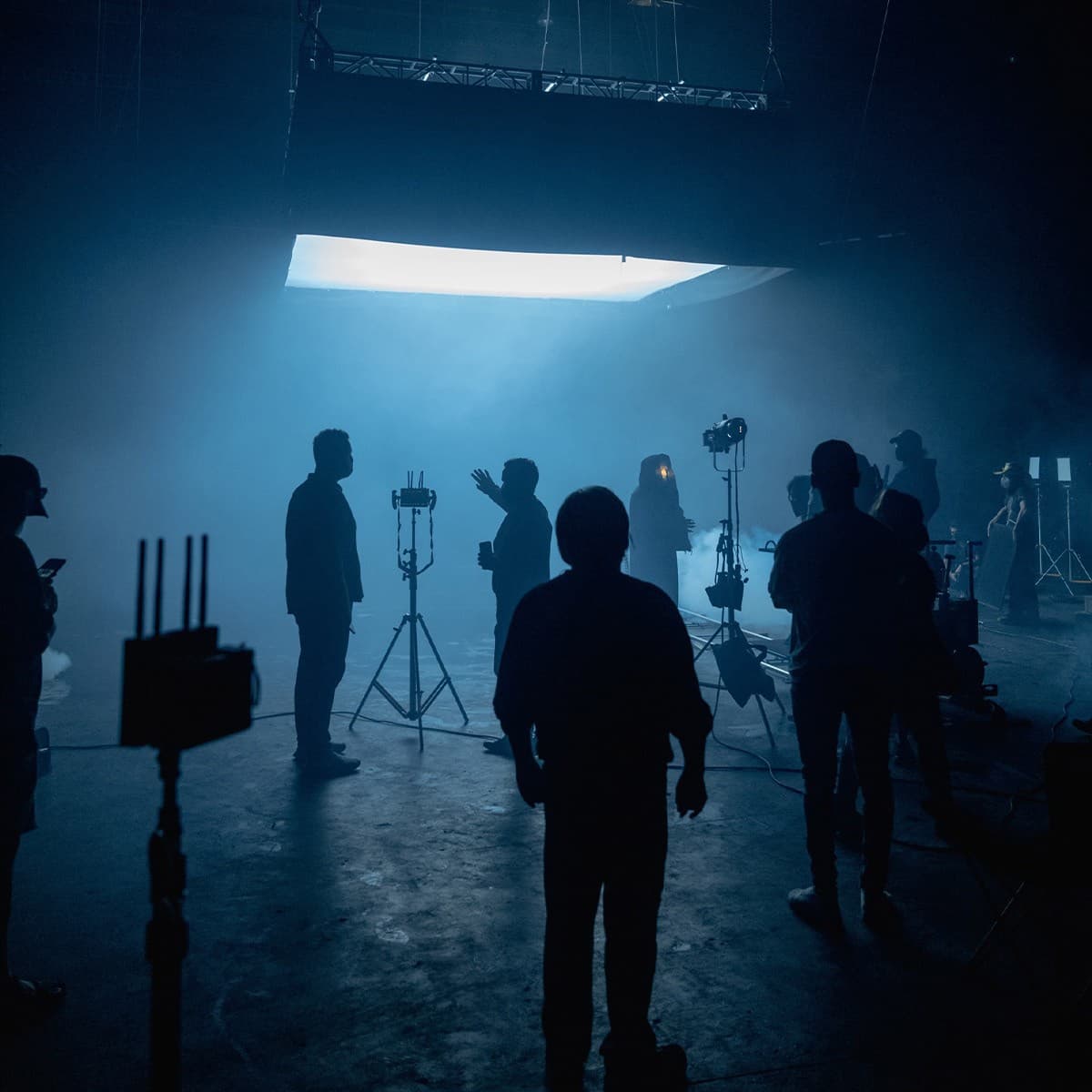
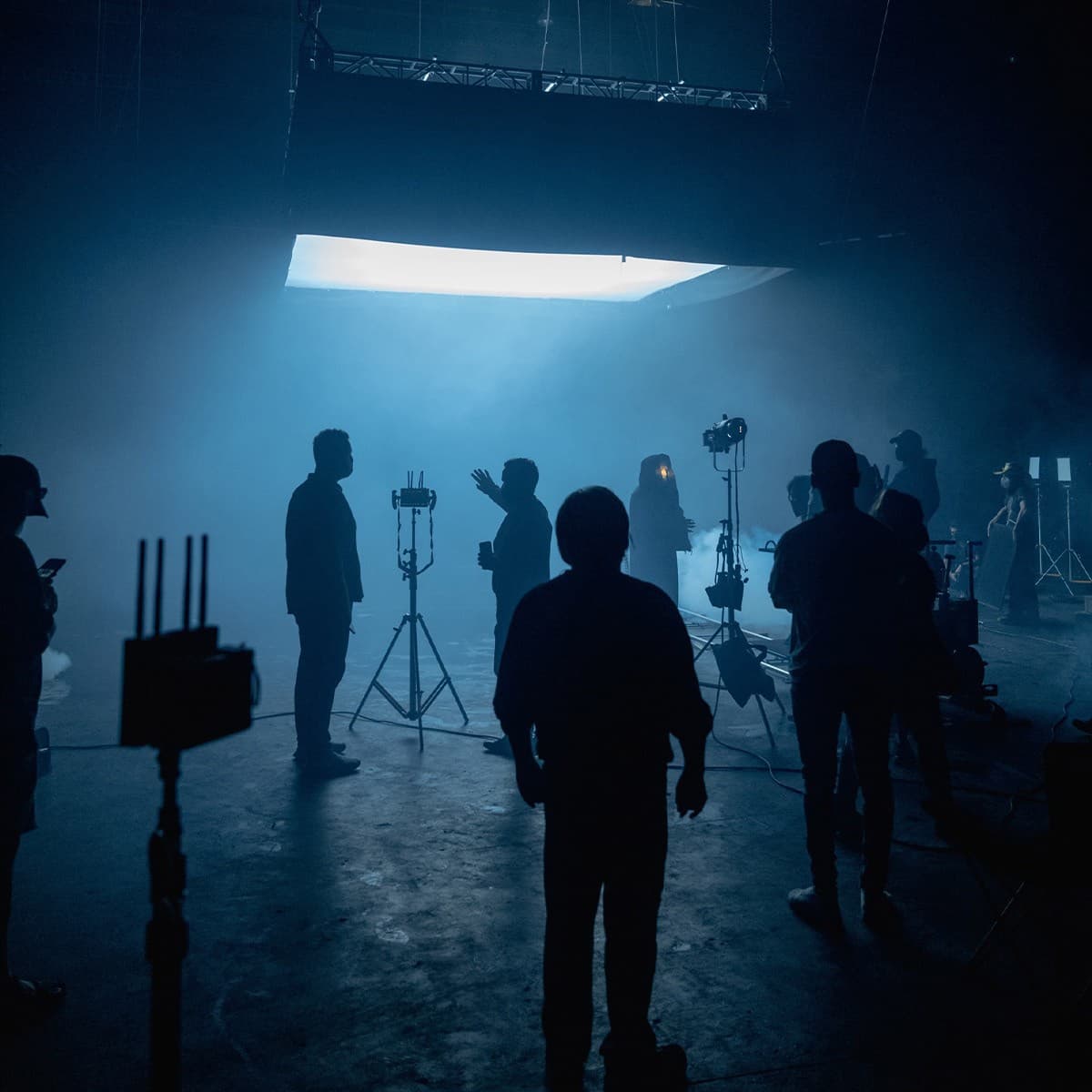
A special effects supervisor — commonly called an SFX supervisor — is the department head responsible for every practical, on-set effect you see in a finished film or television production. When a car explodes in a chase sequence, when rain pounds the actors on a rooftop, when a building facade collapses around the hero, or when fog rolls across a battlefield at dawn, the SFX supervisor planned, budgeted, engineered, and executed every one of those moments live on set.
The role is distinct from visual effects (VFX), which are added in post-production using digital tools like CGI. Special effects are physical and mechanical — they happen in front of the camera in real time. That fundamental distinction shapes everything about the job, from the certifications required to the way the department integrates with the rest of the crew.
Practical Effects vs. Visual Effects: Why the Distinction Matters
Directors and producers often make deliberate choices about whether a given effect should be practical (in-camera) or digital (post-production). Practical effects generally produce more realistic lighting interaction and tactile performances from actors because they are physically present on set. A real explosion lights every face in the frame the same way; a CGI explosion does not. This is why directors like Christopher Nolan, Denis Villeneuve, and J.J. Abrams have leaned heavily on practical effects even as digital tools became more powerful.
The SFX supervisor is the specialist who makes the practical route viable — engineering solutions that are cinematic, repeatable, and above all safe. They also work closely with the VFX supervisor to ensure that practical elements are filmed in a way that makes digital enhancement seamless in post.
Where the SFX Supervisor Sits in the Production Hierarchy
The SFX supervisor reports directly to the director and the line producer. On studio productions they may also take creative direction from the production designer, since effects often overlap with set design. They manage the entire special effects department — which can range from a handful of technicians on a small TV episode to several dozen specialists on a major feature — and they are ultimately accountable for the safety and effectiveness of every effect the department delivers.
For productions that involve complex budgeting across multiple departments, tools like Saturation.io give line producers and production accountants a clear view of SFX department costs alongside the rest of the budget, making it easier to model scenario changes when an effect proves more expensive than initially planned.
SFX Supervisor vs. SFX Coordinator: Key Difference
The SFX coordinator is the second-in-command within the special effects department. While the supervisor focuses on creative concept, director relationships, and top-level safety decisions, the SFX coordinator handles logistics: scheduling SFX crew, sourcing materials and equipment, managing the floor-level execution of each effect. On smaller productions, one person may hold both roles; on large features, the two positions are distinct. Some productions use the titles interchangeably, so context matters when reading a job posting or a call sheet.
Role & Responsibilities
Pre-Production: Script Breakdown and SFX Planning
A special effects supervisor's work begins the moment they are attached to a production — often months before cameras roll. Their first task is a detailed script breakdown, reading every page with one question in mind: what physical effect does this scene require?
This is more nuanced than it sounds. A script might read simply "the warehouse catches fire" — but the SFX supervisor must answer: How large is the fire? Is it sustained or a brief flash? Are actors working within ten feet of it? Will it be repeated for multiple takes? Is the location a real building or a controlled stage environment? Each answer drives engineering decisions, permitting requirements, and budget.
Budgeting and Bid Process
After the script breakdown, the SFX supervisor prepares a detailed budget for the entire effects package. This includes:
- Labor costs for SFX crew (the supervisor, coordinator, technicians, and day-players)
- Materials — explosives, pyrotechnic charges, fuels, foam materials, animatronic components
- Equipment rental — rain bars, wind machines, smoke generators, pneumatic rigs, hydraulic rigs
- Insurance premiums and permitting fees for pyrotechnic use
- R&D costs for any custom-engineered effect being built from scratch
- Safety infrastructure — fire safety officers, on-set EMTs for high-risk sequences
On union productions this budget is submitted to the line producer and reviewed alongside other department budgets. On independent productions the SFX supervisor may negotiate directly with the producer on a sequence-by-sequence basis.
R&D, Testing, and Proof-of-Concept
Novel effects — anything that has not been done before or that has unusual scale or complexity — require a research and development phase. The SFX supervisor and their team will prototype and test the effect before the production date to confirm it is achievable, refine the engineering, and establish exact safety protocols. Test footage from R&D is often shown to the director so creative decisions can be made before expensive production days are committed.
Collaboration with Director and Director of Photography
Throughout pre-production and into the shoot, the SFX supervisor works in close collaboration with the director and the director of photography (DP). From the director they take creative intent — scale, tone, whether an effect should be visceral or subtle. From the DP they take technical constraints — camera positions, lens choices, and frame rates that will affect how an effect reads on screen. Rain, for example, is notoriously difficult to photograph; the SFX supervisor and DP must agree on rain bar placement, water pressure, and sometimes background lighting just to make rain visible on camera.
On-Set Execution and Safety Management
On shooting days, the SFX supervisor is physically present for every effects sequence. Their responsibilities during production include:
- Pre-rigging: The SFX crew rigs all equipment (explosives, rain bars, breakaway props, pneumatic guns) prior to the director and main crew arriving on set
- Safety briefing: For any high-risk sequence (pyrotechnics, large-scale fire, vehicle effects), the SFX supervisor conducts a mandatory safety briefing for all cast and crew who will be on set during the effect
- Effect execution: The supervisor personally operates or directly oversees the operation of the most critical or dangerous effects. They are the final sign-off before any pyrotechnic charge is armed or ignited
- Reset and repeatability: Most effects must be repeated across multiple takes and camera angles. The SFX crew resets the effect between takes while the supervisor evaluates what adjustments need to be made for subsequent passes
- Incident response: If an effect malfunctions or produces an unexpected result, the supervisor immediately secures the set and takes charge of the response
Categories of Practical Effects
The special effects department handles a wide range of physical effect types:
- Pyrotechnics: Controlled explosions, fire effects, gunfire flashes, and smoke — the most strictly regulated category requiring licensed pyrotechnic operators
- Atmospheric effects: Rain, snow, fog, wind, dust — created using rain bars, snow machines, fog generators, and wind machines
- Mechanical effects: Moving set pieces, breakaway walls, controlled vehicle crashes, hydraulic rigs for shaking a set to simulate an earthquake
- Animatronics: Mechanically operated creatures or props — historically a major SFX subdomain but now often replaced by digital characters for complex movements
- Practical miniatures: Scale models of buildings, vehicles, or environments filmed with techniques that make them appear full-size — still used when the look of the miniature is preferable to CGI
- Floor effects: Water flooding a set, mud, oil slicks, collapsing floors, and other large-scale set-bound environmental effects
Post-Production: Handoff to VFX
After the practical effects are shot, the SFX supervisor provides detailed reference notes to the VFX supervisor and post-production team. These notes document exact camera positions during effects sequences, the physical scale of real elements, color temperature of fires and explosions, and any artifacts from the practical effect that will need to be removed or enhanced digitally. This handoff is critical for ensuring that digital enhancements of practical elements are seamless — for example, extending a practical explosion with a CGI fireball that perfectly matches the color and scale of the real fire on set.
Skills Required
Mechanical Engineering and Systems Thinking
The core technical competency of a special effects supervisor is mechanical engineering aptitude — the ability to design, build, and troubleshoot physical systems under time pressure. This encompasses:
- Pneumatics: Compressed air systems used to actuate breakaway props, launch projectiles (bullet hits, debris), and operate mechanical rigs. The SFX supervisor must understand pressure calculations, valve timing, and safe pressure limits for the materials involved
- Hydraulics: Fluid-driven systems used for heavier mechanical rigs — shaking platforms (earthquake sequences), heavy vehicle rigs, and large structural effects. Hydraulic systems can move enormous loads but require careful engineering to prevent failures
- Structural engineering basics: When a wall is designed to collapse, a floor to give way, or a vehicle to crush in a specific direction, the SFX supervisor must understand load paths and failure points to ensure the collapse happens exactly as intended — and not in unintended directions that could harm crew or actors
- Electronics and timing circuits: Pyrotechnic sequences with multiple simultaneous or sequential charges require precise electrical timing circuits. The supervisor must be able to design and troubleshoot these circuits
Pyrotechnics Expertise
Pyrotechnics is the highest-stakes technical subdomain within special effects. An SFX supervisor's pyrotechnic knowledge must cover:
- The chemistry and burn characteristics of different pyrotechnic compounds
- Safety distances for various charge sizes and production environments
- Permitting and disposal requirements for unused explosive materials
- Techniques for achieving the visual effect of a large explosion using minimal explosive materials (safety through minimalism)
- Working with fire-resistant materials on actors and set pieces
- The difference between low explosives (deflagrating — used in most film pyrotechnics) and high explosives (detonating — rarely used and subject to additional regulatory requirements)
Fluid Dynamics and Atmospheric Effects
Weather and atmospheric effects — rain, snow, fog, wind — require a different skill set from pyrotechnics but are no less technically demanding:
- Rain systems: Designing rain bars that produce natural-looking rain visible on camera (not easy — rain is largely transparent without backlight), calculating water volume and drainage requirements for a contained set, waterproofing electrical equipment
- Snow: Selecting the right snow material for the temperature and the scene — real snow, artificial snow (various compounds), or forced-air snow machines — and managing continuity across shooting days
- Fog and smoke: Choosing between water-based fog (settles quickly), oil-based fog (hangs longer), and dry ice (low-lying ground fog), and managing ventilation so the set remains breathable for cast and crew
- Wind: Large fan rigs for exterior wind effects, calculating the force produced and protecting crew and equipment from flying debris
Budget Management and Production Accounting
SFX departments on major productions can carry seven-figure budgets. The supervisor is accountable for that budget and must track expenditures accurately throughout the production. This means:
- Creating detailed cost reports for each effect sequence
- Tracking material consumption — particularly explosive and pyrotechnic materials, which must be inventoried for regulatory compliance as well as financial tracking
- Communicating budget variances to the line producer early — if an effect is proving more expensive than anticipated, the supervisor needs to surface that information so the production can make decisions about reducing scope or reallocating budget
- Using production management and budgeting tools to keep financial records in order and accessible to the production office
Safety Culture and Risk Management
Safety is not a secondary concern for the SFX supervisor — it is the primary professional obligation. A single safety failure in the special effects department can result in serious injury or death, production shutdown, criminal prosecution, and the end of careers. Key safety competencies include:
- Conducting thorough risk assessments for every effect before it is performed
- Establishing and enforcing minimum safety distances for crew, cast, and equipment
- Creating written safety protocols for each effects sequence — these protocols are shared with the AD department, stunt coordinator, and set safety officer
- Recognizing when a planned effect has become unsafe due to changed conditions (weather, set changes, schedule compression) and having the authority and professional confidence to halt or modify the effect
- Post-incident analysis — if anything goes wrong, understanding what happened and preventing recurrence
Creative Problem-Solving and Director Collaboration
Directors describe effects in cinematic terms — they want it to feel "massive," "intimate," "dangerous," "surreal." The SFX supervisor's creative skill is translating those qualitative descriptions into specific physical mechanisms. This requires:
- Deep familiarity with how different effects photograph — what looks impressive on set may not read well on camera, and vice versa
- Lateral thinking when a director's desired effect is technically challenging — finding alternative approaches that achieve the same visual result through different means
- Comfort presenting creative alternatives when the director's first choice is not safe or feasible
- Rapid on-set problem-solving when a planned effect fails to perform as expected and a solution is needed within minutes
Communication and Department Leadership
Managing a special effects department requires leadership skills comparable to any department head on a major production:
- Clear communication of safety protocols to crew who may be operating under time pressure to move faster than safety allows
- Coordination with other department heads — specifically the stunt coordinator (whose work frequently intersects with physical effects), the DP (camera placement around effects), and the production designer (practical effects built into or attached to set pieces)
- Crew management: hiring, scheduling, and performance management of a team whose work carries significant personal risk
- Communication with the assistant director (AD) about how long effects will take to rig, reset, and clear — information that directly affects the production schedule
Salary Guide
Special Effects Supervisor Salary Overview
Special effects supervisors are among the more specialized — and therefore better-compensated — technical department heads in film and television production. Unlike some crew roles that have standardized day rates established by IATSE collective bargaining, SFX supervisor compensation varies significantly based on production scale, experience, market, and whether the production is union or non-union.
According to the U.S. Bureau of Labor Statistics Occupational Employment and Wage Statistics, special effects artists and animators (the closest BLS classification to SFX technicians and supervisors) earned a median annual wage of approximately $78,790 as of the most recent survey data. Senior supervisors on major studio productions earn significantly above this figure.
Salary by Experience Level
- SFX Technician (entry-level, 0–3 years): $45,000–$65,000 per year, or $250–$400/day on non-union productions. At this level, crew are working alongside experienced supervisors and coordinators, building the skills and credits needed to move up
- Senior SFX Technician / Floor Supervisor (3–7 years): $65,000–$90,000 per year equivalent, or $450–$650/day. Senior technicians lead specific effects sequences and manage junior crew on those setups
- SFX Coordinator (7–12 years): $80,000–$120,000 per year equivalent. The coordinator position is the operational heart of the department, and compensation reflects the responsibility of managing both the crew and the logistics of a complex effects package
- SFX Supervisor (10–20+ years): $100,000–$200,000+ per year equivalent on union features and major TV productions. Top-tier supervisors with blockbuster credits command higher rates, particularly on studio tentpoles with complex effects packages
Salary by Production Market
Geographic location is one of the strongest predictors of SFX compensation, because production markets vary enormously in their cost structures:
- Los Angeles: The highest-cost production market in North America. IATSE Local 44 rates for SFX crew reflect LA's cost of living. SFX supervisors on major studio features in LA typically earn $2,500–$4,500 per week (union scale and above). Top supervisors on major tentpoles negotiate individually above scale
- New York: Similar to LA in cost structure and union rates. IATSE Local 798 covers NY-based SFX crew. Day rates for supervisors typically fall in the $750–$1,500 range per day depending on project type
- Atlanta / Georgia: The fastest-growing major production market in the US, driven by Georgia's 30% transferable tax credit. IATSE Local 491 covers SFX crew in the region. Rates are somewhat lower than LA/NY — SFX supervisors typically earn $1,800–$3,500 per week — but cost of living is also meaningfully lower
- Vancouver / British Columbia: Canada's largest production hub, with a robust union structure through IATSE 891. BC's 35% domestic production credit and strategic location make it attractive for US studio runaway productions. Canadian dollar compensation and US dollar parity fluctuations affect real earnings for US-based supervisors working in Vancouver
- New Mexico / New Orleans / Other incentive markets: Growing markets driven by state incentives. Union coverage is less comprehensive than LA/NY/ATL, and rates vary more widely. Non-union rates are common on mid-budget productions in these markets
Salary by Production Type
- Studio tentpole features (Marvel, Disney, major action/thriller): The highest compensation tier. SFX supervisors on productions with $100M+ budgets may negotiate $5,000–$10,000/week or higher, particularly if the effects package is central to the film. These productions also carry the most complex and demanding effects work
- Mid-budget studio and streaming features ($20M–$100M): SFX supervisors typically earn $2,500–$5,000/week. The effects package is meaningful but more limited in scope
- Network and streaming TV (drama, 1-hour episodes): Episodic television provides more consistent week-to-week employment than features. SFX supervisors on major network or streaming dramas earn $2,000–$4,000/week, with the advantage of a full-season commitment rather than project-to-project gaps
- Commercials: High day rates but sporadic work. Commercial SFX supervisors can earn $1,500–$3,000/day on major national spots. The work is intensive — everything must be achieved in one to two shooting days — but the pay can match or exceed feature work on a per-day basis
- Independent / low-budget features: SFX supervisors on micro-budget productions may accept deferred payment, reduced day rates ($400–$700/day), or back-end participation arrangements. These projects are often used strategically to build credits or maintain industry relationships during slow periods
IATSE Health and Pension Benefits
For union SFX crew, compensation extends beyond the weekly rate. IATSE benefits packages include health insurance (for members who work enough qualifying hours), pension contributions, and vacation pay — benefits that add meaningful economic value on top of the weekly negotiated rate. Non-union SFX supervisors must fund their own benefits, which is a significant consideration when evaluating non-union vs. union work from an overall compensation standpoint.
Earning Potential and Career Trajectory
The financial trajectory for an SFX supervisor is nonlinear. Early career years involve significant wage growth as a technician moves from entry-level to senior technician and then to coordinator. The jump from coordinator to supervisor is the biggest step — it requires not just technical credibility but the ability to win department head positions, which often comes down to director and producer relationships built over years of production work. Once established as a supervisor with major credits, the ceiling on per-project compensation is high, but the work remains project-based with gaps between productions that require financial planning.
FAQ
What does a special effects supervisor do?
A special effects supervisor heads the practical effects department on a film or TV production. They are responsible for designing, engineering, and executing every physical, on-set effect — including pyrotechnics (explosions, fire), atmospheric effects (rain, snow, fog, wind), mechanical effects (breakaway props, pneumatic rigs, vehicle effects), and animatronics. Their work begins in pre-production with script breakdowns and budgeting, continues through production with on-set execution and safety management, and concludes with handing off reference data to the VFX team for digital enhancement of practical elements. The supervisor is accountable for both the creative quality of effects and the safety of all crew and cast in their vicinity.
What is the difference between a special effects supervisor and a VFX supervisor?
The SFX supervisor handles practical, on-set effects that occur in front of the camera in real time — explosions, rain, mechanical rigs, pyrotechnics. The VFX supervisor oversees digital effects added in post-production using software like compositing tools and 3D animation platforms — CGI creatures, digital environments, digital enhancement of explosions. The two roles often collaborate: the SFX supervisor provides practical elements that the VFX supervisor enhances or extends digitally. On productions that rely heavily on practical effects (many Christopher Nolan films, for example), the SFX supervisor's role is central; on animation-heavy productions, the VFX supervisor may be more prominent. Both roles ultimately serve the director's creative vision for how a scene should look.
What is the difference between an SFX supervisor and an SFX coordinator?
The SFX supervisor is the department head — responsible for the creative vision, director relationship, top-level safety decisions, and final sign-off on all effects. The SFX coordinator is the second-in-command, managing logistics: scheduling crew, sourcing materials, overseeing floor-level execution of each effect. On larger productions, these are distinct positions; on smaller productions, one person may hold both roles. Some productions use the titles interchangeably, which can create confusion — context (production scale, call sheet placement, reported-to lines) clarifies the actual responsibility level.
How much does a special effects supervisor make?
Compensation varies substantially by experience, market, and production type. Entry-level SFX technicians earn $45,000–$65,000 per year equivalent. Mid-career coordinators earn $80,000–$120,000. Established SFX supervisors on major union productions earn $100,000–$200,000+ per year equivalent, with top supervisors on blockbuster studio features negotiating $5,000–$10,000 per week or more. Markets like Los Angeles and New York carry the highest rates; Atlanta and Vancouver are competitive but slightly lower. IATSE union membership adds meaningful value through health and pension benefits. The BLS reports a median of approximately $78,790 for the closest occupational category (special effects artists and animators).
What pyrotechnics license do you need to work as an SFX supervisor?
In the United States, an SFX supervisor who oversees pyrotechnic effects must hold a Federal Explosives License (FEL) from the Bureau of Alcohol, Tobacco, Firearms and Explosives (ATF). Most major production states also require a state-level pyrotechnics operator license — California's State Fire Marshal issues this credential, formerly known as a Type 54 license. Obtaining the state license typically requires documented experience working under a licensed operator (often 2–5 years), a written examination on safety and explosive materials regulations, and a background check. Licensed operators must be physically present when any pyrotechnic device is armed and fired on set — remote supervision is not sufficient.
How do you become a special effects supervisor?
Most SFX supervisors reach the role through 10–15 years of progression through the department, starting as an SFX trainee or technician and advancing through senior technician and coordinator roles. Relevant degrees in mechanical engineering, electronics, or film production provide a useful foundation, though hands-on experience is more determinative of career advancement than academic credentials. Pyrotechnics licensing is essential for supervisors who work with explosive effects. IATSE membership opens access to major studio productions. Specialized training programs like the Stan Winston School in Los Angeles provide practical skills development alongside industry networking. Building credits on productions of increasing scale — and earning the trust of directors and producers — is the primary mechanism of advancement to the supervisor level.
Is the special effects supervisor role the same as a special effects artist?
No. A special effects artist is a practitioner — someone who builds and applies practical makeup effects, creates animatronic components, or performs specific technical tasks within the effects department. The special effects supervisor is the department head who manages the entire practical effects operation for a production. A supervisor may have come up through the ranks as an artist, but the supervisor role involves budget management, director relationship management, safety authority, and crew leadership that go well beyond the execution of individual effects. On some smaller productions the terms may be used loosely, but on major studio productions they represent distinct positions in the department hierarchy.
Education
Is There a Degree for Special Effects Supervision?
Unlike directors or editors, there is no single academic path to becoming a special effects supervisor. The role combines mechanical engineering, chemistry, pyrotechnics, and filmmaking craft — a combination that no single degree covers fully. However, certain educational backgrounds provide a strong foundation, and a handful of specialized training programs have become recognized pathways into the industry.
Relevant Degree Fields
Most working SFX supervisors come from one of three academic backgrounds:
- Mechanical or industrial engineering: Provides deep understanding of pneumatics, hydraulics, structural load calculations, and materials science — all directly applicable to rigging mechanical effects
- Film production with a practical effects focus: Programs at schools like the AFI Conservatory, USC School of Cinematic Arts, or Chapman University's Dodge College offer exposure to on-set production crafts, though hands-on SFX specialization requires additional training
- Electronics and electrical engineering: Particularly relevant for timing circuits used in pyrotechnic sequences, where precise millisecond timing determines whether charges fire in the correct sequence
The Stan Winston School and Specialized Training Programs
The Stan Winston School of Character Arts in Los Angeles has become one of the most recognized institutions for practical effects training. Named after the legendary SFX artist who created the effects for the Terminator films, Alien Nation, and Jurassic Park, the school offers courses in creature effects, animatronics, and mechanical makeup — skills that overlap significantly with the SFX department.
In the UK, the National Film and Television School (NFTS) offers courses in physical production skills. In Canada, programs at Capilano University in Vancouver (a major production hub) provide film production training with access to the Vancouver industry. Australia has AFTRS (Australian Film Television and Radio School) with similar offerings.
Starting as an SFX Technician: The Apprenticeship Model
For most working special effects supervisors, formal education is the starting point — not the career. The real training happens in the industry itself, through an apprenticeship-style progression through the SFX department:
- SFX trainee / runner: The entry point. Responsible for carrying equipment, assisting with set dressing, and observing experienced technicians. At this stage the trainee is learning the vocabulary, the workflows, and the safety culture of the department
- SFX technician: After demonstrating reliability and basic technical competence, a trainee moves to technician. Technicians handle specific effects rigs under the supervision of senior crew
- Senior SFX technician / floor supervisor: With several years of experience, technicians take on greater responsibility — managing specific effects sequences, supervising junior crew, and handling more complex systems
- SFX coordinator: The coordinator manages the logistics of the entire department — scheduling, purchasing, crew management — and serves as the operational partner to the supervisor
- SFX supervisor: The department head, reached after typically 10–15 years in the industry with credits across multiple productions of increasing scale
Pyrotechnics Licensing Requirements
Any SFX supervisor who oversees pyrotechnic effects must hold a valid pyrotechnics operator license. Licensing is state-regulated in the United States, with no single federal standard. Key facts about pyrotechnics licensing:
- ATF Federal Explosives License: Any person who manufactures, imports, purchases, or uses explosive materials for commercial purposes must hold a Federal Explosives License (FEL) issued by the Bureau of Alcohol, Tobacco, Firearms and Explosives (ATF). This is the baseline federal requirement for anyone handling pyrotechnic charges on film sets
- State licensing: Most states with significant film production (California, Georgia, New York, Louisiana, New Mexico) require a separate state-level pyrotechnics operator license, sometimes called a "Type 54" or "Special Effects" license. California's State Fire Marshal issues this as a "Pyrotechnic Operator" license (formerly Type 54 under the Department of Consumer Affairs)
- Application process: Obtaining a state pyrotechnics license typically requires proof of experience (often 2–5 years working under a licensed operator), a written examination on safety regulations and explosive materials, background checks, and ongoing continuing education to maintain the license
- On-set requirements: Most jurisdictions require that a licensed pyrotechnic operator be physically present for the arming, firing, and post-use inspection of any pyrotechnic device. The SFX supervisor cannot simply supervise from a distance — they must be the licensed operator on set
OSHA and Safety Certifications
Beyond pyrotechnics licensing, SFX supervisors are expected to hold or at minimum be deeply familiar with:
- OSHA 30-hour construction/general industry certification (applicable to set environments)
- First aid and CPR certification
- Relevant IATSE safety bulletins, particularly those covering pyrotechnics (Bulletin #14), rain effects, and compressed gas systems
IATSE Membership and Union Pathways
In the United States, most major film and television productions are covered by IATSE (International Alliance of Theatrical Stage Employees) collective bargaining agreements. Special effects technicians and supervisors are typically covered under:
- IATSE Local 44 (Los Angeles): The property and special effects local, covering SFX crew in the LA production market
- IATSE Local 491 (Southeast US): Covers Georgia and surrounding states — particularly relevant given Atlanta's emergence as a major production hub
- IATSE Local 798 (New York): Covers New York area productions
Entry into IATSE typically requires a qualifying period of non-union work or employment by an IATSE-signatory production company. Once admitted, union membership provides access to collective bargaining rates, health and pension benefits, and a professional community for networking.































Budget Templates
Budget crew costs with confidence
Use Saturation to build budgets with accurate crew rates, fringes, and union scales.
Try Free Budget Tool