What is a Stunt Coordinator?
Overview
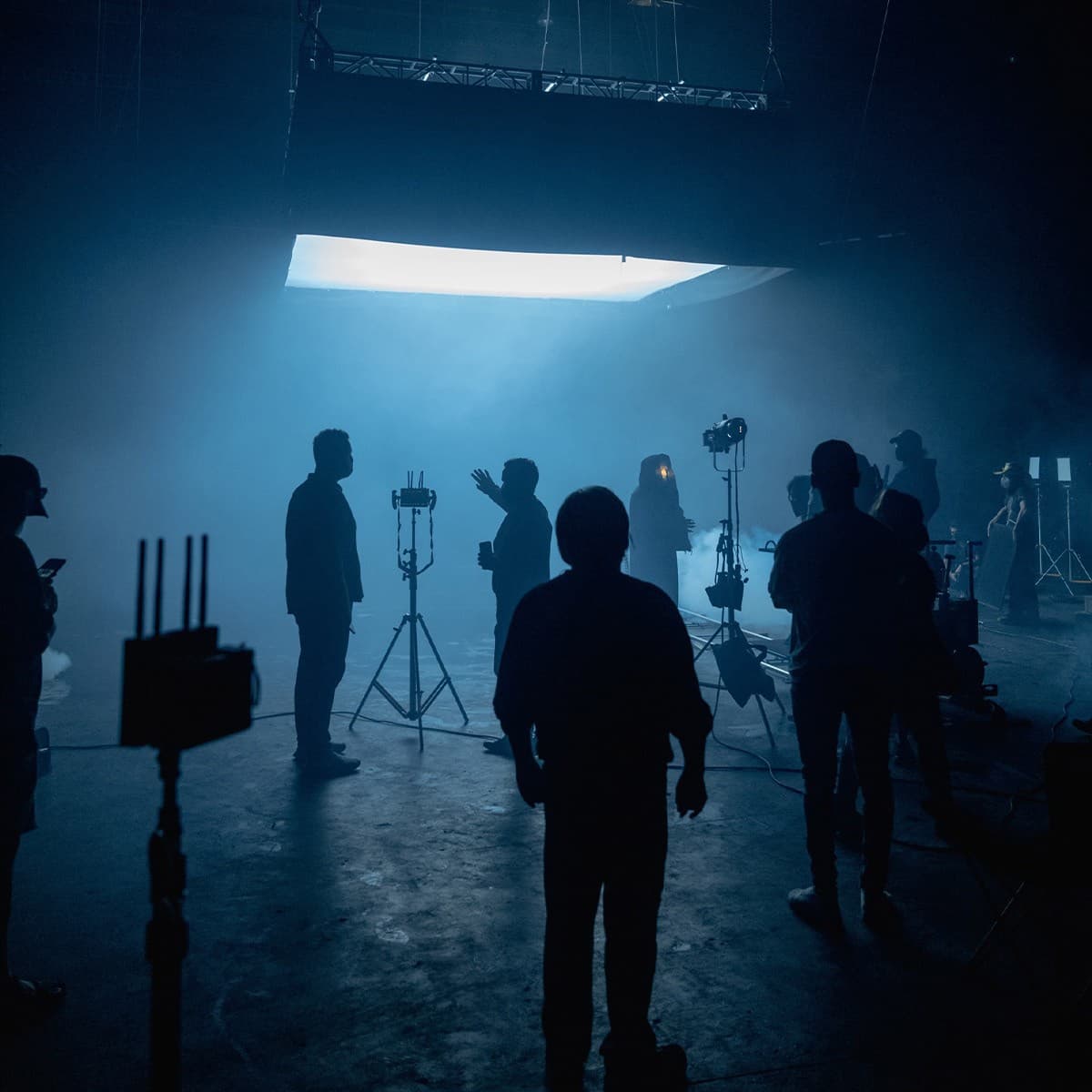
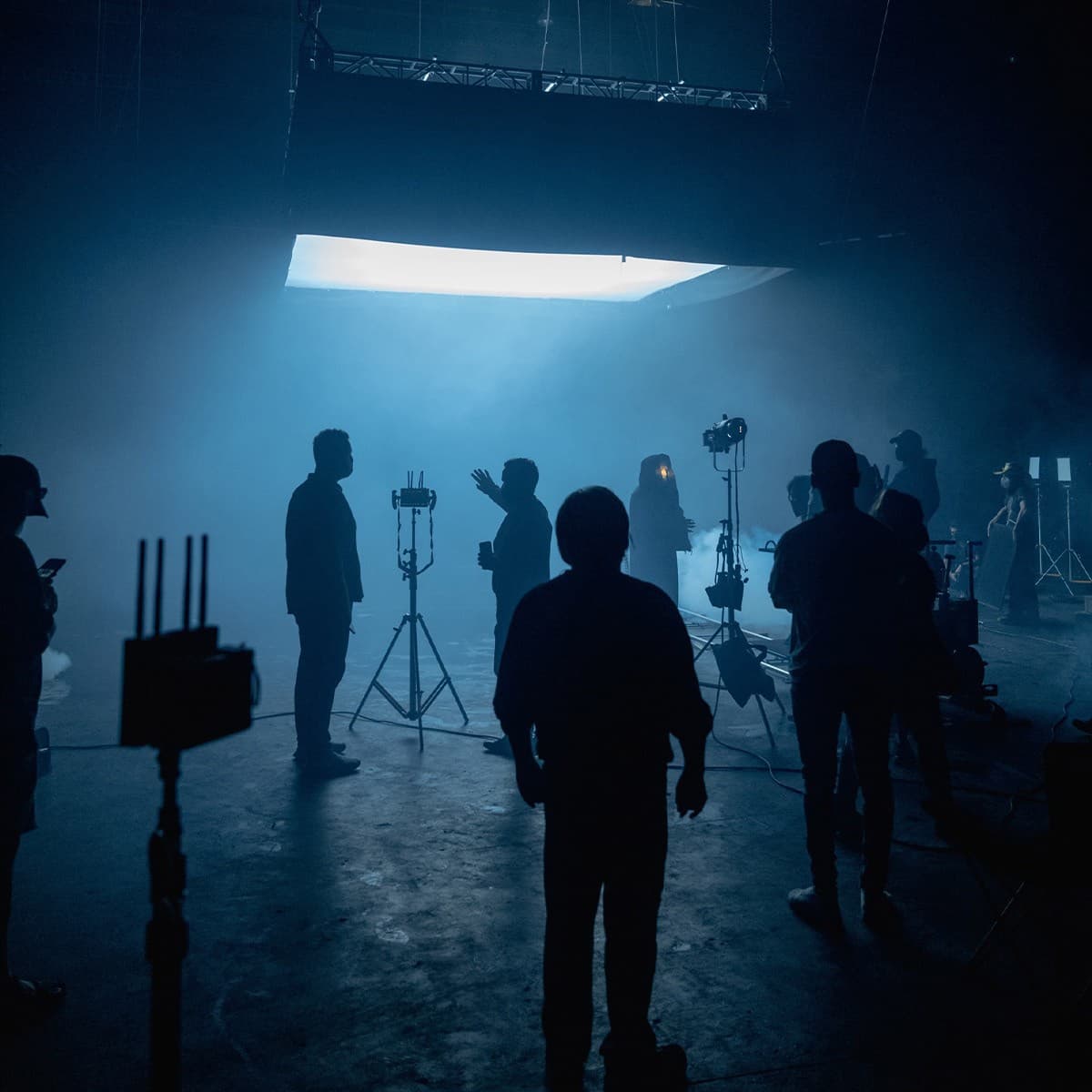
A stunt coordinator is the safety officer, choreographer, and creative architect of every dangerous scene in a film or television production. Hired during pre-production and present through the final day of principal photography, the stunt coordinator is responsible for designing, casting, and executing all physical action sequences while protecting every person on set.
On any given production the stunt coordinator reads the script before a single camera is rigged, identifies every moment that requires a trained stunt performer, and translates those moments into precise, repeatable sequences that satisfy the director's vision without unnecessary risk. That dual mandate, spectacle and safety, is the defining tension of the job.
Unlike most department heads who hand off work to a producer, the stunt coordinator remains hands-on throughout production: running rehearsals, building rigs, communicating adjustments to the director and director of photography in real time, and making the call to halt or modify a gag if conditions change. When a stunt goes wrong, it is the stunt coordinator who is accountable.
Stunt coordinators are represented by SAG-AFTRA and must complete a defined eligibility process before working in an official coordinator capacity on a union production. Managing the financial side of a stunt department, including day rates, equipment costs, and stunt adjustments, is far easier when your production uses purpose-built software. Saturation's cloud-based production budgeting platform lets line producers and stunt coordinators track every expenditure in real time alongside the full production budget, reducing the friction that can delay or compromise stunt planning. Learn how other crew roles connect on the line producer page.
Role & Responsibilities
Script Breakdown and Stunt Identification
The stunt coordinator's first task is to receive the shooting script, read it cover to cover, and flag every scene that involves physical risk. This includes obvious action sequences but also subtler moments: a character slipping on ice, a minor car accident glimpsed in the background, an actor running down stairs at speed. The coordinator produces a stunt breakdown document that categorizes each gag by type, risk level, performer count, equipment requirements, and estimated preparation time.
This document feeds directly into the production budget. A thorough breakdown in week one of pre-production prevents costly surprises during the shoot, when re-scheduling a dangerous gag can cost tens of thousands of dollars in idle crew time.
Stunt Design and Concept Development
Once the breakdown is complete, the stunt coordinator collaborates with the director to develop the look, feel, and tempo of each action sequence. This is not merely logistical work. Top stunt coordinators bring genuine creative vision to their sequences: the camera angles that make a fight feel claustrophobic versus expansive, the pacing of a vehicle pursuit that builds sustained tension, the decision to keep a fall practical versus augmenting it with a wire rig and visual effects.
Pre-visualization software is increasingly common at this stage. Coordinators use pre-viz to simulate stunt sequences in three dimensions before physical rehearsals begin, allowing the director and DP to refine shot lists and the coordinator to identify safety hazards that only become visible when the geometry of a gag is modeled at scale.
Safety Planning and Risk Assessment
For every stunt the coordinator must complete a formal risk assessment: a written document that identifies every foreseeable hazard, rates the probability and severity of each hazard, and specifies the controls that will reduce that risk to an acceptable level. Controls include physical measures such as crash mats, fire-retardant suits, and wire rigs, as well as procedural controls such as minimum crew count on set during a fire gag, designated medical standby, and rehearsal repetitions required before the camera rolls.
Many productions on projects above a certain budget require a separate safety supervisor, but even where that role exists the stunt coordinator remains the primary technical authority on stunt safety. The coordinator must also ensure that the production's insurance policy covers the planned stunts and that any exclusions or special conditions are surfaced before the shoot.
Casting Stunt Performers and Doubles
Casting for stunts is a specialized process that goes well beyond finding someone who resembles the principal actor. The coordinator needs to match physical type, skill set, and screen presence simultaneously. A fight sequence that requires fluency in Muay Thai demands a performer with verified training. A sequence involving driving at speed requires a licensed precision driver with stunt driving credits. A gag involving heights demands someone with documented experience working on wires or rappelling.
The coordinator maintains relationships with a roster of trusted stunt performers and pulls from that network first, supplementing with new talent as sequences demand. For union productions under SAG-AFTRA, all stunt performers must be SAG-AFTRA members or be covered by the appropriate Taft-Hartley provisions.
Directing Stunt Sequences on Set
During production the stunt coordinator functions as a second unit director for action sequences, translating the approved stunt design into a safe, efficient shooting plan. The coordinator calls rehearsals, sets the tempo and rhythm of each gag, and communicates adjustments to the director and first assistant director as conditions evolve. When camera positions change, the coordinator must instantly re-evaluate whether the original rig and performer blocking remain safe for the new angles.
Communication is continuous. The stunt coordinator briefs all department heads whose work intersects with the stunt: the gaffer on lighting requirements for a fire gag, the key grip on rigging points for a wire sequence, the transportation captain on vehicle placement for a driving stunt, the prop master on weapon specifications for a fight sequence. Each brief is documented to create a paper trail that protects the production and the performers.
Managing the Stunt Team
On large productions the stunt department can include a stunt coordinator, one or more assistant stunt coordinators, a fight choreographer, a stunt rigger, precision drivers, and a large pool of stunt performers. The stunt coordinator hires, schedules, and manages this team as a departmental employer, negotiating rates, tracking days worked, and ensuring that SAG-AFTRA minimums and adjustments are paid correctly.
Managing stunt department payables, including daily rates, adjustment fees, and equipment rentals, inside a unified production budget is one of the most common friction points on action-heavy productions. Saturation's budgeting platform gives the stunt coordinator and UPM a shared view of actuals versus budget across the entire stunt department, making cost overruns visible before they become emergencies.
Post-Production Coordination and VFX Integration
The stunt coordinator's involvement does not necessarily end when principal photography wraps. Where stunt sequences will be enhanced or completed with visual effects, the coordinator works with the VFX supervisor to ensure that practical elements shot on set align with the digital work planned in post. This may involve providing reference footage, participating in VFX reviews, and returning for pickup shoots when digital elements require additional practical photography. The coordinator also reviews rough cuts of action sequences to flag any safety violations captured on camera that should not be distributed publicly.
Skills Required
Physical Skills: The Foundation of the Role
A stunt coordinator does not need to perform every stunt on a production, but they must possess a deep physical vocabulary that allows them to design, demonstrate, and evaluate the stunts they hire others to execute. Coordinators who can credibly demonstrate a technique earn the respect of their stunt team and can communicate subtle adjustments that a coordinator without hands-on experience cannot articulate.
Fight Choreography and Martial Arts Knowledge
The ability to design and teach fight sequences is among the most valuable skills a stunt coordinator can possess. This requires genuine expertise in at least one combat system, combined with the choreographer's ability to structure a sequence dramatically, ensure that every strike lands on a specific beat, and block the action so that camera angles capture impact without exposing the technical deceptions that make it safe. Fight coordinators who specialize in this area often work as a sub-hire under the overall stunt coordinator on productions with large-scale action sequences.
Vehicle and High-Speed Driving
Precision driving skill includes the ability to execute reverse J-turns, controlled PIT maneuvers, precision parallel parking at speed, and vehicle-to-vehicle transfers. Beyond personal proficiency, the stunt coordinator must be able to plan a vehicle stunt sequence in terms of stopping distances, reaction times, camera clearances, and driver sight lines, all of which must be factored into the rig before a single run is made. Coordination with the transportation department, location scouts, and the local fire department, where required, falls to the stunt coordinator.
Wire Rigging and Fall Technique
Falling correctly is a skill that takes years to develop. Stunt performers train extensively in controlled fall technique, including side falls, back falls, high falls from elevation, and ratchet-assisted flying falls. As coordinator, understanding the engineering principles of wire rigging, specifically the load ratings of different rig configurations, the stretch characteristics of bungee versus static lines, and the correct placement of crash boxes, is essential for specifying rigs that are both safe and camera-ready.
Safety Protocol and Emergency Response
Every stunt coordinator must be current in first aid and CPR and must understand the activation protocols for the production's emergency response plan. When a stunt gag is in progress, the coordinator designates fire extinguisher positions, medical standby placement, and escape routes before the camera rolls. If something goes wrong, the coordinator's calm, practiced response determines whether an incident becomes a near-miss or a tragedy. Many coordinators hold additional certifications in industrial safety, fire suppression, or swift-water rescue depending on their specialty areas.
Leadership and Department Management
A stunt department on a large feature film can number fifteen to thirty people on heavy stunt days. The stunt coordinator hires every member of that team, negotiates their rates, schedules their days, and manages their performance under the pressure of a production schedule that does not pause for interpersonal friction. Strong leadership means communicating decisions clearly, earning trust through demonstrated competence, and creating a team culture in which any performer feels safe raising a concern about a stunt before the camera rolls.
Director and DP Communication
The stunt coordinator serves the director's creative vision while simultaneously advocating for what is safe and feasible. This requires the ability to communicate complex safety constraints without appearing obstructionist, to offer alternatives that satisfy the dramatic intent of a scene when the original design poses unacceptable risk, and to build enough trust with the director that safety calls are respected rather than argued. Stunt coordinators who develop strong working relationships with directors often find themselves returning to work with those directors on multiple productions.
Budgeting and Production Planning
From the first production meeting, the stunt coordinator must be able to cost out every element of the stunt department: performer days, stunt adjustments, equipment rentals, rigging labor, safety equipment, rehearsal time, and contingency. Coordinators who understand production budgeting speak the language of the UPM and line producer, making stunt department planning collaborative rather than adversarial. Using tools like Saturation's film budgeting software allows coordinators and production accountants to track actual stunt costs against the approved budget in real time, flagging overruns before they compromise other departments.
Insurance and Legal Knowledge
Stunt sequences trigger specific insurance requirements. Many production policies require written safety plans before coverage applies to a stunt gag. Some stunts require prior approval from the production's bonding company or insurer. The stunt coordinator must understand the insurance implications of every gag, communicate those requirements to the production manager, and provide the documentation the insurer requires. Coordinators who create clear, thorough safety plans build reputations for professionalism that translates directly into being hired on higher-budget productions.
Technology and Pre-Visualization
Modern stunt coordinators increasingly use digital pre-visualization tools, including software such as FrameForge and Unreal Engine-based pre-viz pipelines, to simulate stunt sequences before physical rehearsals. The ability to communicate a stunt concept visually, in three dimensions, speeds up approval from directors, reduces the number of costly rehearsal runs required, and allows safety issues to be identified at the planning stage rather than on the day of shooting.
Salary Guide
How Stunt Coordinators Are Paid
Stunt coordinators on union productions are compensated under SAG-AFTRA's Basic Theatrical Agreement (for feature films) or the Television Agreement (for episodic and streaming). Compensation is structured differently depending on whether the coordinator is hired on a daily basis, a weekly basis, or under a flat deal that covers the full production. Union minimum rates establish the floor; experienced coordinators with strong track records regularly negotiate above scale.
SAG-AFTRA Minimum Rates: Theatrical Feature Films (2025-2026)
For the period July 1, 2025 through June 30, 2026, the SAG-AFTRA Basic Agreement sets the following minimums for stunt coordinators working on theatrical motion pictures:
Daily rate (Schedule K): $1,246 per day
Weekly rate: $4,646 per week
These minimums received a 5% increase effective July 1, 2025, consistent with the broader SAG-AFTRA wage structure for the current contract period. Stunt coordinators working on productions with longer schedules typically negotiate weekly or flat deals that reflect the number of prep weeks, shooting days, and any post-production obligations.
Stunt Performer Minimums (2025-2026)
Because the path to stunt coordinator runs through stunt performing, it is useful to understand the performer-level rates that coordinators themselves earned while accumulating their qualifying days:
Stunt performer daily rate (Schedule H): $1,246 per day
Stunt performer weekly rate: $4,646 per week
Stunt performers who execute particularly hazardous or technically demanding gags are also entitled to a stunt adjustment, an additional payment negotiated on a gag-by-gag basis that compensates the performer for the specific risk and skill level involved. Stunt adjustments become part of the base rate for overtime and premium pay calculations. There is no fixed schedule of adjustment amounts; they are individually negotiated, though experienced coordinators develop strong intuitions about appropriate adjustment ranges based on gag type and market.
Television and Streaming Rates
Episodic television and streaming productions operate under the SAG-AFTRA Television Agreement. Stunt coordinator rates on television are broadly comparable to theatrical rates at the daily and weekly level, though flat deal structures are more common on episodic productions where the coordinator may be engaged for a full season rather than a single project. The current union day rate of $1,246 and weekly rate of $4,646 apply to television work for the same contract period through June 30, 2026.
Non-Union and Lower-Budget Productions
On non-union and low-budget productions the rates vary widely and are negotiated directly between the coordinator and the production company. Day rates for non-union stunt coordinators in major markets typically range from $800 to $1,500 per day depending on the size and complexity of the action sequences involved. Coordinators in secondary markets or on very small productions may work for less. There is no regulatory floor for non-union rates, which is one reason experienced coordinators prefer union productions even at minimum scale.
SAG-AFTRA's Modified Low Budget Agreement and Ultra Low Budget Agreement provide reduced minimums for qualifying lower-budget productions while maintaining union coverage. These agreements allow productions with total budgets below defined thresholds to access union stunt performers and coordinators at reduced rates.
Annual Earnings: What Stunt Coordinators Actually Make
Annual earnings for stunt coordinators are highly variable because the role is project-based rather than salaried. A coordinator working steadily on television in a major market such as Los Angeles or Atlanta may gross $150,000 to $300,000 per year in busy periods. Coordinators who primarily work on independent features or in secondary markets are more likely to see gross earnings in the $60,000 to $120,000 range. The highest-paid stunt coordinators on major franchise action films negotiate significantly above scale and may earn $500,000 or more for a single project when prep, shoot, and post commitments are included.
ZipRecruiter data for 2026 indicates that the majority of stunt coordinator salaries fall between $42,000 (25th percentile) and $70,000 (90th percentile) on an annualized basis, reflecting the reality that many coordinators do not work continuously throughout the year. The gap between this figure and the actual earnings of established coordinators reflects the episodic, project-based nature of the work.
Stunt Adjustment Pay: How It Works
When a stunt performer, including one working as a coordinator who also performs, executes a gag that goes beyond a baseline level of skill or risk, they are entitled to a stunt adjustment in addition to their scale day rate. The adjustment is negotiated before the gag is shot and agreed upon by the performer (or their representative), the stunt coordinator, and the production. Common factors that influence adjustment amounts include height of fall, proximity to fire or vehicle, complexity of wire work required, number of takes required, and uniqueness of the required skill (for example, precision driving at speed in a confined space). Adjustments typically range from a few hundred dollars for a relatively straightforward gag to several thousand dollars for extreme high-falls or full-body burns.
Geography and Market Differences
Los Angeles and New York are the highest-paying markets for stunt work, reflecting the concentration of major studio and streaming productions. Atlanta has become the third major market due to Georgia's production tax incentives and the volume of streaming content produced there. Rates in Atlanta are broadly comparable to Los Angeles for union productions. International co-productions, particularly those shooting in the United Kingdom, Canada, and Australia, operate under those countries' union agreements with their own minimum rate structures, which may be higher or lower than SAG-AFTRA minimums depending on the currency and contract period.
FAQ
What does a stunt coordinator do in film?
A stunt coordinator designs, casts, and oversees every dangerous or physically demanding scene in a film or television production. Working from the script before production begins, they identify every sequence that requires a trained stunt performer, create a stunt breakdown document, develop the action choreography in collaboration with the director, hire and manage the stunt team, build safety plans, and direct stunt sequences on set. Their core responsibility is ensuring that spectacular action is executed without injury to performers or crew.
How much does a stunt coordinator get paid?
Under the SAG-AFTRA Basic Agreement for the period July 1, 2025 through June 30, 2026, the minimum daily rate for a stunt coordinator is $1,246 and the minimum weekly rate is $4,646. Experienced coordinators on major productions negotiate above these minimums. Annual earnings vary widely based on how steadily a coordinator works: top coordinators on franchise action films earn well above $200,000 per year, while those working primarily on independent features may earn $60,000 to $120,000 in a busy year.
How do you become a stunt coordinator?
The official path to stunt coordinator on SAG-AFTRA productions requires completing 500 qualifying days as a stunt performer on union productions. The average stunt performer reaches this milestone in approximately five years. At 250 qualifying days you become eligible for SAG-AFTRA's voluntary mentor program. At 350 days you can work as an apprentice stunt coordinator. Once you reach 500 days and have your work verified by SAG-AFTRA's Stunt and Safety Department, your name is added to the union's stunt coordinator roster.
Do you need a SAG-AFTRA membership to be a stunt coordinator?
Yes, for union productions. SAG-AFTRA administers the stunt coordinator eligibility process and maintains the official roster of qualified coordinators. Working as a stunt coordinator on a SAG-AFTRA signatory production requires being on that roster, which requires completing the 500 qualifying-day pathway. On non-union and lower-budget productions it is possible to work as a stunt coordinator without union membership, but the vast majority of studio and streaming productions are SAG-AFTRA signatory.
What is the difference between a stunt coordinator and a stunt performer?
A stunt performer executes individual stunts as a hired player: they perform the physical action required for a specific gag, scene, or sequence and are paid per day or per gag. A stunt coordinator is the department head responsible for all stunts on a production: they design sequences, hire the stunt performers, direct the action, manage the safety plan, and carry overall responsibility for the stunt department. Many stunt coordinators also perform stunts on smaller productions, but the coordinator role is primarily managerial and creative rather than performative.
How dangerous is being a stunt coordinator?
The stunt coordinator role carries lower direct personal risk than the stunt performer role because the coordinator is directing rather than performing the majority of gags. However, the coordinator carries significant legal, financial, and professional liability when stunts go wrong. Coordinators who also perform stunts on smaller productions carry dual risk. The broader stunt industry tracks safety incidents, and the record has improved markedly over recent decades due to advances in rigging technology, pre-visualization tools, and industry-wide safety culture, including the implementation of formal safety plans required by productions and their insurers.
What training do you need to become a stunt performer?
Aspiring stunt performers should develop proficiency in at least one recognized stunt discipline: martial arts, gymnastics or acrobatics, precision driving, wire work and rappelling, SCUBA or aquatic skills, skydiving, or fire work. There is no single accredited program that covers all disciplines. The recommended path is to train seriously in one or two areas, build credits on legitimate productions, and develop relationships with working stunt coordinators through industry events and introductions. Attending showcases organized by organizations such as the Stuntmen's Association of Motion Pictures provides exposure to established coordinators.
How does a production budget for stunts?
Stunt budgeting begins with the stunt coordinator's breakdown document, which itemizes every gag by type, performer count, equipment requirements, prep days, and estimated difficulty. The line producer uses this document to build the stunt department budget, covering performer day rates, stunt adjustments, equipment rentals, rigging labor, safety equipment, and contingency. Productions using budgeting software such as Saturation can track actual stunt costs against budget in real time, reducing the risk of stunt overruns that force cuts elsewhere in the schedule. Understanding stunt budgeting is also covered in detail in the line producer role guide.
Education
No Degree Required: Why Stunt Coordinating Is a Craft-Based Career
There is no undergraduate degree, film school program, or professional certification course that qualifies someone to work as a stunt coordinator on a union production. The path is entirely experience-based: you begin as a stunt performer, accumulate union-qualifying days, and progress through a defined eligibility ladder administered by SAG-AFTRA. That makes stunt coordinating one of the most meritocratic disciplines in the film industry. What you can do on set, not what diploma hangs on your wall, determines your eligibility.
The SAG-AFTRA Stunt Coordinator Eligibility Process
SAG-AFTRA maintains a formal Stunt Coordinator Eligibility Process that governs who may work as a stunt coordinator on a union production. The process has three main milestones:
500 qualifying days as a stunt performer. Every day worked on a SAG-AFTRA production counts toward the 500-day total. The average stunt performer reaches this milestone in approximately five years of steady work, though the timeline varies widely based on market and demand. Only days worked on SAG-AFTRA signatory productions are eligible. Non-union days do not count.
Mentor program eligibility at 250 days. Once a stunt performer completes 250 qualifying days, they become eligible to join SAG-AFTRA's volunteer mentor program. Mentors are experienced stunt coordinators who provide professional guidance to candidates working toward the 500-day threshold. Participation in the mentor program is voluntary but strongly recommended.
Apprentice coordinator status at 350 days. At 350 qualifying days, a stunt performer may work as an apprentice stunt coordinator on productions that require more than one coordinator. This is not a stand-alone hire: the apprentice works under the supervision of the credited stunt coordinator, gaining hands-on experience in the planning and execution responsibilities of the role while continuing to accumulate qualifying days.
Once a performer has completed 500 qualifying days and had that work verified by SAG-AFTRA's Stunt and Safety Department, their name is added to the union's stunt coordinator roster, and they may be hired as the credited stunt coordinator on SAG-AFTRA productions.
Physical Training Disciplines
Because the path to stunt coordinator runs through stunt performing, aspiring coordinators must develop expertise in at least one recognized stunt discipline, and ideally several. The industry commonly recognizes the following categories:
Martial arts and hand-to-hand combat. Proficiency in one or more martial arts styles, including Muay Thai, Brazilian Jiu-Jitsu, Judo, Capoeira, Wing Chun, or Krav Maga, is the most common entry point into stunt work. Fight choreography is among the most frequently requested stunt type on both feature films and episodic television. Training should be sustained and verifiable, not casual.
Gymnastics and acrobatics. Tumbling, aerial work, and trampoline skills underpin a wide range of high-fall and fight gags. Competitive gymnastics backgrounds translate directly into the timing and body control required for precision falls.
Precision driving and motorcycle. Vehicle stunts form a significant portion of action production. Stunt drivers must hold a valid license, complete recognized precision driving courses, and build credits in controlled driving environments before being entrusted with high-speed or near-miss sequences on camera.
Wire rigging and high work. Falls from height, including building descents, cliff drops, and vehicle ejections, require performers comfortable working in wire rigs. High-work experience often overlaps with rock climbing, rappelling, or industrial rope access backgrounds.
Water and SCUBA. Underwater sequences, ship-sinking gags, and whitewater scenes require dedicated aquatic training. SCUBA certification from PADI or an equivalent agency is a minimum standard. Comfort and breath-hold capacity in controlled pool environments must precede any open-water stunt work.
Skydiving and aerial work. Parachuting stunts and helicopter-based gags require verifiable jump logs, typically a USPA A-license at minimum, alongside significant stunt-specific aerial experience.
Fire work. Full-body fire burns are among the highest-risk stunts performed and require specialized preparation: fire-retardant base layers, carefully applied fuel, pre-wetted hair, and a rigidly timed sequence that allows the performer to be extinguished before critical injury occurs. Fire training is a distinct specialty within the stunt community.
Building Your Resume Before 500 Days
The non-union market provides an entry point for aspiring stunt performers who have not yet accumulated enough credits to join SAG-AFTRA. Low-budget independent films, student productions, music videos, and commercial work allow performers to build skills and industry relationships outside the union structure. However, non-union days do not count toward the 500-day SAG-AFTRA eligibility threshold, so transitioning to union work as quickly as possible is in the candidate's long-term interest.
Attending stunt industry workshops, stunt showcases, and conventions such as those organized by the Stuntmen's Association of Motion Pictures allows aspiring performers to meet working coordinators, receive feedback on their skills, and receive referrals to legitimate stunt training programs. Cold approaches to coordinators on set are generally not effective or appropriate. Relationship building through proper channels is the standard path.
































Budget Templates
Budget crew costs with confidence
Use Saturation to build budgets with accurate crew rates, fringes, and union scales.
Try Free Budget Tool